
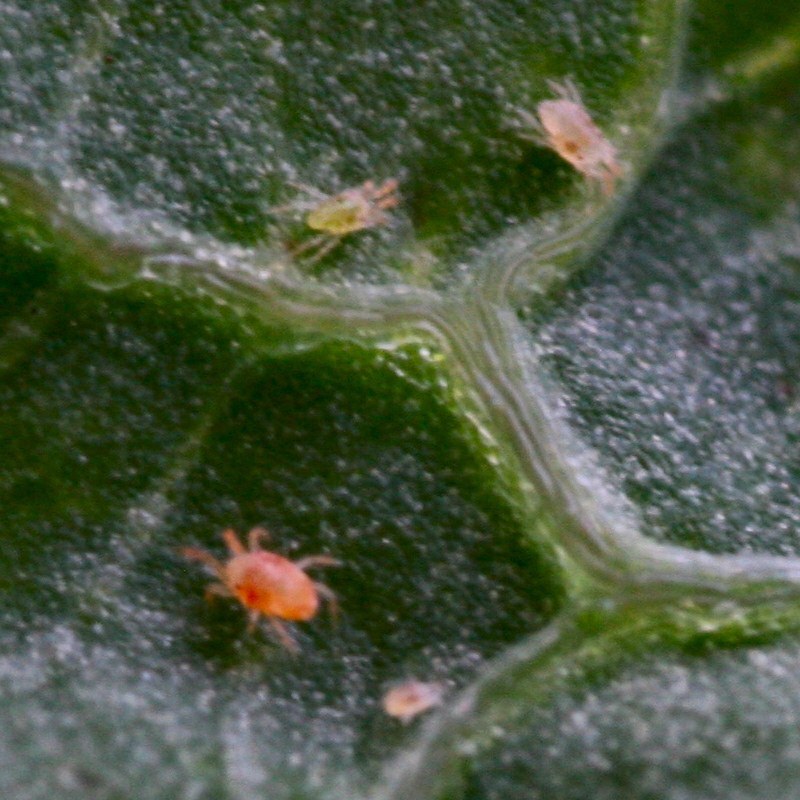
Two-Spotted Spider Mite
Tetranychus urticae
A near-microscopic mite that spins fine silk webbing over leaves as it feeds, leaving foliage stippled and pale.
- Size
- 0.3-0.5 mm
- Habitat
- Undersides of leaves on garden plants, crops, and houseplants
- Danger
- Nuisance pest
Spotted a bug like this?
Identify any bug or insect from a photo, free.
Overview
The two-spotted spider mite is one of the most widespread and economically significant plant-feeding mites in the world, found on nearly every continent except Antarctica. It belongs to the arachnid family Tetranychidae, the spider mites, so named for the fine silk webbing many species produce over leaves and stems.
At just a fraction of a millimeter long, individual mites are barely visible to the naked eye, but large colonies can be spotted as fine webbing and stippled, discolored patches on the undersides of leaves. The species gets its common name from two dark patches often visible through the body wall, though coloring can shift with diet and season.
Two-spotted spider mites feed on an extremely broad range of host plants, from garden vegetables and ornamentals to houseplants, making them one of the most frequently encountered plant pests in home gardens and greenhouses alike.
How to Identify
- Adults are oval, roughly 0.3-0.5 mm long, and have eight legs like all mites, distinguishing them from six-legged insects.
- Body color ranges from pale yellow-green to greenish with two darker spots visible on either side of the body, giving rise to the common name.
- Overwintering females often turn orange-red.
- Fine, silky webbing is often visible on the undersides of leaves and between stems during heavy infestations.
- Feeding damage appears as tiny pale or yellow speckles (stippling) on leaves, which can merge into larger bronzed or bleached patches.
- A hand lens or magnifier is usually needed to see individual mites clearly; without magnification, they may look like moving dust specks.
Habitat & Range
Two-spotted spider mites are found nearly worldwide, thriving especially in warm, dry conditions. They live on the undersides of leaves of an enormous range of host plants, including vegetables, fruit trees, ornamental flowers, and houseplants. Populations build fastest during hot, dry weather and can persist year-round in greenhouses and indoor growing environments.
Behavior & Diet
These mites feed by piercing individual plant cells with their mouthparts and withdrawing the cell contents, which causes the characteristic stippled or bronzed appearance on leaves. Because of the rapid feeding and reproduction rate under warm conditions, two-spotted spider mites are considered a significant pest of many garden and greenhouse plants. They spin silk webbing that can cover leaves, provide protection from some predators, and aid in dispersal, since young mites can be carried on wind currents by ballooning on strands of silk. In natural and agricultural settings, predatory mites, lady beetles, and minute pirate bugs are among the natural enemies that feed on spider mite populations.
Life Cycle
Females lay tiny spherical eggs on the underside of leaves, often within the protective webbing. Eggs hatch into a six-legged larval stage, which molts into two eight-legged nymphal stages (protonymph and deutonymph) before reaching adulthood. Development from egg to adult can take as little as one to two weeks in warm conditions, allowing many overlapping generations per growing season. In cooler regions, fertilized adult females overwinter in bark crevices or plant debris, emerging to resume feeding and reproduction when temperatures rise.
Frequently asked questions
Is the two-spotted spider mite an insect?
No, it is an arachnid with eight legs, related to spiders and ticks rather than to six-legged insects.
Why does the plant look stippled or bronzed?
The mites pierce individual leaf cells to feed, and the resulting cell damage creates tiny pale speckles that can merge into larger discolored patches.
What is the webbing on infested leaves?
It is fine silk produced by the mites, which can cover leaf surfaces during heavy infestations and also aids their dispersal on air currents.
Why are the mites sometimes reddish instead of green?
Overwintering females often shift to an orange-red coloration, which is a seasonal change distinct from the greenish summer form.
Two-Spotted Spider Mite guides
In-depth guides for identifying, understanding, and living alongside Two-Spotted Spider Mite.
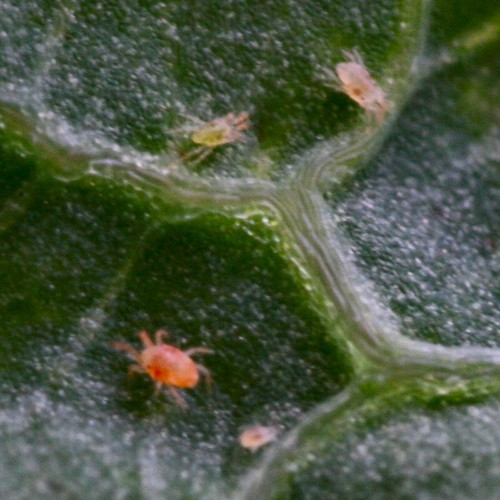
Two-Spotted Spider Mite identified by the community
Real finds identified with Bug Identifier.

Other bugs you may enjoy
Wood Tick
Grassland, shrub-steppe, and open woodland of western North America
Yellow Scorpion
Arid scrubland, rocky slopes, and desert margins
Whip Spider
Tropical caves, rainforest leaf litter, and under bark
Water Mite
Ponds, lakes, streams, and other freshwater bodies
American Dog Tick
Grassy fields, trails, and low vegetation near woodlands
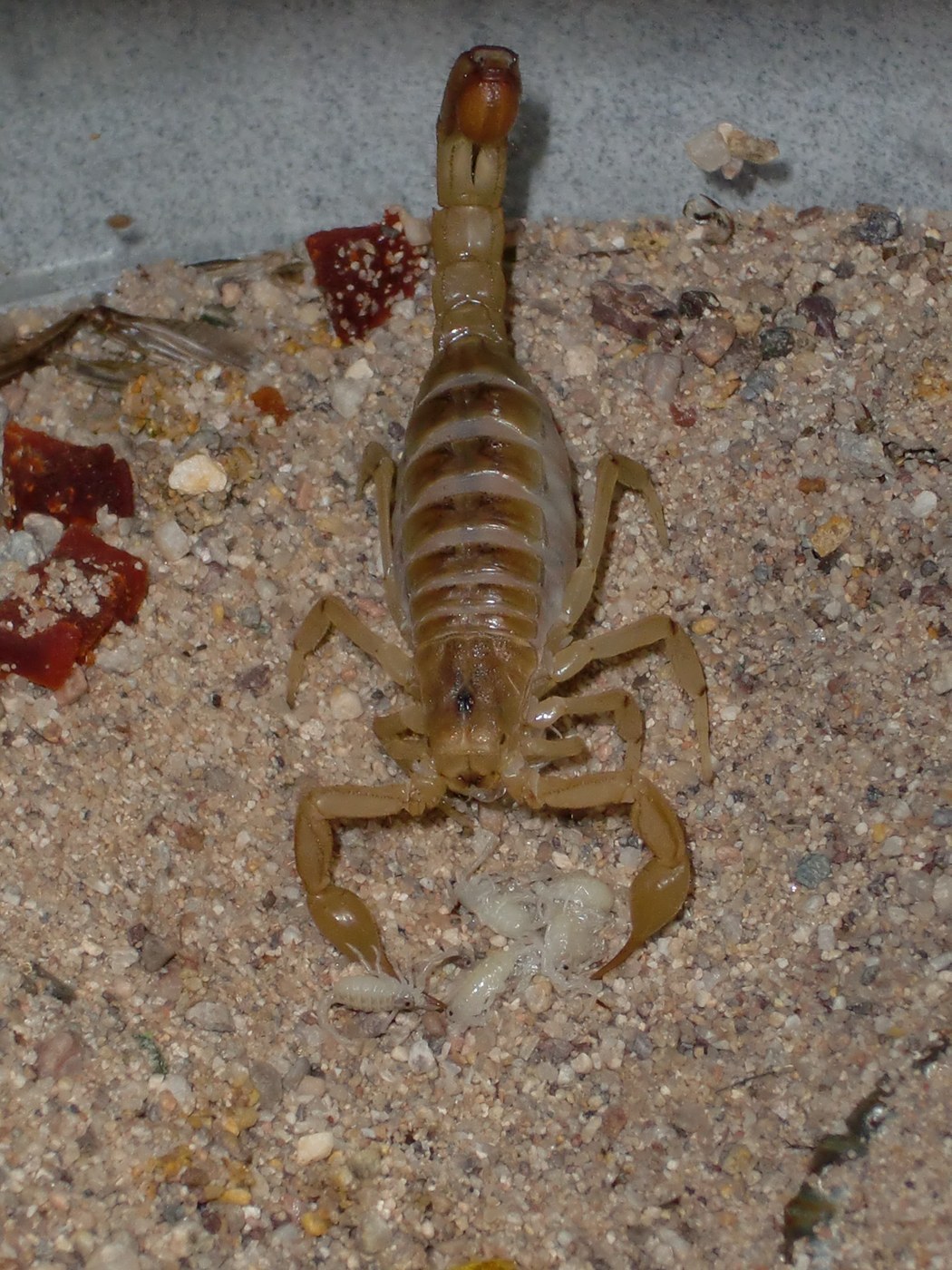
Arizona Bark Scorpion
Rocky desert terrain, tree bark, and structures in the Southwest
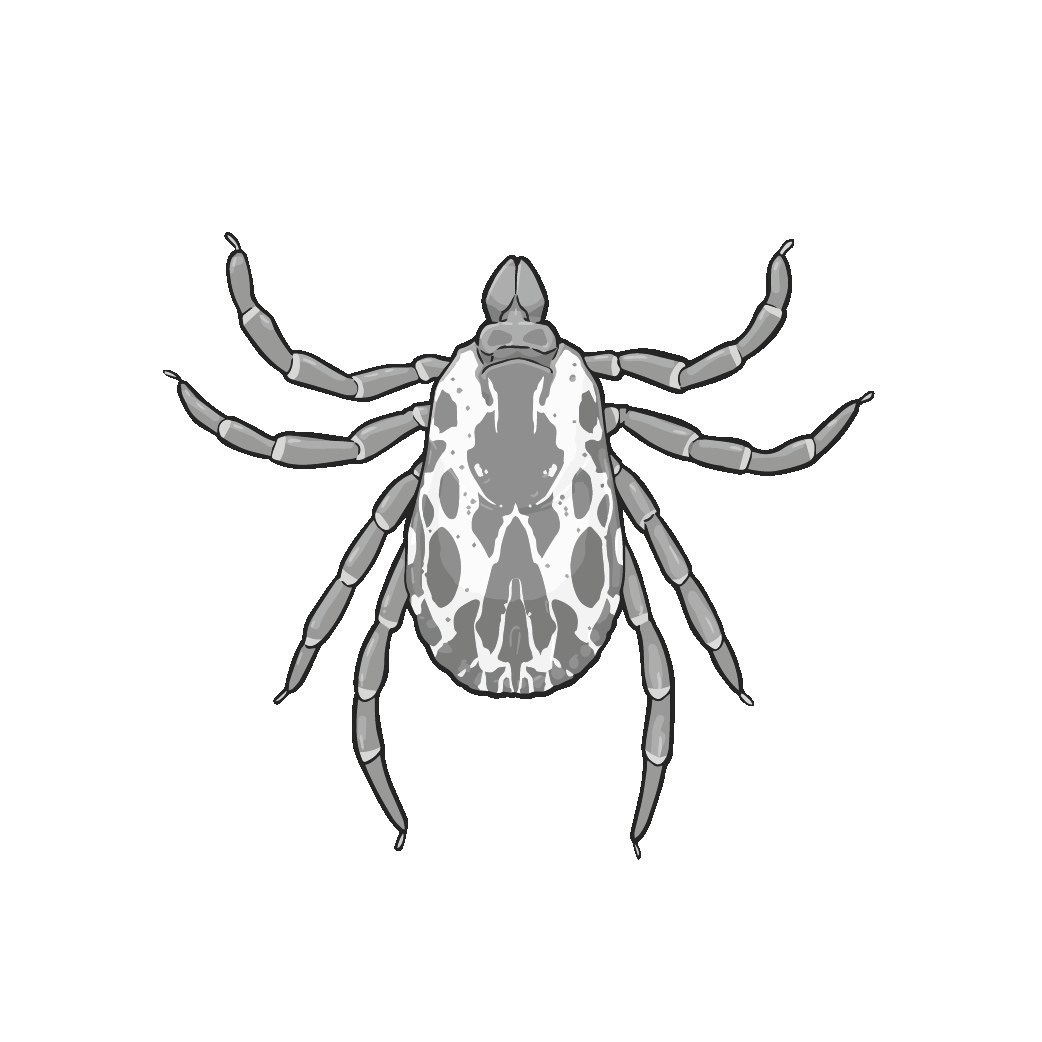
Tick
Tall grass, brush, woodland edges, and animal trails
Soil Mite
Soil, leaf litter, moss, and decaying organic matter worldwide
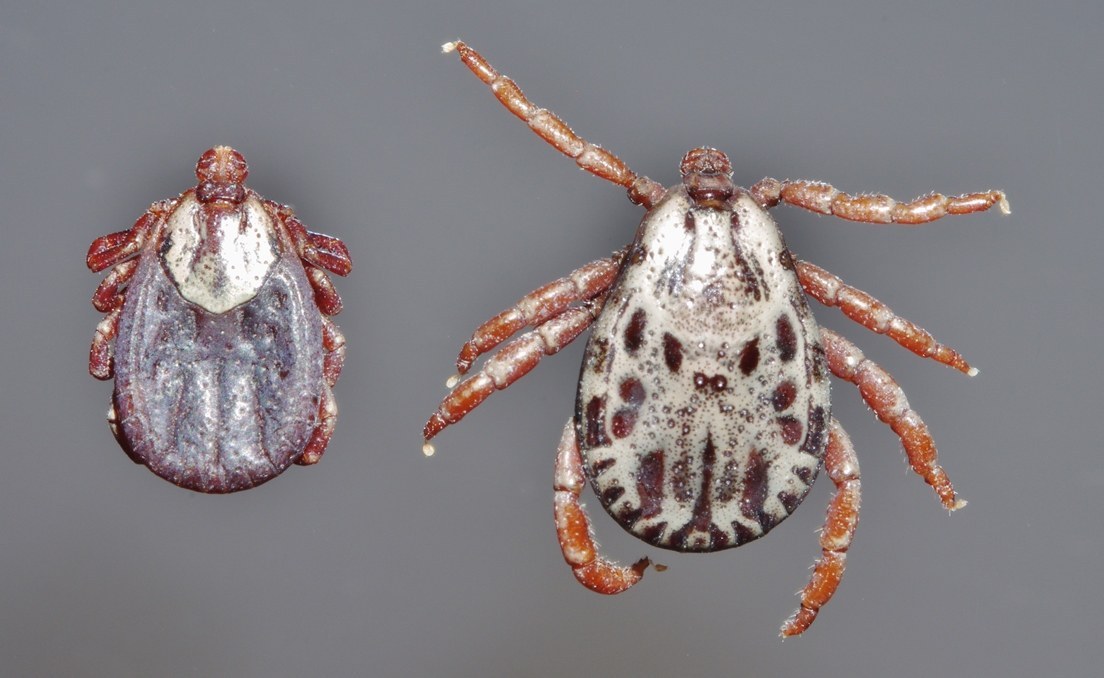
Rocky Mountain Wood Tick
Sagebrush shrublands, grasslands, and montane forest edges
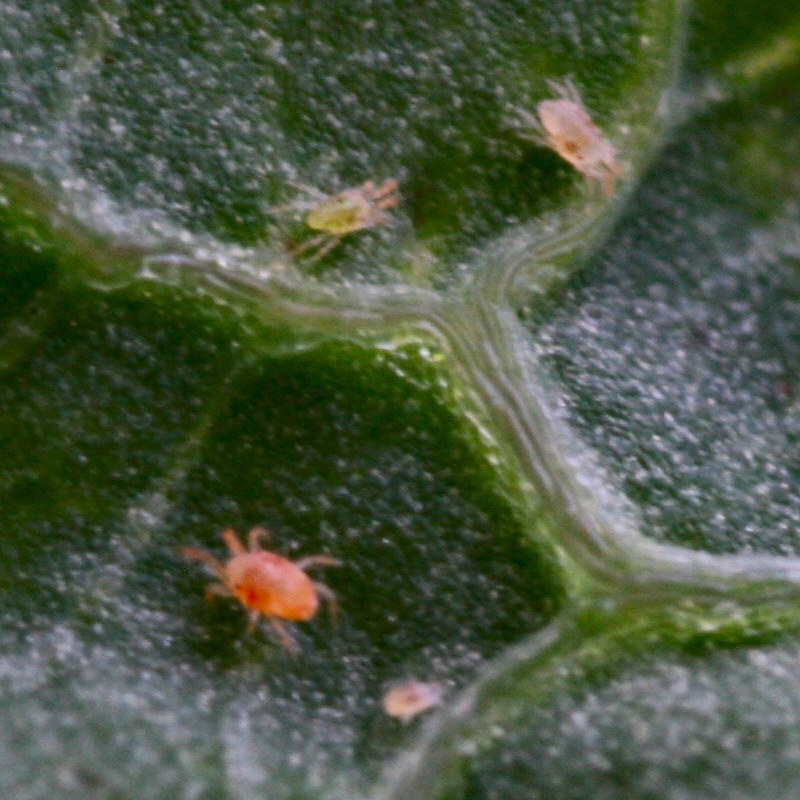
Spider Mite
Undersides of leaves on garden plants, houseplants, and field and orchard crops worldwide
Whip Scorpion
Tropical and subtropical caves, tree bark, and rock crevices worldwide
Scabies Mite
Within the outer skin layer of mammal hosts; no independent outdoor habitat