
Yellow Scorpion
Buthus spp.
A robust, sandy-yellow scorpion of arid regions that spends daylight hours buried or hidden beneath stones, emerging at dusk to hunt.
- Size
- 50-90 mm (2-3.5 inches) including tail
- Habitat
- Arid scrubland, rocky slopes, and desert margins
- Danger
- Stings
Spotted a bug like this?
Identify any bug or insect from a photo, free.
Overview
Yellow scorpion is a common name applied to several sand- or straw-colored scorpion species found in arid and semi-arid regions, most notably within the genus Buthus, which inhabits parts of the Mediterranean basin and North Africa, though similarly colored species occur in other arid parts of the world under related common names. These scorpions share an overall pale yellow to tan coloration that provides effective camouflage against sandy or rocky desert substrates.
Body proportions vary somewhat by species, but yellow scorpions generally have moderately thick pedipalps and a segmented tail ending in a curved stinger, a build intermediate between the slender bark scorpions and the heavily built thick-tailed scorpions. Like most scorpions, they are almost entirely nocturnal, remaining hidden in burrows or under surface debris during the heat of the day.
Yellow scorpions are well adapted to dry, sun-baked environments, often digging their own shallow burrows or occupying existing crevices, and they become active as temperatures drop in the evening.
How to Identify
- Overall pale sandy-yellow to straw-colored body, sometimes with a faint darker tinge along the back.
- Moderately robust pedipalps (pincers) and a segmented tail of average thickness relative to body size, ending in a curved stinger.
- Adults typically range from about 50-90 mm including the tail, depending on species.
- Body surface often finely granulated rather than smooth, aiding camouflage on sand and rock.
- Distinguished from darker desert species and from more slender bark scorpions primarily by its pale, uniform coloration and moderate build.
Habitat & Range
Yellow scorpions inhabit arid and semi-arid landscapes, including sandy scrubland, rocky hillsides, and the margins of deserts, where their coloration blends closely with the substrate. They are most commonly associated with the Mediterranean region and North Africa, sheltering in self-dug burrows, beneath stones, or in natural crevices during the day. Activity peaks after sunset during the warmer months, with reduced activity in cooler seasons.
Behavior & Diet
These scorpions are nocturnal ambush predators, emerging from their burrows or shelters at night to hunt insects, spiders, and other small invertebrates using their pincers to grasp prey. They are largely solitary and territorial around their burrow sites, retreating underground during the heat of the day to avoid desiccation and predation. Ecologically they serve as mid-level predators in arid food webs, helping to control populations of ground-dwelling insects while themselves being preyed upon by owls, foxes, and other desert predators.
Life Cycle
As with other scorpions, reproduction is ovoviviparous, with the female carrying and later birthing live young rather than laying eggs. Newly born scorpions climb onto their mother's back and remain there through their first molt before dispersing to fend for themselves. Juveniles undergo a series of molts over roughly one to two years to reach adulthood, and adults can live for several years in favorable arid conditions.
Frequently asked questions
What does a yellow scorpion look like?
It has an overall pale sandy-yellow to straw-colored body with moderately built pincers and a segmented tail, giving it effective camouflage in arid habitats.
Where do yellow scorpions live?
They are found in arid and semi-arid regions such as sandy scrubland and rocky slopes, most notably around the Mediterranean and North Africa, sheltering in burrows or under stones by day.
What do yellow scorpions eat?
They are nocturnal predators that hunt insects, spiders, and other small invertebrates near their burrow or shelter.
Are yellow scorpions active during the day?
No, they remain hidden in burrows or under cover during the day and become active after sunset.
Yellow Scorpion guides
In-depth guides for identifying, understanding, and living alongside Yellow Scorpion.
Other bugs you may enjoy
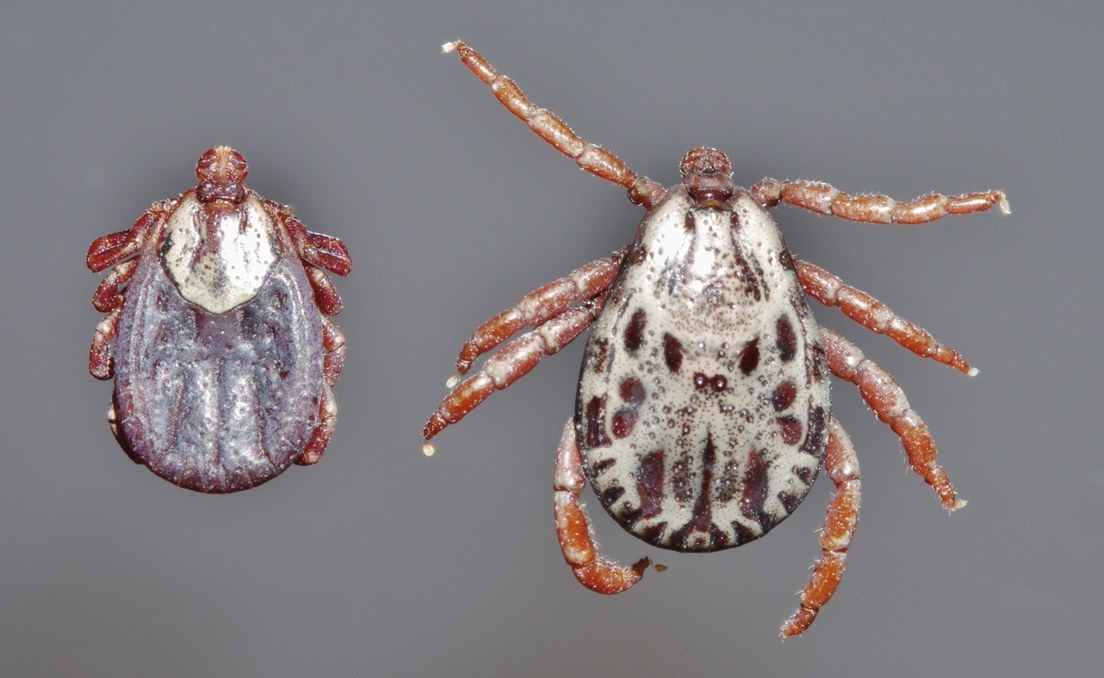
Wood Tick
Grassland, shrub-steppe, and open woodland of western North America
Whip Spider
Tropical caves, rainforest leaf litter, and under bark
Water Mite
Ponds, lakes, streams, and other freshwater bodies
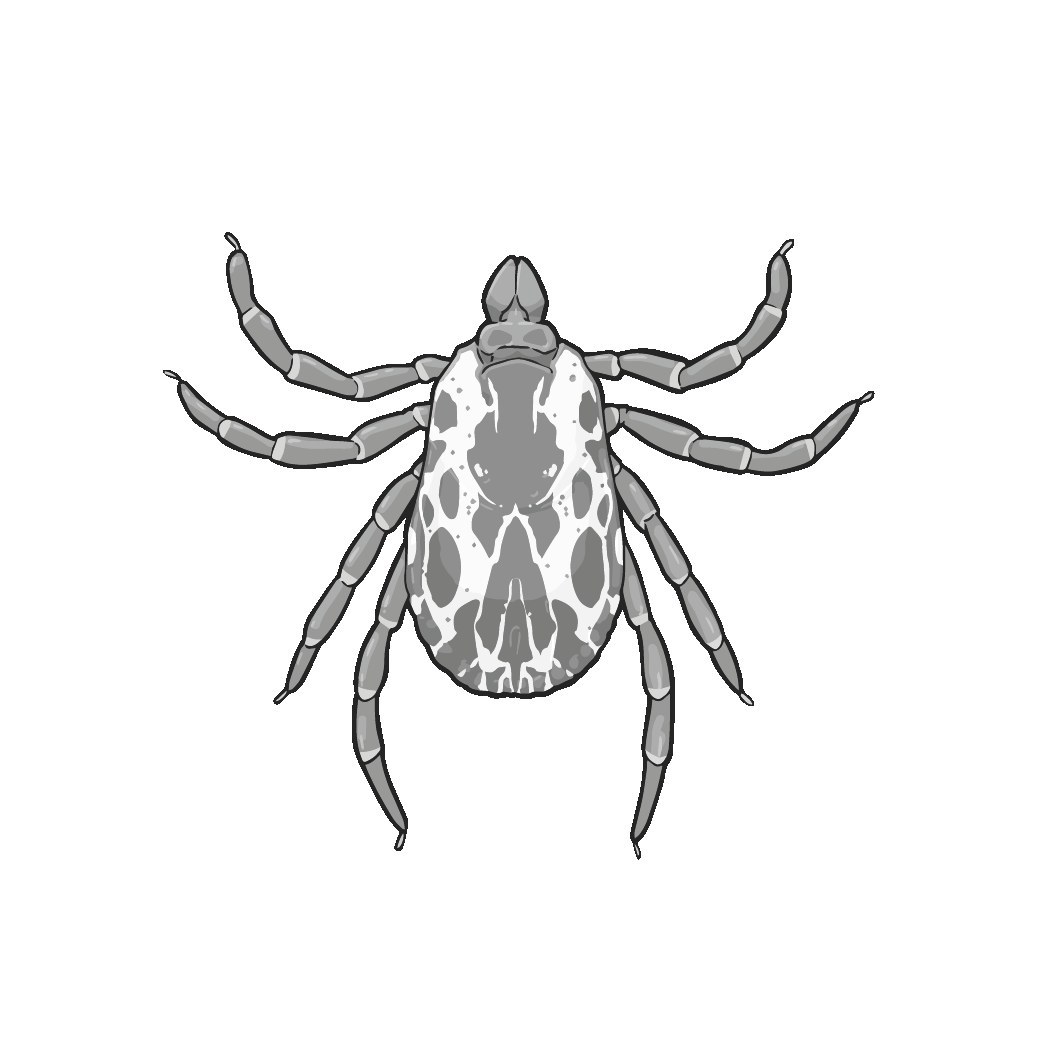
American Dog Tick
Grassy fields, trails, and low vegetation near woodlands
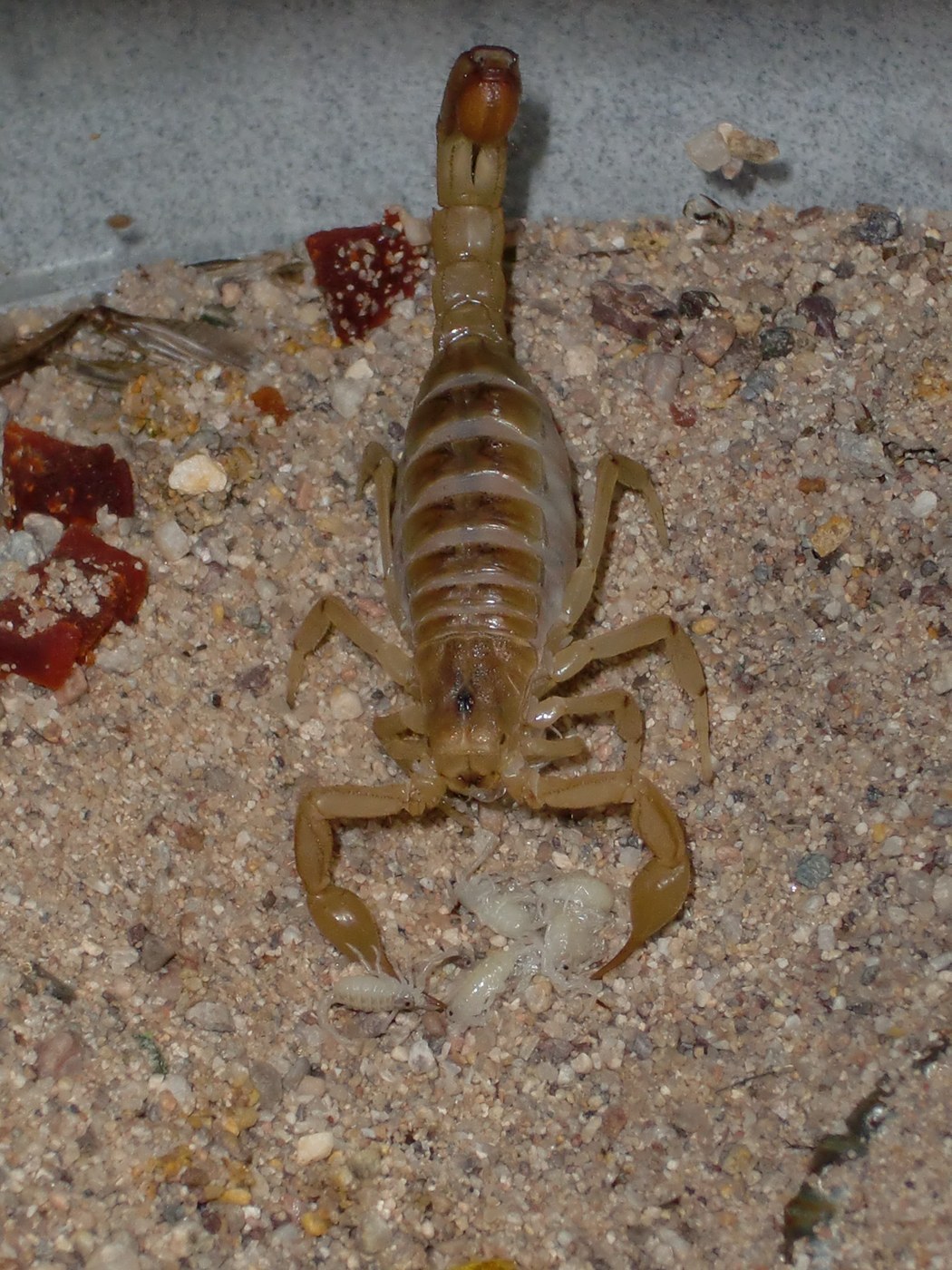
Arizona Bark Scorpion
Rocky desert terrain, tree bark, and structures in the Southwest
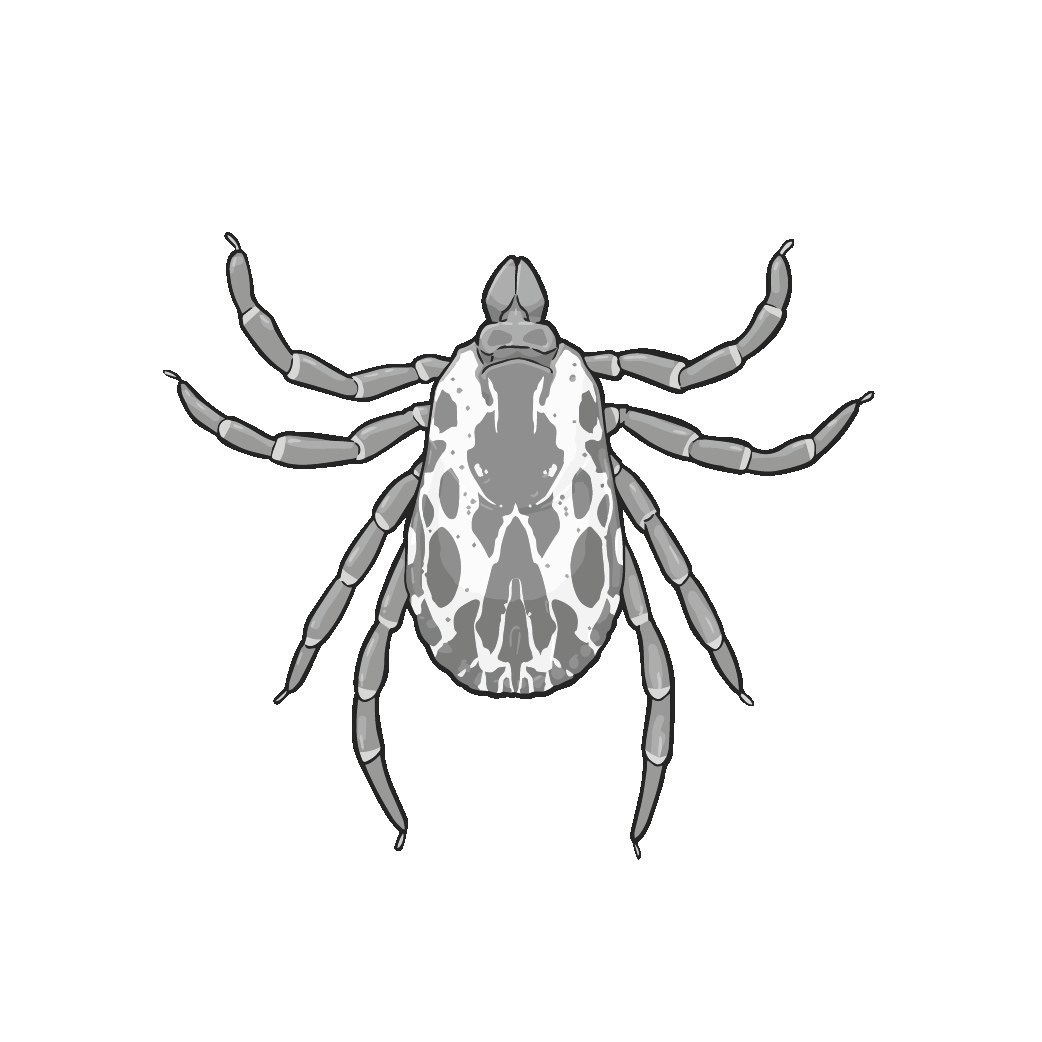
Tick
Tall grass, brush, woodland edges, and animal trails
Soil Mite
Soil, leaf litter, moss, and decaying organic matter worldwide
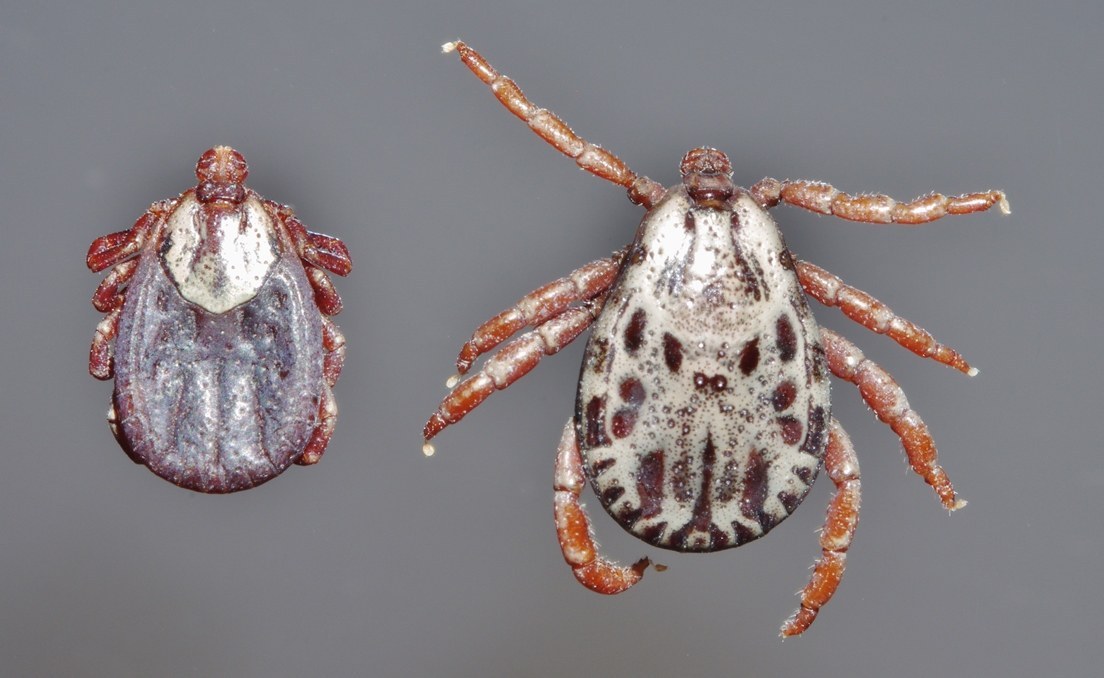
Rocky Mountain Wood Tick
Sagebrush shrublands, grasslands, and montane forest edges
Two-Spotted Spider Mite
Undersides of leaves on garden plants, crops, and houseplants
Spider Mite
Undersides of leaves on garden plants, houseplants, and field and orchard crops worldwide
Whip Scorpion
Tropical and subtropical caves, tree bark, and rock crevices worldwide
Scabies Mite
Within the outer skin layer of mammal hosts; no independent outdoor habitat