German Cockroach Identification Guide
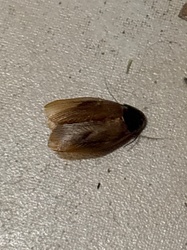
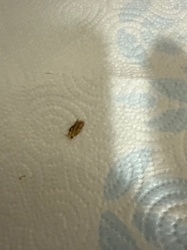
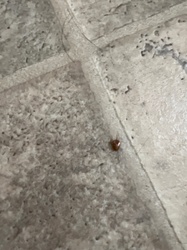
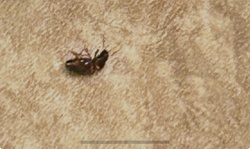
Recognize a German cockroach by its small tan-brown body, two dark parallel stripes behind the head, and swift scuttling movement.
Read the full German Cockroach encyclopedia entry →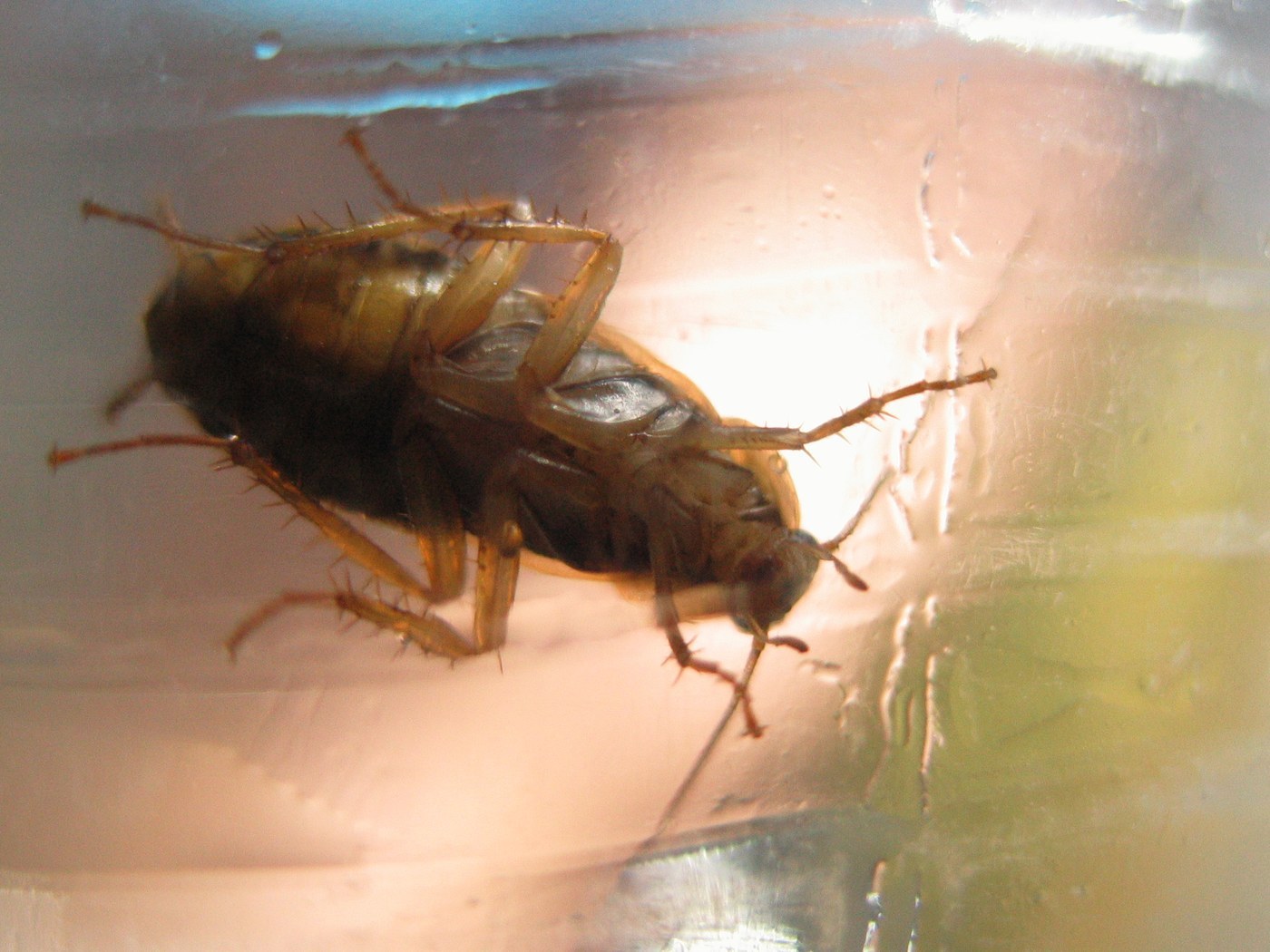
Key Visual Features
The German cockroach is one of the smaller, most commonly encountered indoor cockroach species, identifiable by a distinct marking pattern.
- Size: About 1/2 to 5/8 inch (13–16 mm) long as an adult — noticeably smaller than many other cockroach species.
- Color: Light tan to medium brown body.
- Distinctive markings: Two dark, parallel stripes running lengthwise on the shield-like plate (pronotum) just behind the head — a defining feature for this species.
- Body shape: Flattened, oval body that allows it to squeeze into narrow cracks and crevices.
- Wings: Adults have full-length wings covering the abdomen, though they rarely fly and mostly run.
- Antennae: Long, thin, thread-like antennae, often as long as or longer than the body.
- Legs: Six spiny legs built for fast running rather than jumping.
- Nymphs: Wingless and darker, almost blackish-brown, with a similar but less distinct striped pattern.
Where and When You'll See Them
German cockroaches are found almost exclusively indoors in close association with human structures, favoring warm, humid areas near food and water sources such as kitchens and bathrooms. They are active mainly at night, hiding in cracks, behind appliances, and inside cabinets during the day. Unlike many outdoor species, they show little seasonal pattern indoors, remaining active year-round wherever consistent warmth and moisture are available.
Similar-Looking Insects
- American cockroach: Much larger (up to 2 inches), reddish-brown, with a pale yellowish band around the edge of the pronotum rather than two dark stripes.
- Brown-banded cockroach: Similar small size but has light bands across the wings and abdomen instead of stripes behind the head, and prefers drier locations.
- Asian cockroach: Nearly identical in appearance to the German cockroach but is more often found outdoors and is a stronger, more frequent flier.
Quick ID Checklist
- Small, about 1/2–5/8 inch long
- Tan to brown body
- Two dark parallel stripes on the pronotum behind the head
- Long thread-like antennae
- Fast runner, rarely seen flying, active at night
Frequently asked questions
What are the two stripes on a German cockroach's back?
These are two dark parallel bands on the pronotum, the shield-shaped plate just behind the head, and they are the clearest visual feature separating this species from similar small roaches.
How big does a German cockroach get?
Adults typically reach about 1/2 to 5/8 inch in length, making them notably smaller than the American cockroach, which can grow to nearly two inches.
Do German cockroaches fly?
They have full wings as adults but rarely use them for sustained flight, relying instead on fast running to move across surfaces and escape.
How is a nymph different from an adult German cockroach?
Nymphs are wingless and appear darker, almost blackish-brown, while still showing a faint version of the two-stripe pattern that becomes more defined as they mature into winged adults.
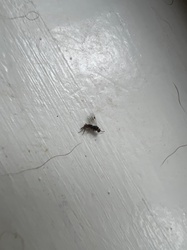
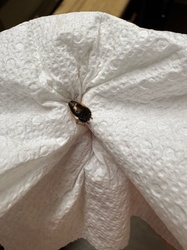
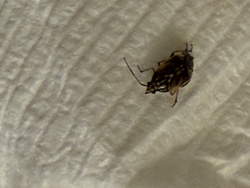
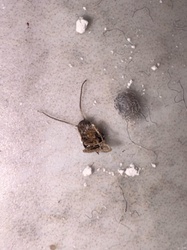
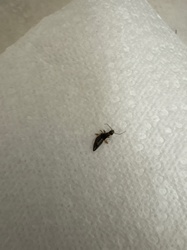
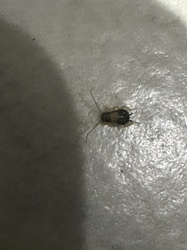
German Cockroach identified by the community
Recent German Cockroach finds identified with Bug Identifier.