
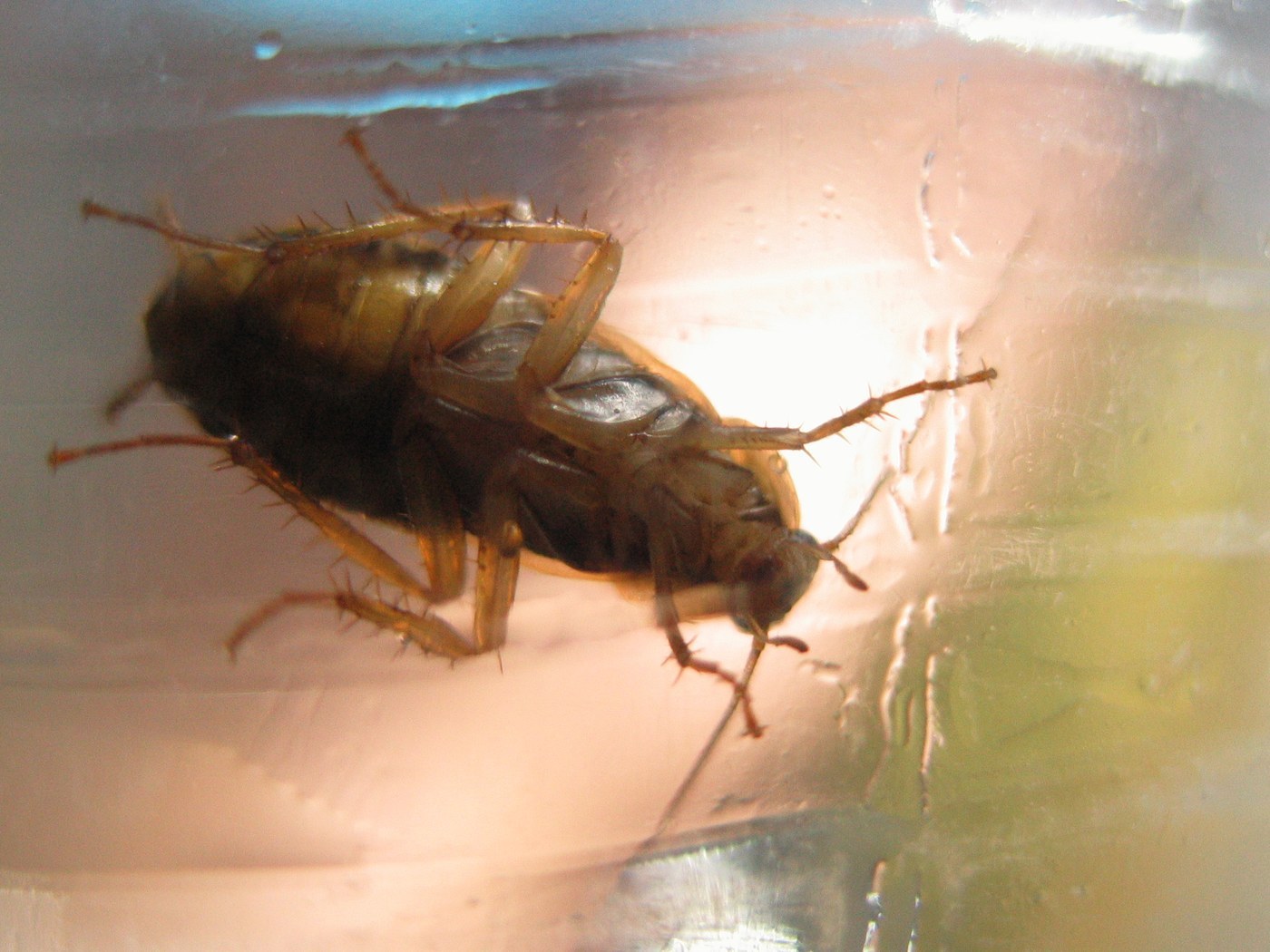
German Cockroach
Blattella germanica
A small, fast-moving light brown to tan roach marked with two dark parallel stripes running down its pronotum, most often seen scurrying for cover in warm, moist indoor areas.
- Size
- 13–16 mm
- Habitat
- Kitchens, bathrooms, and warm, humid indoor spaces
- Danger
- Nuisance pest
Spotted a bug like this?
Identify any bug or insect from a photo, free.
Overview
The German cockroach, Blattella germanica, is a member of the family Ectobiidae within the order Blattodea, which also includes termites. Despite its name, the species likely originated in southeast Asia or Africa and has since spread worldwide alongside human structures and trade.
This species is notable for its rapid reproductive rate and strong preference for warm, humid indoor environments, making it one of the most commonly encountered indoor cockroach species globally rather than an outdoor insect.
As a scavenging omnivore, the German cockroach plays a minor decomposer role by consuming organic debris, though its close association with human dwellings has made it one of the most recognized household insects worldwide.
How to Identify
- Light tan to medium brown body, flattened and oval in shape.
- Two distinct dark parallel stripes running lengthwise on the pronotum (the shield behind the head).
- Long, thread-like antennae and long, spiny legs built for fast running.
- Adults have full wings but rarely fly, preferring to run when disturbed.
- Lookalikes: the American cockroach is much larger (over 30 mm), reddish-brown, and lacks the two pronotal stripes seen on the German cockroach.
Habitat & Range
German cockroaches are found worldwide, almost exclusively indoors in heated buildings, since they cannot tolerate cold outdoor temperatures for long. They favor warm, humid microhabitats such as kitchens, bathrooms, and areas near appliances that generate heat and moisture, and are active mainly at night.
Behavior & Diet
This species is nocturnal and photophobic, scattering rapidly for cover when lights are switched on. It is an opportunistic omnivorous scavenger, feeding on a wide range of organic material. German cockroaches are gregarious, often clustering together in tight harborage cracks, and communicate through aggregation pheromones.
Life Cycle
German cockroaches undergo incomplete (gradual) metamorphosis, with egg, nymph, and adult stages and no pupal stage. Females carry an egg case (ootheca) containing dozens of eggs until just before hatching, and nymphs resemble smaller, wingless versions of adults, molting several times as they grow. Under warm indoor conditions, the full life cycle from egg to reproductive adult can complete in as little as one to two months, allowing several generations per year.
Frequently asked questions
How is the German cockroach different from the American cockroach?
The German cockroach is smaller (13–16 mm), tan with two dark pronotal stripes, while the American cockroach is larger, reddish-brown, and lacks those stripes.
Can German cockroaches fly?
They have wings as adults but rarely use them for sustained flight, relying instead on fast running to escape.
Where in a home are they usually found?
They favor warm, humid areas such as kitchens and bathrooms, often hiding in narrow cracks near sinks and appliances.
How quickly do German cockroach populations grow?
Because of their short life cycle and large egg cases, populations can expand rapidly under favorable warm, humid conditions.
German Cockroach guides
In-depth guides for identifying, understanding, and living alongside German Cockroach.
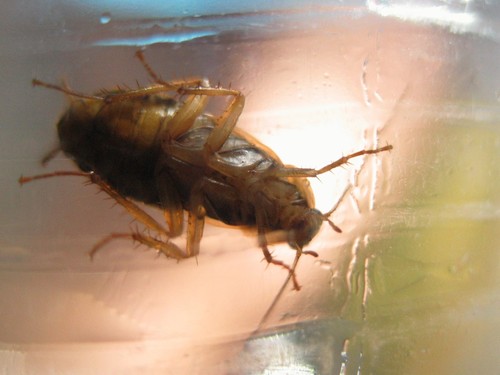
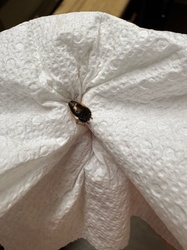
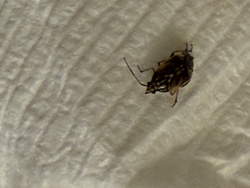
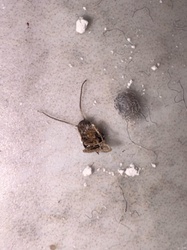
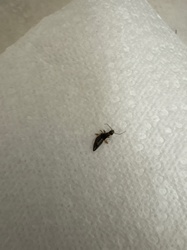
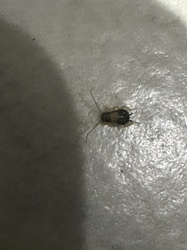
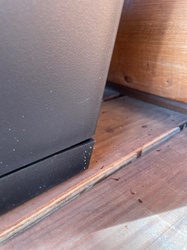
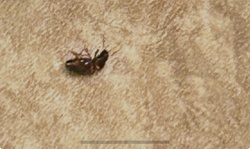
German Cockroach identified by the community
Real finds identified with Bug Identifier.
Other bugs you may enjoy
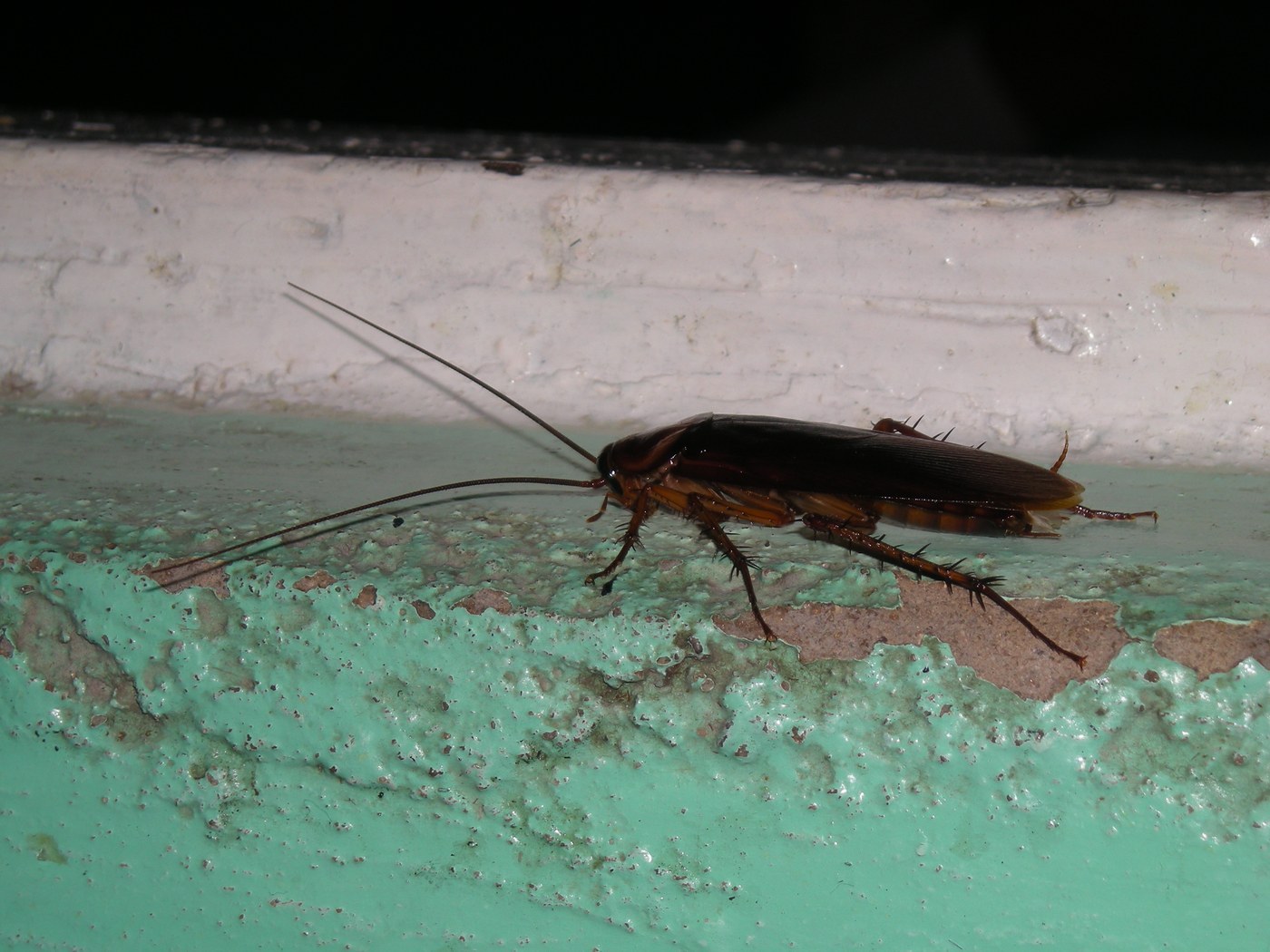
American Cockroach
Warm, humid environments such as basements, sewers, drains, and tropical outdoor settings
Thrips
Flowers, foliage, gardens, greenhouses, crop fields
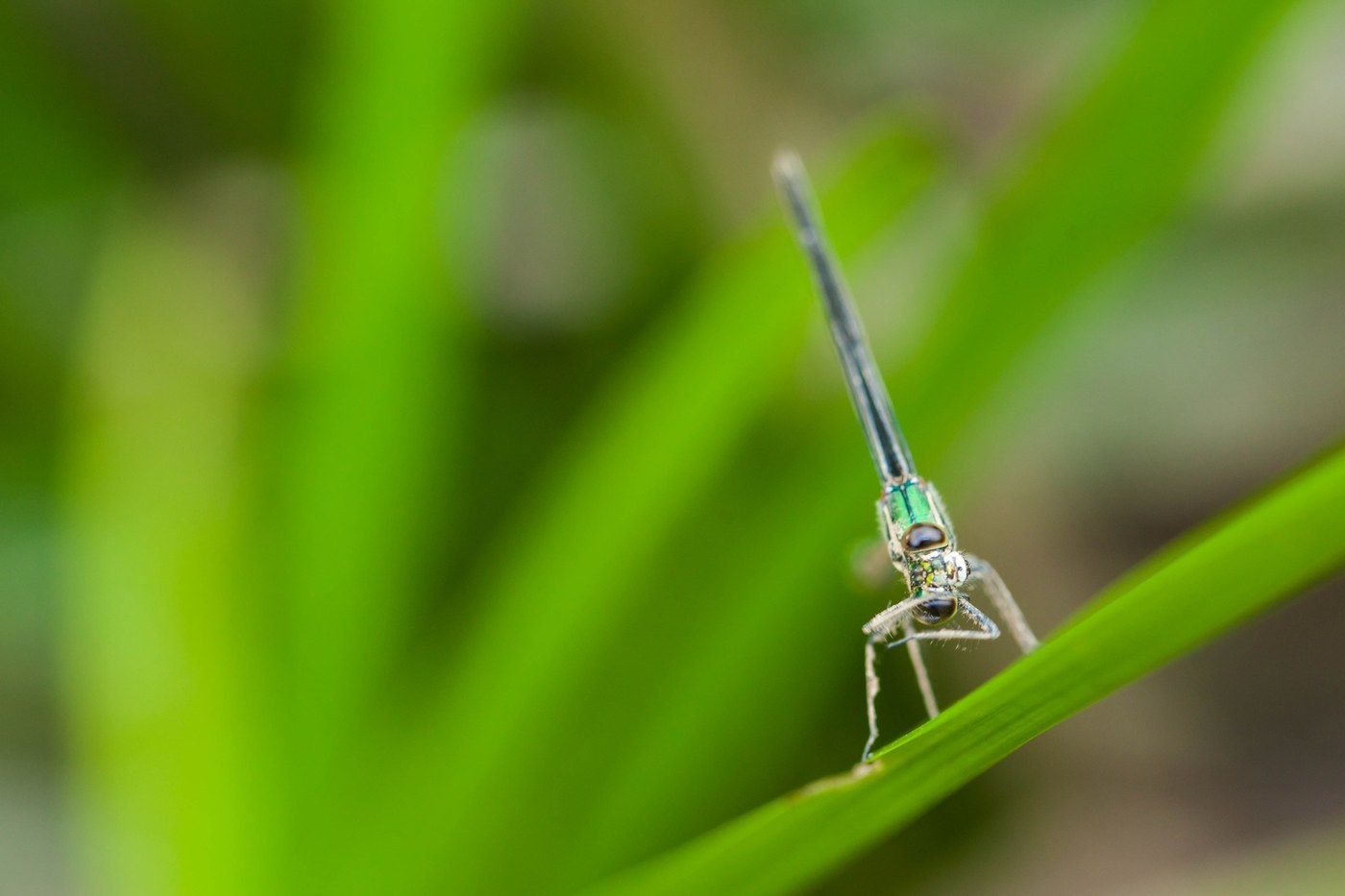
American Rubyspot
Sunny rivers and streams with moderate current
Springtail
Moist soil, leaf litter, decaying organic matter, and damp indoor areas
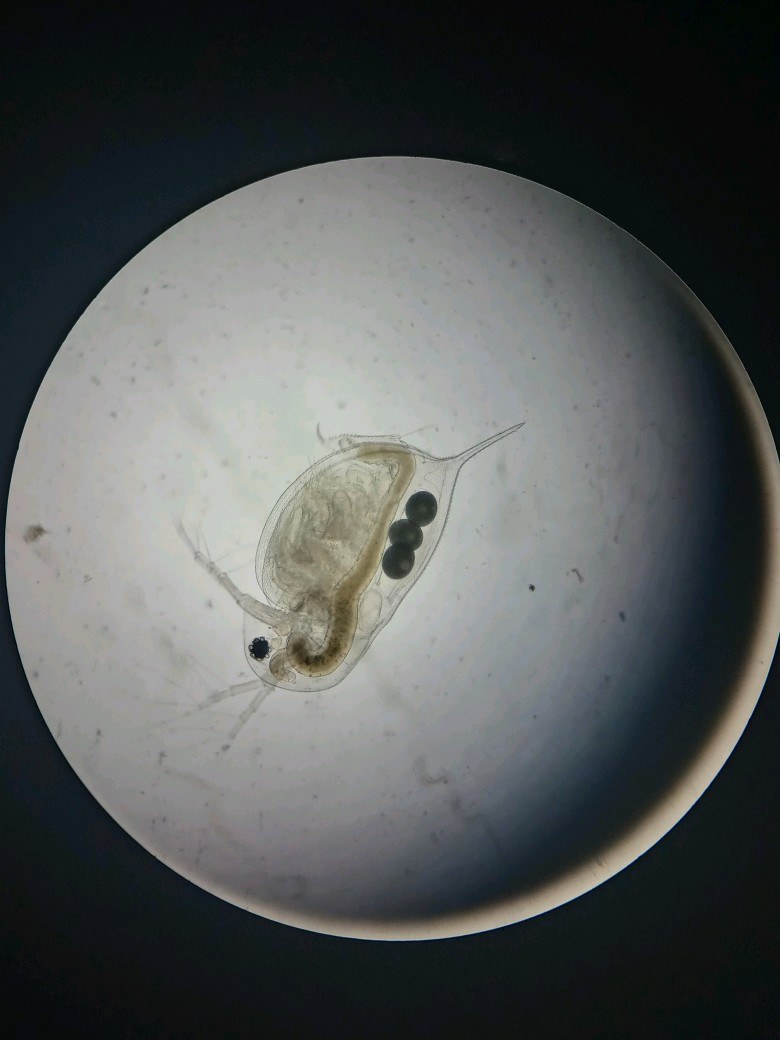
Water Flea
Ponds, lakes, and slow streams as free-floating plankton
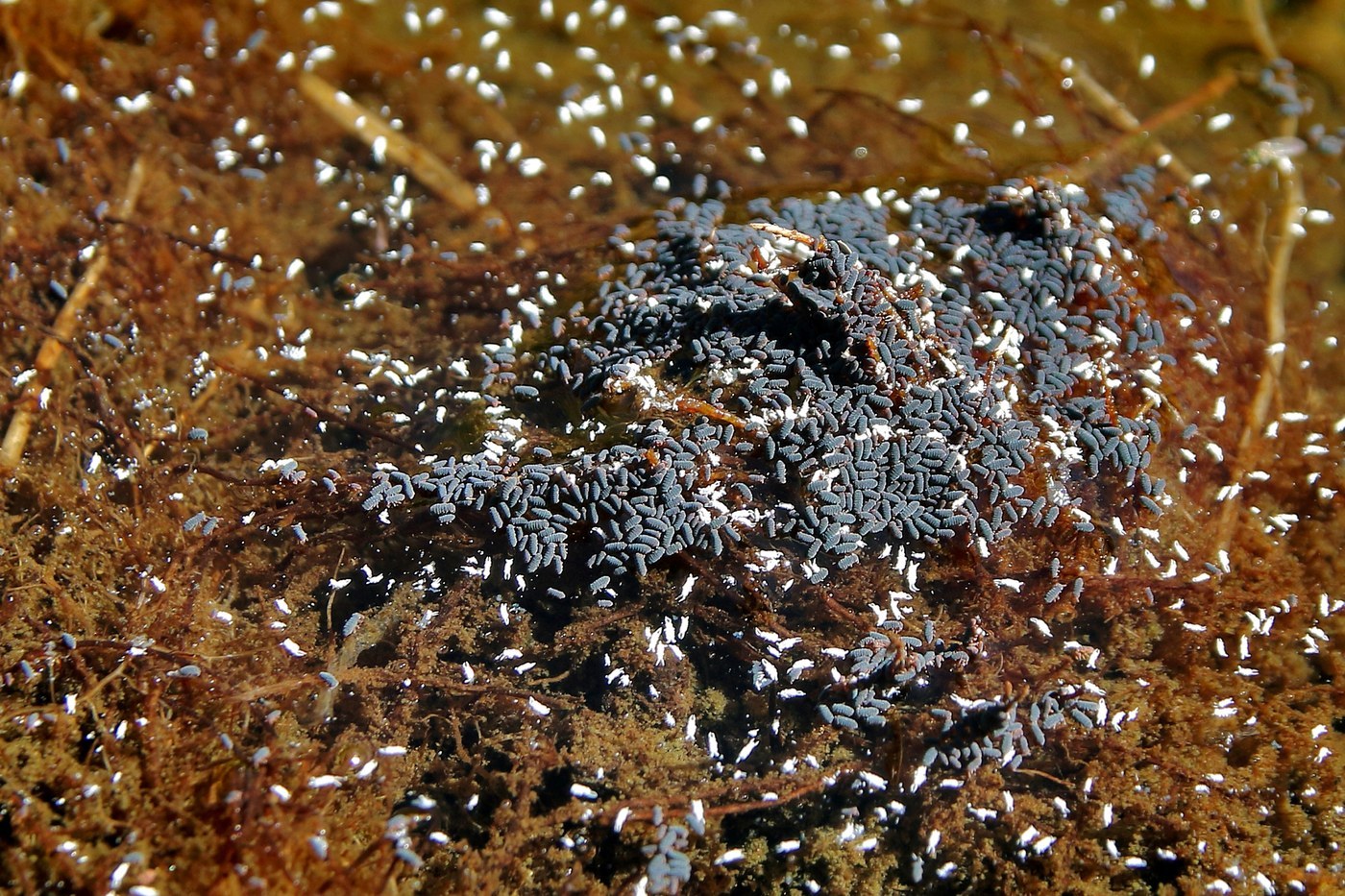
Water Springtail
Surface film of ponds, puddles, and slow ditches
Slug
Gardens, damp soil, leaf litter, greenhouses
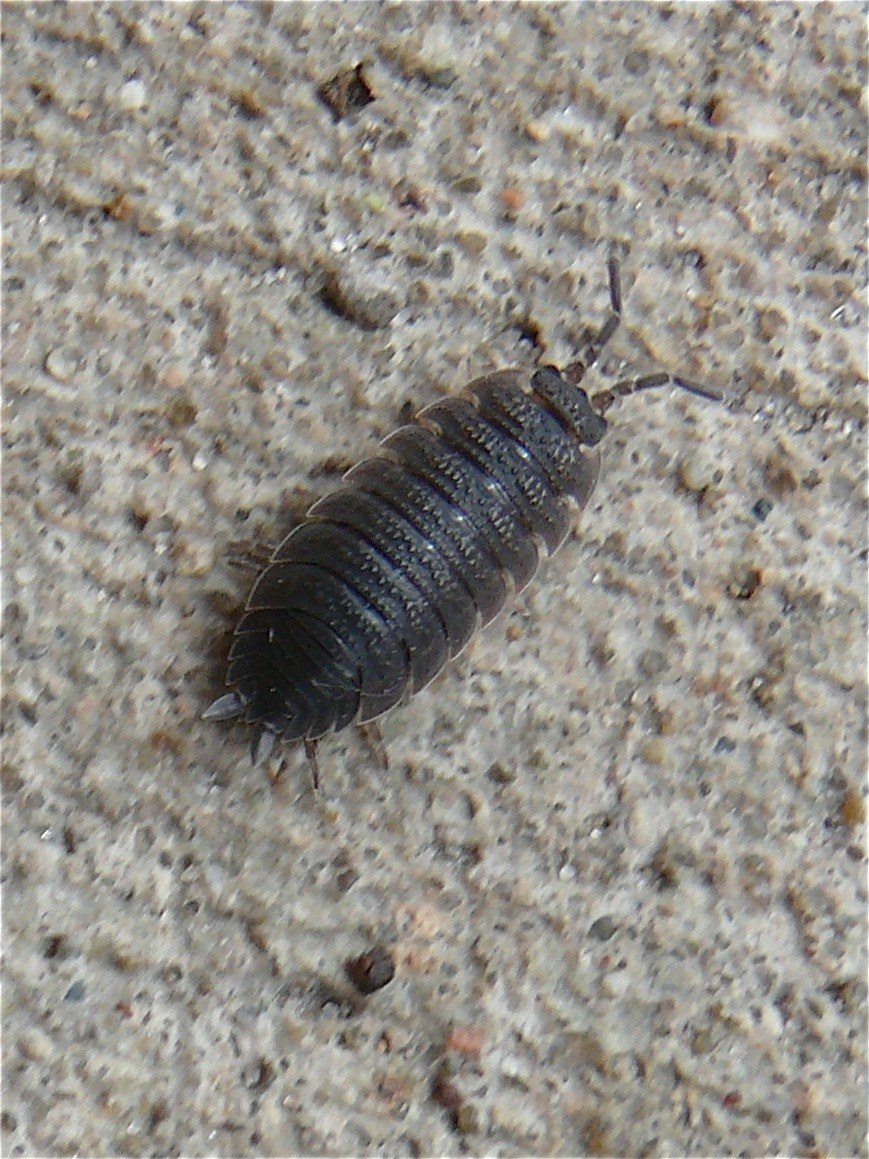
Sowbug
Leaf litter, under rocks/logs, damp garden soil, basements
Pill Bug
Damp soil, leaf litter, under rocks and logs, garden beds
Termite
Soil, decaying wood, tree stumps, and wooden structures
Termite Swarmer
Emerges from underground or wood-nesting colonies, often near structures and moist soil
Silverfish
Damp basements, bathrooms, closets, and dark indoor crevices