Springtail Identification Guide
Learn to identify springtails, tiny wingless hexapods that spring into the air using a unique tail-like appendage.
Read the full Springtail encyclopedia entry →Key Visual Features
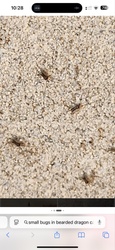
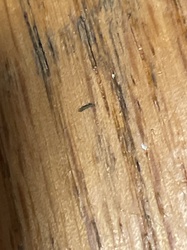
Springtails are tiny, primitive hexapods often mistaken for insects, but they have a few unmistakable traits.
- Size: Extremely small, typically 1–6 mm long, often requiring close attention to spot at all.
- Body shape: Either elongated and slender or rounded and globular depending on the species.
- Color: Highly variable—white, gray, tan, blue, purple, or mottled patterns depending on species and habitat.
- Legs and antennae: Six legs and a pair of short antennae, giving them an insect-like appearance despite not being true insects.
- Signature feature: A forked, tail-like structure (furcula) folded beneath the abdomen; when released, it snaps down against the surface and flings the springtail into the air, producing its characteristic springing hop.
- Wings: None—springtails are wingless at every stage of life.
Where and When You'll See Them
Springtails thrive in consistently moist environments: damp soil, mulch, leaf litter, decaying wood, and the base of potted plants. They can also appear indoors in damp basements, bathrooms, or around overwatered houseplants. Outdoors, large numbers sometimes gather on the surface of puddles, ponds, or melting snow (a group often called "snow fleas" due to their springing movement), most visible in cool, damp weather from late winter through spring.
Similar-Looking Bugs
- Fleas: Similar tiny size and jumping ability, but fleas have a hard, shiny, laterally flattened body and long jumping hind legs, while springtails have a softer body and jump using the furcula rather than their legs.
- Aphids: Some pale, soft-bodied springtails can be confused with tiny aphids, but aphids have piercing mouthparts and cornicles (tube-like structures) on the rear of the abdomen that springtails lack.
- Mites: Similarly tiny, but mites have eight legs and no antennae, while springtails have six legs and antennae.
Quick ID Checklist
- Very small, under about 6 mm
- Soft, wingless body, elongated or globular
- Six legs and short antennae
- Forked tail-like furcula tucked under the abdomen, used to spring
- Found in damp soil, mulch, leaf litter, or on water/snow surfaces
Frequently asked questions
How do springtails jump without long legs like a flea?
They use a forked appendage called a furcula that is held under tension beneath the abdomen; releasing it snaps against the ground and flings the springtail into the air.
Why are springtails sometimes called snow fleas?
Certain species become active and visible on the surface of snow in late winter, and their springing movement resembles a flea's jump, though they are unrelated to true fleas.
Do springtails have wings?
No, springtails are wingless throughout their entire life, unlike many insects that develop wings as adults.
Where indoors are springtails most likely to turn up?
In consistently damp locations such as bathrooms, basements, or the soil of overwatered potted plants, since they depend on moisture to survive.
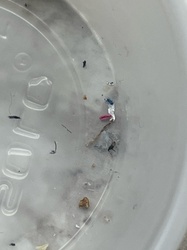
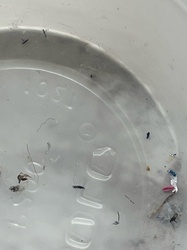
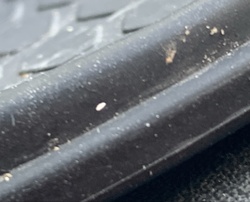
Springtail identified by the community
Recent Springtail finds identified with Bug Identifier.