
Springtail
Collembola spp.
A minuscule, wingless hexapod best known for its spring-loaded tail-like structure that flicks it into sudden, erratic hops when disturbed, often found in huge numbers in damp soil and leaf litter.
- Size
- 0.25–6 mm (commonly 1–2 mm)
- Habitat
- Moist soil, leaf litter, decaying organic matter, and damp indoor areas
- Danger
- Harmless
Spotted a bug like this?
Identify any bug or insect from a photo, free.
Overview
Springtails are tiny hexapods in the class Collembola, a group now generally classified separately from true insects due to differences in mouthpart structure and internal anatomy, though they are closely related and share the six-legged body plan. They are among the most abundant arthropods in soil ecosystems worldwide, often present in extraordinarily high densities in leaf litter and topsoil.
Their defining feature is the furcula, a forked, spring-like appendage folded beneath the abdomen and held under tension by a small clasp called the retinaculum; when released, it snaps against the substrate and flings the springtail into the air as an escape response. This mechanism gives the group its common name and is unique among arthropods.
Ecologically, springtails are important decomposers and soil-community members, feeding on fungi, algae, bacteria, and decaying organic matter, and serving as a food source for many small predators, making them a foundational part of soil food webs.
How to Identify
- Extremely small, wingless body, typically 1–2 mm long (ranging roughly 0.25–6 mm across species), often elongate or globular in shape.
- Six legs and short antennae, superficially insect-like but lacking wings at any life stage.
- A forked, spring-like tail structure (furcula) tucked beneath the abdomen, used to catapult the animal into sudden, erratic jumps when disturbed.
- Coloration varies from pale white or gray to blue, purple, or mottled, depending on species and habitat.
- Lookalikes: fleas (springtails lack piercing mouthparts and do not bite or feed on blood, and their jumping mechanism is a tail-flick rather than powerful hind legs).
Habitat & Range
Springtails are found worldwide in an enormous range of habitats, from soil and leaf litter to decaying wood, compost, and even snow surfaces in cold climates (giving rise to the "snow flea" name for certain species active in winter). They are especially abundant in consistently moist environments.
Indoors, they may appear in large numbers in damp areas such as bathrooms, basements, or potted plant soil where moisture is high, but they are fundamentally tied to environments with sufficient humidity and organic matter and do not persist in dry conditions.
Behavior & Diet
Springtails feed on fungi, algae, bacteria, pollen, and decaying organic material, playing a substantial role in breaking down leaf litter and recycling nutrients within soil ecosystems. Their populations can reach extremely high densities, making them one of the most numerous groups of soil-dwelling arthropods.
When disturbed, most species release the furcula, launching themselves into an abrupt, uncontrolled hop as an escape response, rather than a controlled or directional jump. They are generally not aggressive and lack biting or stinging mouthparts directed at other animals, instead serving as a base-level food source for predatory mites, insects, and other small soil organisms.
Life Cycle
Females lay small eggs in moist soil or organic debris, which hatch into nymphs that closely resemble miniature adults. Springtails undergo a gradual, ametabolous-type development, molting repeatedly and continuing to molt even after reaching sexual maturity, unlike most insects that stop molting as adults.
Development from egg to reproductive adult can occur quickly, often within weeks under favorable warm, moist conditions, allowing multiple generations per year. Populations can persist year-round in consistently moist habitats, with numbers fluctuating seasonally alongside moisture and organic matter availability.
Frequently asked questions
How do springtails jump without wings or big hind legs?
They use a forked, spring-loaded structure called the furcula folded under the abdomen, which snaps against the ground to catapult them into a sudden hop.
Are springtails insects?
They are hexapods closely related to insects but are typically classified separately in the group Collembola due to differences in mouthpart structure and internal anatomy.
Why are there so many springtails in my potted plant soil?
Springtails thrive in consistently moist soil rich in organic matter and fungi, conditions commonly found in well-watered potted plants.
What is a 'snow flea'?
This name refers to certain springtail species that remain active and can be seen hopping across the surface of snow during winter, despite not being true fleas.
Springtail guides
In-depth guides for identifying, understanding, and living alongside Springtail.
Springtail identified by the community
Real finds identified with Bug Identifier.
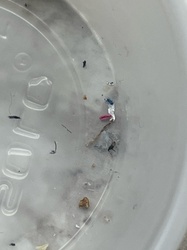
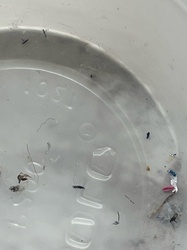
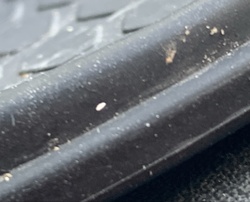
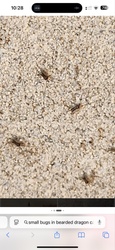
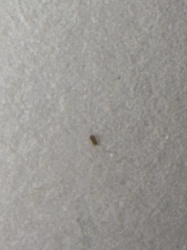
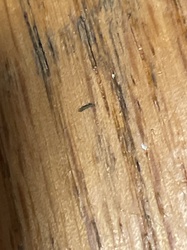
Other bugs you may enjoy
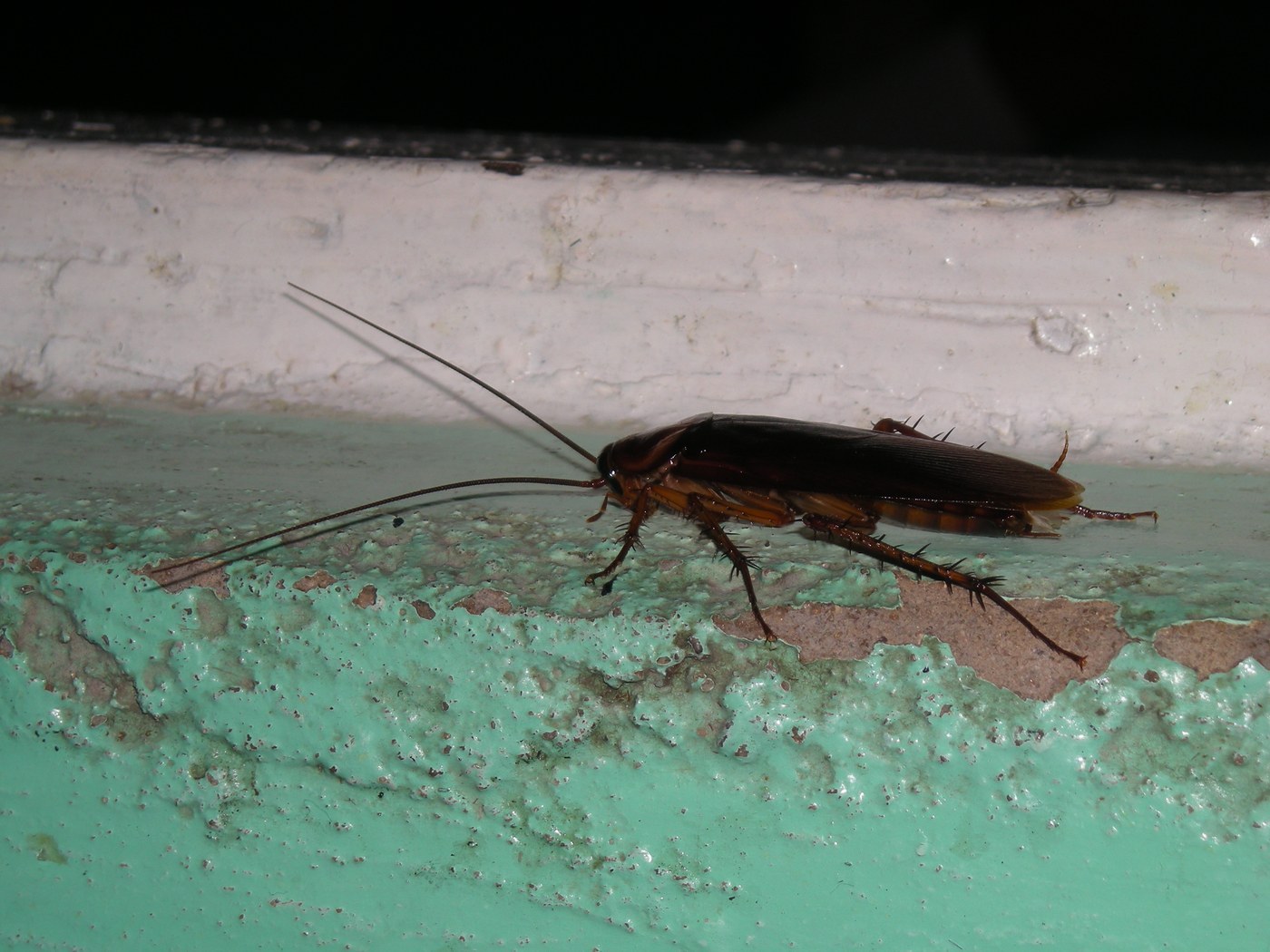
American Cockroach
Warm, humid environments such as basements, sewers, drains, and tropical outdoor settings
Thrips
Flowers, foliage, gardens, greenhouses, crop fields
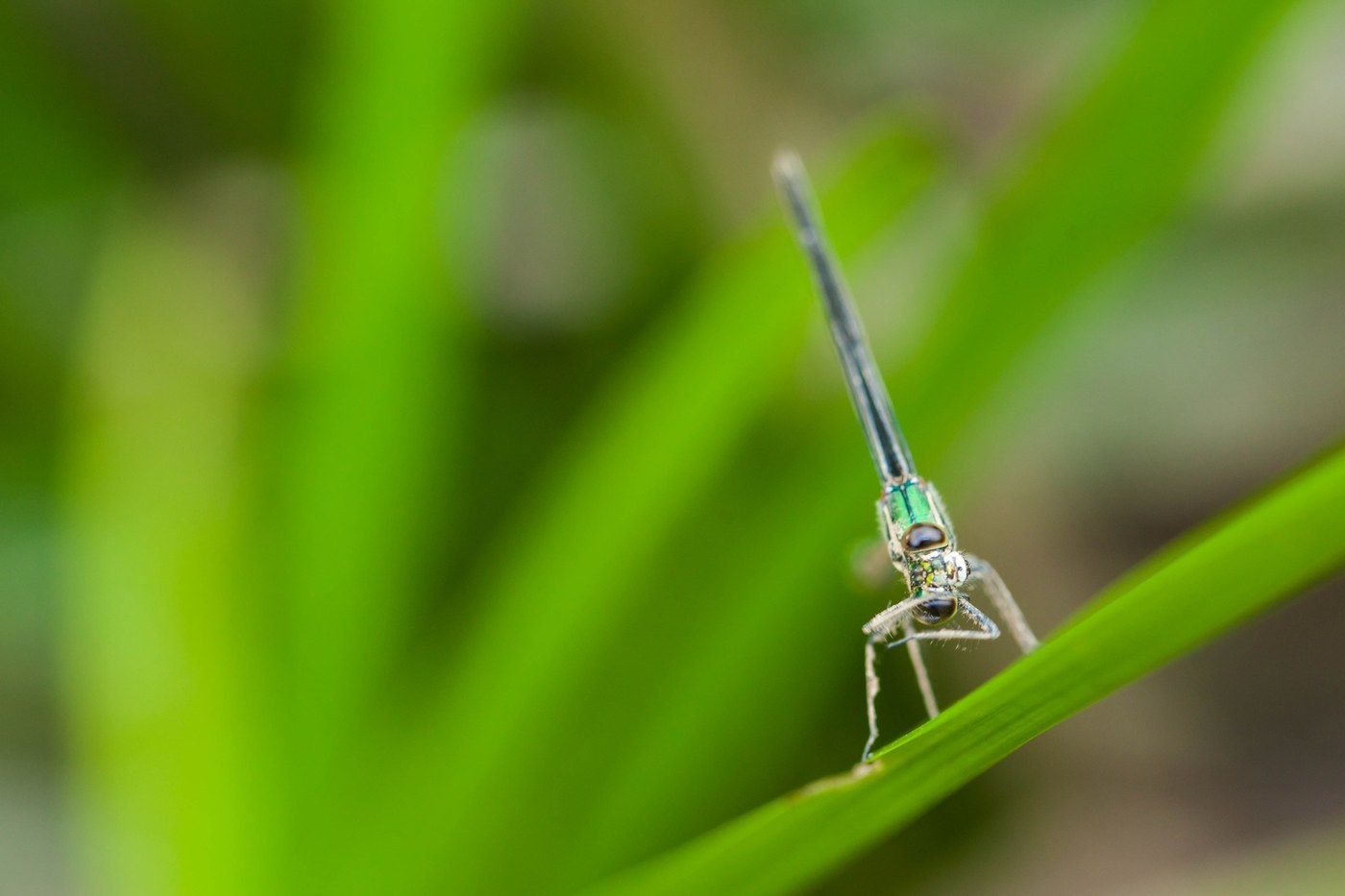
American Rubyspot
Sunny rivers and streams with moderate current
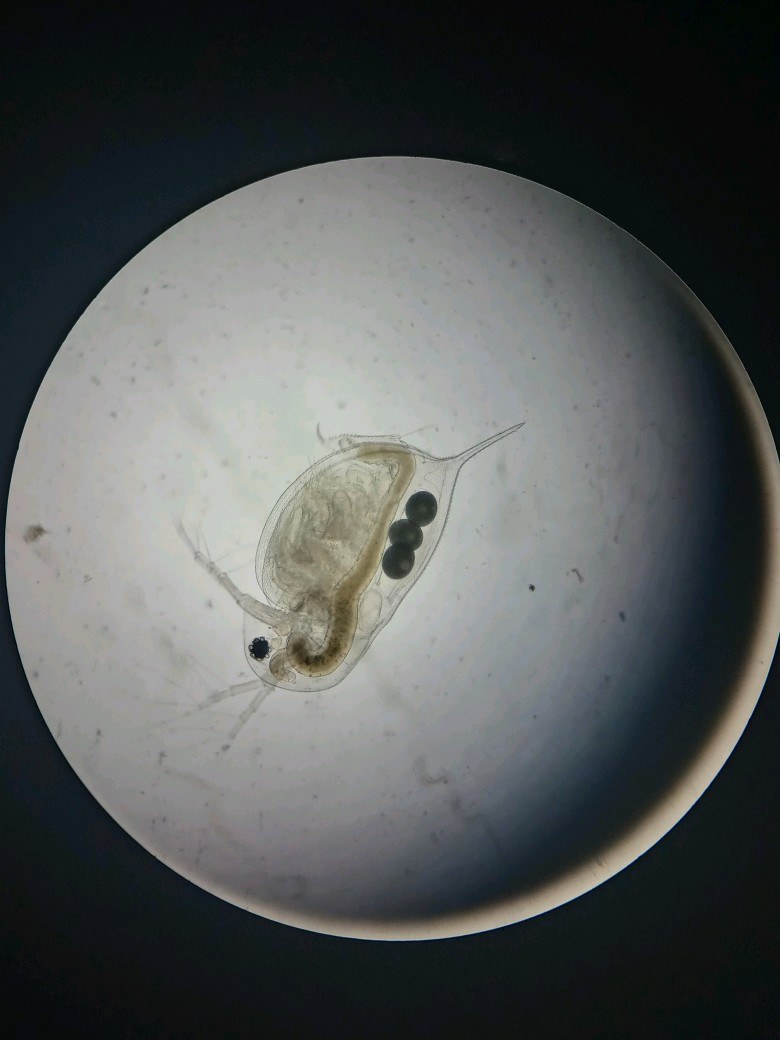
Water Flea
Ponds, lakes, and slow streams as free-floating plankton
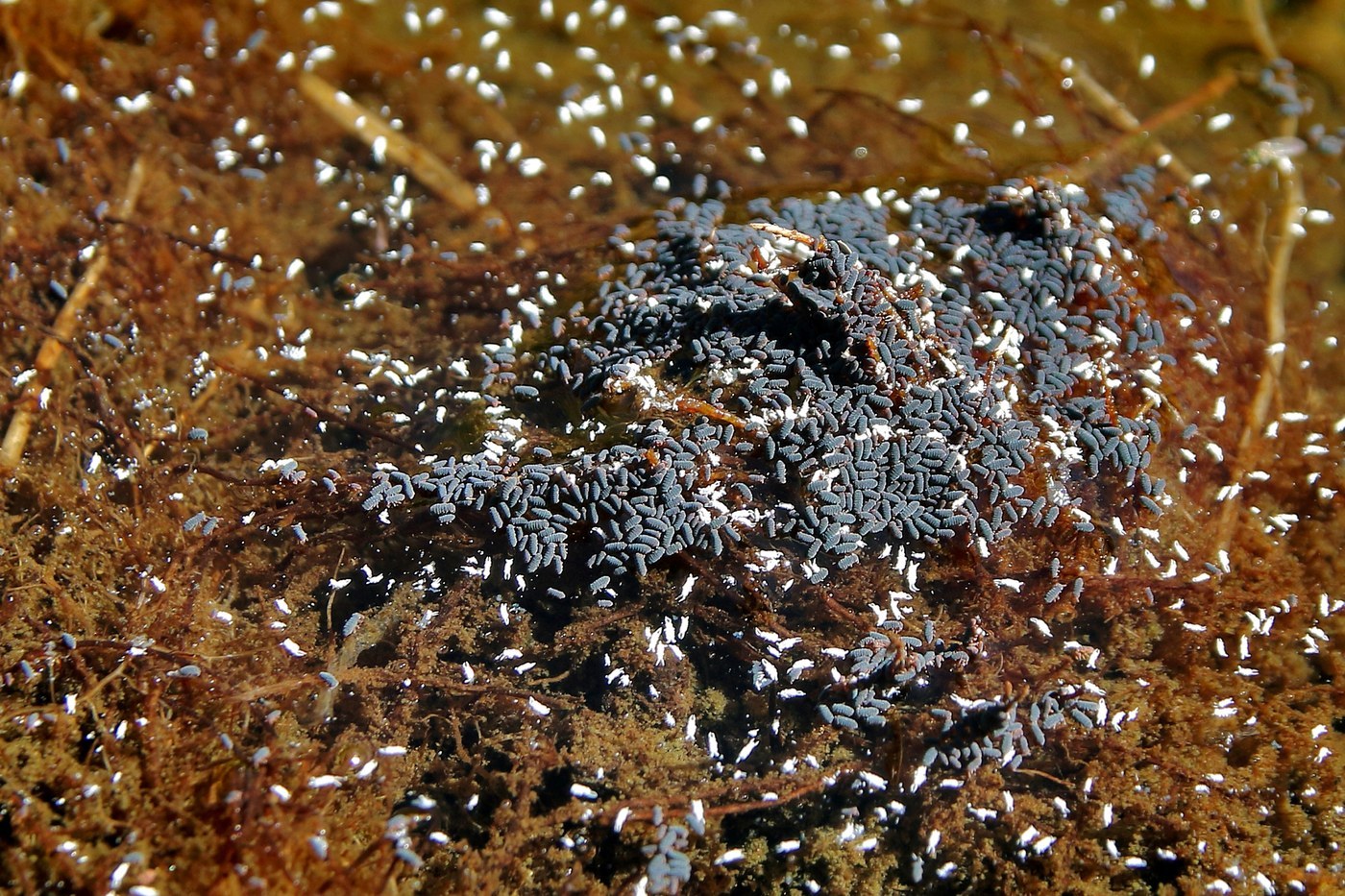
Water Springtail
Surface film of ponds, puddles, and slow ditches
Slug
Gardens, damp soil, leaf litter, greenhouses
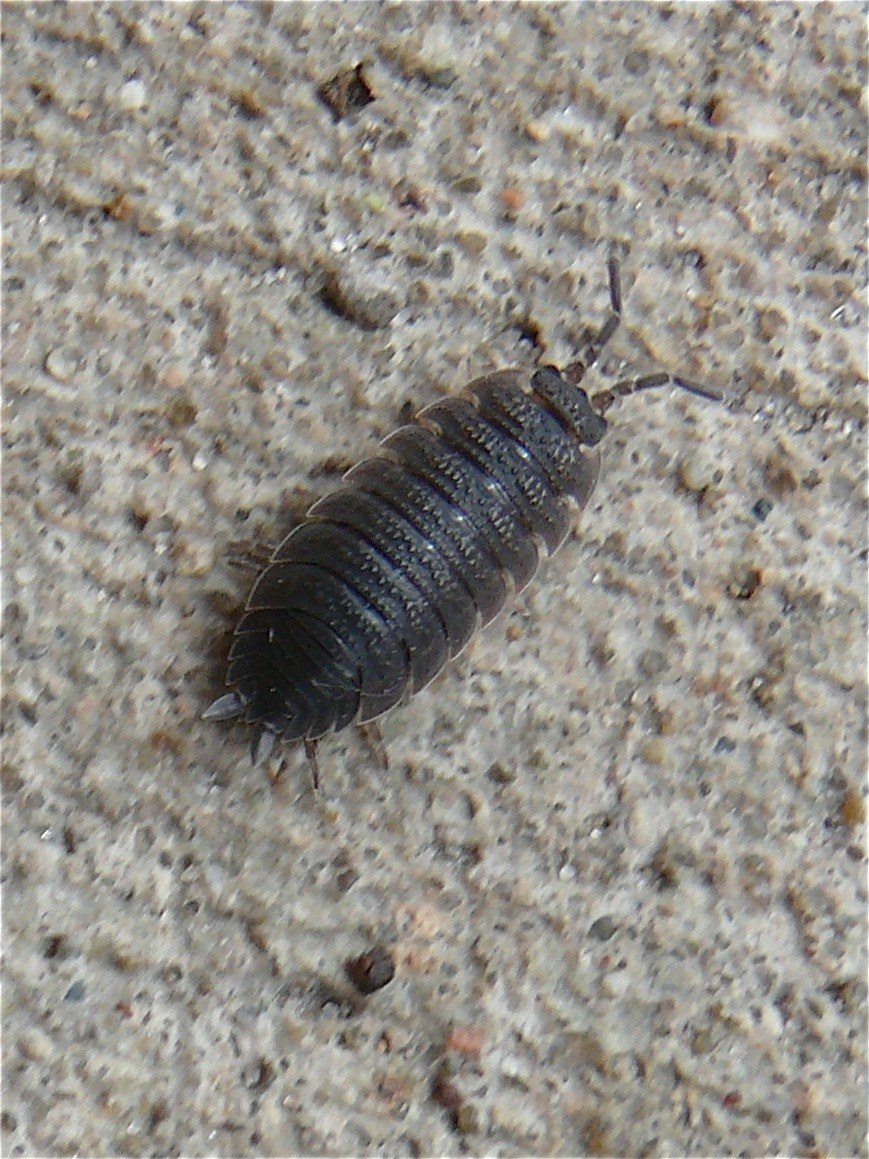
Sowbug
Leaf litter, under rocks/logs, damp garden soil, basements
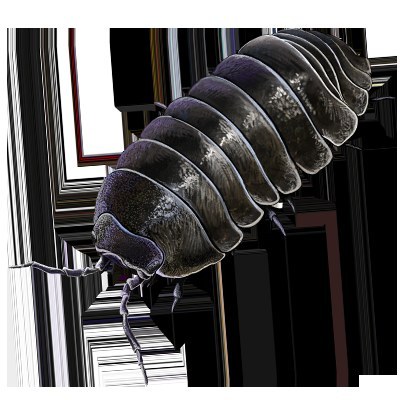
Pill Bug
Damp soil, leaf litter, under rocks and logs, garden beds
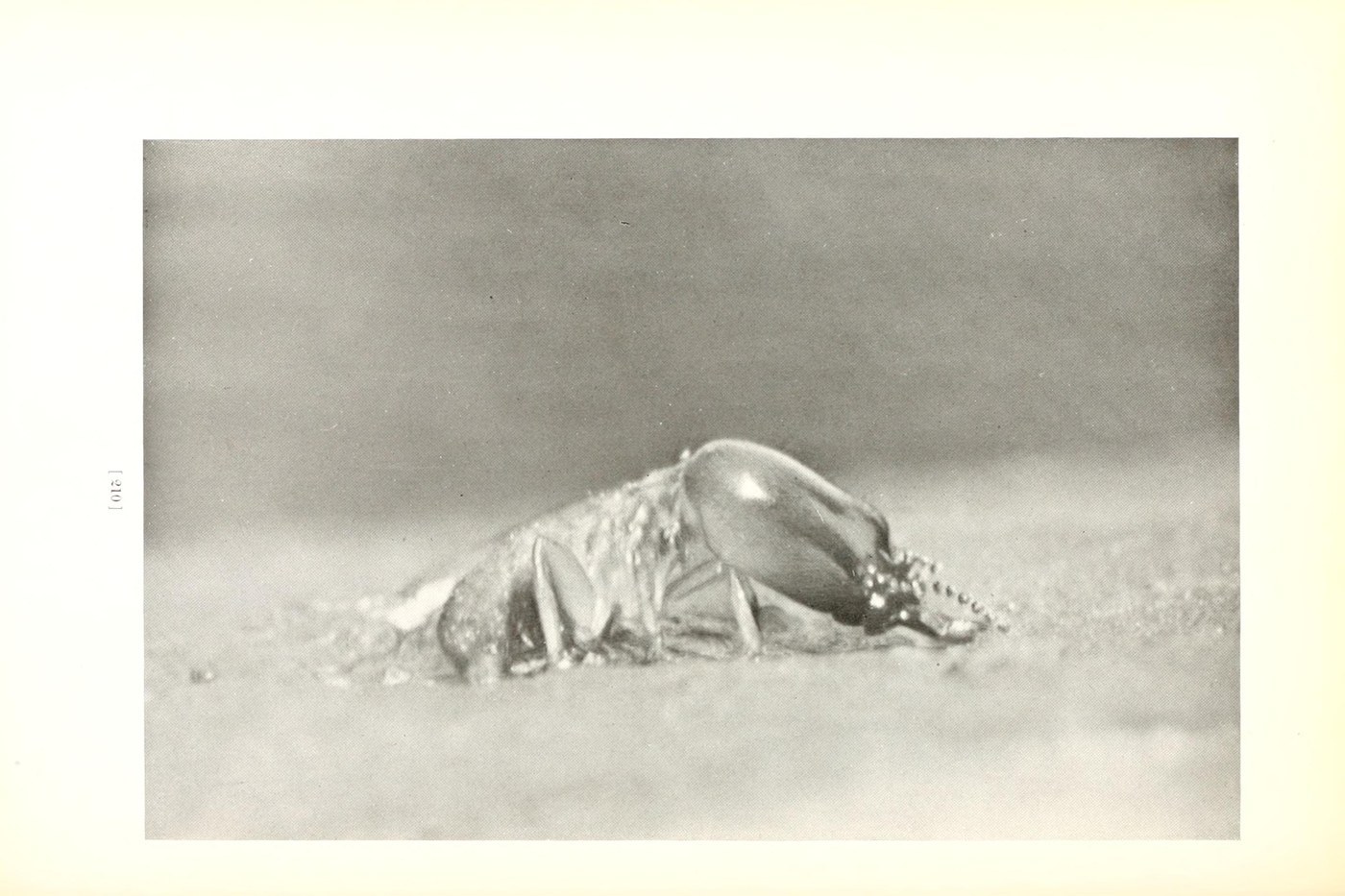
Termite
Soil, decaying wood, tree stumps, and wooden structures
Termite Swarmer
Emerges from underground or wood-nesting colonies, often near structures and moist soil
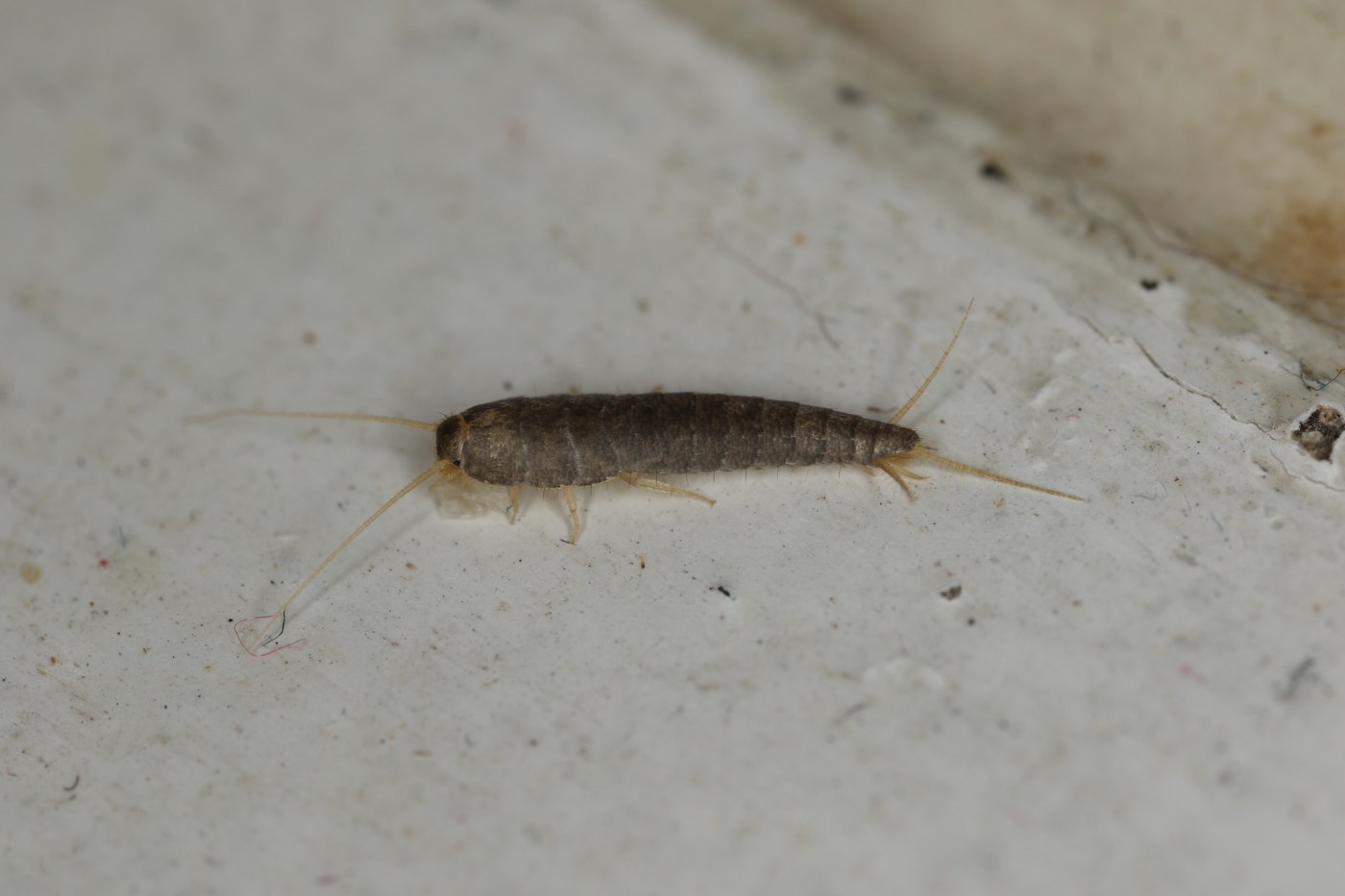
Silverfish
Damp basements, bathrooms, closets, and dark indoor crevices
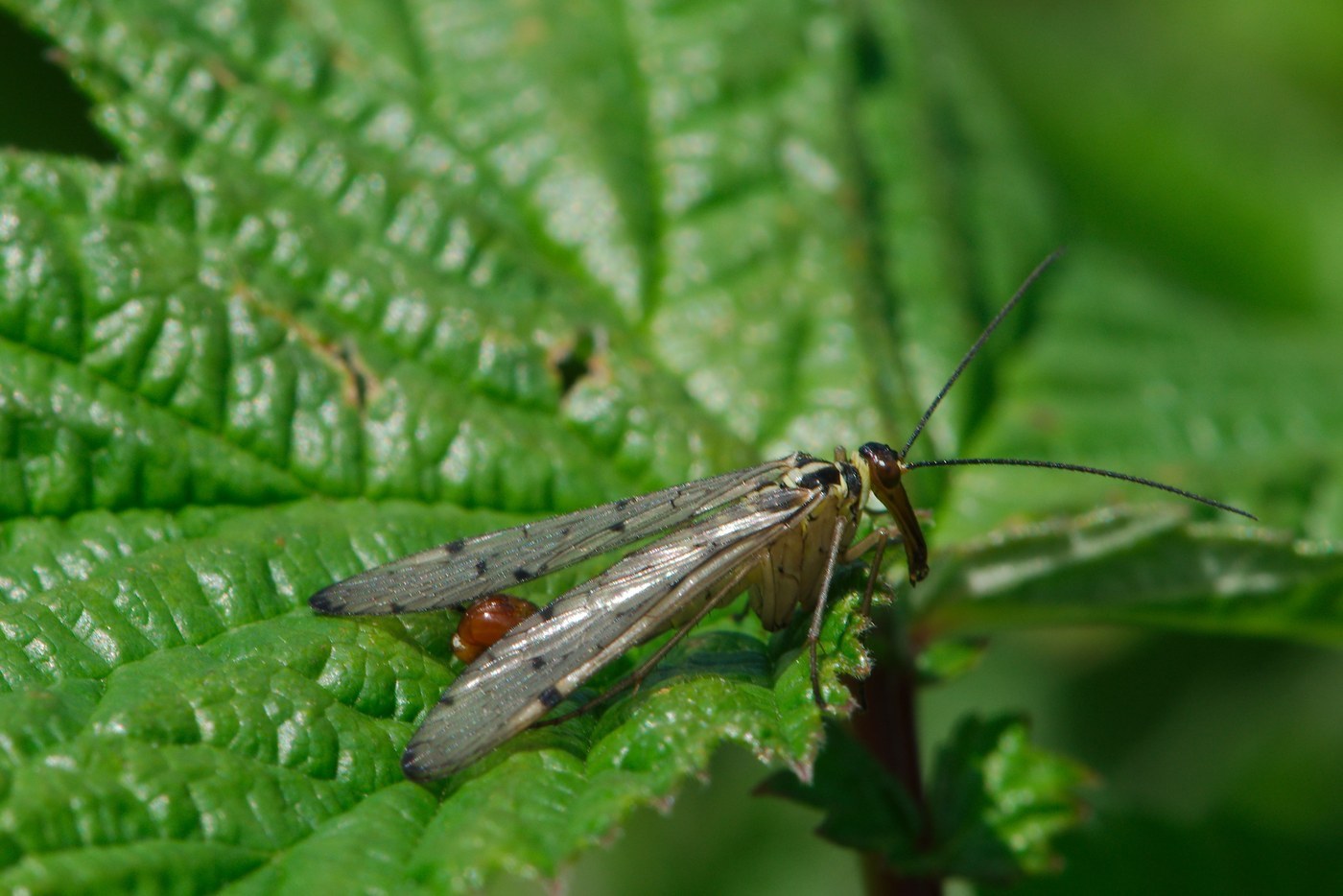
Scorpionfly
Moist woodlands, hedgerows, and shaded undergrowth