
Tailless Whip Scorpion
Amblypygi spp.
A flattened, spider-like arachnid with no stinger and no fangs, instead using a pair of long whip-like sensory legs and grasping spiny arms to feel out and seize prey in total darkness.
- Size
- 2.5-7.5 cm body length, with leg span up to 25 cm in large species
- Habitat
- Tropical and subtropical caves, rainforests, and under bark or rocks
- Danger
- Harmless
Spotted a bug like this?
Identify any bug or insect from a photo, free.
Overview
The tailless whip scorpion, or whip spider, belongs to the arachnid order Amblypygi, a group entirely distinct from true scorpions and true spiders despite superficial resemblance to both. It has a flattened, crab-like body and long, spiny raptorial pedipalps used to grab prey, along with a pair of extremely elongated, whip-like front legs that function as sensory feelers rather than for walking.
Unlike true scorpions, whip scorpions lack a tail and stinger entirely, and unlike spiders, they do not produce silk or possess venom glands connected to fangs. They are harmless, shy creatures that rely on stealth, camouflage, and their long sensory legs to detect prey and navigate their dark surroundings, often moving sideways in a crab-like gait.
Found throughout tropical and subtropical regions worldwide, these nocturnal arachnids are frequently encountered in caves, under loose bark, or beneath rocks and logs in humid forest habitats, where they hunt at night and rest in tight crevices during the day.
How to Identify
- Flattened, oval body typically 2.5 to 7.5 cm long depending on species, colored brown, gray, or nearly black
- No tail or stinger of any kind, distinguishing it clearly from true scorpions
- Front pair of legs are extremely elongated and thread-like, held forward and used as sensory whips rather than for locomotion
- Second pair of appendages (pedipalps) are thick, spiny, and raptorial, used to seize and hold prey like grasping arms
- Eight walking legs move the body in a distinctive sideways, crab-like fashion
- No silk-producing spinnerets, unlike true spiders
Habitat & Range
Tailless whip scorpions are found across tropical and subtropical regions of the Americas, Africa, and Asia, favoring warm, humid environments. Common habitats include caves, tree bark crevices, leaf litter, and the undersides of rocks and logs in rainforests and other moist forested areas.
They are strictly nocturnal, remaining hidden in dark, sheltered retreats during the day and emerging at night to hunt. Their flattened bodies allow them to squeeze into narrow cracks and crevices for daytime shelter.
Behavior & Diet
These arachnids are ambush predators, using their long, sensitive antenna-like front legs to detect the movement and vibrations of passing prey in complete darkness. Once prey such as insects, other small arthropods, or occasionally small vertebrates comes within range, the whip scorpion lashes out with its spiny pedipalps to grasp and hold it before feeding.
Whip scorpions are generally solitary but some species show unusual social tolerance, occasionally sharing shelter sites and, in a few documented species, exhibiting maternal care behaviors. They move deliberately and often sideways, relying on stealth and their extraordinary sensory legs rather than speed to both find food and avoid predators.
Life Cycle
Female whip scorpions lay eggs that are carried in a membranous sac beneath the abdomen until they hatch. After hatching, the pale, soft-bodied young climb onto the mother's back, much like young true scorpions, and remain there through their first molt for protection.
Juveniles then disperse to live independently, undergoing a series of molts as they grow toward adulthood over a period that can span one to several years depending on species and conditions. Adults continue to molt periodically and can live for multiple years in favorable habitats.
Frequently asked questions
Does the tailless whip scorpion sting or bite?
No, it has no tail, stinger, or venomous fangs; it captures prey using its spiny grasping pedipalps rather than any sting or bite mechanism.
What are the long thin front legs used for?
Those elongated, whip-like front legs function as sensory organs, helping the animal feel its way through dark environments and detect nearby prey or obstacles.
Is a whip scorpion the same as a true scorpion or a spider?
No, it belongs to a separate arachnid order, Amblypygi, and lacks both the stinger of true scorpions and the silk-producing spinnerets of true spiders.
Where do tailless whip scorpions typically live?
They are most often found in caves, under bark, and beneath rocks or logs in humid tropical and subtropical forests around the world.
Tailless Whip Scorpion guides
In-depth guides for identifying, understanding, and living alongside Tailless Whip Scorpion.
Other bugs you may enjoy
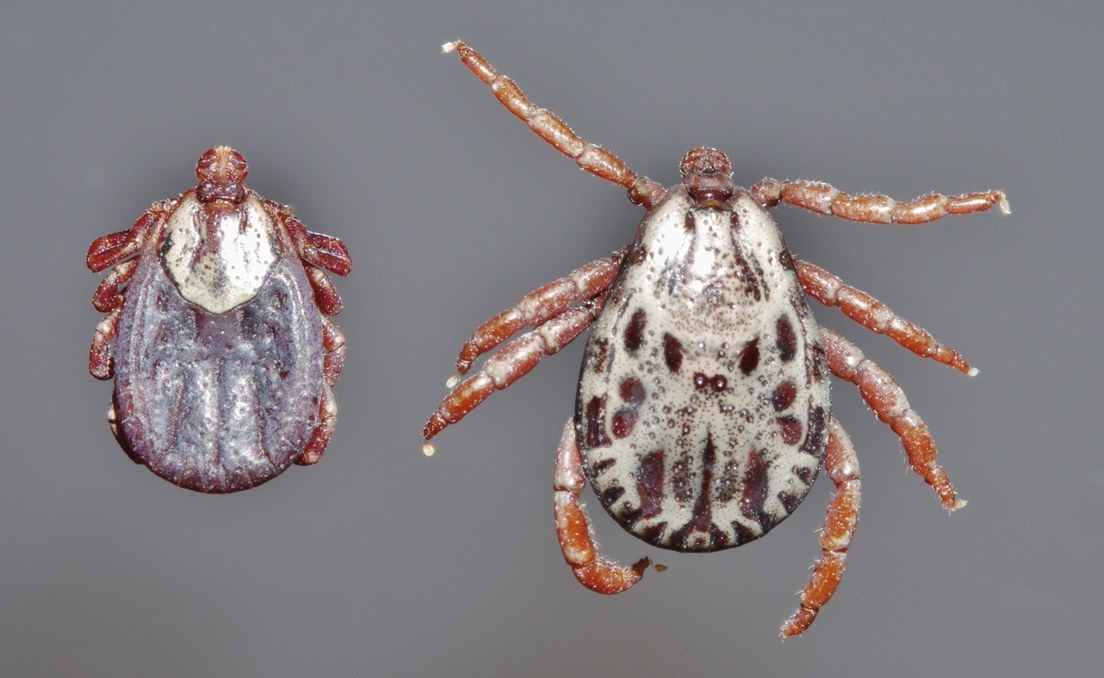
Wood Tick
Grassland, shrub-steppe, and open woodland of western North America
Yellow Scorpion
Arid scrubland, rocky slopes, and desert margins
Whip Spider
Tropical caves, rainforest leaf litter, and under bark
Water Mite
Ponds, lakes, streams, and other freshwater bodies
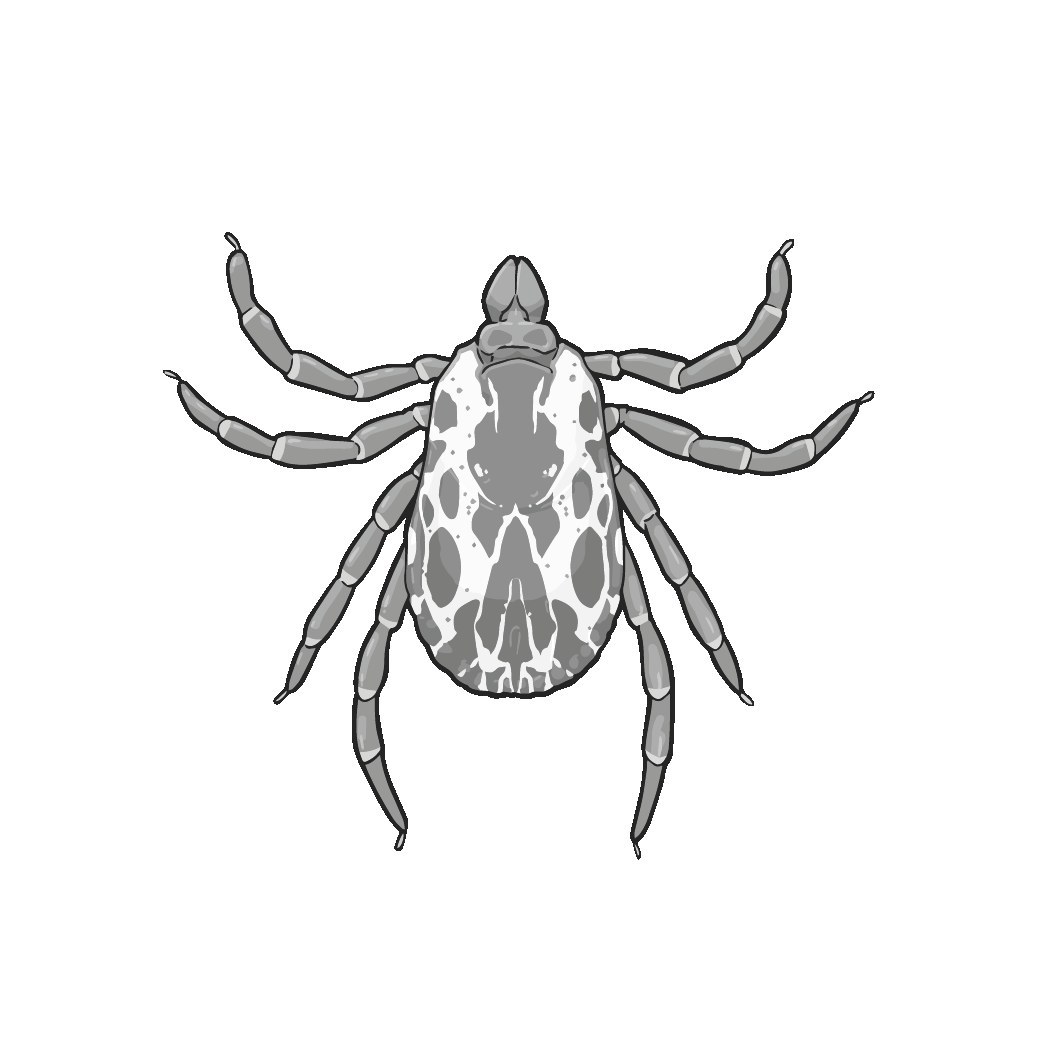
American Dog Tick
Grassy fields, trails, and low vegetation near woodlands
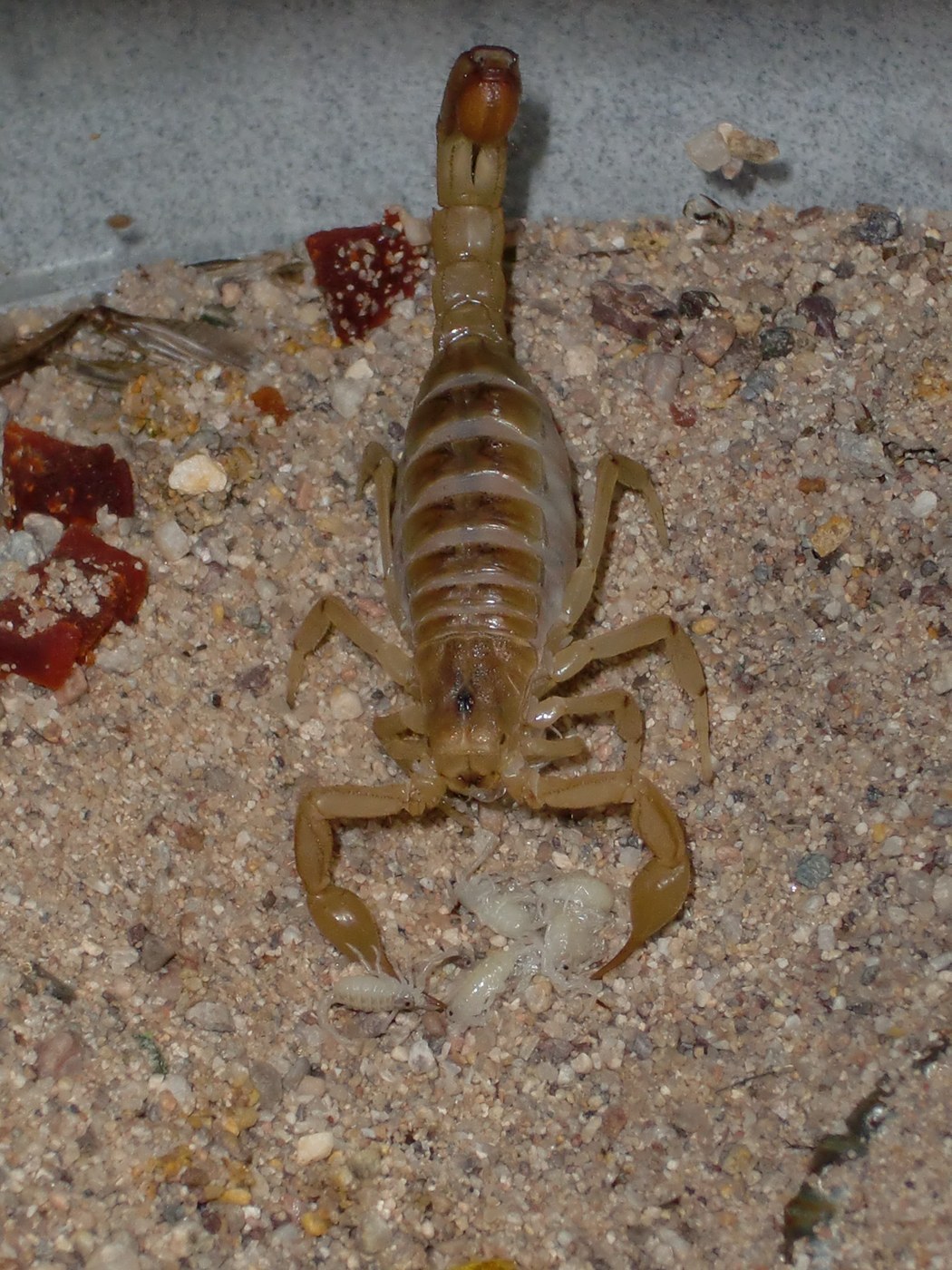
Arizona Bark Scorpion
Rocky desert terrain, tree bark, and structures in the Southwest
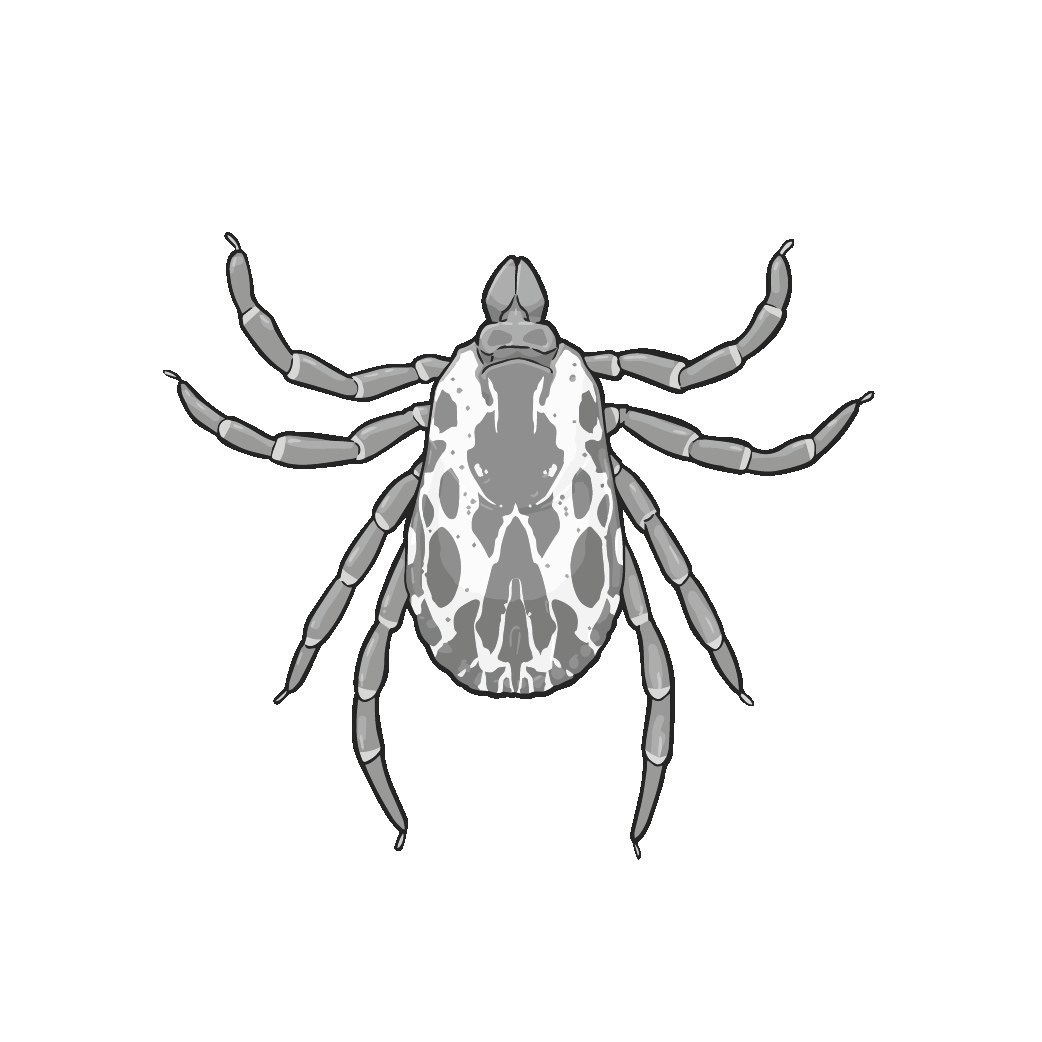
Tick
Tall grass, brush, woodland edges, and animal trails
Soil Mite
Soil, leaf litter, moss, and decaying organic matter worldwide
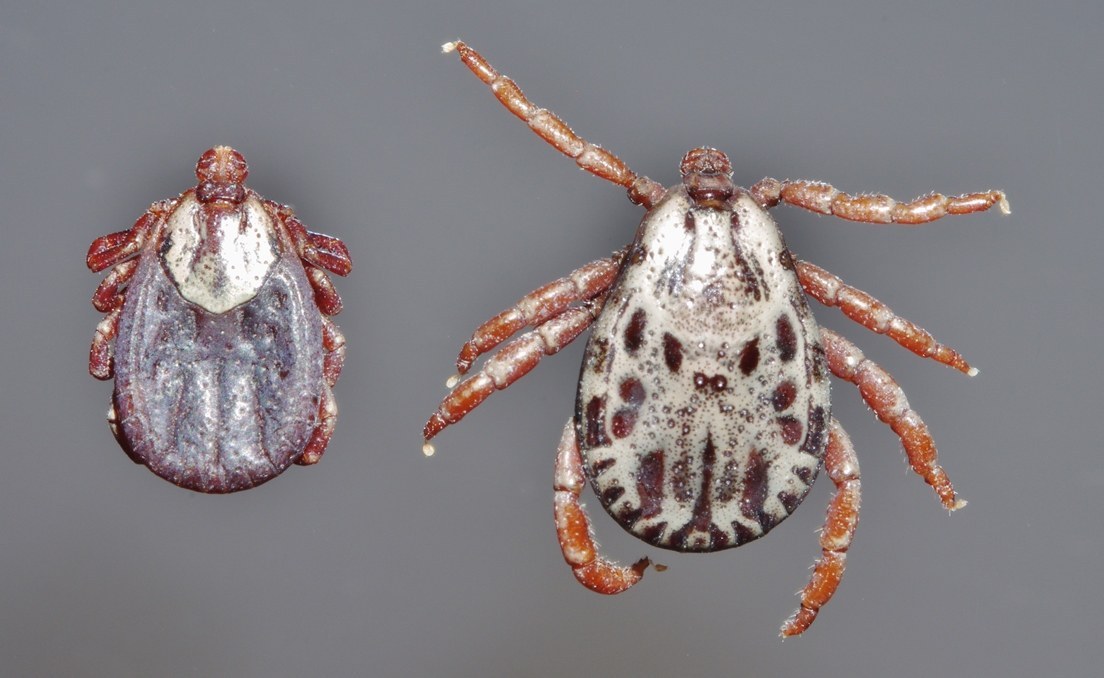
Rocky Mountain Wood Tick
Sagebrush shrublands, grasslands, and montane forest edges
Two-Spotted Spider Mite
Undersides of leaves on garden plants, crops, and houseplants
Spider Mite
Undersides of leaves on garden plants, houseplants, and field and orchard crops worldwide
Whip Scorpion
Tropical and subtropical caves, tree bark, and rock crevices worldwide