
Bug Encyclopedia
Search and identify bugs & insects — beetles, butterflies, moths, ants, bees, spiders and more — with size, habitat, danger, behavior, and how to tell them apart.
Whip Scorpion
A flattened, spider-like arachnid with a pair of extraordinarily long, whip-thin front legs used to feel out its surroundings in the dark, and large spiny pedipalps held out front like a crab's claws. Despite the name and fearsome appearance, it has no stinger and no fangs.
arachnid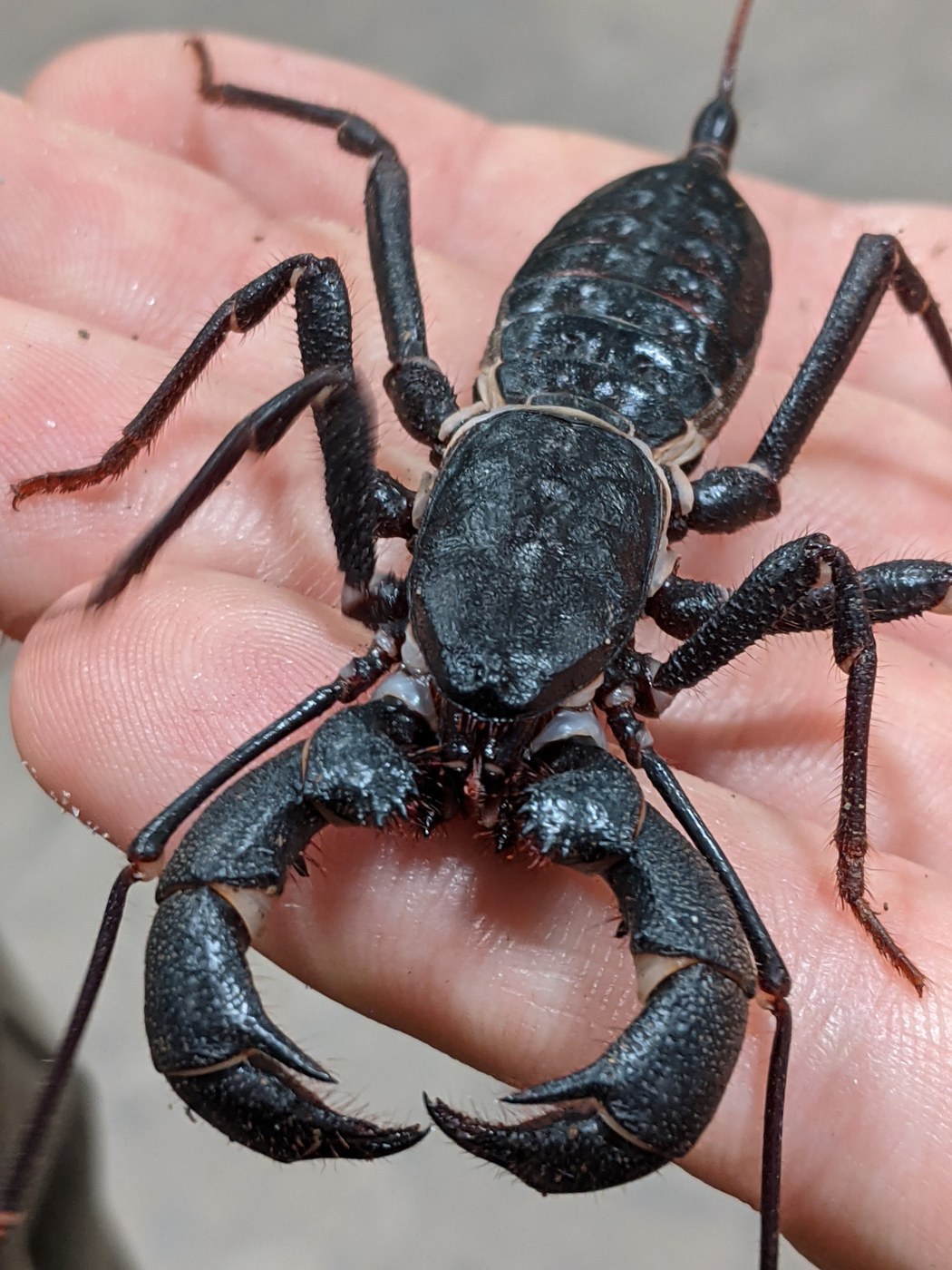
Vinegaroon
A robust, dark, scorpion-like arachnid whose long, thin whip for a tail gives it its name, and whose signature defense is spraying a concentrated mist of vinegar-scented fluid rather than stinging. Despite its intimidating look, it has no venom at all.
arachnid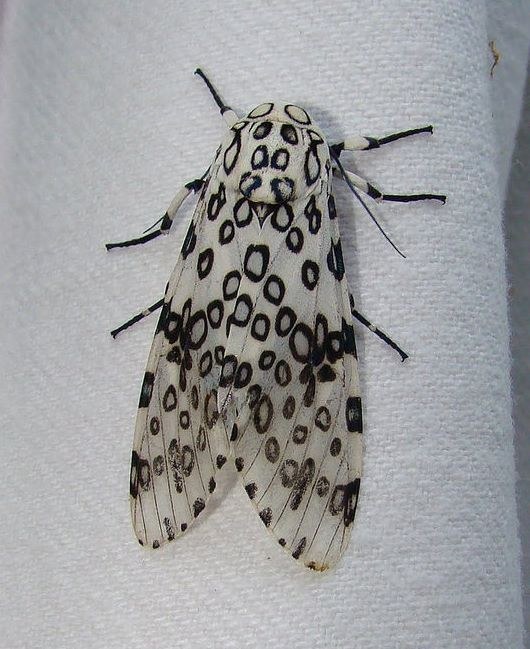
Giant Leopard Moth
A striking white moth patterned with bold, hollow black rings and dots resembling leopard spots, revealing an iridescent blue-black abdomen marked with orange when its wings part, making it one of the most eye-catching tiger moths in North America.
moth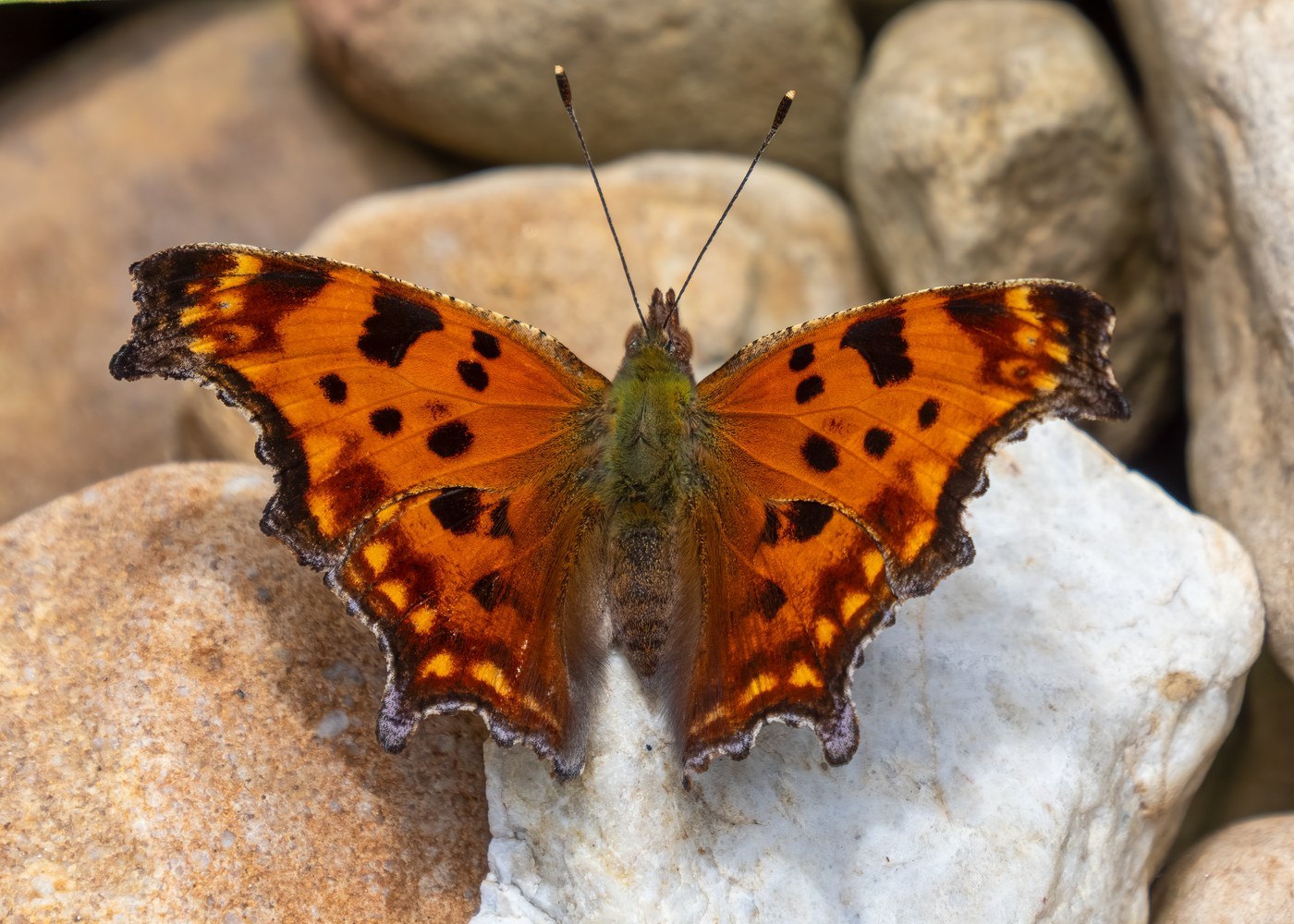
Eastern Comma
A ragged-edged orange-and-brown woodland butterfly named for the small, silvery comma-shaped mark on the underside of its hindwing, with a cryptic dead-leaf pattern that camouflages it perfectly when its wings are closed.
butterflyRed Velvet Mite
A plump, brilliant red mite covered in a dense coat of short velvety hairs, often seen emerging onto the soil surface in numbers right after a heavy rain. Its vivid color and unusual size for a mite make it one of the more eye-catching arachnids most people will ever encounter.
arachnidScabies Mite
A microscopic, eyeless mite that spends its entire life cycle burrowed within the outer layer of a mammal's skin, among the smallest arachnids known to science. Unlike free-living mites, it has no independent existence away from a host and is studied primarily through microscopic examination rather than direct observation.
arachnidMarsh Fly
A slender, unassuming fly best known for larvae with a remarkable diet: nearly every species in the family feeds on aquatic or terrestrial snails and slugs, making marsh flies natural specialists in wetland food webs. Adults are often found resting quietly on sedges and other marsh vegetation near the water's edge.
fly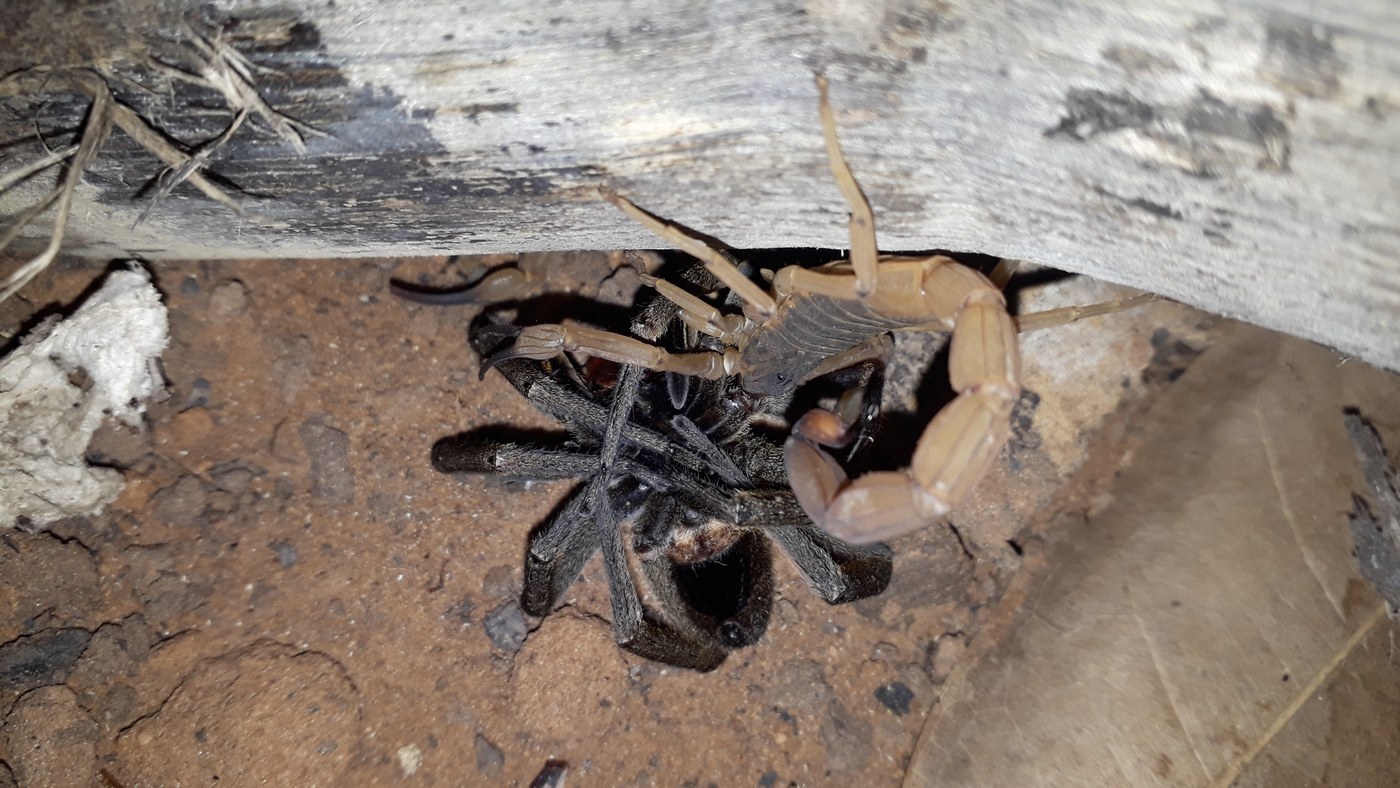
Brazilian Wandering Spider
A fast, ground-dwelling hunter of the South American rainforest floor, the Brazilian wandering spider builds no web at all, instead actively roaming at night in search of prey and occasionally turning up in shipments of bananas, which earned it a widely known nickname.
spiderWarble Fly
A furry, bee-mimicking fly that never lands on flowers or feeds as an adult, spending its brief life darting around grazing cattle to lay eggs on their legs and lower body. Herds sometimes react with sudden panicked runs, known as gadding, whenever a warble fly approaches.
fly