
Marsh Fly
Sciomyzidae spp.
A slender, unassuming fly best known for larvae with a remarkable diet: nearly every species in the family feeds on aquatic or terrestrial snails and slugs, making marsh flies natural specialists in wetland food webs. Adults are often found resting quietly on sedges and other marsh vegetation near the water's edge.
- Size
- 4–10 mm, slender and yellow-brown
- Habitat
- Wetlands, marshes, pond edges, and other damp habitats worldwide
- Danger
- Harmless
Spotted a bug like this?
Identify any bug or insect from a photo, free.
Overview
Marsh flies, also called snail-killing flies, make up the family Sciomyzidae, a group of small to medium slender flies whose larvae are almost universally predators or parasites of snails and, less commonly, slugs and fingernail clams. This dietary specialization is unusual among flies and has made the family a subject of considerable interest to entomologists studying biological interactions between insects and mollusks.
Adults are typically yellow-brown to gray, with a slender body and moderately long legs, and are most often found resting on sedges, grasses, and other vegetation in and around marshes, ponds, ditches, and other wetland habitats where their molluscan prey is abundant. Larvae of different species specialize on aquatic snails, amphibious snails found in wet soil, or fully terrestrial land snails and slugs, depending on the species and habitat.
Because snails serve as intermediate hosts for various parasites of importance to wildlife health, sciomyzid flies have occasionally been studied for their potential role in naturally regulating snail populations within wetland ecosystems.
How to Identify
- Slender fly, typically 4–10 mm long, colored yellow-brown, tan, or gray, sometimes with darker wing markings
- Legs are moderately long and slender relative to body size
- Wings are often patterned with faint spots or streaks in many species, though some are plain and clear
- Found characteristically resting on marsh vegetation such as sedges and grasses rather than in open flight
- Distinguished from similar small flies mainly by association with wetland habitat and, upon close examination, by structural details of the wing venation used by specialists
Habitat & Range
Marsh flies are found worldwide in wetland habitats including marshes, bogs, pond and lake margins, slow streams, and wet meadows, wherever aquatic, amphibious, or terrestrial snails are present to support larval development. Adults are typically seen resting on emergent vegetation near standing or slow-moving water, and activity is highest during the warmer months when both adult flies and their snail prey are most active.
Behavior & Diet
Adult marsh flies feed on nectar, pollen, and other plant fluids, spending much of their time resting quietly on marsh vegetation rather than in constant flight. Females seek out habitats with suitable snail populations to lay eggs, and depending on the species, larvae may actively hunt and kill multiple snails during development, parasitize a single snail internally, or feed on snail eggs. This snail-focused diet gives the family an important ecological role in regulating mollusk populations within wetland and damp terrestrial ecosystems, a function of particular interest given the role some snails play as hosts for other parasites in the wild.
Life Cycle
Eggs are laid on vegetation near water or moist soil, or in some species directly on or near snail shells, and hatch into larvae adapted to an aquatic, amphibious, or terrestrial existence depending on the species. Larvae locate and attack snails, either killing and consuming several individuals as predators or developing as internal parasites of a single host, before pupating either in the water, in damp soil, or within the remains of a snail shell. Adults emerge after a pupal period of one to several weeks, and multiple generations can occur during a single warm season in many regions.
Frequently asked questions
What makes marsh flies unusual among flies?
Nearly all species in the family develop as predators or parasites of snails and occasionally slugs, a highly specialized diet that is uncommon among fly larvae.
Where are marsh flies typically found?
They occur in wetland habitats worldwide, including marshes, pond edges, and wet meadows, wherever snail populations are present to support the larvae.
Do adult marsh flies eat snails too?
No, only the larvae feed on snails; adults feed on nectar, pollen, and other plant fluids.
Are marsh flies considered helpful in wetland ecosystems?
Yes, their snail-focused larval diet gives them a role in naturally regulating mollusk populations within the wetland food web.
Marsh Fly guides
In-depth guides for identifying, understanding, and living alongside Marsh Fly.
Other bugs you may enjoy
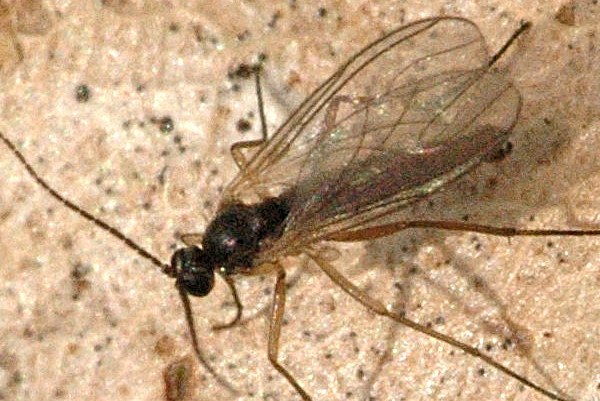
Aphid Midge
Gardens, greenhouses, and crops with aphids
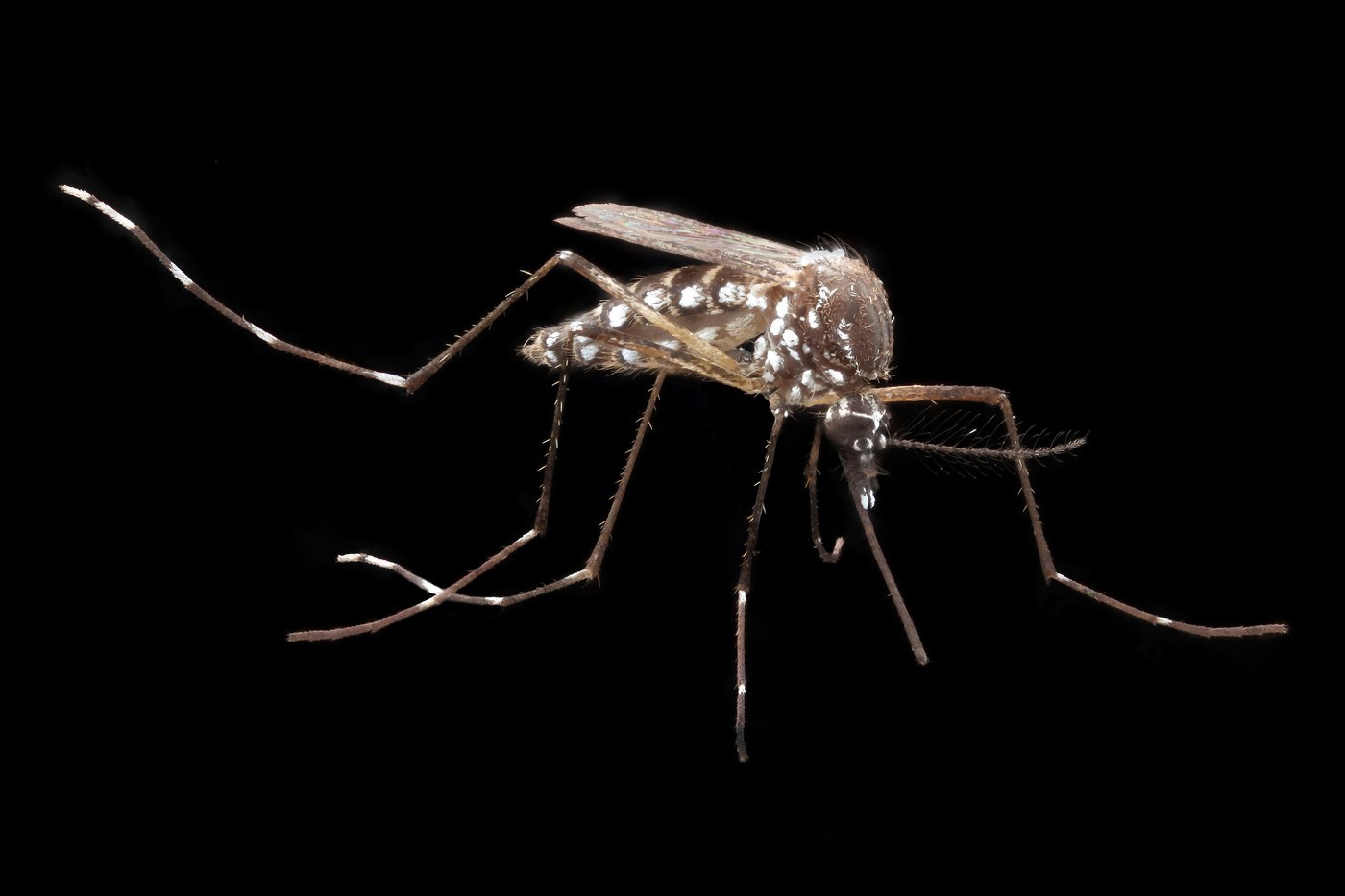
Yellow Fever Mosquito
Urban and peri-urban areas near small artificial water containers in tropical and subtropical regions worldwide
Root Maggot
Garden and field soil around the roots of cole crops and other vegetables
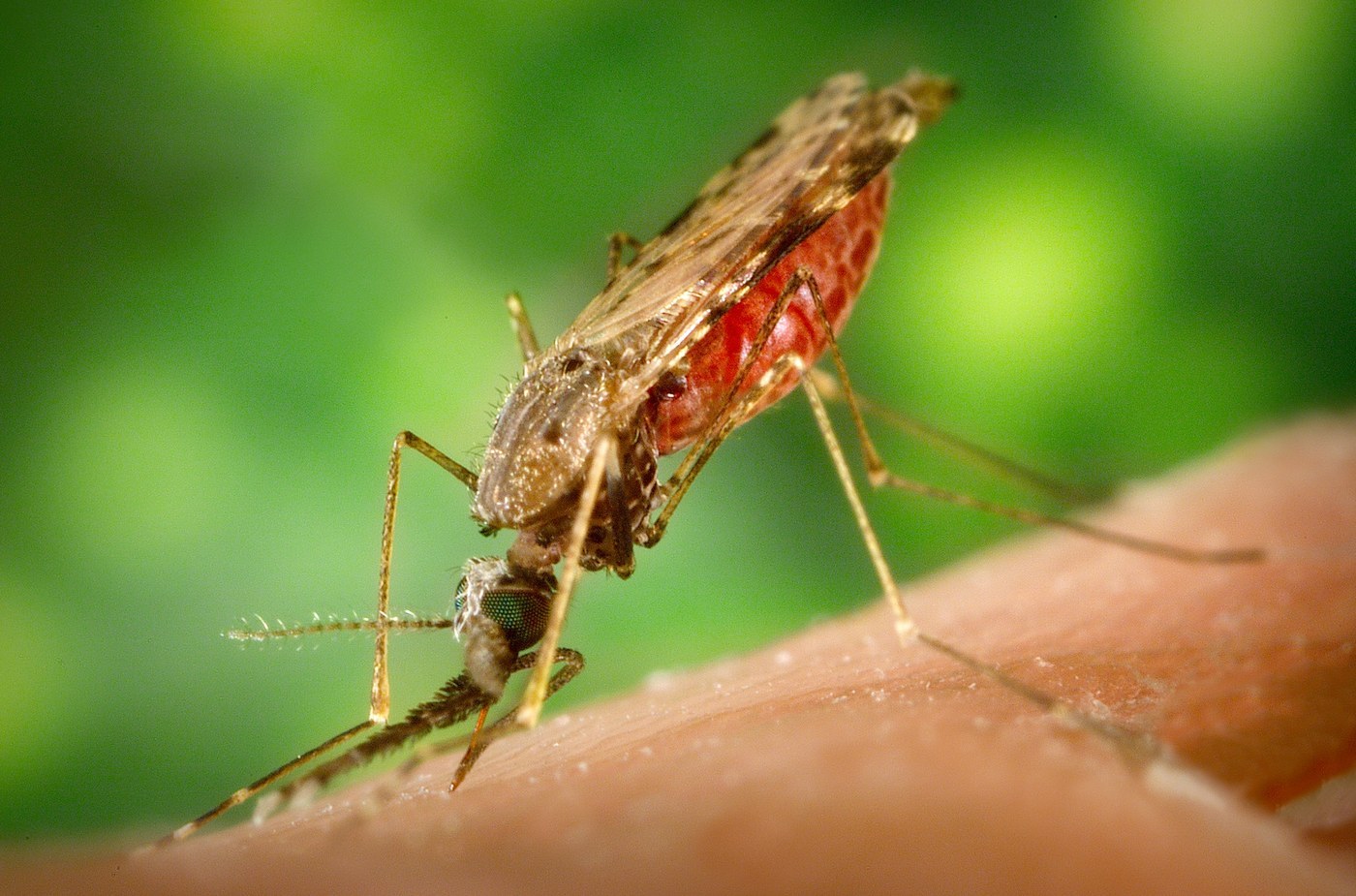
Anopheles Mosquito
Clean, still or slow-moving freshwater habitats such as marshes, ponds, and rice paddies
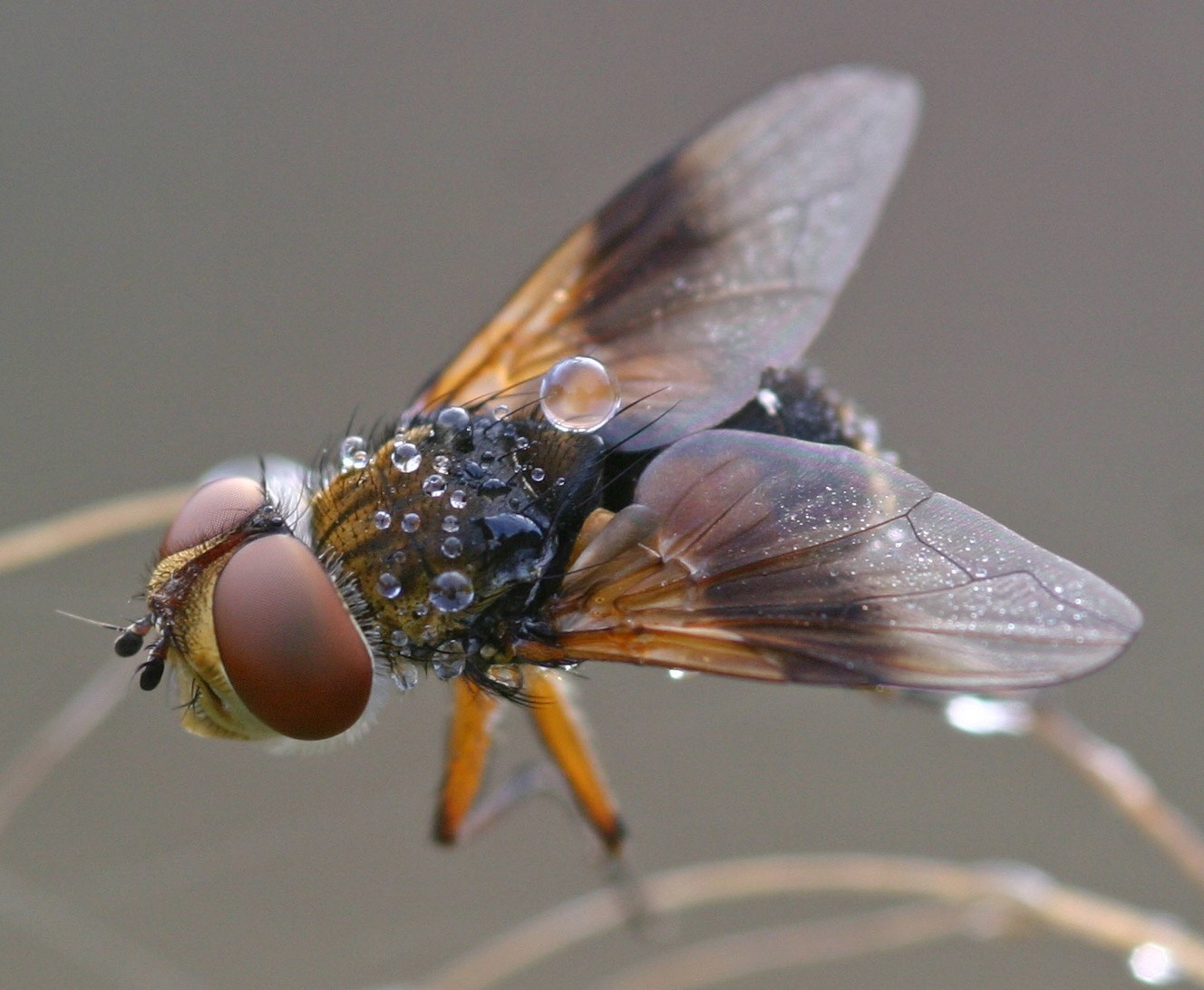
Tachinid Fly
Gardens, meadows, and woodlands wherever host caterpillars and other insects occur
Asian Tiger Mosquito
Shaded urban and suburban areas near small water-holding containers, tires, and tree holes; native to Southeast Asia, now widespread
Tsetse Fly
Wooded savanna, riverine thickets, and forest edges across sub-Saharan Africa
Vinegar Fly
Around overripe fruit, compost, and fermenting materials worldwide
Yellow Dung Fly
Pastures and fields with fresh cattle dung
Screwworm Fly
Warm, humid lowlands of the Americas, especially near livestock and wildlife wounds
Soldier Fly
Wetland margins, decaying organic matter, and vegetation near water
Punkie
near marshes, mudflats, ponds, and other standing water