
Warble Fly
Hypoderma spp.
A furry, bee-mimicking fly that never lands on flowers or feeds as an adult, spending its brief life darting around grazing cattle to lay eggs on their legs and lower body. Herds sometimes react with sudden panicked runs, known as gadding, whenever a warble fly approaches.
- Size
- 13–15 mm, densely furred and bee-like
- Habitat
- Pastures and rangeland wherever cattle and other large grazing mammals occur
- Danger
- Nuisance pest
Spotted a bug like this?
Identify any bug or insect from a photo, free.
Overview
Warble flies belong to the genus Hypoderma, a small group of large, densely hairy flies that closely resemble bumblebees, an example of convergent mimicry shared with several other bot fly relatives. The two most familiar species, the common cattle grub (Hypoderma lineatum) and the northern cattle grub (Hypoderma bovis), are found across much of the Northern Hemisphere wherever cattle graze, and related species use deer and other ungulates as hosts.
Adult warble flies are non-feeding and short-lived, existing solely to mate and lay eggs on the legs, flanks, or belly hair of a host animal. Because the buzzing approach of a female fly can trigger a strong avoidance response in cattle, warble flies have long been of practical interest to ranchers, and their behavior around herds has been studied extensively.
Ecologically, Hypoderma species function as specialized parasites of large grazing mammals, with larvae migrating extensively through host tissue before settling under the skin of the back, a distinctive life history among bot flies.
How to Identify
- Large, densely hairy fly roughly 13–15 mm long, patterned in bands of yellow, orange, and black that closely mimic a bumblebee
- Wings are clear and folded flat over the abdomen at rest
- Head is small with vestigial, non-functional mouthparts
- Flight is fast, low, and often directed straight at the legs of grazing livestock
- Distinguished from true bumblebees by having only two wings and large fly-type compound eyes rather than four wings and a narrower bee waist
Habitat & Range
Warble flies are found in open pastures, rangeland, and grazing areas across temperate regions of the Northern Hemisphere, closely tracking the distribution of cattle and, for related species, wild deer. Adults are active on warm days during the summer months when they seek out hosts, while the parasitic larval stage occurs within host tissue through the cooler months, effectively sheltering the insect from winter conditions outside the host.
Behavior & Diet
Adult warble flies do not feed and devote their short lives entirely to finding mates and hosts, approaching cattle at speed to deposit eggs on leg or body hair. The buzzing sound and rapid approach of an egg-laying female often triggers grazing animals to bolt or run in alarm, a well-documented herd behavior linked directly to this fly. Once hatched, larvae burrow into the host and migrate internally for months before settling beneath the skin of the back, where each forms a breathing hole; this extended internal migration is unusual even among bot flies and reflects a long coevolutionary history with cattle and wild ungulates.
Life Cycle
Eggs are glued in rows to leg or belly hairs and hatch within about a week, after which tiny larvae burrow through the skin and begin a lengthy internal migration through host connective tissue, a journey that can take several months and often follows nerve or tissue pathways toward the animal's back. Once positioned under the skin along the back, each larva cuts a breathing pore and grows for several more weeks before emerging, dropping to the ground, and pupating in soil or leaf litter. Adults emerge from the pupa after several weeks, typically timed to coincide with warm summer conditions, completing one generation per year in most temperate populations.
Frequently asked questions
Why do cattle sometimes run wildly for no obvious reason?
This behavior, called gadding, is a well-known reaction to the buzzing approach of an egg-laying warble fly rather than any predator threat.
Do adult warble flies bite cattle?
No, adults have non-functional mouthparts and never feed; only the larval stage interacts closely with host tissue.
How long do warble fly larvae stay inside a host?
The larval stage, including an extended internal migration, can last several months before the larva finally settles under the skin of the back and completes development.
Are warble flies found outside of cattle country?
Related Hypoderma species also parasitize wild deer and other ungulates, so the genus occurs wherever suitable large grazing mammal hosts are present.
Warble Fly guides
In-depth guides for identifying, understanding, and living alongside Warble Fly.
Other bugs you may enjoy
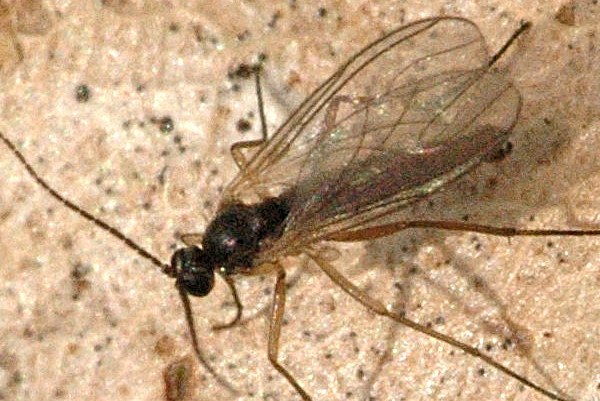
Aphid Midge
Gardens, greenhouses, and crops with aphids
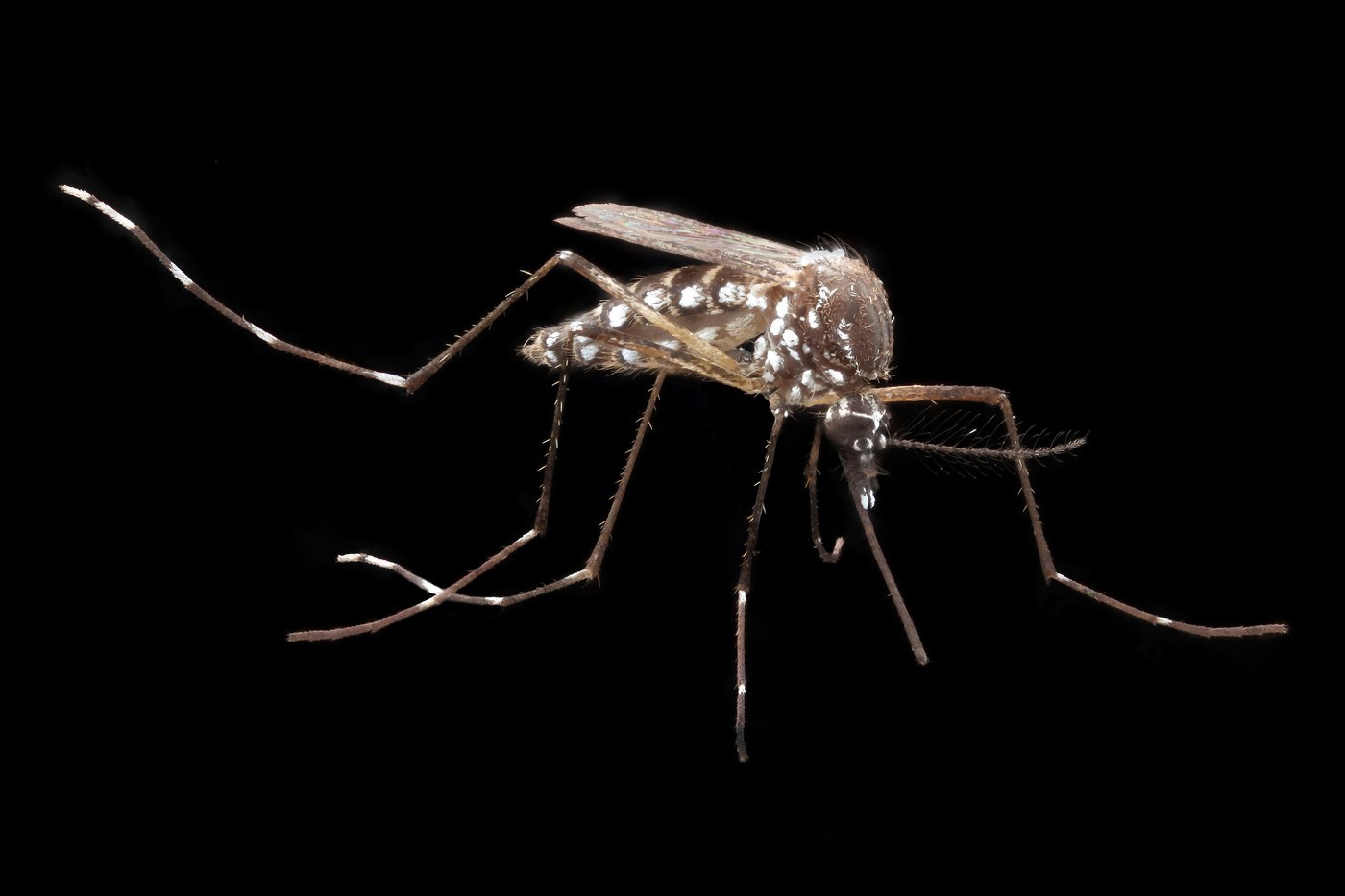
Yellow Fever Mosquito
Urban and peri-urban areas near small artificial water containers in tropical and subtropical regions worldwide
Root Maggot
Garden and field soil around the roots of cole crops and other vegetables
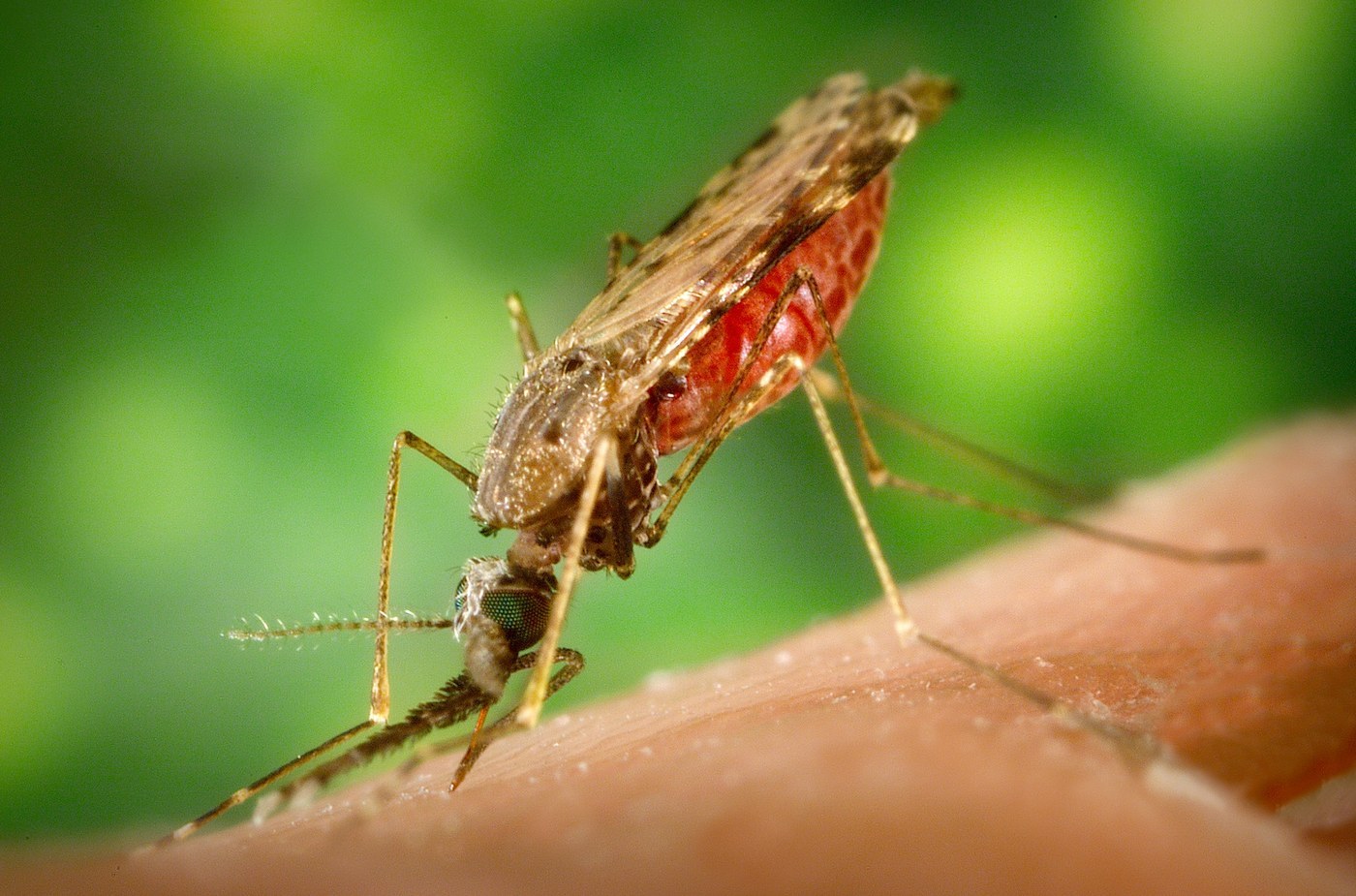
Anopheles Mosquito
Clean, still or slow-moving freshwater habitats such as marshes, ponds, and rice paddies
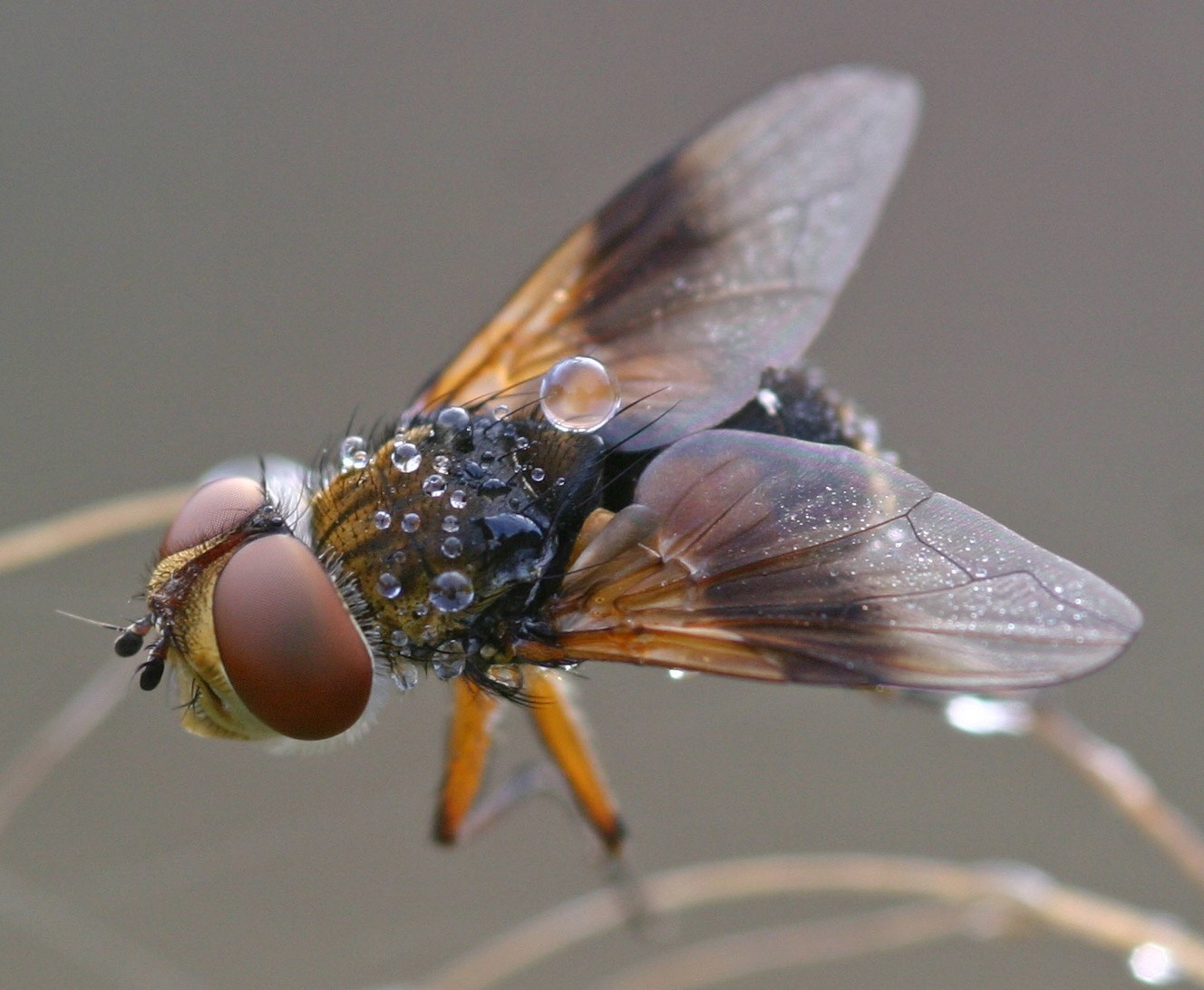
Tachinid Fly
Gardens, meadows, and woodlands wherever host caterpillars and other insects occur
Asian Tiger Mosquito
Shaded urban and suburban areas near small water-holding containers, tires, and tree holes; native to Southeast Asia, now widespread
Tsetse Fly
Wooded savanna, riverine thickets, and forest edges across sub-Saharan Africa
Vinegar Fly
Around overripe fruit, compost, and fermenting materials worldwide
Yellow Dung Fly
Pastures and fields with fresh cattle dung
Screwworm Fly
Warm, humid lowlands of the Americas, especially near livestock and wildlife wounds
Soldier Fly
Wetland margins, decaying organic matter, and vegetation near water
Punkie
near marshes, mudflats, ponds, and other standing water