
Red Velvet Mite
Trombidium spp.
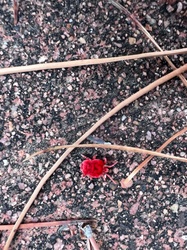
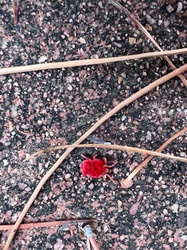
A plump, brilliant red mite covered in a dense coat of short velvety hairs, often seen emerging onto the soil surface in numbers right after a heavy rain. Its vivid color and unusual size for a mite make it one of the more eye-catching arachnids most people will ever encounter.
- Size
- Up to about 1 cm in larger species, among the largest mites
- Habitat
- Soil and leaf litter in grassland, desert, and forest worldwide, most visible after rain
- Danger
- Harmless
Spotted a bug like this?
Identify any bug or insect from a photo, free.
Overview
Red velvet mites belong to the family Trombidiidae, a group that includes some of the largest mite species in the world, some reaching nearly a centimeter in length, far larger than most other mites, which are typically microscopic. They are found on every continent except Antarctica, in soil and leaf litter across grassland, desert, and forest habitats.
They are especially conspicuous in regions with a pronounced rainy or monsoon season, where large numbers of adults emerge onto the surface of the ground within hours of rainfall, a phenomenon that has earned them the nickname "rain bugs" in some regions.
How to Identify
- Bright red to orange-red body covered in a dense coat of short hairs, giving a distinctive velvety texture
- Plump, rounded body shape, unlike the flatter bodies of many other mites
- Eight legs in the free-living nymph and adult stages
- Considerably larger than most mites, sometimes visible to the naked eye without magnification
- Often seen singly or in numbers walking across open soil, especially after rain
Habitat & Range
Red velvet mites live in soil and leaf litter worldwide, including grassland, desert, and forest habitats. They are most visible emerging onto the surface after rainfall, a pattern especially pronounced in semi-arid and monsoon regions of Asia, Africa, and the Americas, though populations occur in temperate regions as well.
Behavior & Diet
Free-living nymphs and adults are active predators, hunting small soil arthropods, springtails, and insect eggs among leaf litter and topsoil. The larval stage, by contrast, is parasitic, attaching briefly to grasshoppers or other insects to feed before dropping off to continue development in the soil. Within the soil food web, red velvet mites occupy a dual role as both predator and, in their larval stage, a temporary parasite of other arthropods.
Life Cycle
Eggs hatch into six-legged parasitic larvae, which attach to a host insect for a single feeding period before dropping to the ground to molt into an eight-legged, free-living nymph. Nymphs molt further before reaching the adult stage, which continues to hunt small soil invertebrates. Adult emergence is often synchronized with seasonal rainfall, with mites retreating deeper into the soil during dry periods.
Frequently asked questions
Why do red velvet mites appear right after rain?
Adults and nymphs live in soil and leaf litter and emerge onto the surface in large numbers following rainfall, a pattern especially noticeable in monsoon and semi-arid regions.
What do red velvet mites eat?
Free-living nymphs and adults hunt small soil arthropods, springtails, and insect eggs, while the larval stage briefly parasitizes host insects such as grasshoppers before dropping off.
How big can a red velvet mite get?
Some species reach nearly a centimeter in length, making them among the largest mites in the world and easily visible without magnification.
Where are red velvet mites found?
They occur in soil and leaf litter on every continent except Antarctica, spanning grassland, desert, and forest habitats.
Red Velvet Mite guides
In-depth guides for identifying, understanding, and living alongside Red Velvet Mite.
Red Velvet Mite identified by the community
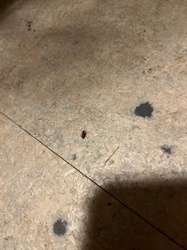
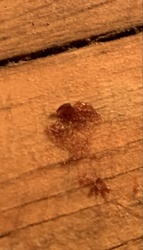
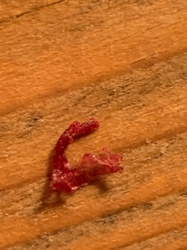
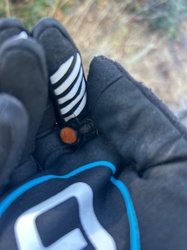
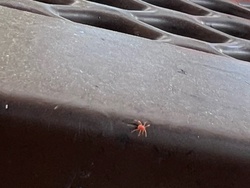
Real finds identified with Bug Identifier.
Other bugs you may enjoy
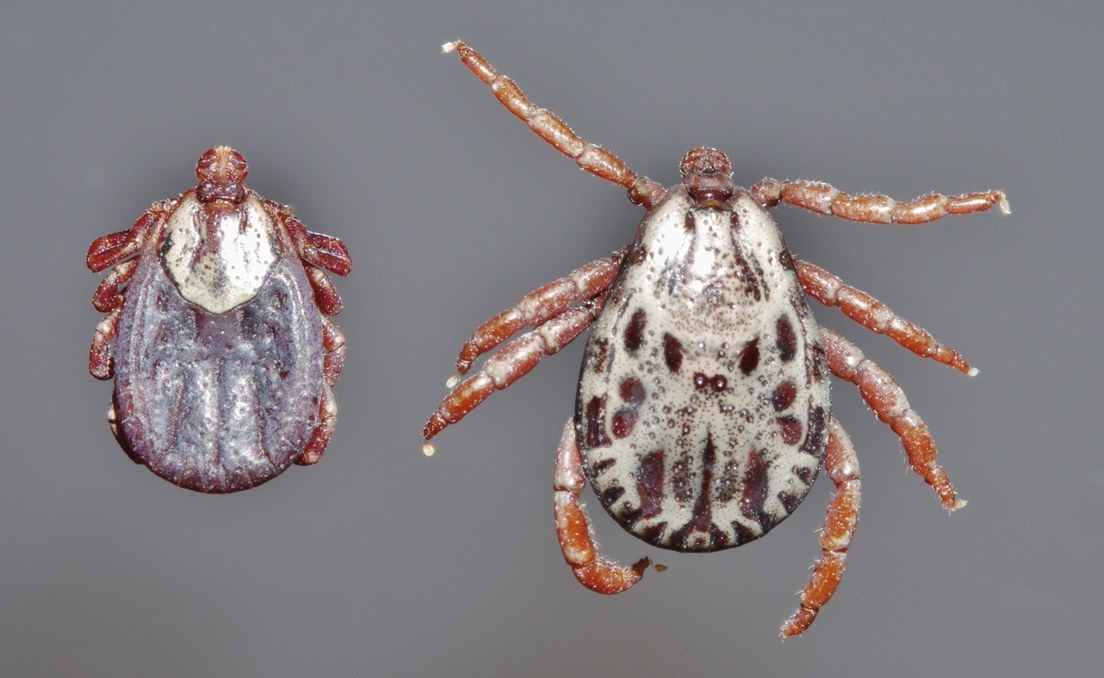
Wood Tick
Grassland, shrub-steppe, and open woodland of western North America
Yellow Scorpion
Arid scrubland, rocky slopes, and desert margins
Whip Spider
Tropical caves, rainforest leaf litter, and under bark
Water Mite
Ponds, lakes, streams, and other freshwater bodies
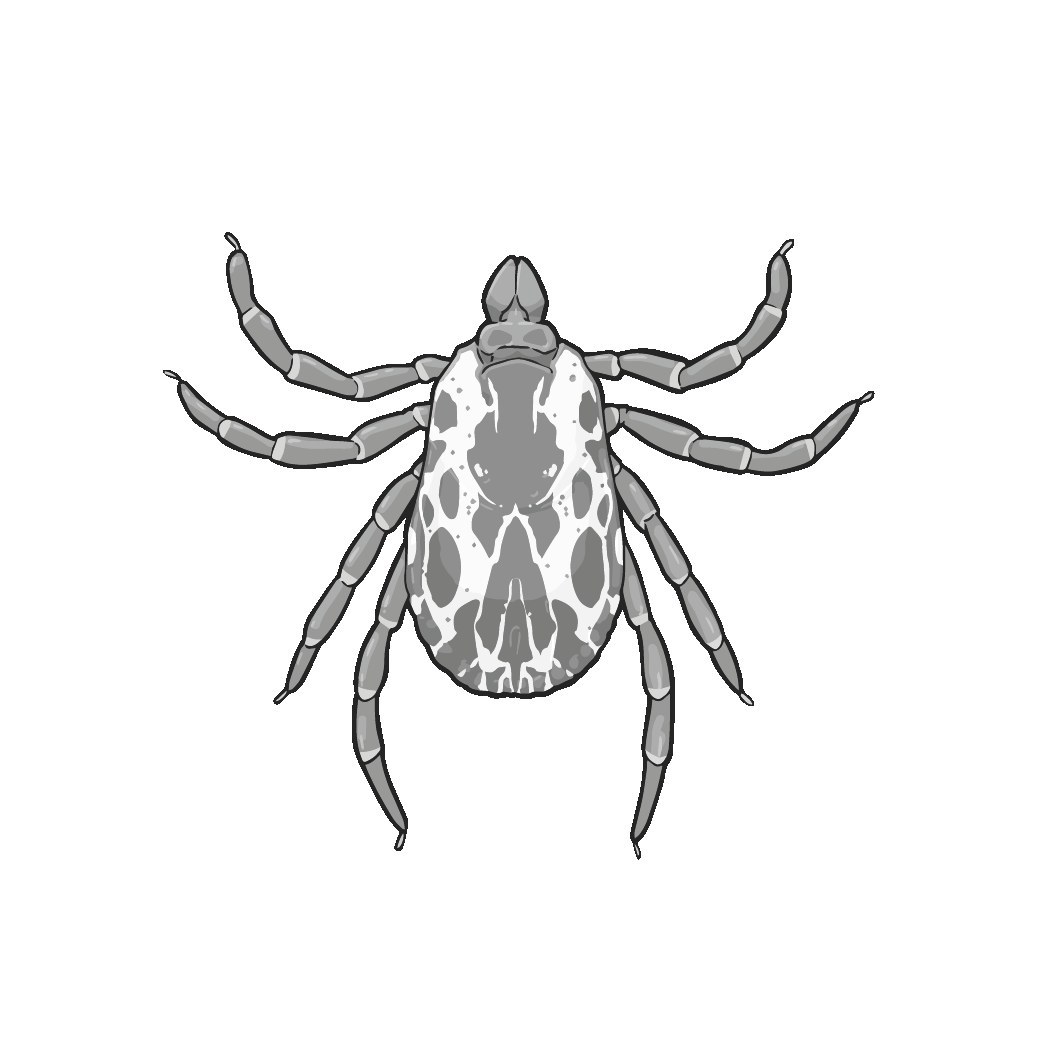
American Dog Tick
Grassy fields, trails, and low vegetation near woodlands
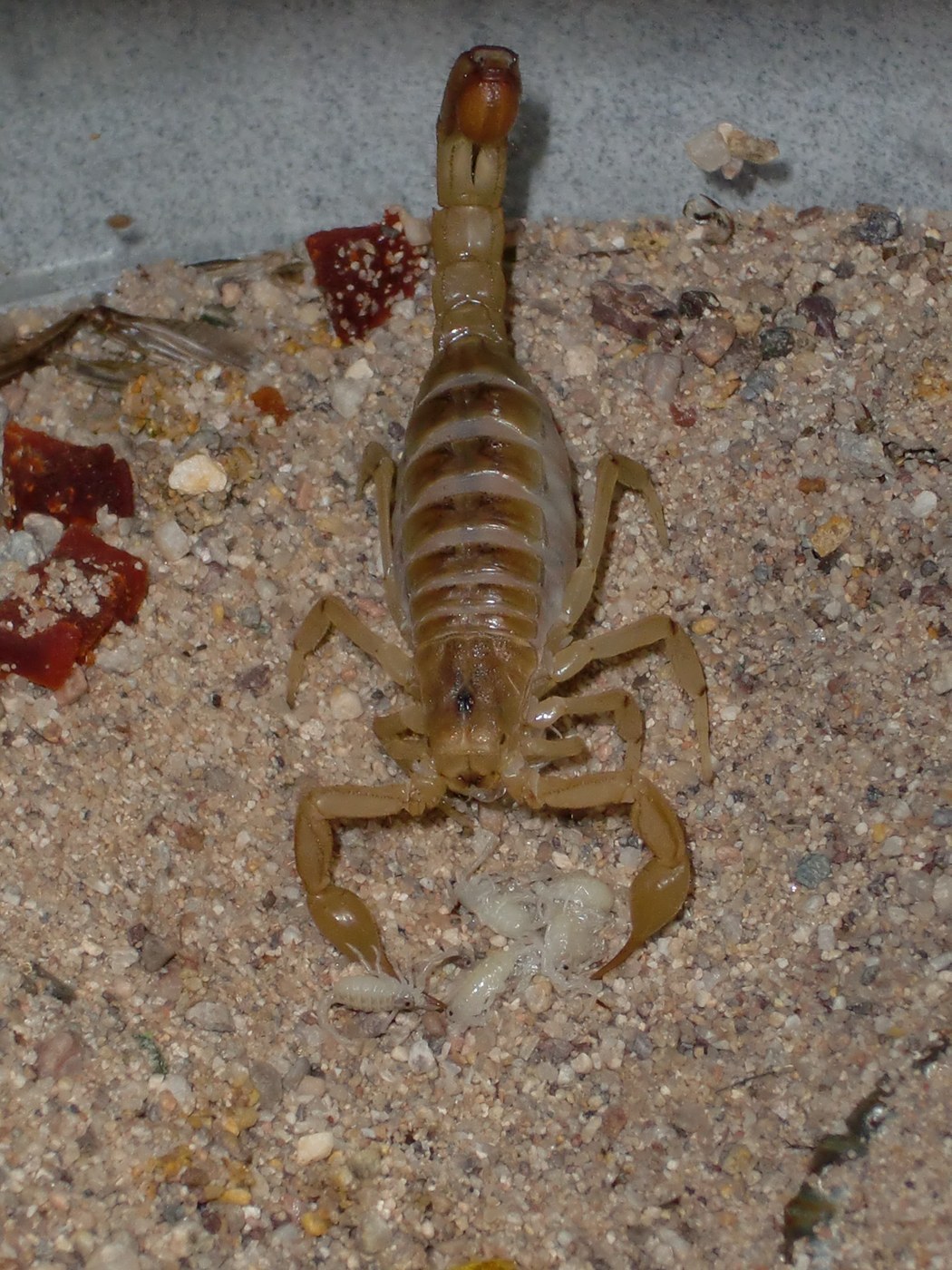
Arizona Bark Scorpion
Rocky desert terrain, tree bark, and structures in the Southwest
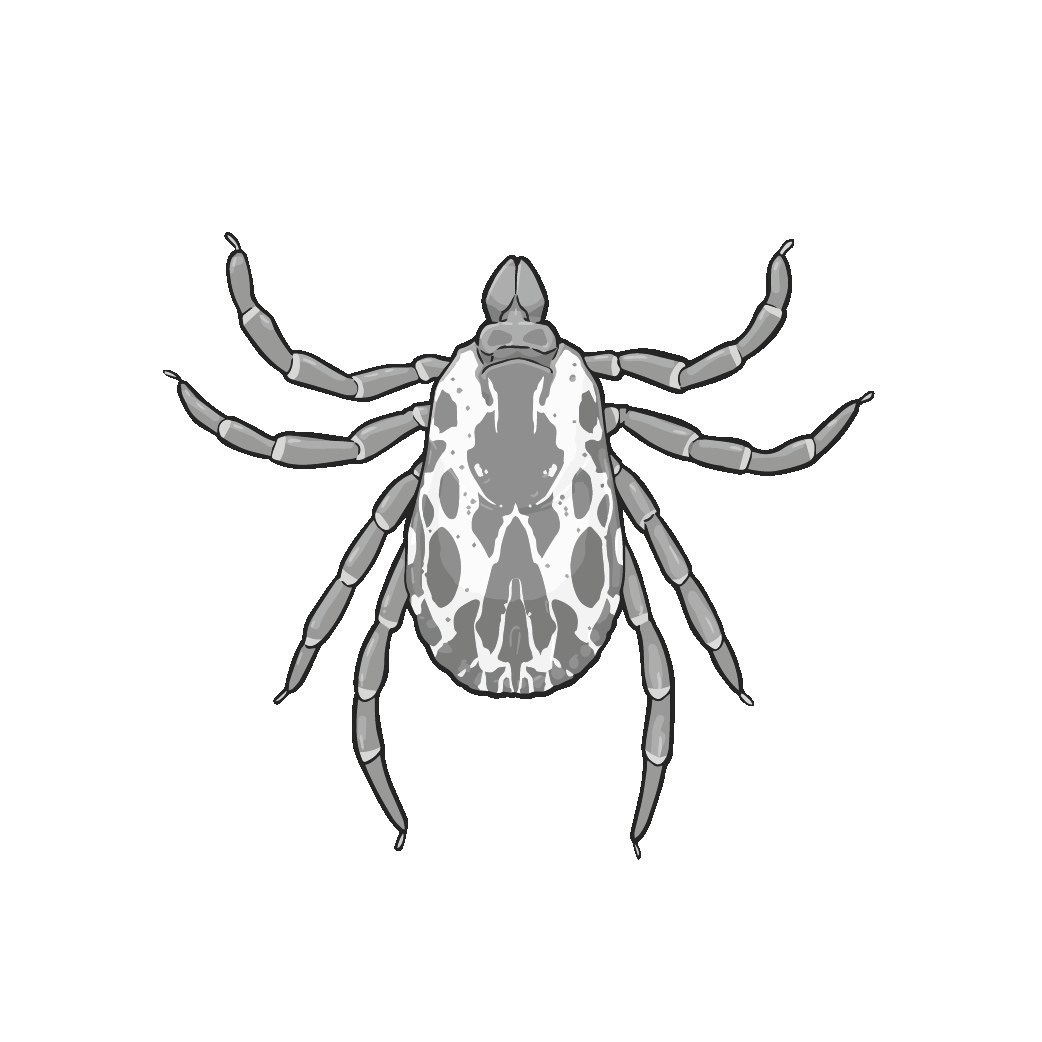
Tick
Tall grass, brush, woodland edges, and animal trails
Soil Mite
Soil, leaf litter, moss, and decaying organic matter worldwide
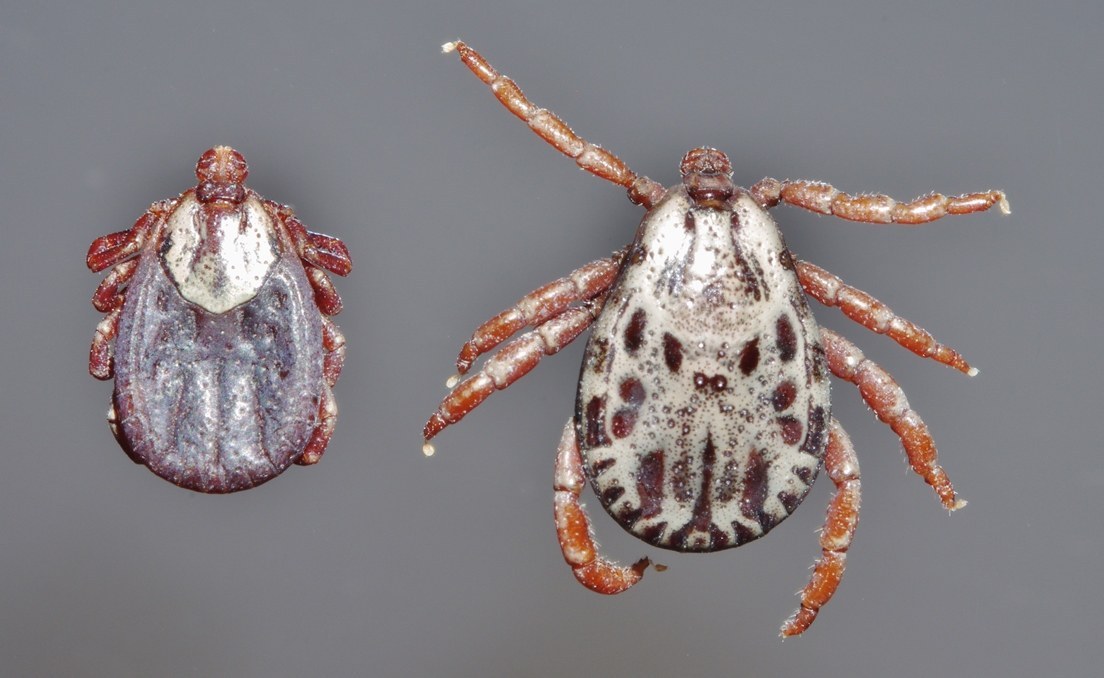
Rocky Mountain Wood Tick
Sagebrush shrublands, grasslands, and montane forest edges
Two-Spotted Spider Mite
Undersides of leaves on garden plants, crops, and houseplants
Spider Mite
Undersides of leaves on garden plants, houseplants, and field and orchard crops worldwide
Whip Scorpion
Tropical and subtropical caves, tree bark, and rock crevices worldwide