
Giant Leopard Moth
Hypercompe scribonia
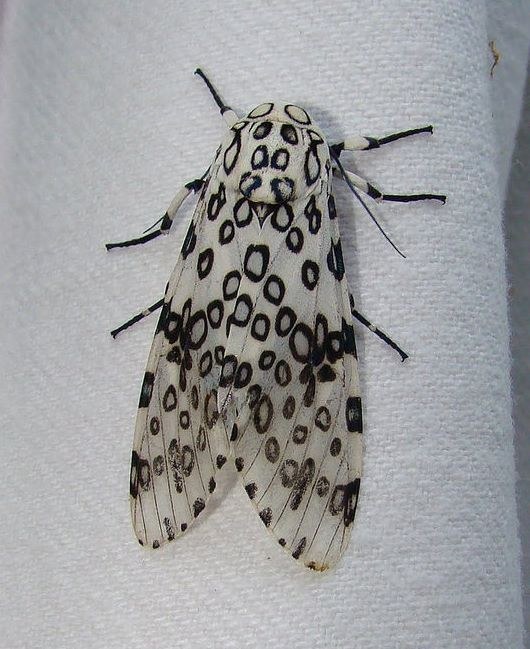
A striking white moth patterned with bold, hollow black rings and dots resembling leopard spots, revealing an iridescent blue-black abdomen marked with orange when its wings part, making it one of the most eye-catching tiger moths in North America.
- Size
- 2.2–3.5 in wingspan
- Habitat
- Gardens, woodlands, and meadows across North America
- Danger
- Harmless
Spotted a bug like this?
Identify any bug or insect from a photo, free.
Overview
The giant leopard moth is a large, showy member of the subfamily Arctiinae within the family Erebidae, the tiger and lichen moths, known collectively for bold warning coloration and often hairy caterpillars. Its crisp white wings marked with open, ring-like black spots give it an unmistakable leopard-print appearance that has made it a favorite subject among moth enthusiasts and backyard naturalists.
In its larval stage, the species is equally well known as a large, jet-black woolly bear caterpillar with distinctive red-orange bands visible between its body segments, often seen wandering in autumn and spring, and famous for tightly curling into a ball when disturbed. As with many tiger moths, its bold visual signals likely serve as a warning to predators, reflecting distastefulness gained through compounds sequestered from its larval diet.
How to Identify
- Wingspan of roughly 55–90 mm; wings are bright white marked with bold, open black rings and solid black dots in an irregular leopard-spot pattern.
- Abdomen is iridescent blue-black with orange markings, usually concealed beneath the wings and revealed mainly in flight or when the wings are spread.
- Body and legs are white with black spotting to match the wing pattern.
- The caterpillar is entirely black and densely bristled, with red-orange bands revealed only between the segments when the caterpillar stretches or moves.
- Distinguished from other white tiger moths by the combination of large size, open-ring spot pattern, and blue-black iridescent abdomen.
Habitat & Range
Found across much of the eastern and southern United States into parts of Mexico and Central America, in gardens, woodland edges, meadows, and other open or semi-open habitats with a mix of low vegetation and shrubs. Adults fly at night mainly from late spring through summer, while the black woolly caterpillars are most often seen wandering in autumn and again in early spring after overwintering.
Behavior & Diet
Adults are nocturnal and, like many Arctiinae, rely on bold contrasting coloration as a warning display to predators, indicating potential distastefulness gained from compounds in the caterpillar's diet. Caterpillars are generalist feeders on a wide variety of low-growing plants and are known for curling tightly into a ball and remaining motionless when disturbed, a defensive posture that also protects them during overwintering. The species contributes to the food web as prey for birds and other predators at various life stages, despite its warning coloration offering some deterrence.
Life Cycle
Eggs are laid in clusters on host plant foliage and hatch into small black caterpillars that feed through summer and into autumn, growing through several instars. Nearly mature caterpillars overwinter in a dormant state sheltered under leaf litter or debris, resuming feeding briefly in spring before completing their growth. Mature larvae then spin a loose cocoon incorporating their own bristly hairs to pupate, with adults emerging in late spring or summer to mate and lay the next generation's eggs, typically producing one to two generations per year depending on region.
Frequently asked questions
Is the black fuzzy caterpillar the same as the white spotted moth?
Yes, the black, bristly caterpillar with red bands between its segments develops into the white, leopard-spotted adult moth.
Why does it curl into a ball?
The caterpillar curls tightly into a ball as a defensive response when disturbed, a common behavior among densely bristled woolly bear-type caterpillars.
How can I tell it apart from other white moths?
Its large size, bold open black rings and dots forming a leopard-spot pattern, and iridescent blue-black abdomen distinguish it from other white-winged moths.
When are the caterpillars most commonly seen?
They're most often spotted wandering in autumn before overwintering and again briefly in early spring as they resume feeding.
Giant Leopard Moth guides
In-depth guides for identifying, understanding, and living alongside Giant Leopard Moth.
Giant Leopard Moth identified by the community
Real finds identified with Bug Identifier.
Other bugs you may enjoy
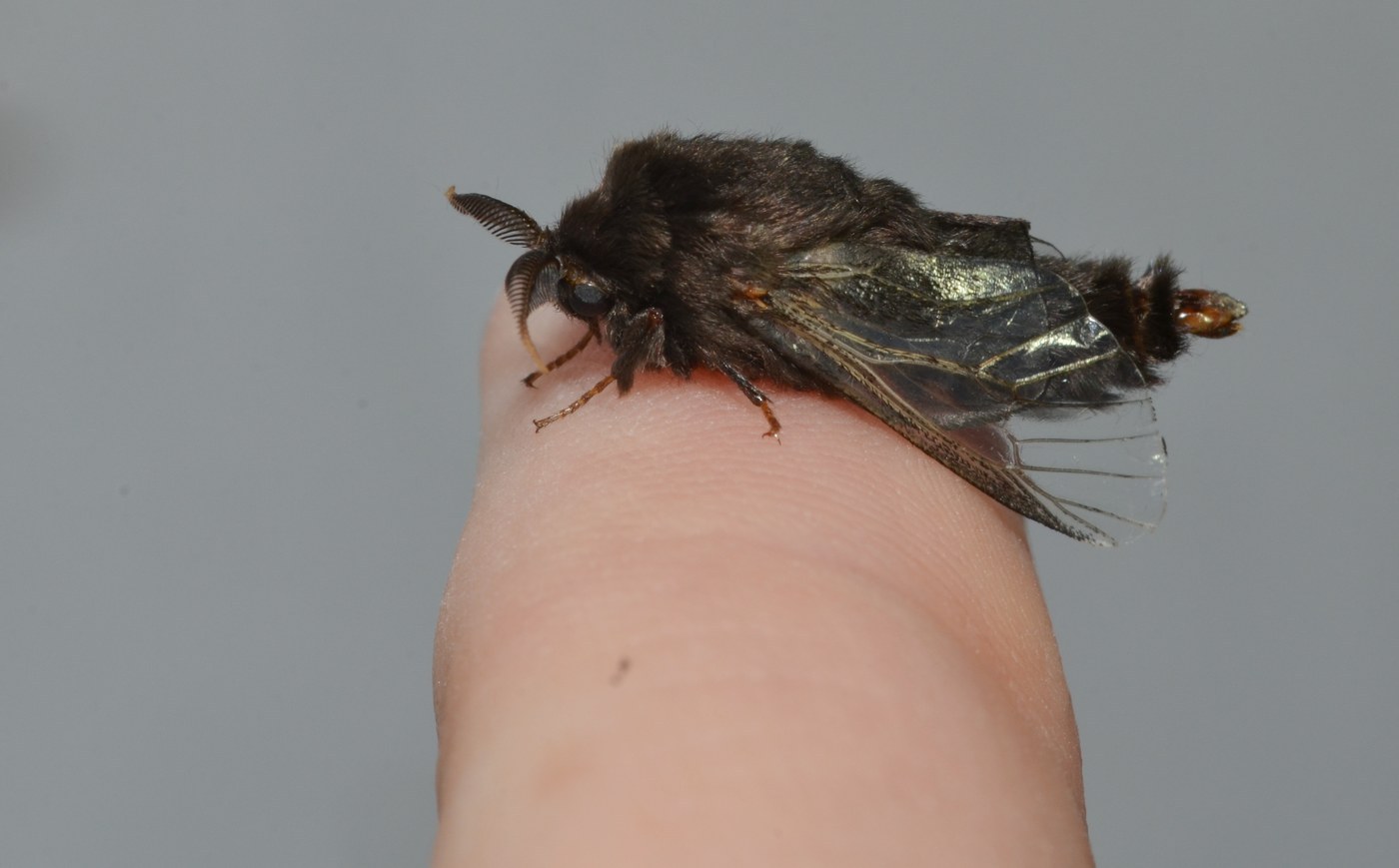
Bagworm Moth
Coniferous and deciduous trees, shrubs, hedges
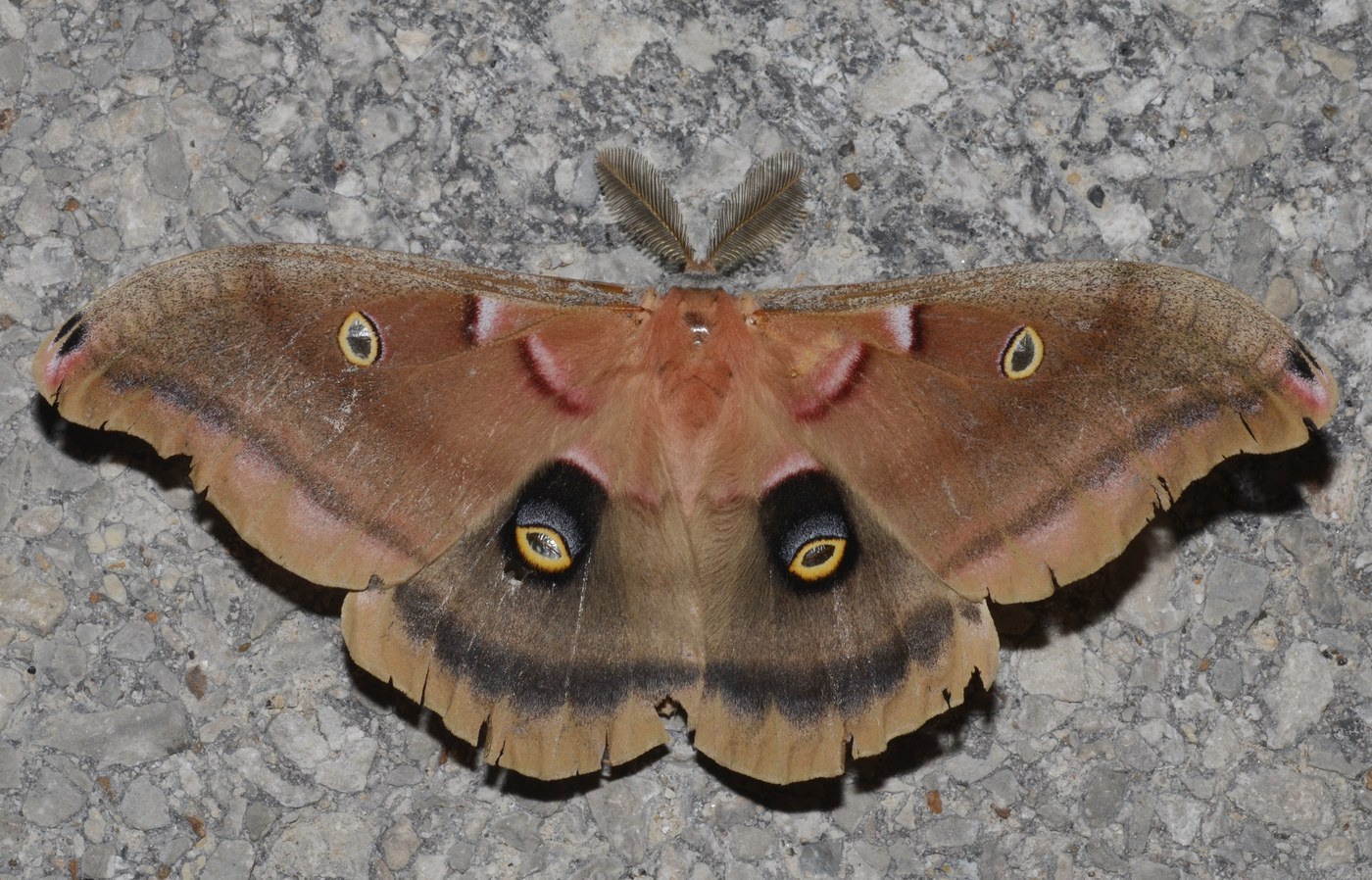
Antheraea Silkmoth
Deciduous forests, woodland edges, orchards
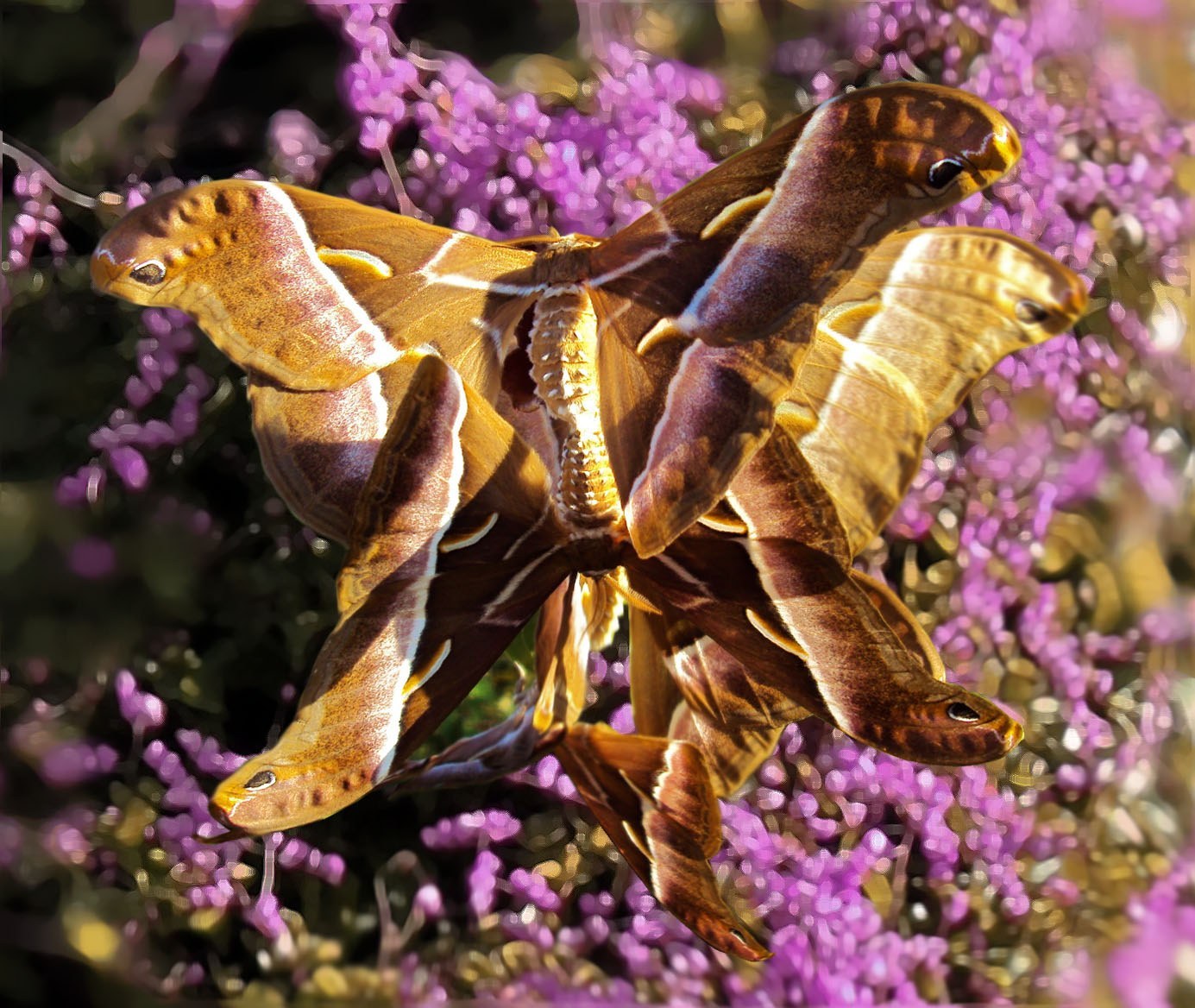
Ailanthus Silkmoth (Cynthia Moth)
Urban parks, wastelands, and woodland edges with tree-of-heaven; native to Asia, introduced in North America and Europe
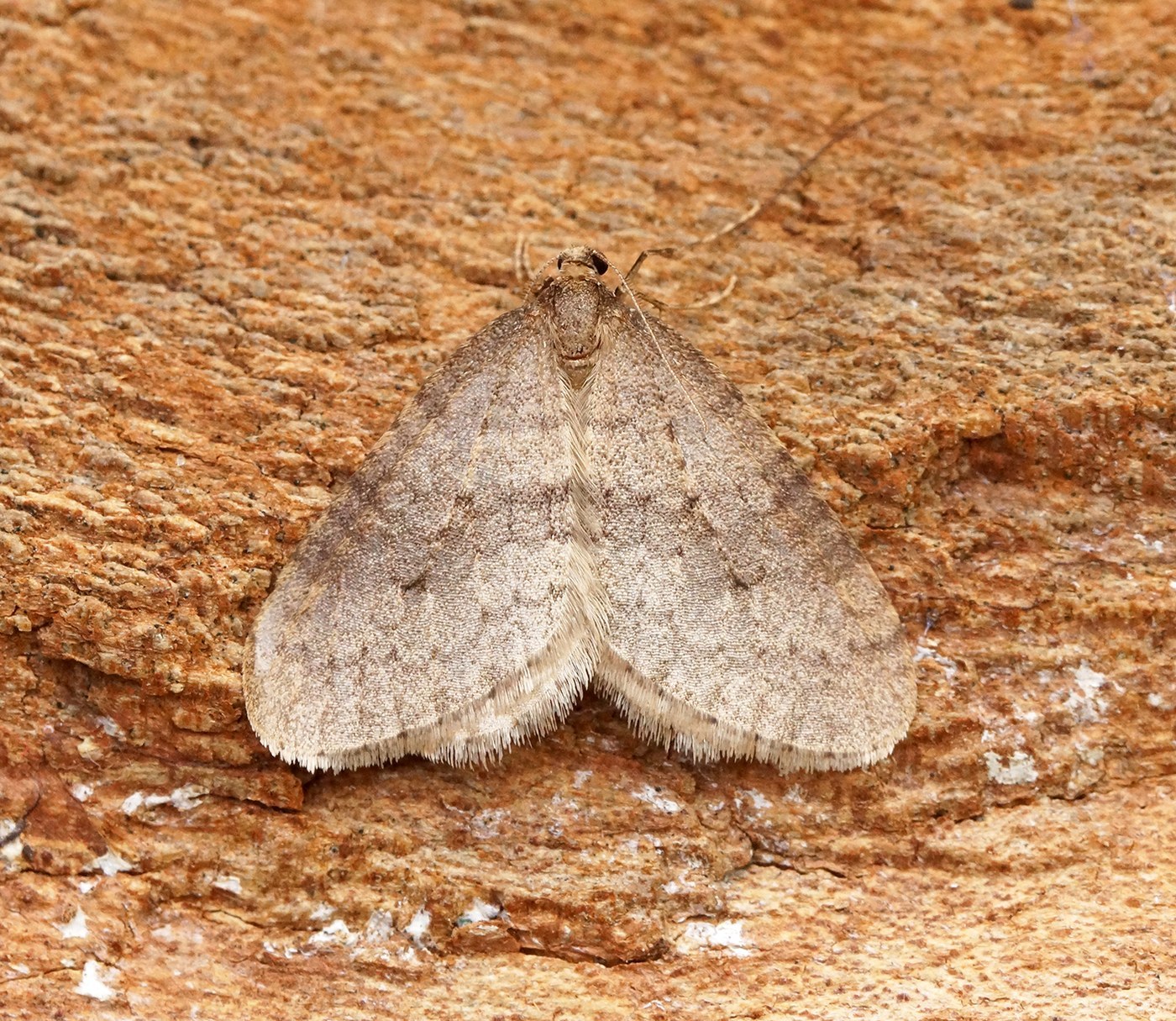
Winter Moth
Deciduous woodland, orchards, gardens, hedgerows
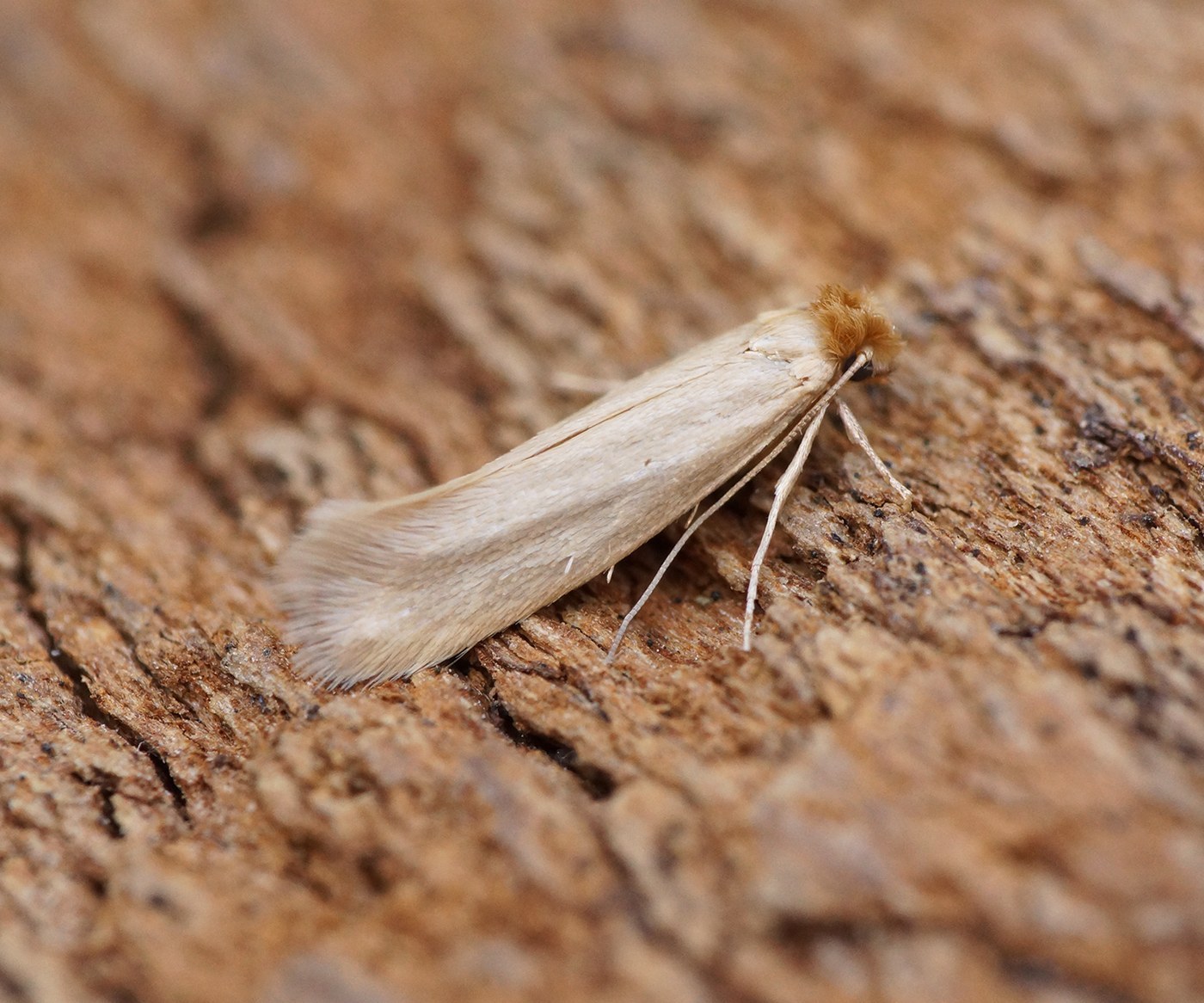
Webbing Clothes Moth
Dark closets, storage areas, and animal nests worldwide
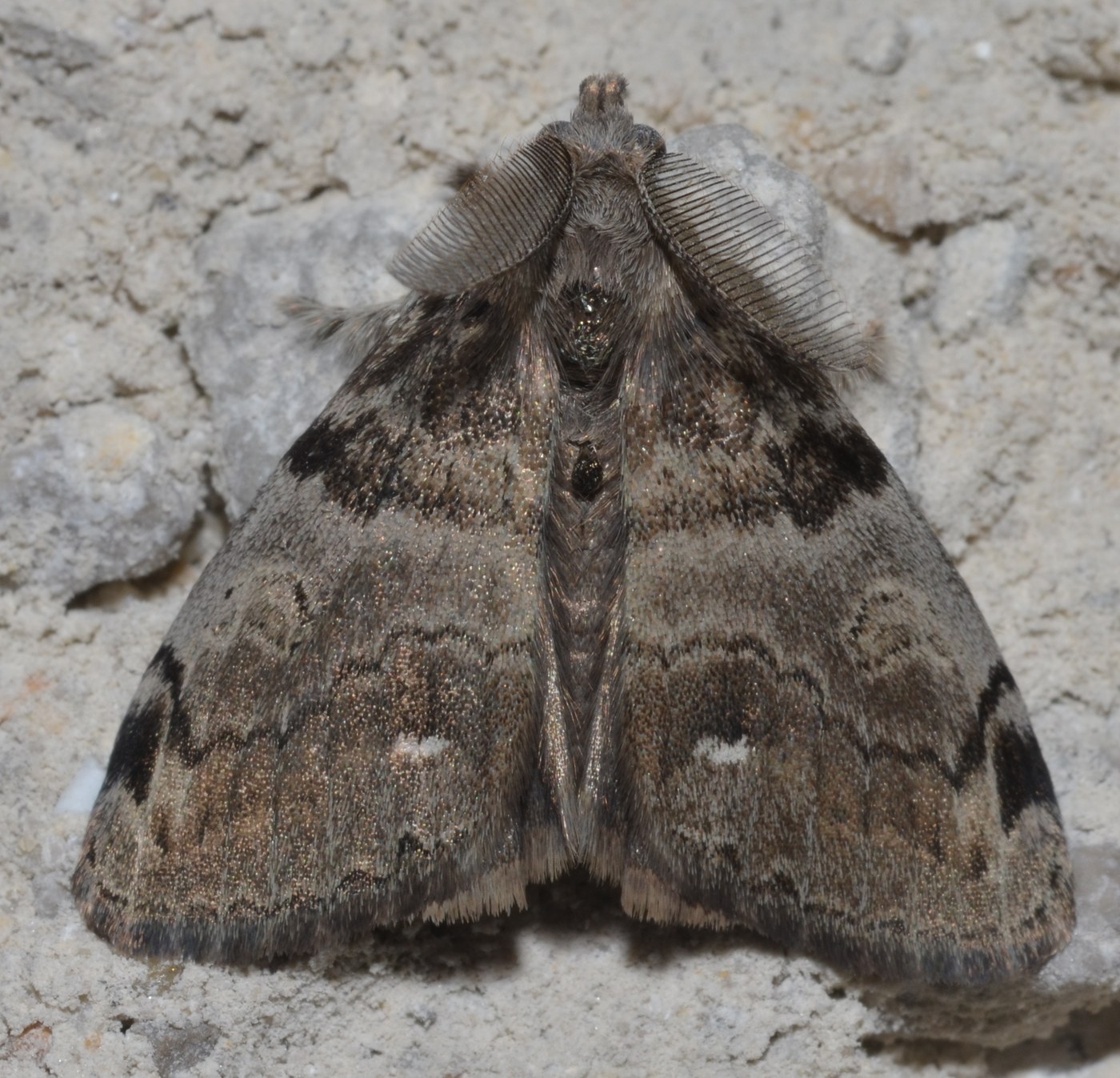
Tussock Moth
Deciduous forests, parks, gardens
Wax Moth
Beehives, apiaries, stored beeswax and comb
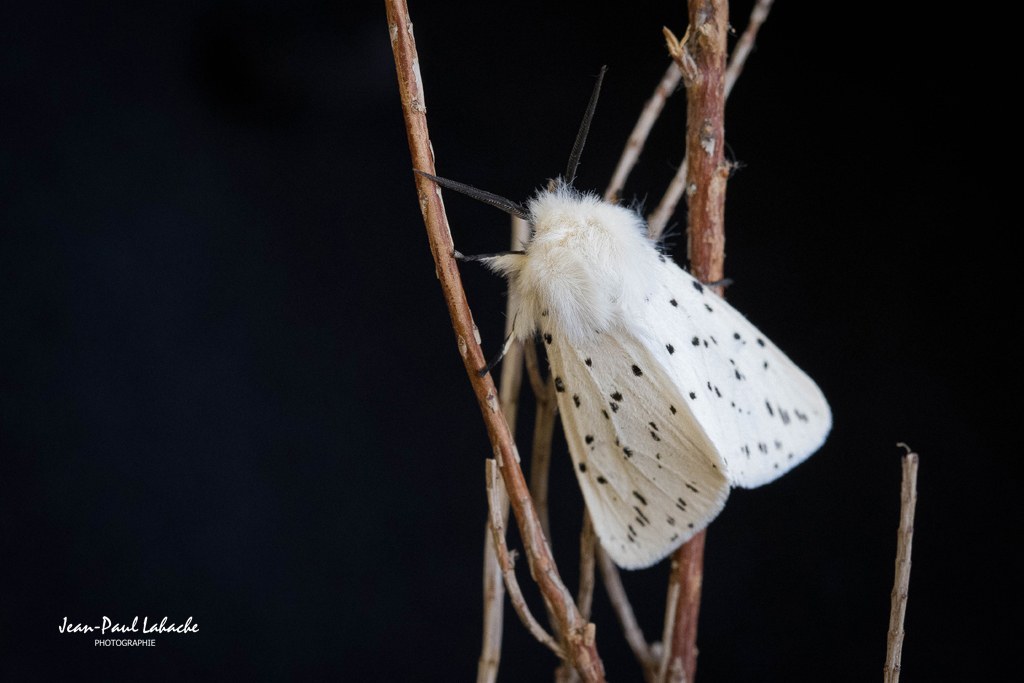
White Ermine Moth
Gardens, meadows, hedgerows
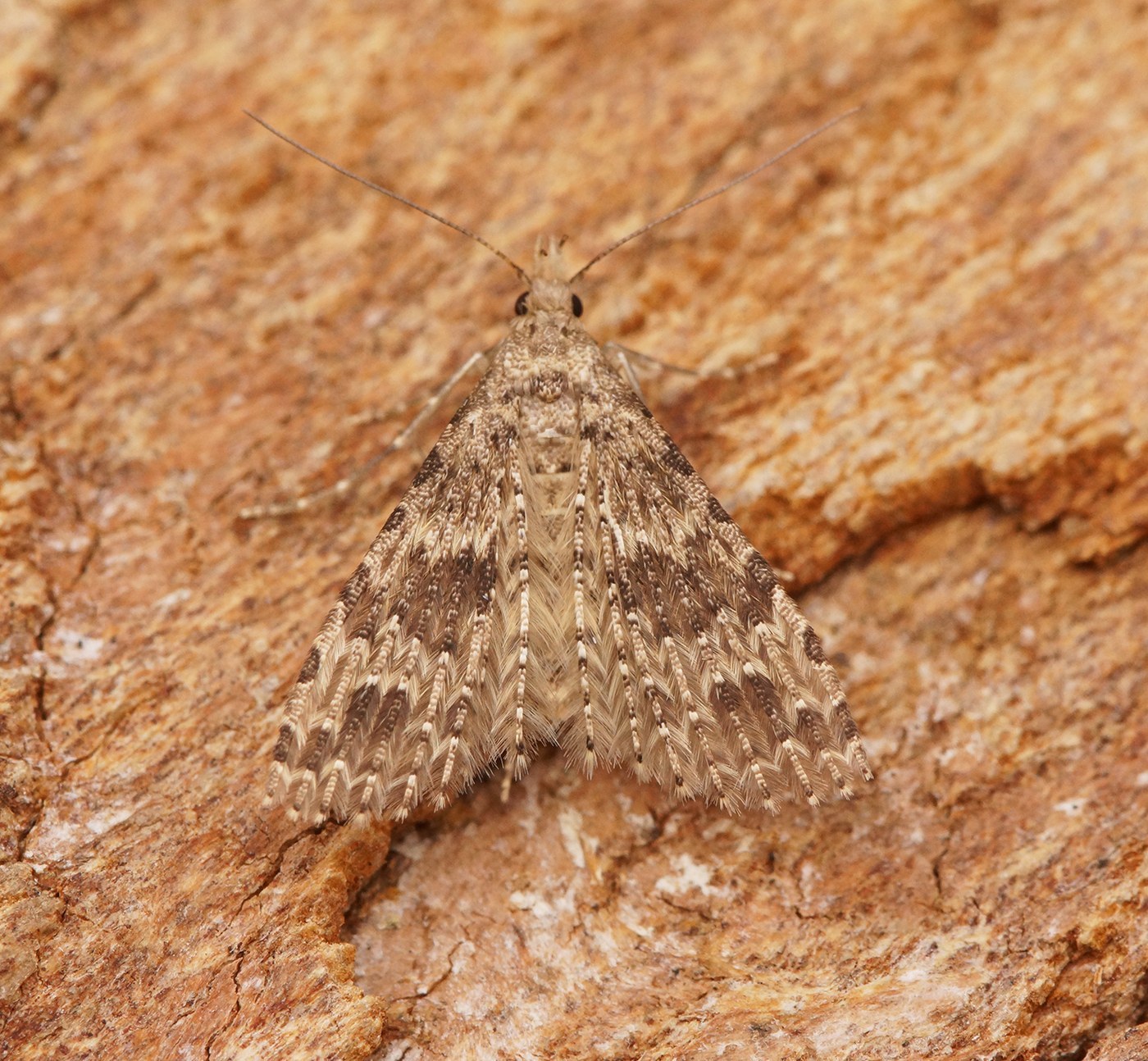
Twenty-plume Moth
Gardens, hedgerows, near honeysuckle
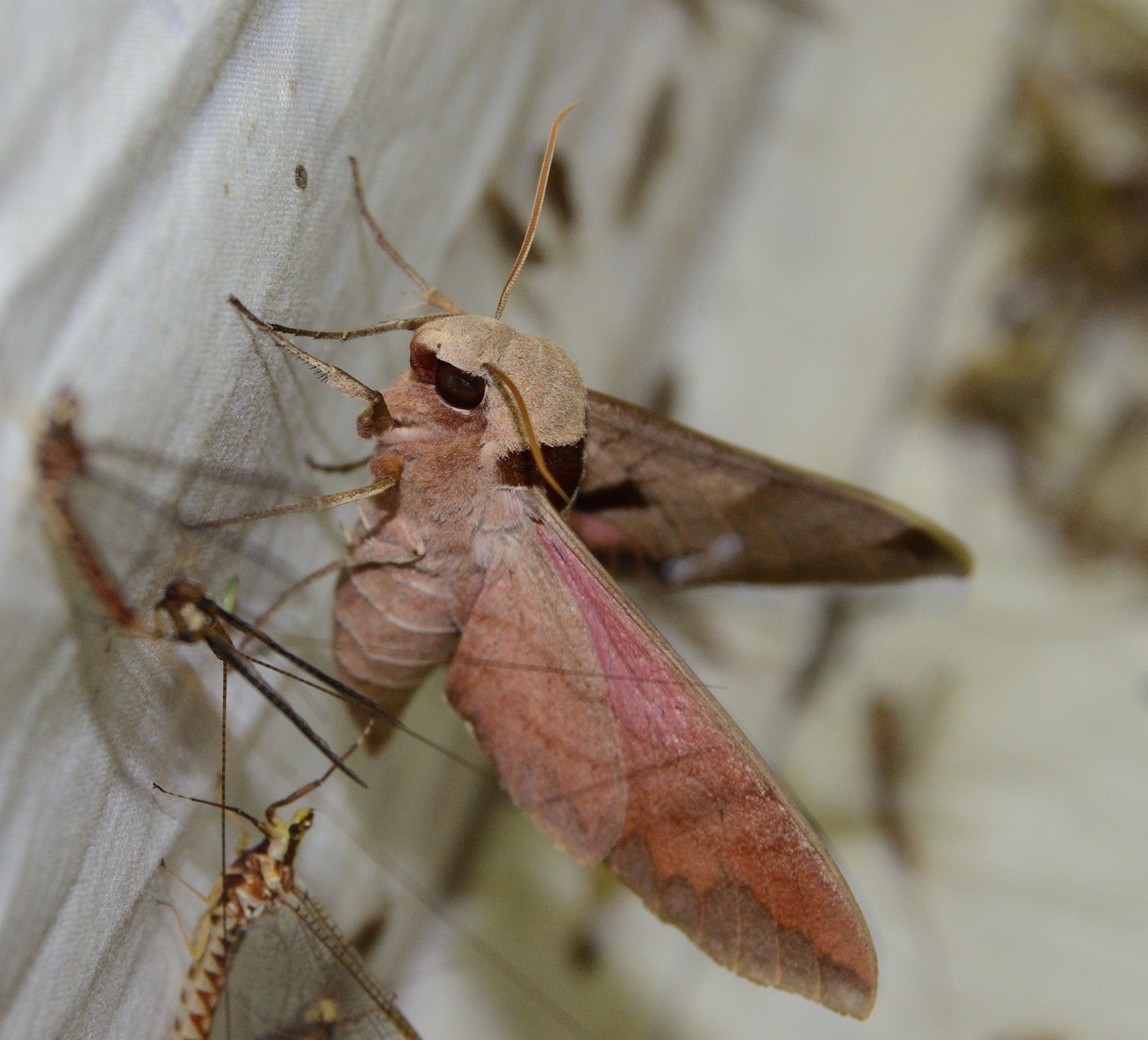
Achemon Sphinx Moth
Vineyards, woodland edges, gardens with wild grape
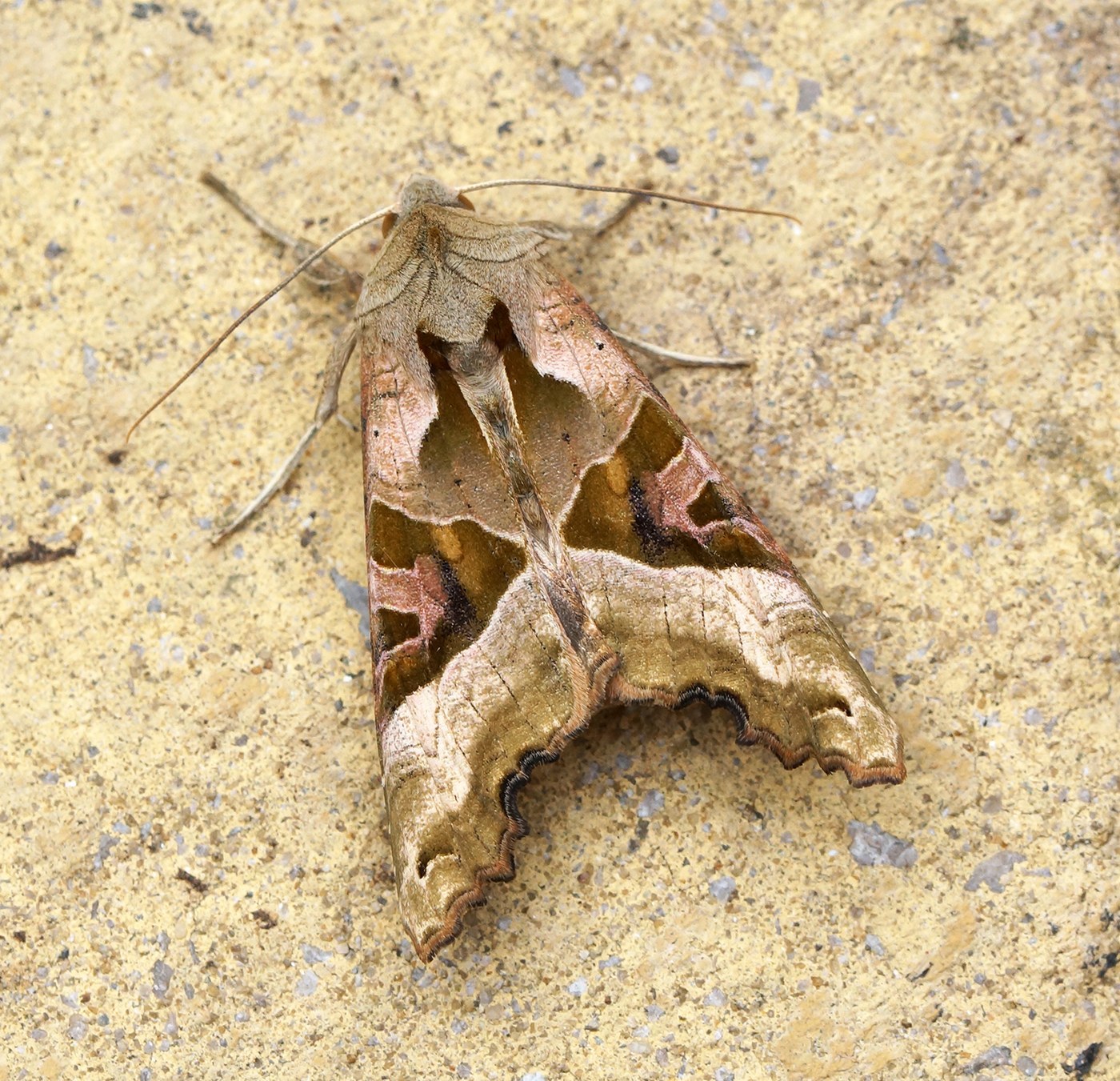
Angle Shades Moth
Gardens, hedgerows, woodland edges, urban parks
Atlas Moth
Tropical and subtropical lowland forests of Southeast Asia