
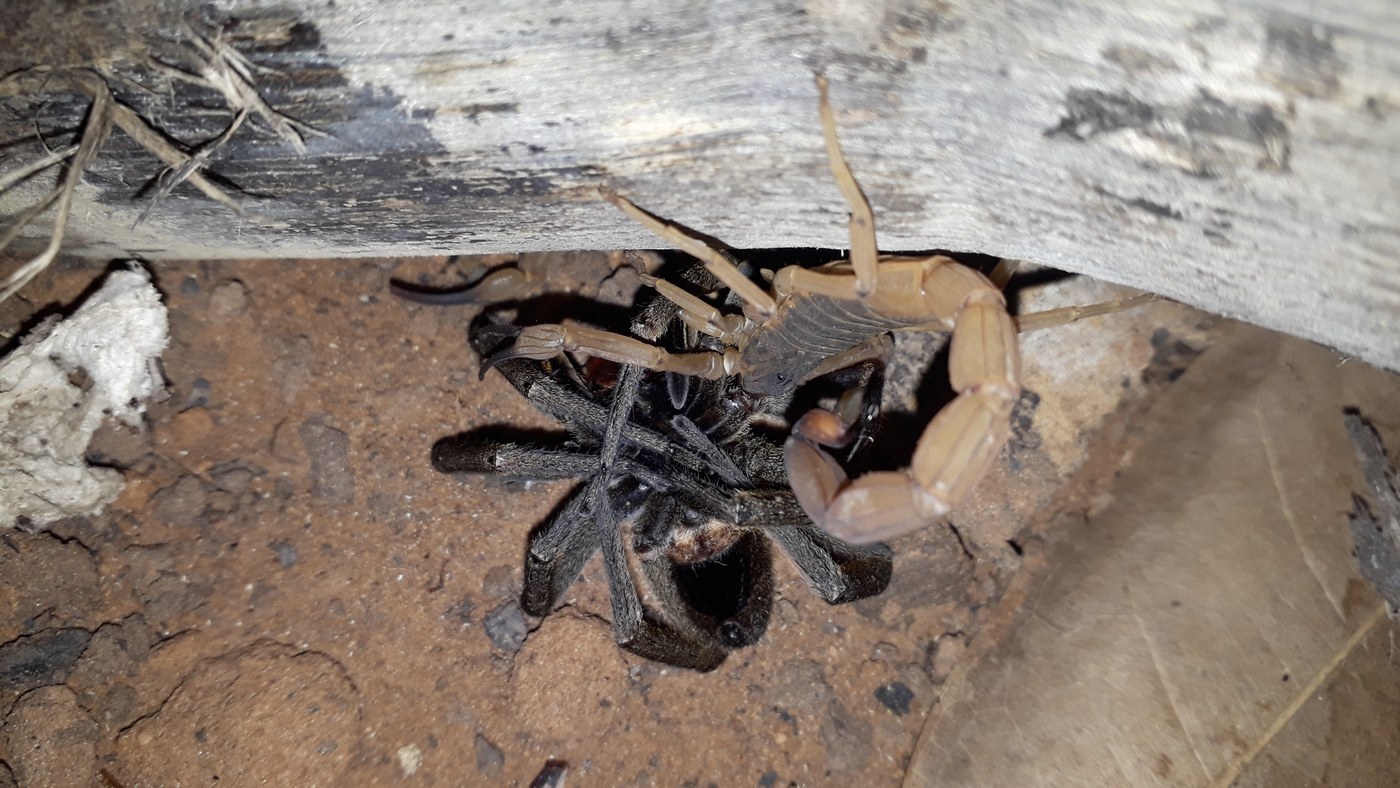
Brazilian Wandering Spider
Phoneutria spp.
A fast, ground-dwelling hunter of the South American rainforest floor, the Brazilian wandering spider builds no web at all, instead actively roaming at night in search of prey and occasionally turning up in shipments of bananas, which earned it a widely known nickname.
- Size
- Body up to 2 in (5 cm); leg span up to 6 in (15 cm)
- Habitat
- Tropical forest floor, plantations, and leaf litter across South America
- Danger
- Venomous
Spotted a bug like this?
Identify any bug or insect from a photo, free.
Overview
The Brazilian wandering spiders, genus Phoneutria, are a group of large, robust, ground-dwelling spiders native to the tropical forests of South America, with a range extending from Brazil into neighboring countries. Rather than constructing a web to trap prey, these spiders roam actively across the forest floor at night, a behavior that gives the genus both its common name and its scientific name, which derives from a Greek word associated with hunting and murder in mythology.
Because Phoneutria spiders sometimes take shelter in banana plants and were historically found stowed away in exported banana shipments, they became widely known outside their native range under the nickname "banana spider," occasionally causing alarm when discovered far from home. Within their natural habitat, however, they are simply one of several large, nocturnal, ground-hunting spiders found in leaf litter and low vegetation.
As active nocturnal predators, Brazilian wandering spiders occupy an important ecological role on the forest floor, feeding on a wide range of insects and other small animals and, in turn, serving as prey for birds and other larger predators.
How to Identify
- Large, robust body with long legs, giving an overall leg span that can reach several inches
- Coloration generally brown or grayish, with legs sometimes showing faint banding
- Some species display a striking mustard-yellow underside with black markings when the front legs are raised in a defensive display
- Builds no web; found wandering on the ground or low vegetation rather than sitting in a fixed silk structure
- Fast-moving and alert, often adopting a raised, front-legs-up defensive posture when startled
- Lookalikes include other large tropical ground spiders such as certain wolf spiders, which are generally smaller and less robust
Habitat & Range
Brazilian wandering spiders are found on the floor of tropical and subtropical forests, in leaf litter, under logs and fallen debris, and among low vegetation such as banana plants, from which their common nickname derives. Their range spans much of tropical South America, particularly Brazil and neighboring countries, and they are occasionally encountered in agricultural areas such as banana plantations.
Behavior & Diet
True to their name, these spiders do not build capture webs and instead actively hunt at night, roaming the forest floor and low vegetation in search of prey. During the day they typically retreat to sheltered spots such as under bark, logs, or dense foliage. When startled, a Brazilian wandering spider often rears up with its front legs raised in a conspicuous defensive display rather than fleeing immediately, a behavior that serves to warn off potential threats. As opportunistic nocturnal hunters, they feed on a broad range of insects and other small forest-floor animals, contributing to the balance of invertebrate populations within tropical forest ecosystems.
Life Cycle
Females produce a silk egg sac containing large numbers of eggs, which they may guard in a sheltered location on the forest floor. Spiderlings hatch and disperse to hunt independently from an early age, gradually molting many times as they grow toward adult size over roughly one to two years. As with many large tropical spiders, growth rates and lifespan can vary with local climate and food availability, with adults living for a year or more once mature.
Frequently asked questions
Why is the Brazilian wandering spider also called a banana spider?
It sometimes shelters in banana plants and was historically found in exported banana shipments, leading to this widely used nickname outside its native range.
Does the Brazilian wandering spider build a web?
No, it does not build a capture web and instead actively hunts by roaming the forest floor at night.
What does the Brazilian wandering spider eat?
It preys on a wide range of insects and other small forest-floor invertebrates encountered during its nightly wandering.
How does the Brazilian wandering spider react when threatened?
It often rears up with its front legs raised in a visible defensive display rather than immediately fleeing.
Brazilian Wandering Spider guides
In-depth guides for identifying, understanding, and living alongside Brazilian Wandering Spider.
Other bugs you may enjoy
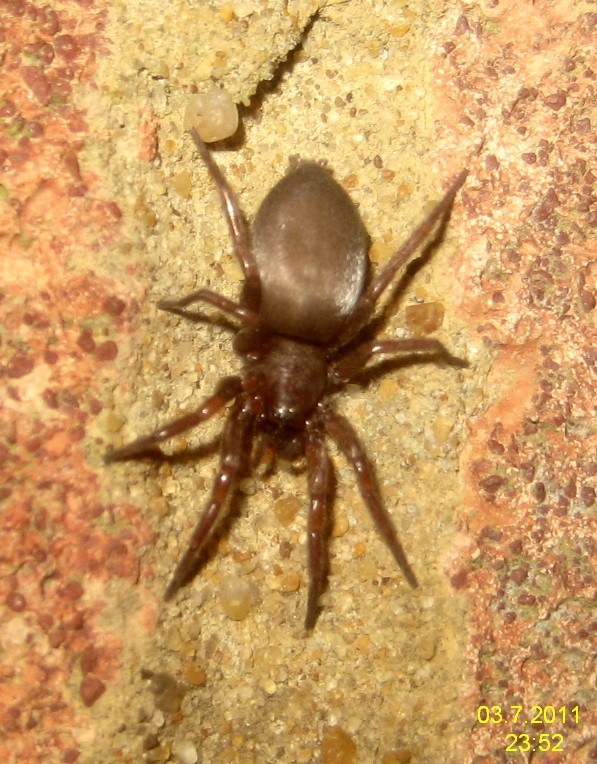
Woodlouse Spider
Damp leaf litter, under logs, stones, and mulch
Wolf Spider
Gardens, grasslands, forests, leaf litter, ground burrows
Wandering Spider
Tropical and subtropical forest floor, foliage, and banana plants
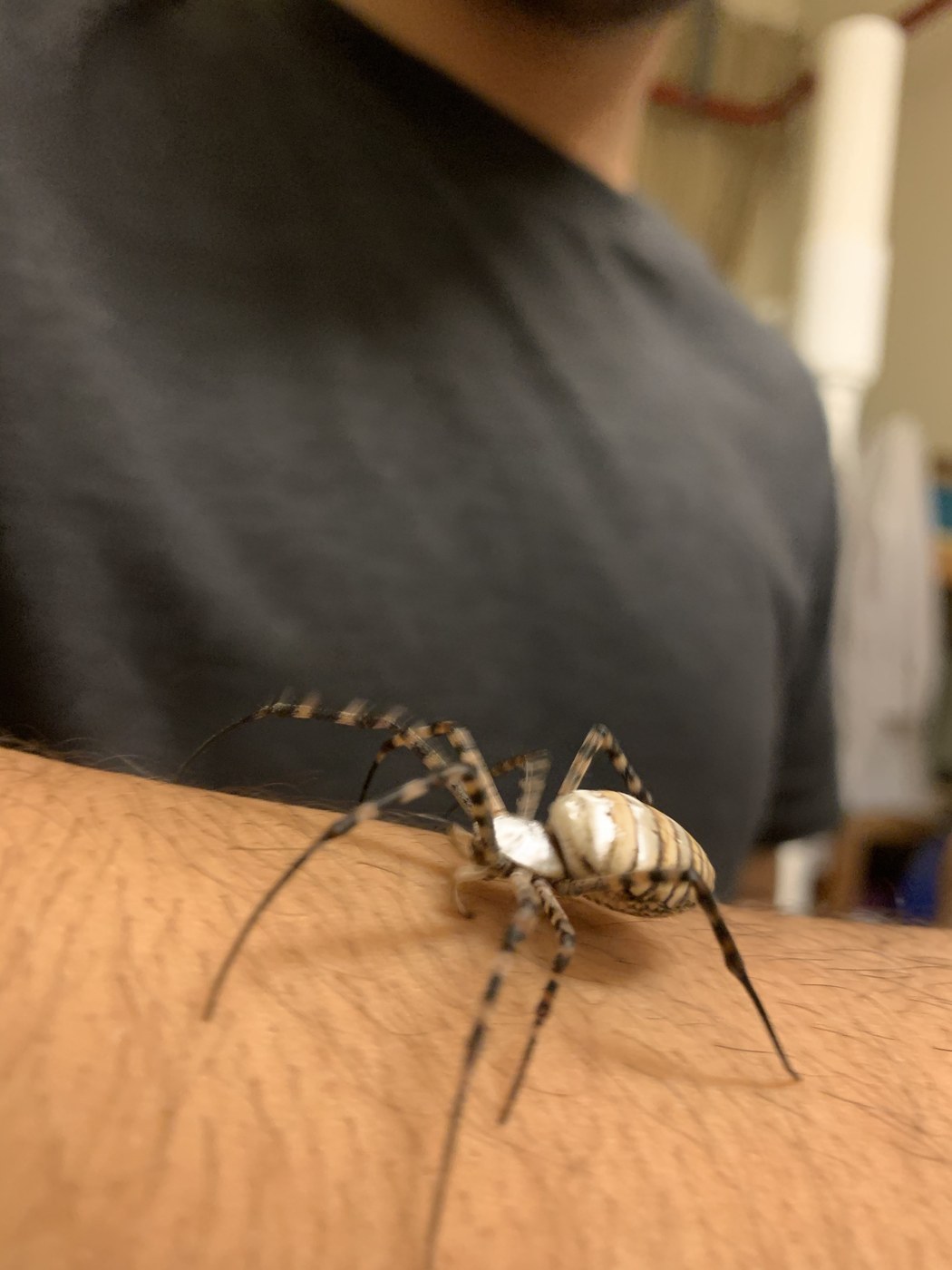
Banded Garden Spider
Tall grass, meadows, and gardens with open sunny vegetation
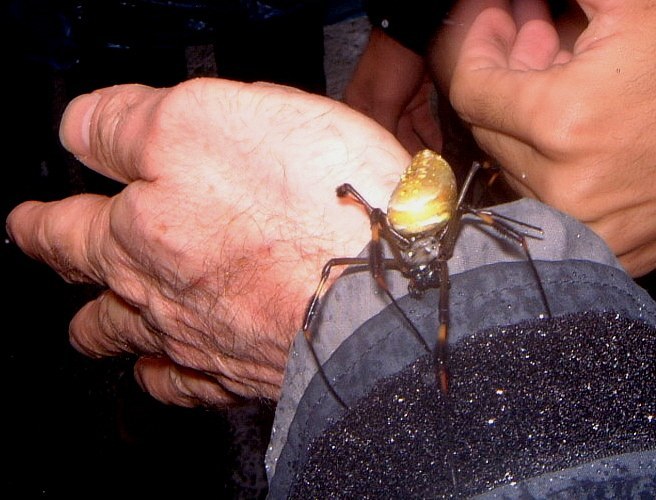
Banana Spider
Wooded trails, forest edges, and gardens across the southeastern U.S. and the American tropics
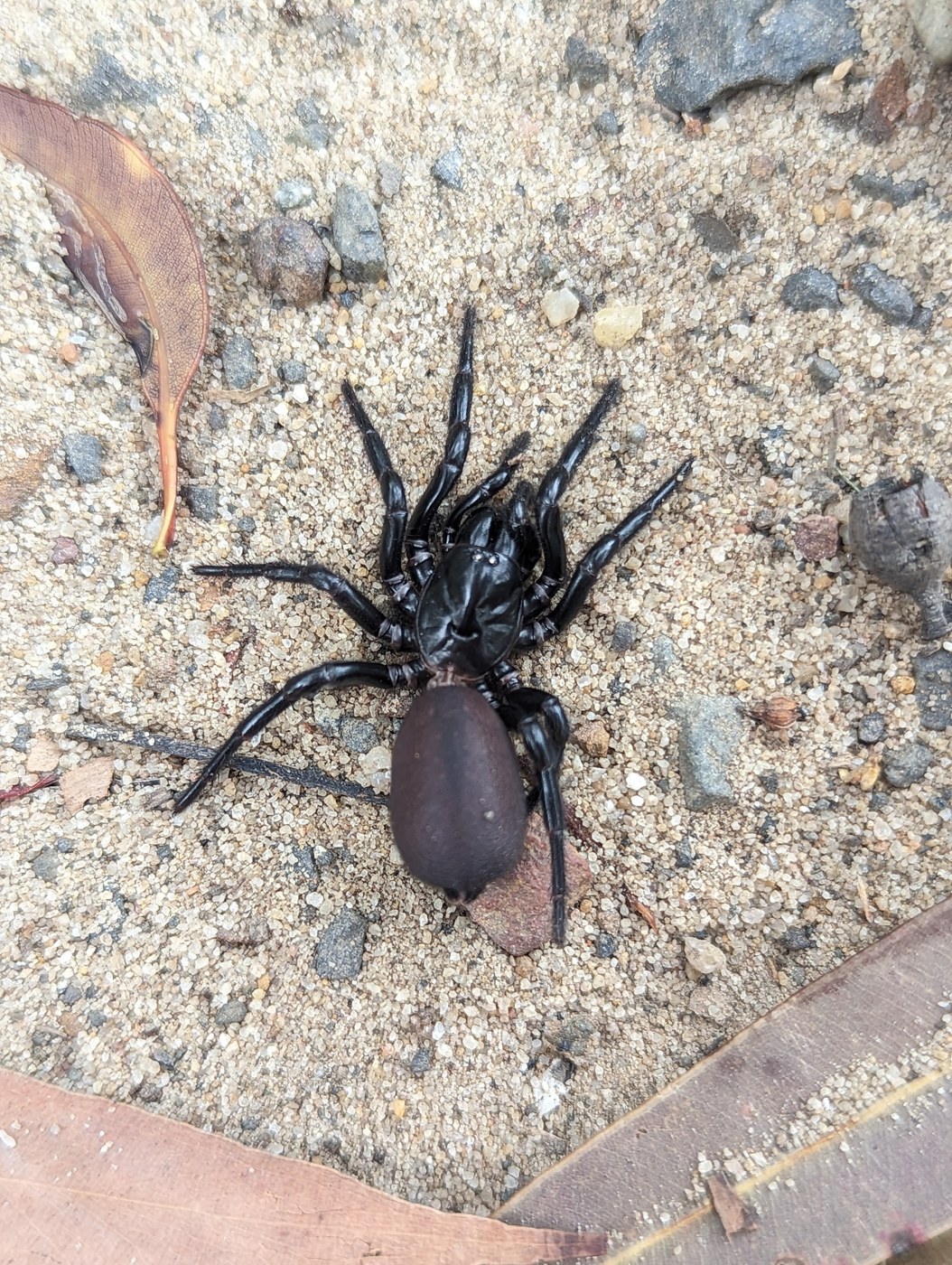
Sydney Funnel-web Spider
Burrows in moist soil, gardens, and forested gullies around the Sydney basin of eastern Australia
Trapdoor Spider
Self-dug silk-lined burrows with a camouflaged door, in dry, well-drained soil worldwide
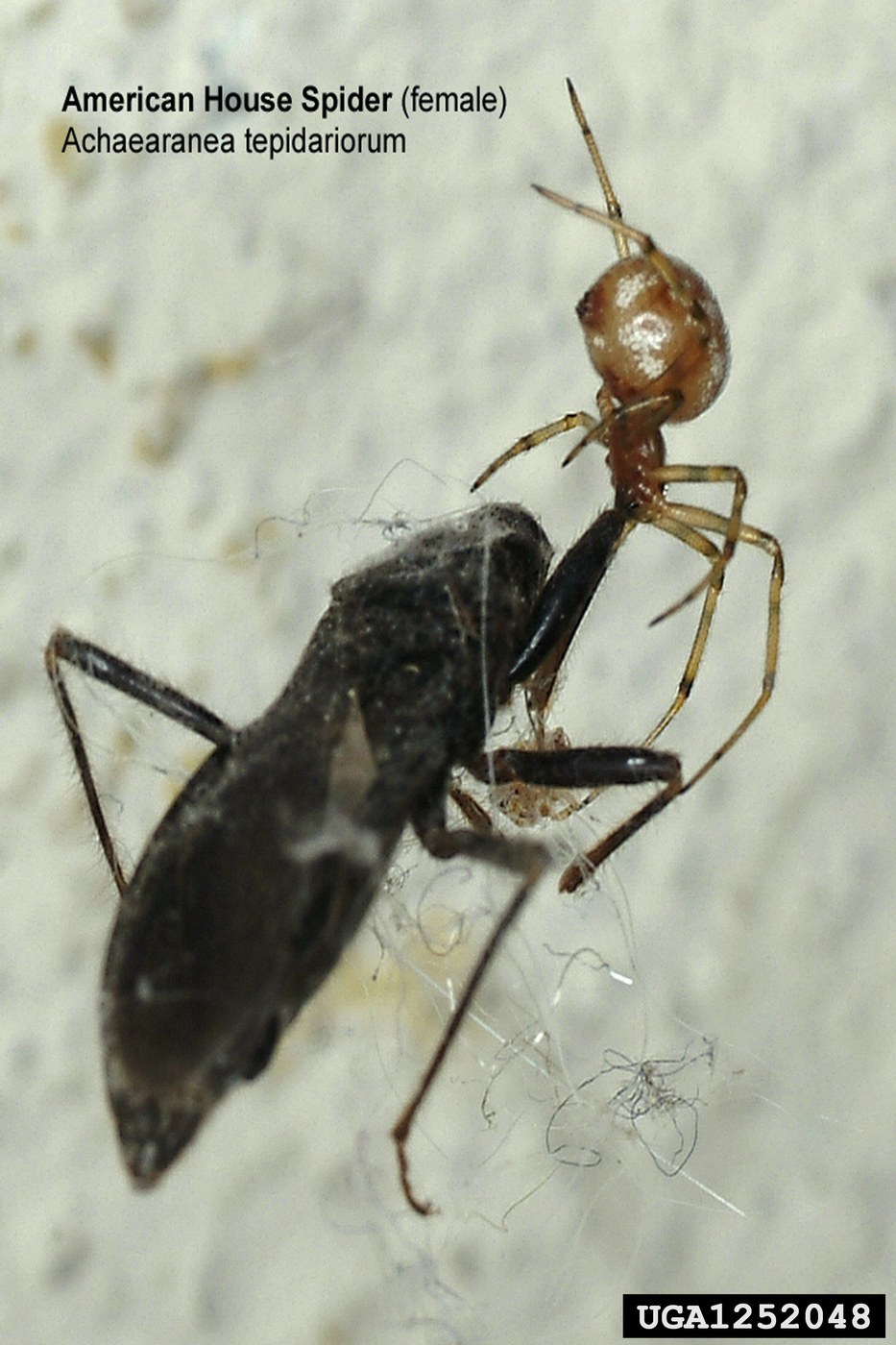
American House Spider
Corners, basements, garages, and outbuildings worldwide
Tube Web Spider
Wall crevices, bark, rockeries, and masonry
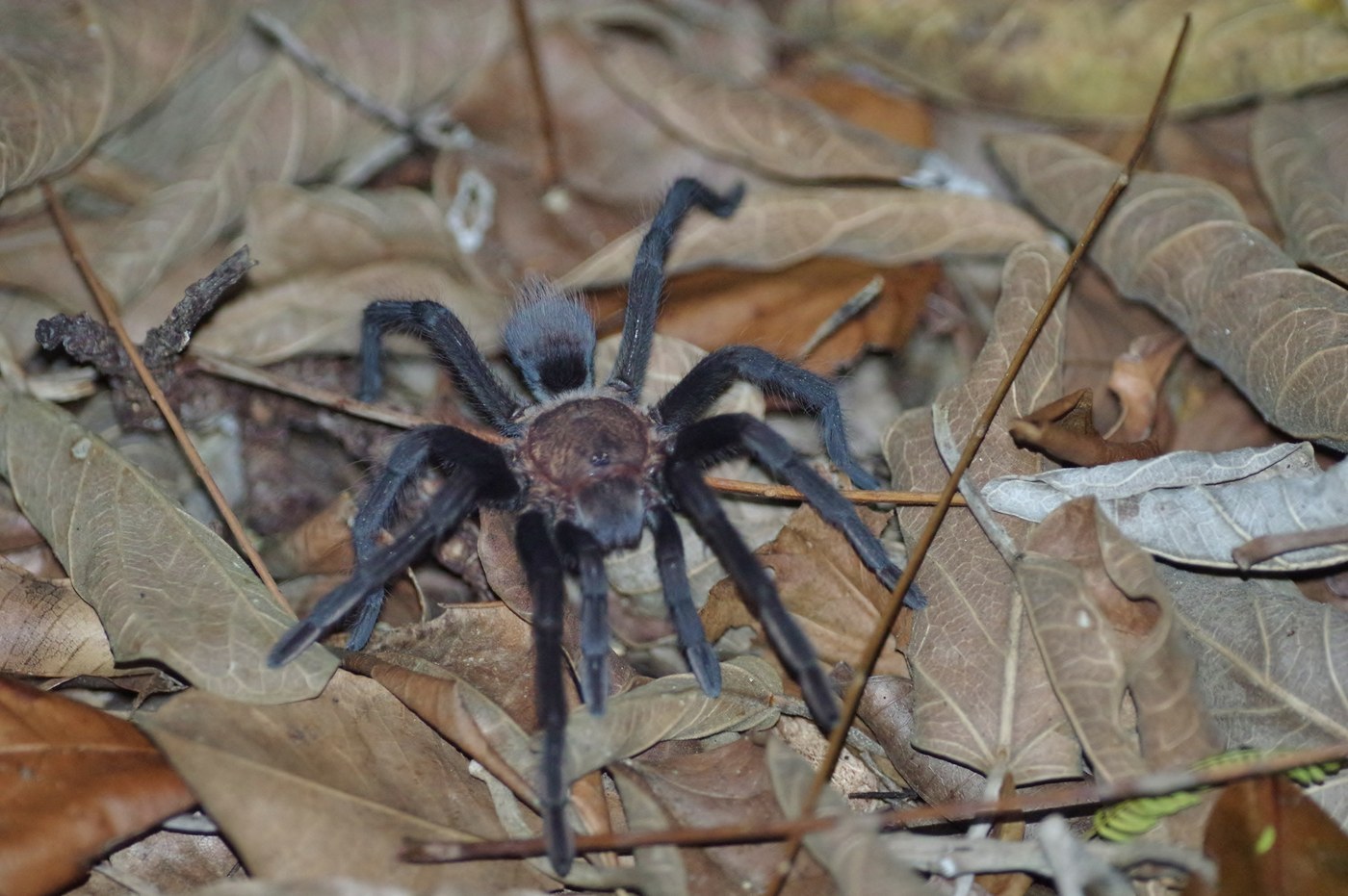
Tarantula
Burrows, rock crevices, and tree hollows in deserts, grasslands, and tropical forests worldwide
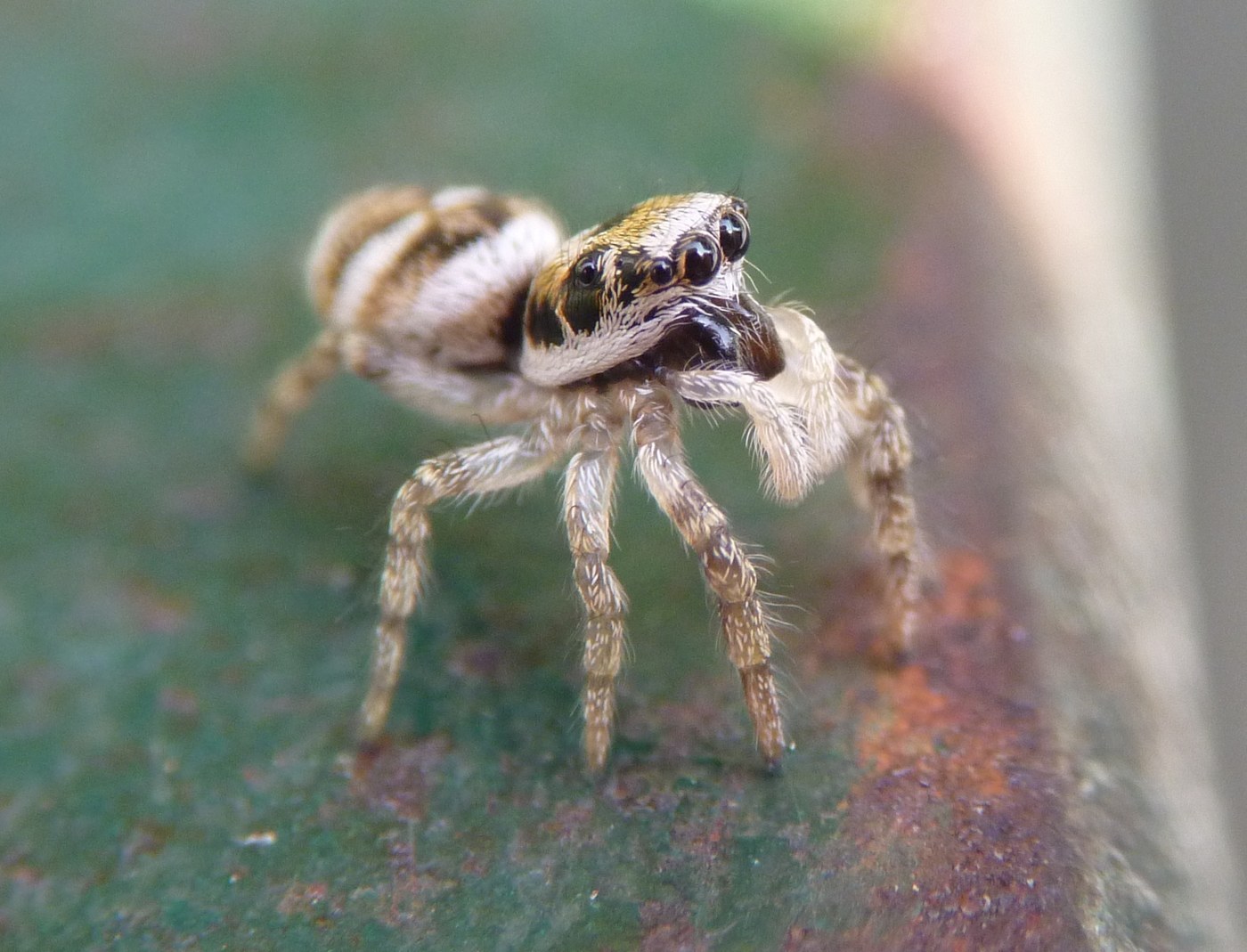
Zebra Jumping Spider
Sunny walls, fences, tree bark, and building exteriors
Wall Spider
Cracks and crevices on exterior and interior walls