
Bug Encyclopedia
Search and identify bugs & insects — beetles, butterflies, moths, ants, bees, spiders and more — with size, habitat, danger, behavior, and how to tell them apart.
Gall Mite
An almost worm-shaped, microscopic mite that induces plants to grow strange pouches, pockets, and felt-like patches around its feeding sites.
arachnidGall Wasp
A minuscule, rarely seen wasp whose larvae trigger plants, especially oaks, to grow distinctive round or spiky growths called galls that serve as both shelter and food supply.
waspGall Midge
A delicate, mosquito-like fly whose larvae trigger plants to grow strange, often colorful swellings called galls, each species usually tied to one particular host plant.
fly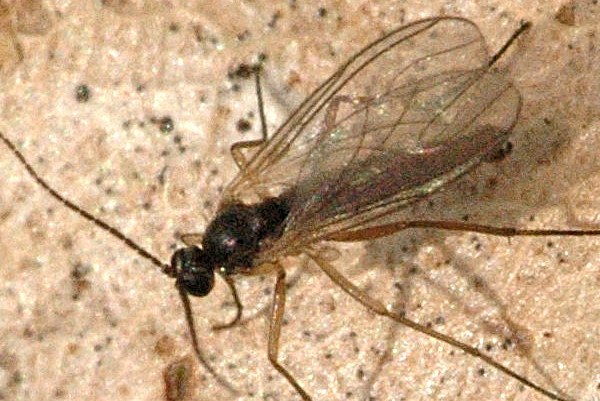
Aphid Midge
A delicate, long-legged midge whose orange larvae are voracious aphid hunters. The aphid midge is a prized natural enemy of aphids in gardens and greenhouses.
flyWax Moth
A plain grey-brown moth whose larvae tunnel through beeswax honeycomb, spinning silk webbing as they feed, making it a well-known pest of beekeeping operations.
moth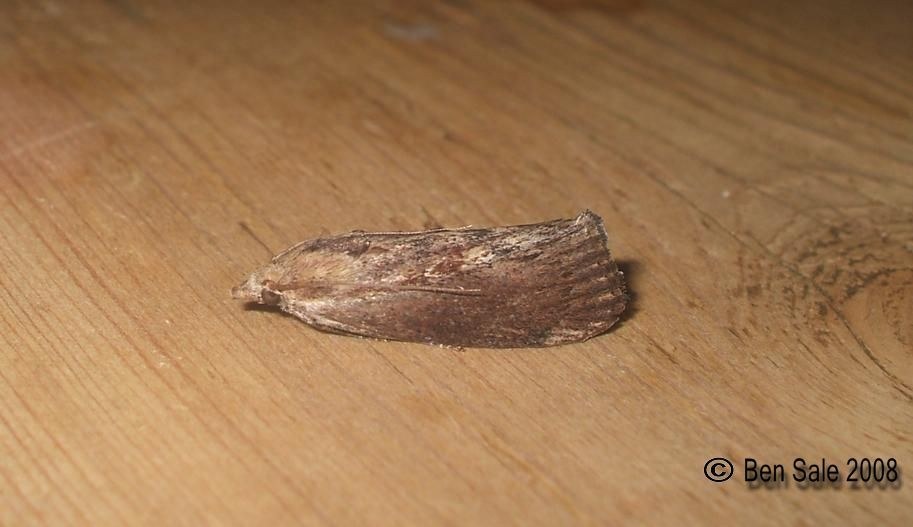
Waxworm
A soft, cream-colored grub found tunneling through beeswax comb, the waxworm is the larva of the wax moth and has become a household staple as fishing bait and reptile feed.
caterpillar-larva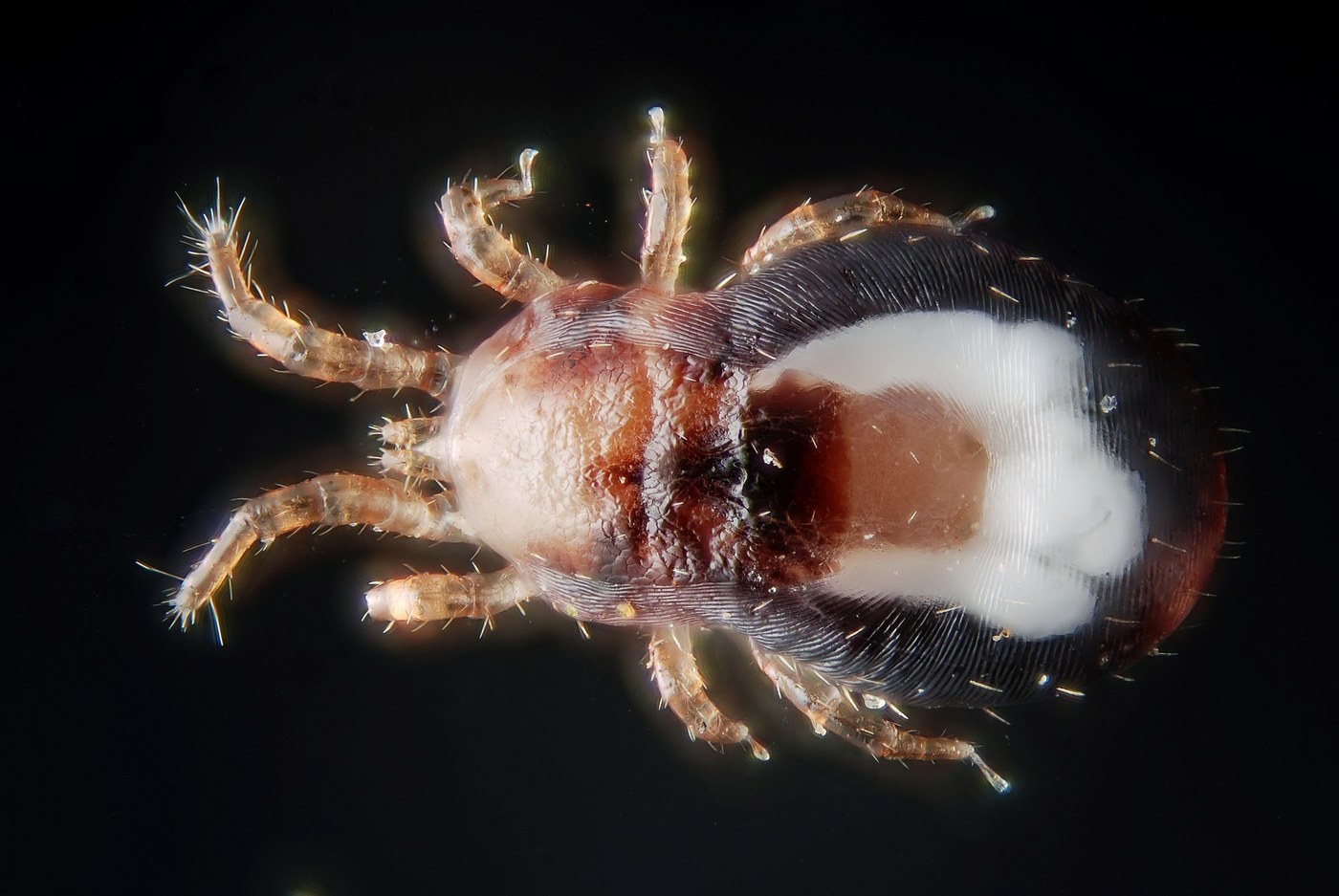
Chicken Mite
A tiny, blood-feeding mite that hides in cracks and crevices of poultry housing by day and emerges at night to feed on roosting birds, turning a dull gray to deep red after a blood meal.
arachnid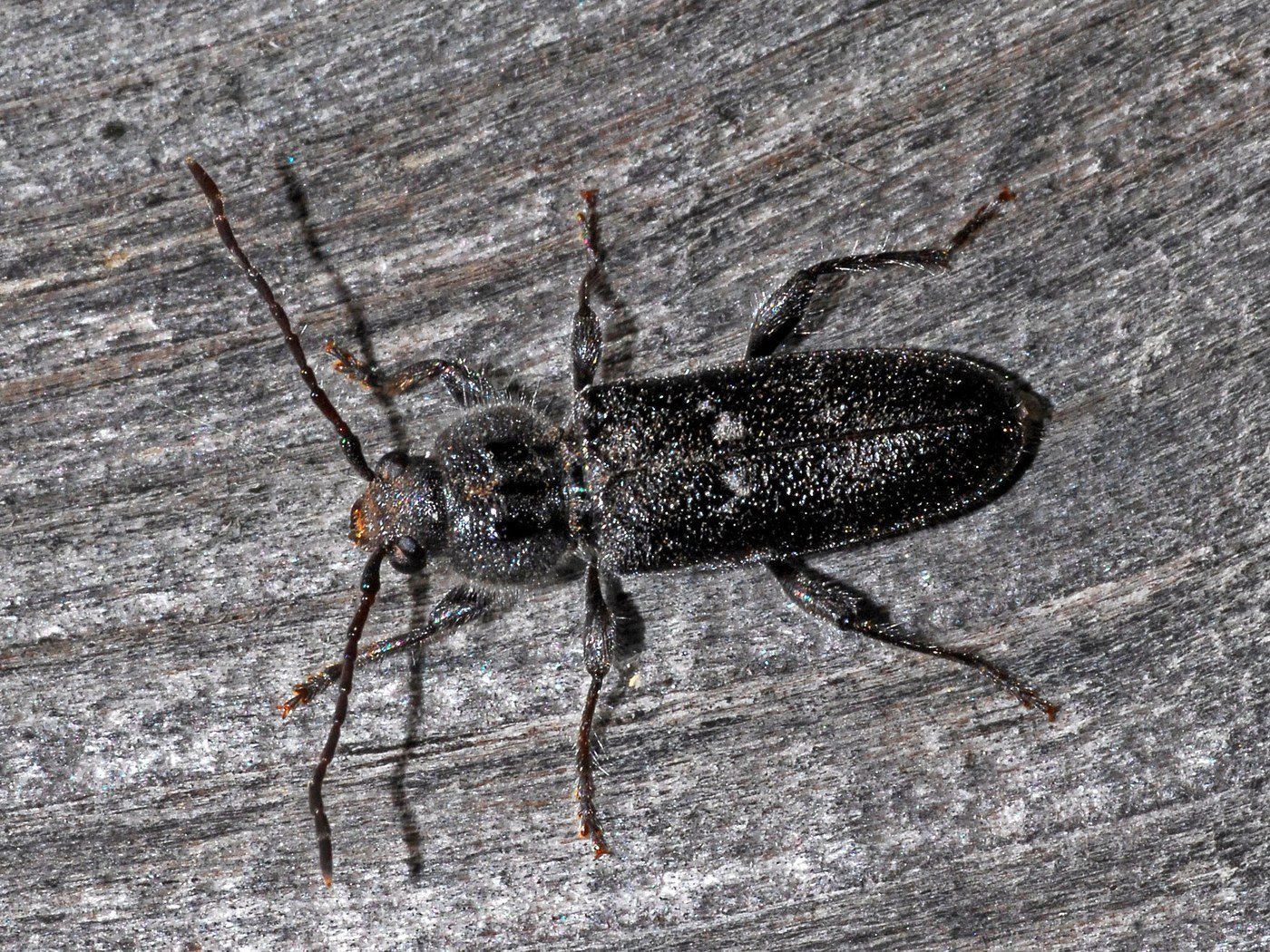
Old House Borer
A grayish-brown to nearly black longhorn beetle whose larvae bore extensively through structural softwood, capable of causing large galleries hidden beneath the wood surface.
beetleBark Beetle
A tiny, cylindrical, dark-bodied beetle that tunnels beneath tree bark, leaving distinctive branching gallery patterns as the clearest sign of its presence.
beetle