
Wax Moth
Galleria mellonella
A plain grey-brown moth whose larvae tunnel through beeswax honeycomb, spinning silk webbing as they feed, making it a well-known pest of beekeeping operations.
- Size
- 25–35 mm wingspan
- Habitat
- Beehives, apiaries, stored beeswax and comb
- Danger
- Nuisance pest
Spotted a bug like this?
Identify any bug or insect from a photo, free.
Overview
The Wax Moth, most often referring to the Greater Wax Moth, is a member of the snout moth family Pyralidae, notable for a larval stage that has co-evolved closely with honey bee colonies. Its caterpillars are among the very few organisms capable of digesting beeswax, feeding through honeycomb and leaving behind tunnels lined with silk webbing.
The adult moth itself is unremarkable in appearance, mottled grey-brown and easily overlooked, but its ecological association with beehives has made it one of the most studied pest species in apiculture, as well as a subject of broader scientific interest due to its wax-digesting enzymes and its use as a model organism in some laboratory research.
Ecologically the species is a specialized scavenger of weakened or abandoned bee colonies in the wild, where it plays a role in breaking down old comb, though its presence in managed, healthy hives is generally viewed as undesirable by beekeepers.
How to Identify
- Adult forewings are mottled grey-brown to tan with subtle darker patterning, providing effective camouflage against wood and old comb.
- Hindwings are paler, often creamy-grey, and mostly hidden at rest.
- Body is moderately stout with a slightly upturned, snout-like head profile typical of pyralid moths.
- The larva is a pale, whitish-grey caterpillar with a darker head, found within tunnels bored through wax comb and lined with silk.
- Lookalikes include the smaller Lesser Wax Moth, but the Greater Wax Moth is notably larger and found specifically in association with beeswax comb.
Habitat & Range
Found nearly worldwide wherever honey bee colonies occur, as it depends on beeswax comb for larval development. It is most commonly encountered in beehives, apiaries, and stored beeswax or comb materials, including weak, abandoned, or poorly maintained colonies where it can establish readily. Development is favored by warm temperatures, and the species can persist year-round in managed hives or stored comb kept in heated conditions.
Behavior & Diet
The larvae tunnel actively through beeswax comb, feeding on wax, pollen, and debris within the comb while spinning silk threads that reinforce their tunnels, sometimes causing extensive structural damage to comb in weak or unattended colonies. Adults do not feed extensively and are primarily active at night, when females enter hives to lay eggs in cracks and crevices, often favoring colonies with reduced bee populations that are less able to defend against them. Within its natural role, the species acts as a decomposer of old or abandoned wax comb, though in managed apiaries it is generally regarded as a pest of stored equipment and weakened colonies.
Life Cycle
Females lay large numbers of eggs in cracks or crevices near comb, often at night. Larvae hatch and immediately begin tunneling into wax comb, feeding and growing through several instars while spinning silk galleries, before pupating in a tough silken cocoon often tucked into a groove chewed into wood or comb frames. Development from egg to adult can occur in as little as a few weeks under warm conditions, allowing multiple overlapping generations per year, particularly in heated storage or year-round managed hives.
Frequently asked questions
Can it really eat beeswax?
Yes, its larvae are among the few organisms able to digest beeswax, tunneling through honeycomb and leaving behind silk-lined galleries as they feed.
Is it the same as the Lesser Wax Moth?
No, the Lesser Wax Moth is a related but distinct, smaller species; the Greater Wax Moth described here is notably larger.
Where would I encounter this moth?
It is almost always found in association with beehives, apiaries, or stored beeswax comb, rather than in general outdoor habitats.
How fast does it develop?
Under warm conditions it can complete its life cycle from egg to adult in just a few weeks, allowing several generations per year.
Wax Moth guides
In-depth guides for identifying, understanding, and living alongside Wax Moth.
Other bugs you may enjoy
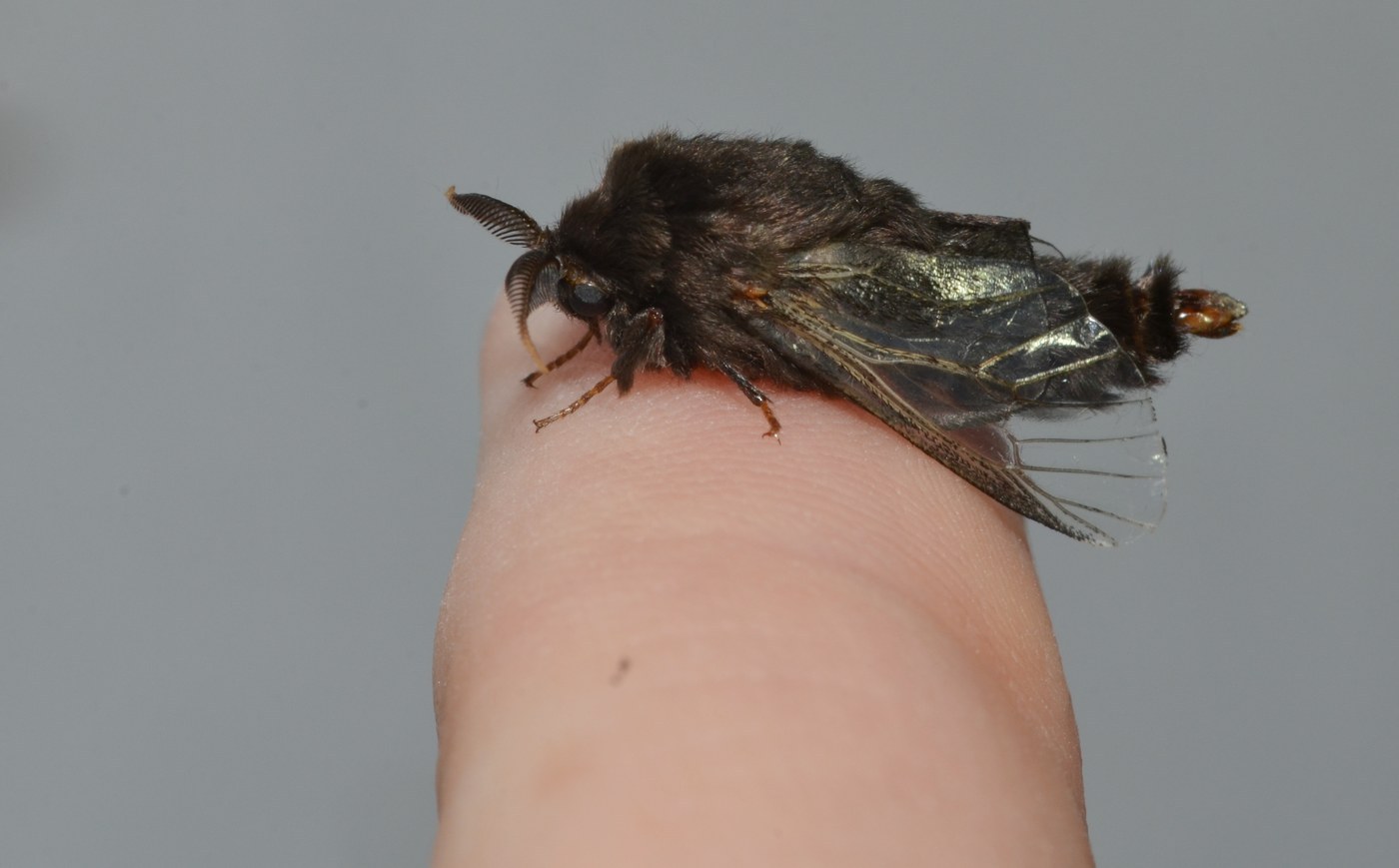
Bagworm Moth
Coniferous and deciduous trees, shrubs, hedges
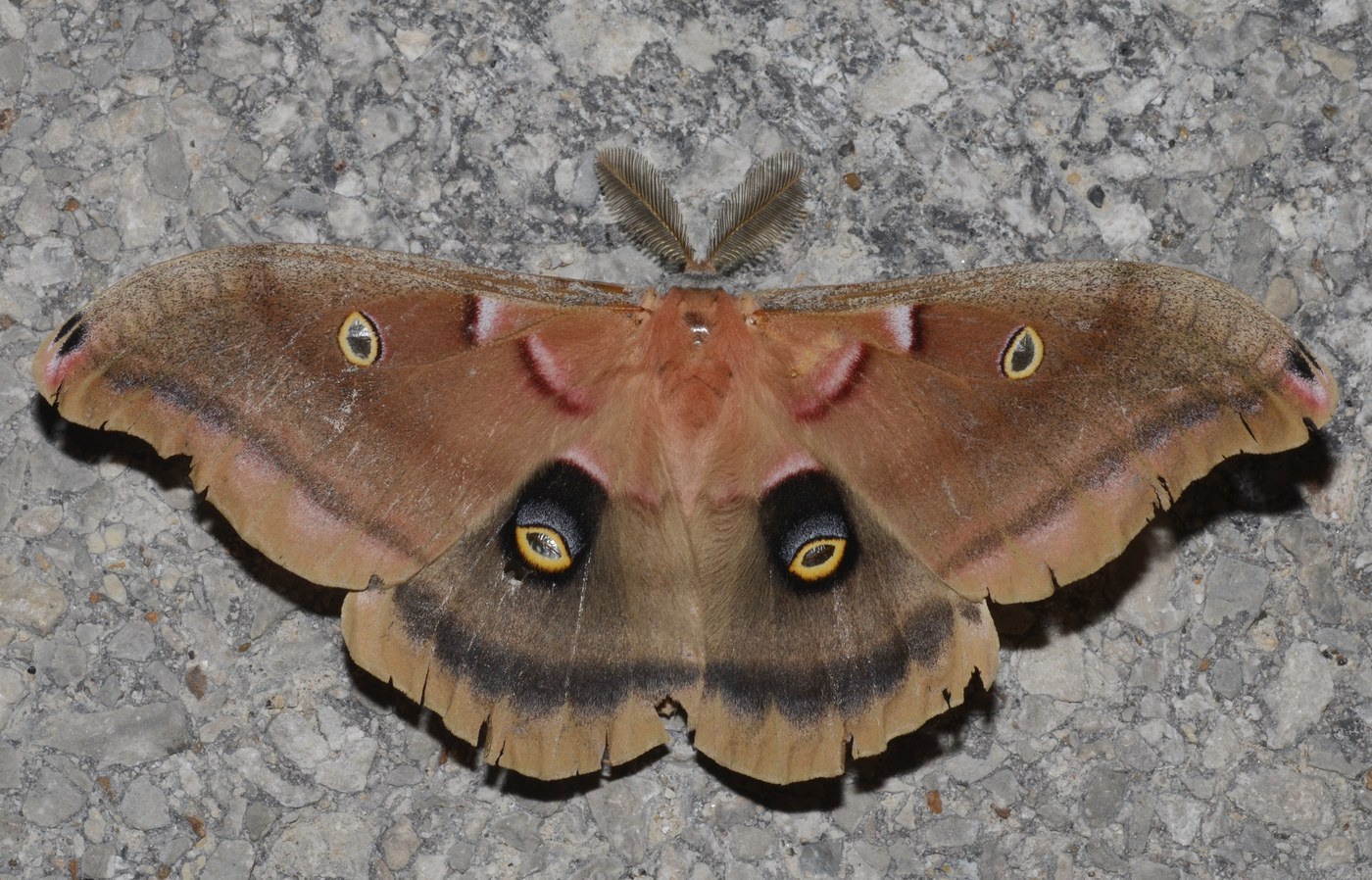
Antheraea Silkmoth
Deciduous forests, woodland edges, orchards
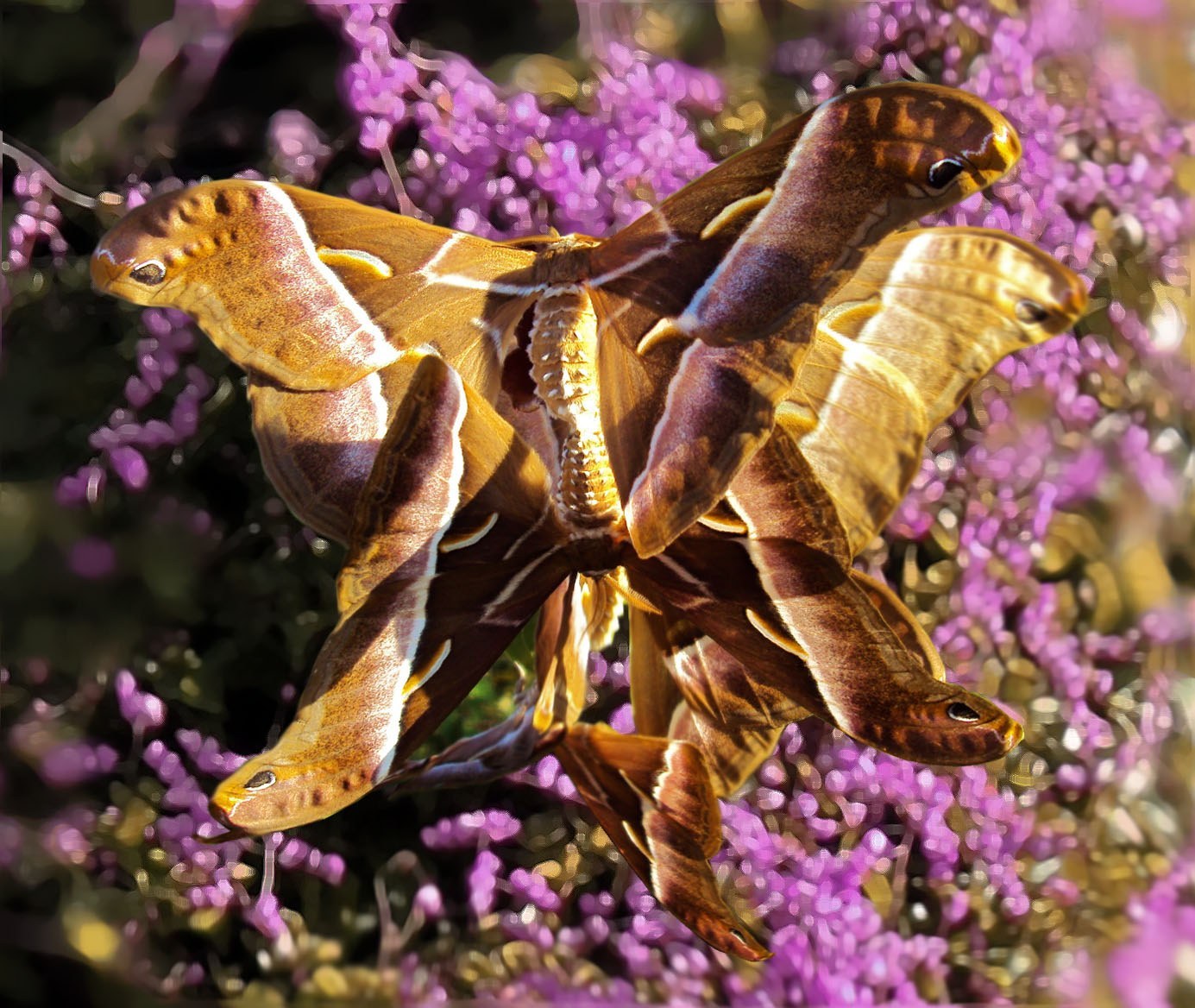
Ailanthus Silkmoth (Cynthia Moth)
Urban parks, wastelands, and woodland edges with tree-of-heaven; native to Asia, introduced in North America and Europe
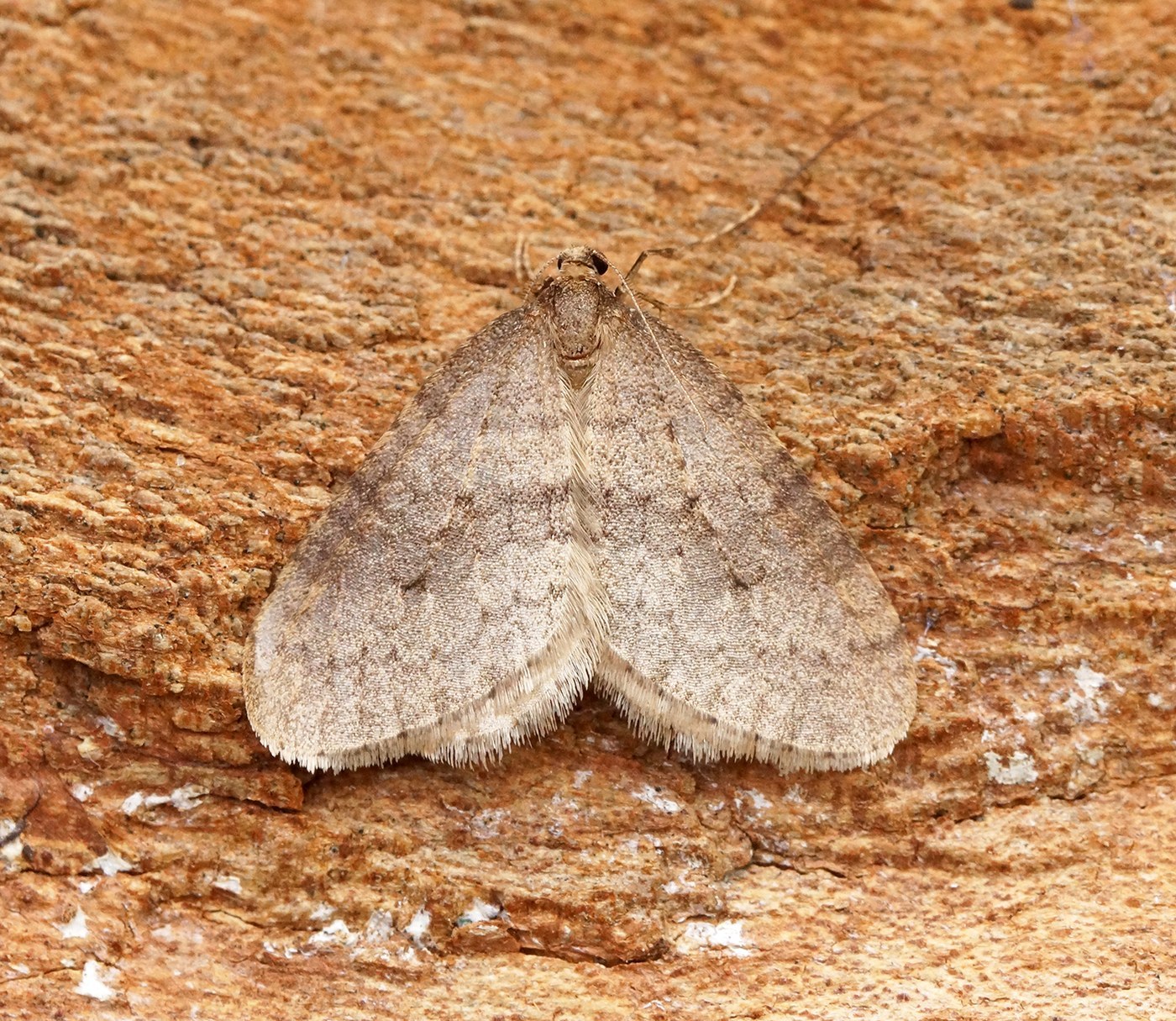
Winter Moth
Deciduous woodland, orchards, gardens, hedgerows
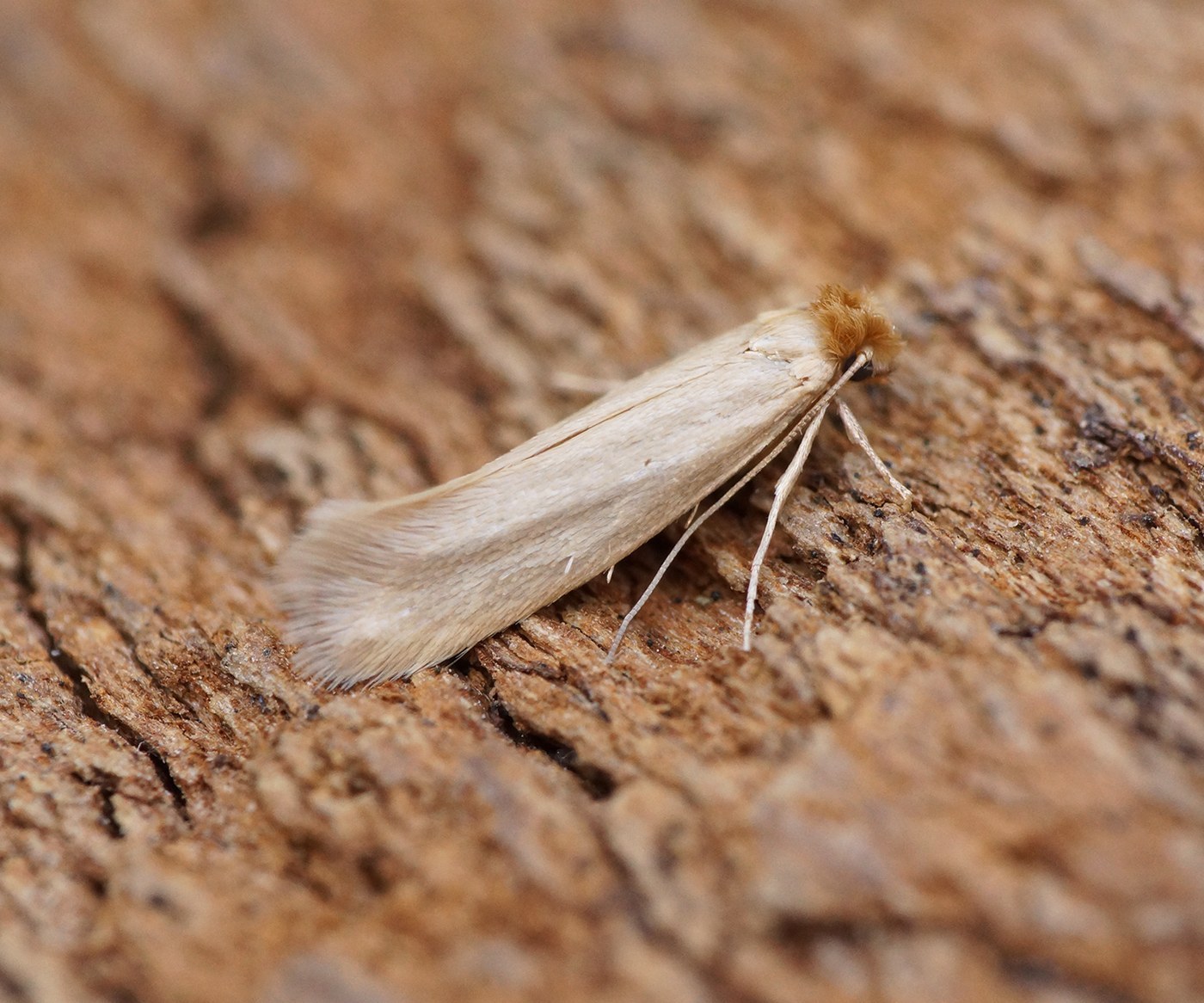
Webbing Clothes Moth
Dark closets, storage areas, and animal nests worldwide
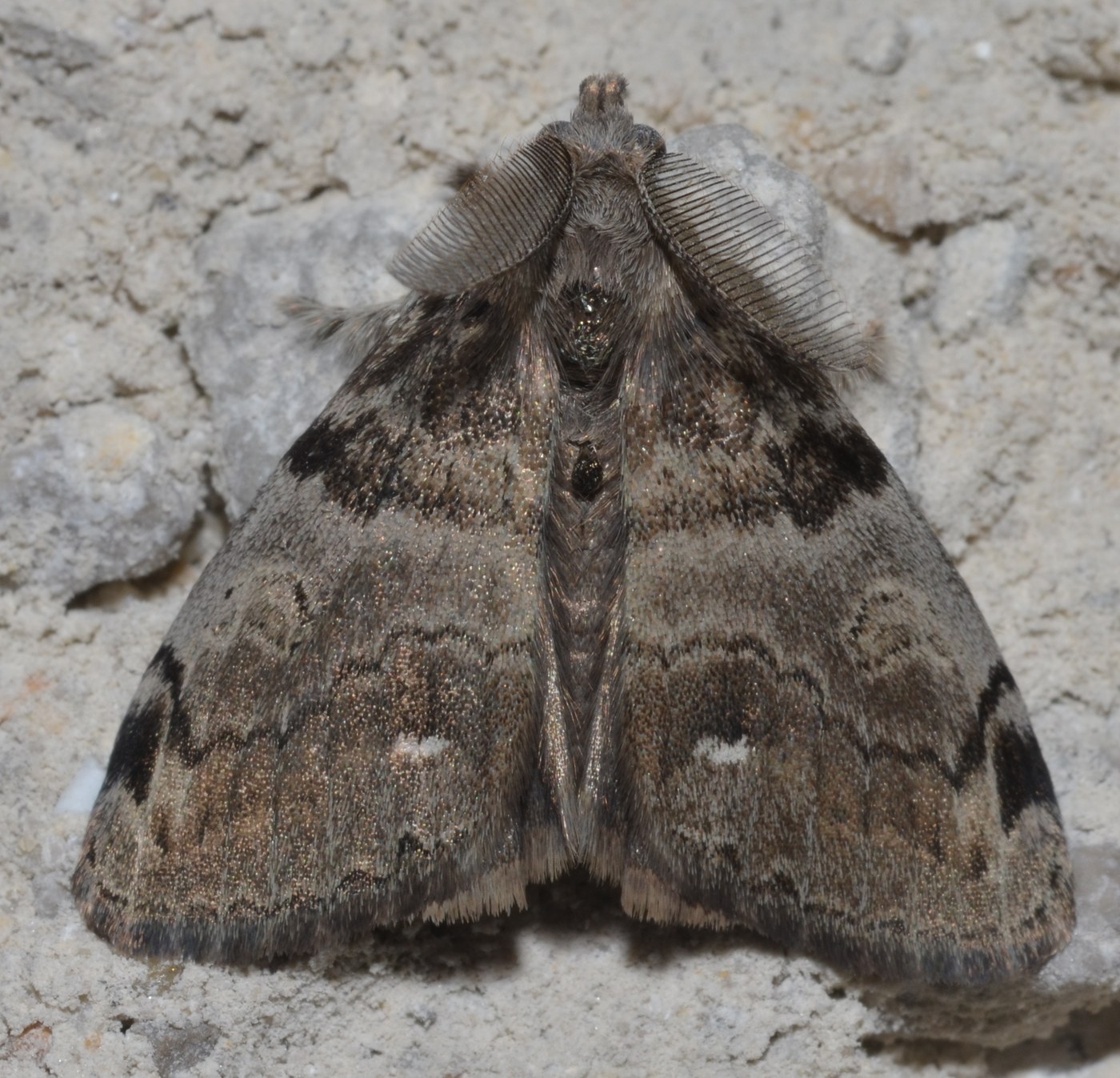
Tussock Moth
Deciduous forests, parks, gardens
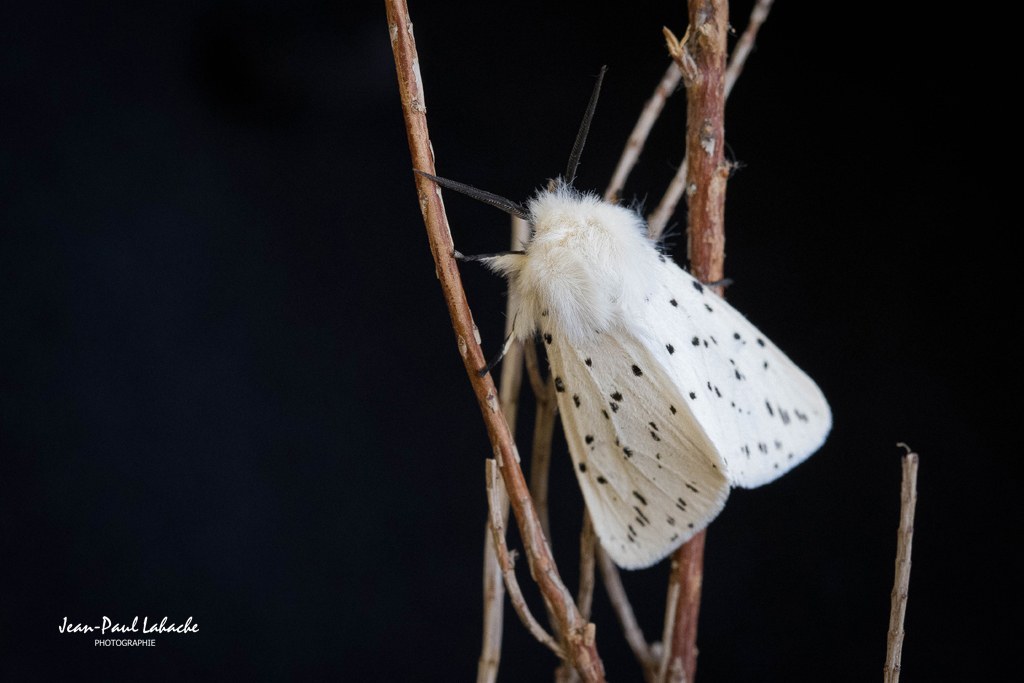
White Ermine Moth
Gardens, meadows, hedgerows
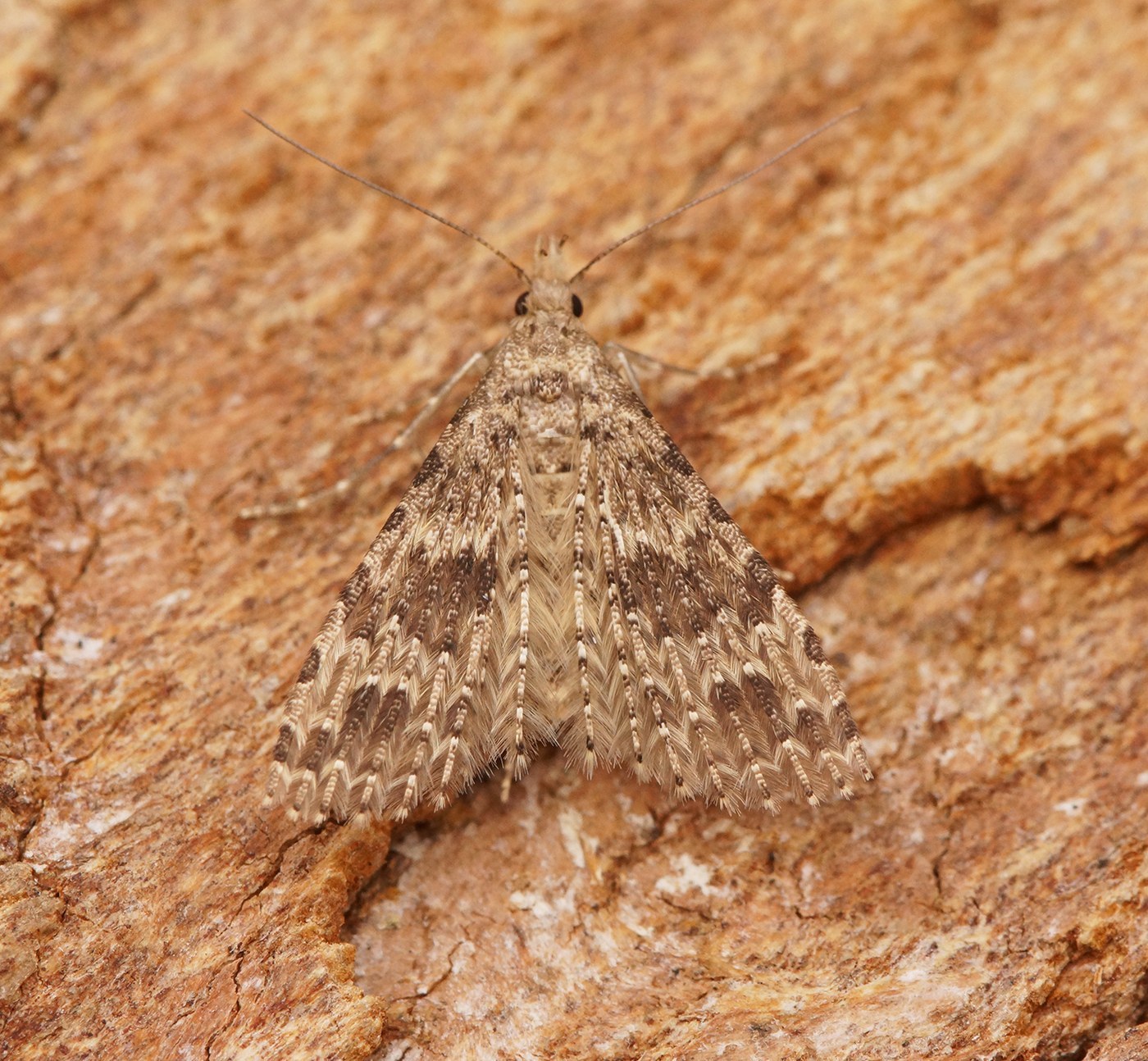
Twenty-plume Moth
Gardens, hedgerows, near honeysuckle
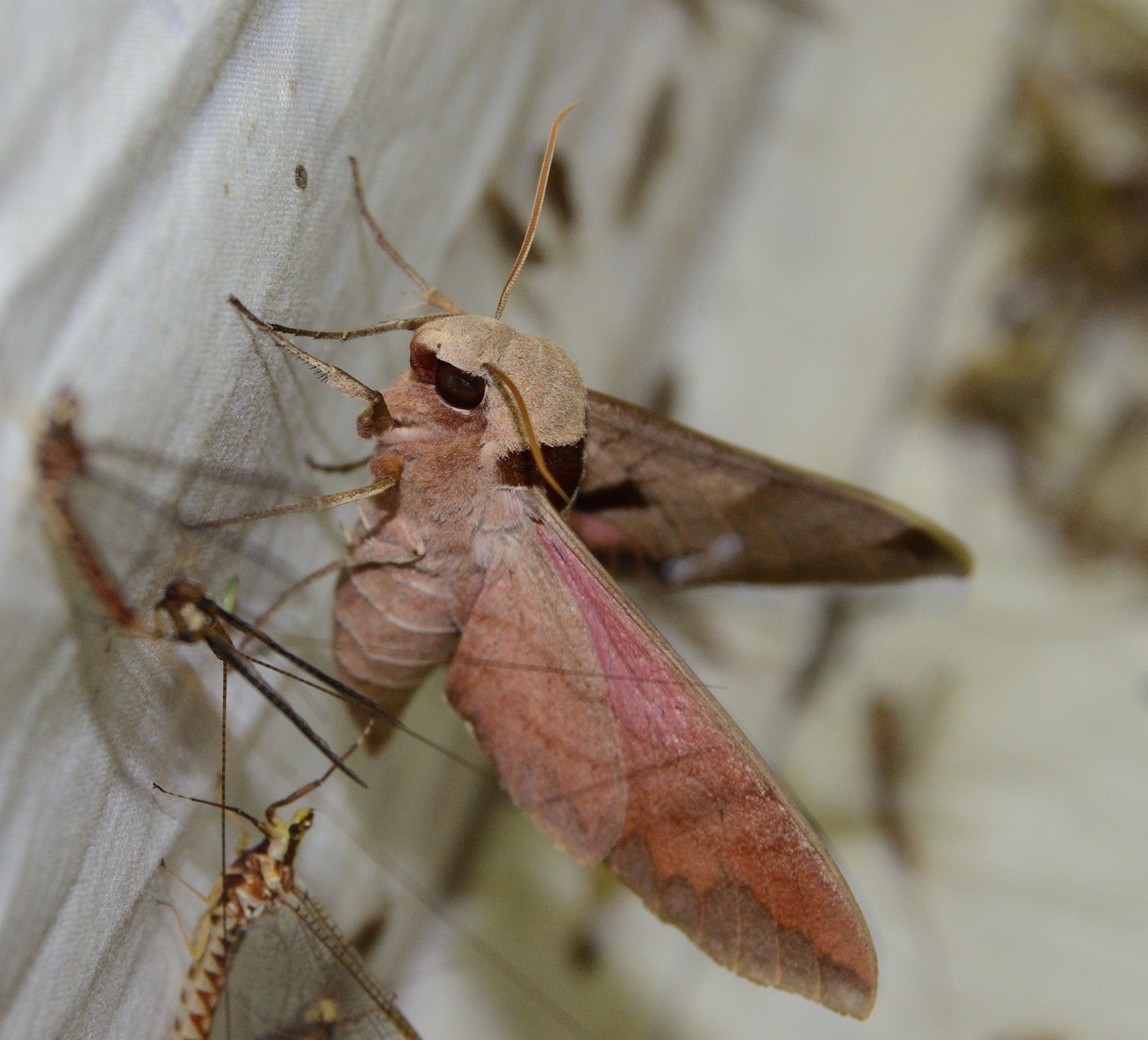
Achemon Sphinx Moth
Vineyards, woodland edges, gardens with wild grape
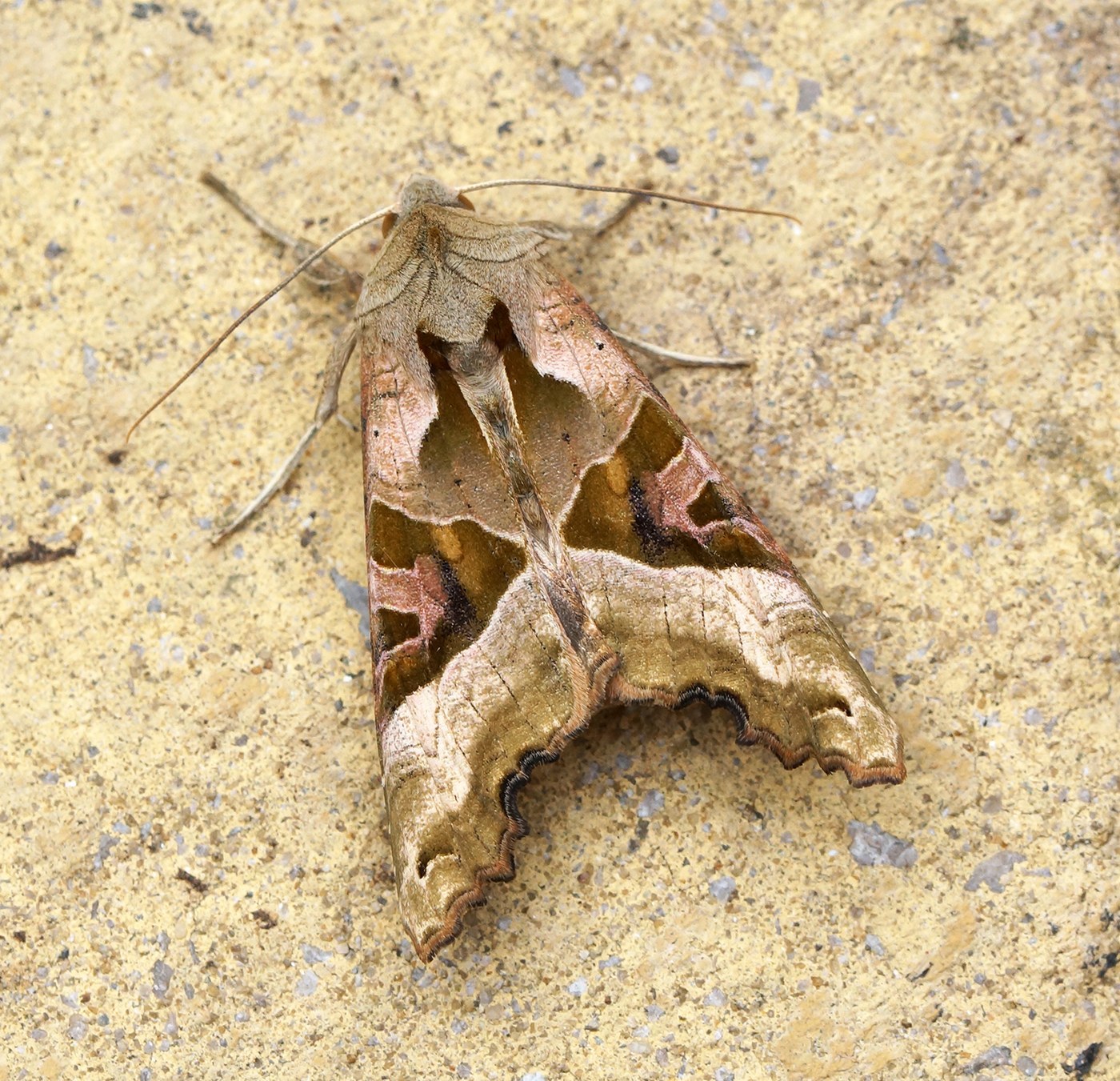
Angle Shades Moth
Gardens, hedgerows, woodland edges, urban parks
Atlas Moth
Tropical and subtropical lowland forests of Southeast Asia
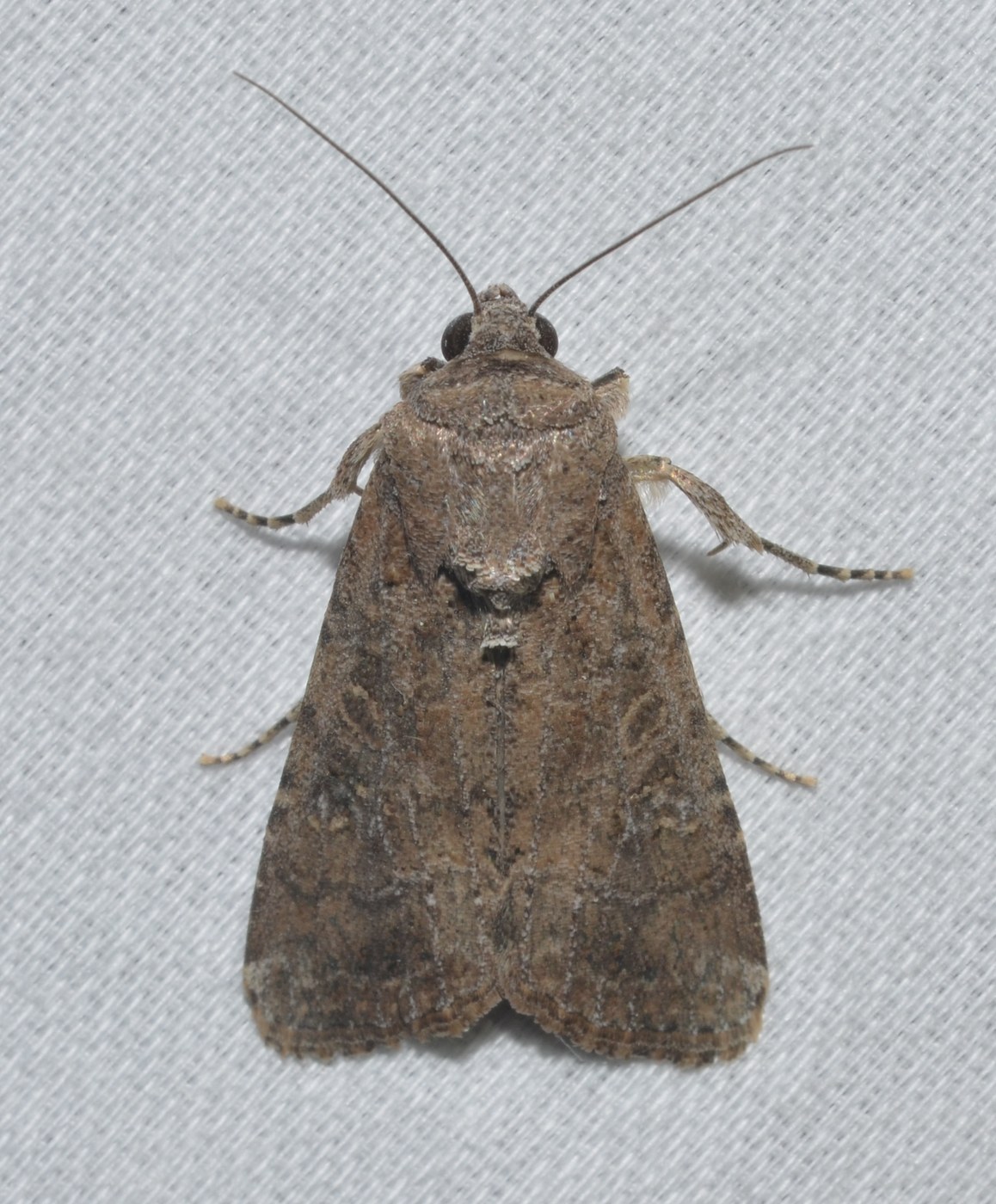
Armyworm Moth
Grasslands, pastures, farmland