
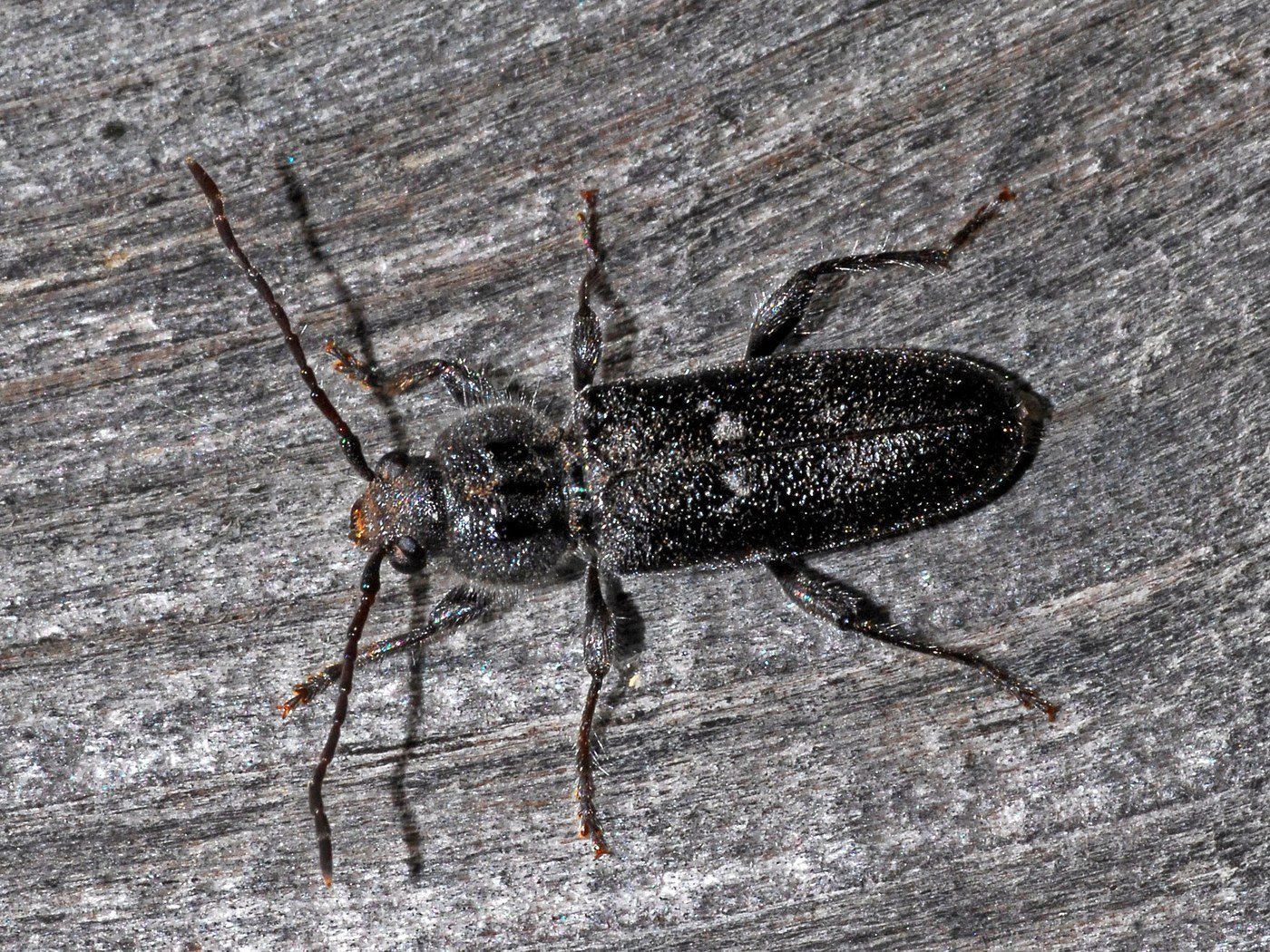
Old House Borer
Hylotrupes bajulus
A grayish-brown to nearly black longhorn beetle whose larvae bore extensively through structural softwood, capable of causing large galleries hidden beneath the wood surface.
- Size
- 10–22 mm
- Habitat
- Seasoned softwood structural timber, roof framing, attics
- Danger
- Nuisance pest
Spotted a bug like this?
Identify any bug or insect from a photo, free.
Overview
The old house borer is a wood-boring longhorn beetle in the family Cerambycidae, a large and diverse group known for their long antennae and often striking body forms. Unlike many longhorn beetles that favor hardwoods, this species specializes in seasoned softwood such as pine and fir, which places it squarely within structural timber used in home framing and roofing.
Native to Europe and North Africa, the old house borer has spread to other continents through the movement of lumber and wood products, becoming established in various temperate regions. It is notable among wood-boring beetles for the potential extent of its larval tunneling, which can be extensive within a single timber before the beetle emerges as an adult.
The species' common name reflects its long history of association with aging wooden structures, where its presence has been documented for well over a century in some regions.
How to Identify
- Elongated, somewhat flattened body 10–22 mm long, colored dull grayish-brown to blackish, often with patches of fine gray hair on the elytra forming faint transverse bands.
- Antennae are long, though shorter relative to body length than in many other longhorn beetles, and legs are moderately long.
- Wing covers have two small, shiny, hairless bumps near the base, a useful identifying feature.
- Larvae are large, creamy white, and legless, with a distinctly robust, segmented grub-like body reaching up to 3 cm.
- Lookalikes include other longhorn beetles, but the old house borer's association with softwood framing timber and the paired shiny elytral bumps help distinguish it.
Habitat & Range
Old house borers are found in seasoned softwood used in building construction, particularly roof timbers, attic framing, and structural beams made from pine or fir. Native populations also occur in dead or dying coniferous trees in forests, though the species is now most commonly encountered in human structures across parts of Europe, North Africa, and introduced populations elsewhere.
Adults are typically active in summer, when warm attic temperatures favor their emergence and flight, while larvae remain hidden within timber for extended periods, often in warm, dry roof spaces.
Behavior & Diet
Larvae tunnel extensively through the sapwood of softwood timber, feeding on the wood fibers and creating irregular galleries that can run with the grain over long distances. Adults do not feed substantially and instead focus their short lifespan on mating and locating suitable softwood for egg-laying, often favoring warm, sun-exposed roof timbers.
In forest habitats, related activity by wood-boring longhorn beetles contributes to the breakdown of dead coniferous wood. Within buildings, the old house borer is considered a structural timber pest due to the scale of its larval tunneling, though no treatment methods are addressed here.
Life Cycle
Development is by complete metamorphosis: egg, larva, pupa, and adult. Eggs are laid in cracks and crevices of bare or lightly finished softwood, and larvae bore inward upon hatching.
The larval stage is lengthy, often lasting three to ten years or more depending on wood conditions and climate, making this one of the longer larval periods among common structural wood-boring beetles. After pupating near the wood surface, adults emerge through an oval exit hole, mate, and the cycle continues, with reinfestation of the same timber possible across multiple generations.
Frequently asked questions
How is the old house borer different from typical furniture beetles?
It is considerably larger, targets structural softwood such as roof framing rather than fine furniture, and belongs to the longhorn beetle family rather than the smaller anobiid beetles.
What does old house borer damage look like?
Extensive irregular tunneling within softwood timber, often hidden beneath a thin surface layer, with oval exit holes when adults emerge.
How long can larvae live inside wood?
The larval stage can last many years, sometimes a decade or more, depending on the wood and environmental conditions.
Where did the old house borer originate?
It is native to Europe and North Africa and has been introduced to other regions through the trade of wood products.
Old House Borer guides
In-depth guides for identifying, understanding, and living alongside Old House Borer.
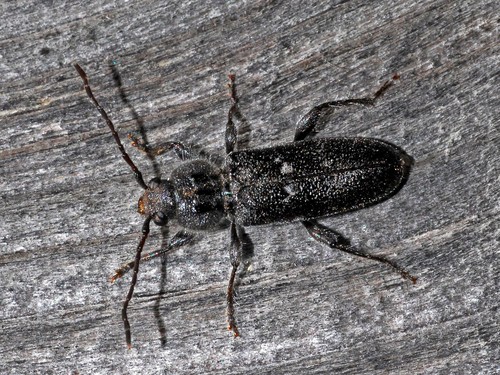
Old House Borer identified by the community
Real finds identified with Bug Identifier.
Other bugs you may enjoy
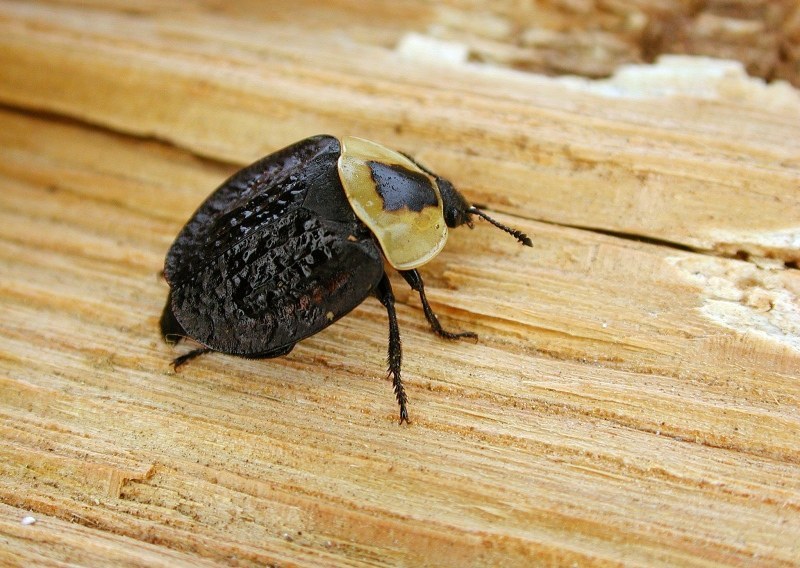
American Carrion Beetle
Forests, fields, and roadsides across North America, near decaying animal carcasses
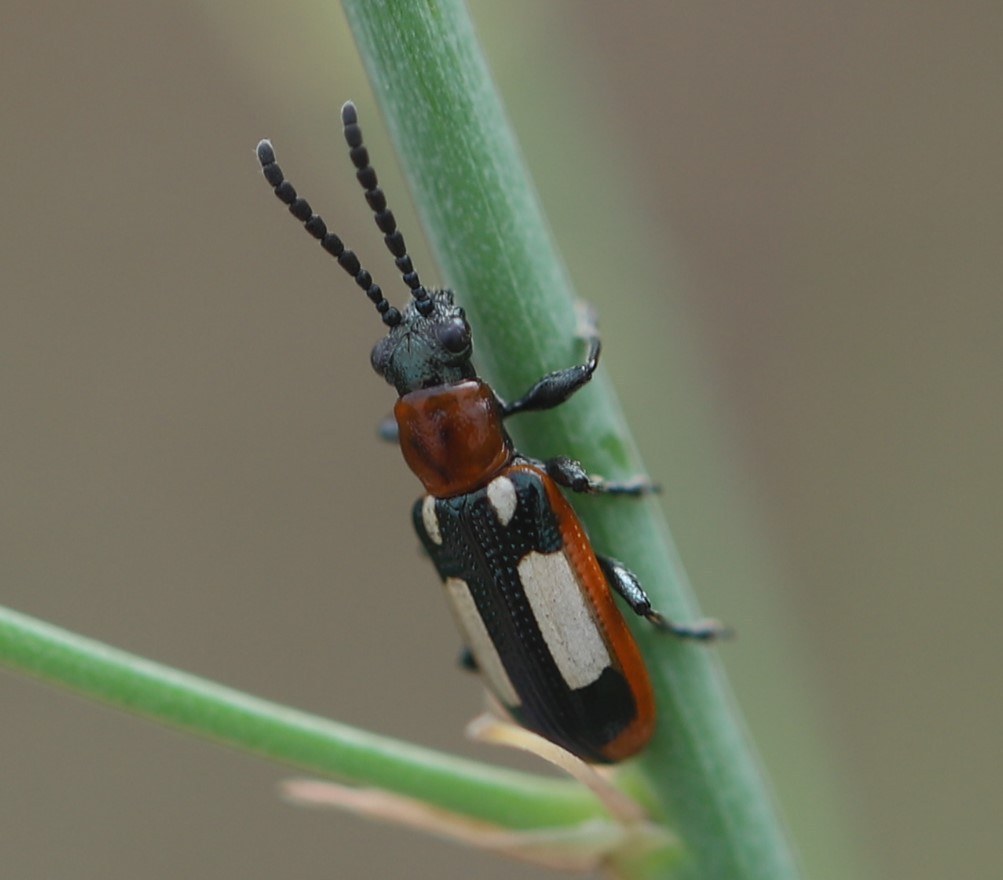
Asparagus Beetle
Asparagus patches, gardens, and farm fields
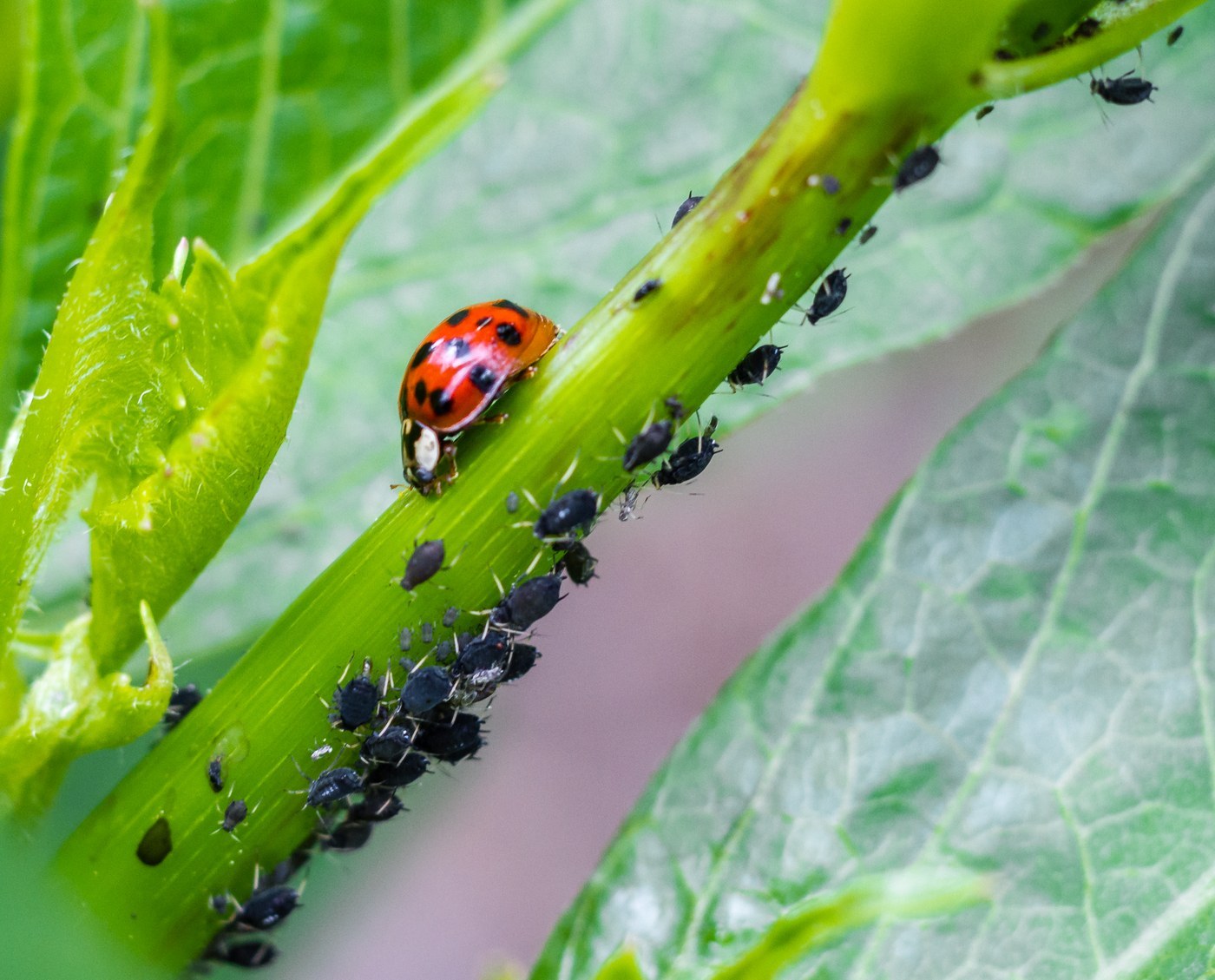
Asian Lady Beetle
Gardens, crop fields, woodlands, buildings
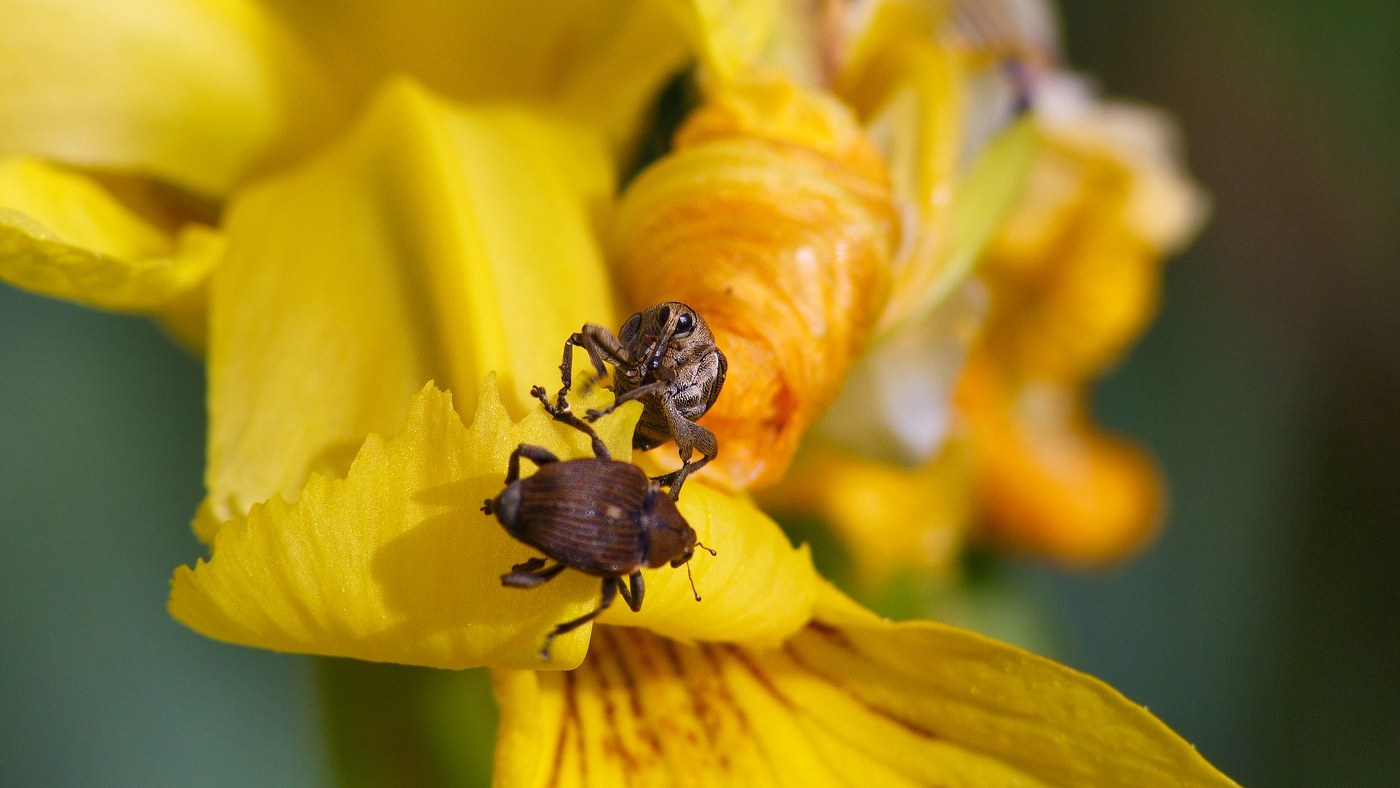
Acorn Weevil
Oak woodlands and forests, on and beneath oak trees
Wireworm
Soil of grasslands, gardens, and cultivated fields worldwide
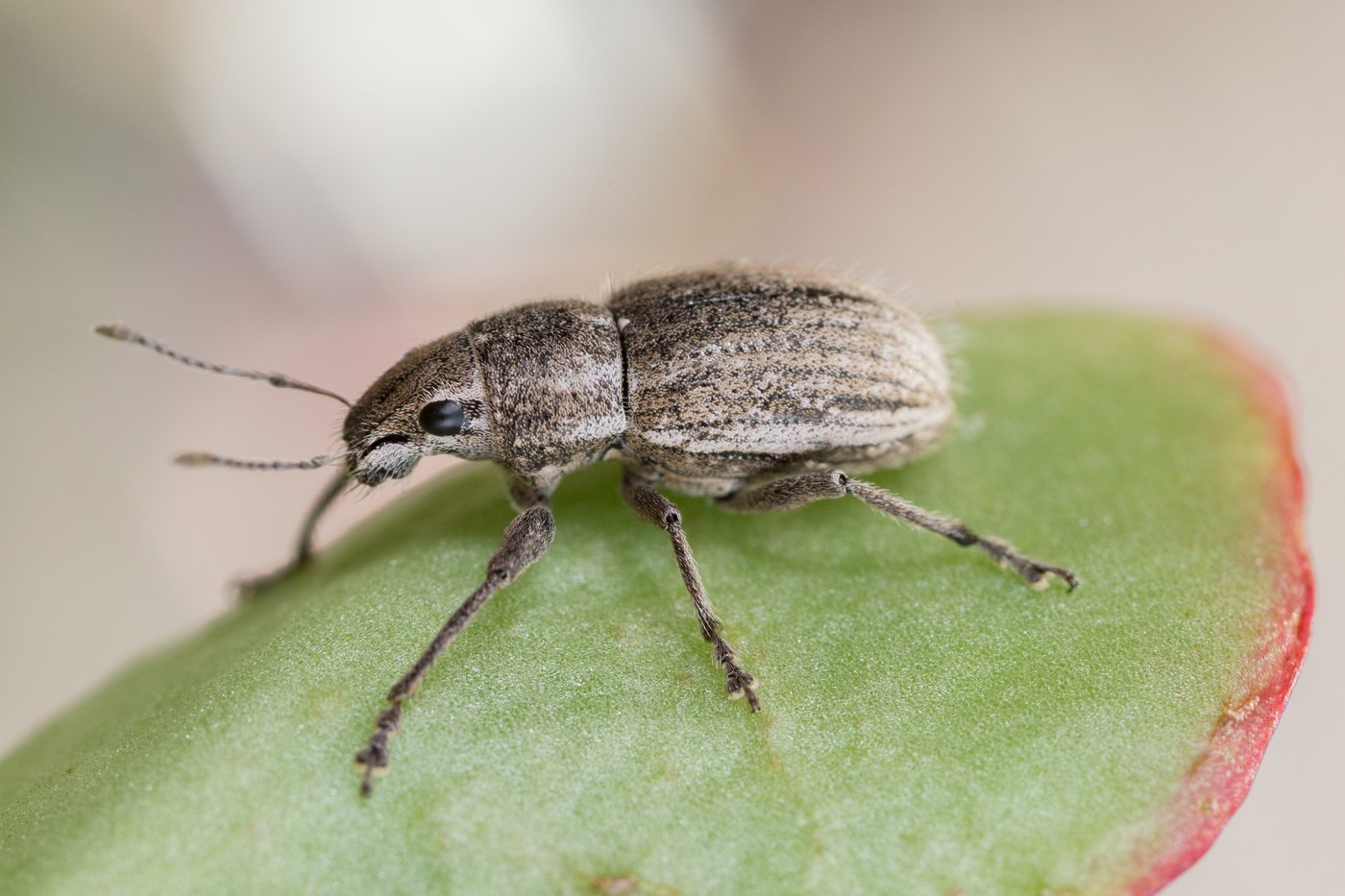
Whitefringed Beetle
Pastures, row crops, lawns, disturbed soils
Vine Weevil
Gardens, nurseries, greenhouses, and container plantings
Varied Carpet Beetle
Homes, nests of birds and mammals, and flowers outdoors
Atlas Beetle
Tropical forests of Southeast Asia
Titan Beetle
Amazon rainforest of South America
Ten-lined June Beetle
Sandy soils, pine forests, and orchards of western North America
Squash Beetle
Vegetable gardens and fields growing squash, pumpkin, and other cucurbits