
Waxworm
Galleria mellonella
A soft, cream-colored grub found tunneling through beeswax comb, the waxworm is the larva of the wax moth and has become a household staple as fishing bait and reptile feed.
- Size
- Up to 2.5-3 cm (1 in) long
- Habitat
- Beehives and stored honeycomb worldwide; also reared commercially
- Danger
- Harmless
Spotted a bug like this?
Identify any bug or insect from a photo, free.
Overview
'Waxworm' is the common name for the larvae of wax moths, most often the greater wax moth, Galleria mellonella, and to a lesser extent the smaller lesser wax moth, Achroia grisella. Both species are found worldwide and are strongly associated with honeybee colonies, where the larvae feed on beeswax, pollen, and debris within the hive.
In the wild, wax moths lay their eggs in or near beehives, and the resulting larvae tunnel through combs, leaving silk-lined galleries behind. Because they thrive on a diet centered on wax, they are considered a pest of stored honeycomb, though they play no comparable role outside of bee-associated habitats.
Waxworms are also mass-reared commercially, largely for use as live food for pet reptiles, amphibians, and birds, and as bait in recreational fishing, making the larva far more familiar to most people in this context than in its natural hive setting.
How to Identify
- Body is soft, plump, and cream to pale yellow in color, with a segmented, grub-like shape
- Reaches roughly 2.5-3 cm (about 1 in) in length at maturity
- Has a small, distinct brownish head capsule at one end
- Moves in a looping or wriggling fashion rather than crawling like a true caterpillar with strong prolegs
- Found inside silk-lined tunnels within wax comb, rather than out in the open on foliage
Habitat & Range
Naturally found inside honeybee hives and stored beeswax comb worldwide, wherever honeybee colonies occur. Commercially reared waxworms are raised indoors on a grain- and wax-based diet for the pet and bait trade.
Behavior & Diet
Larvae feed on beeswax, pollen, and hive debris, tunneling through combs and lining their galleries with silk as they grow. This wax-based diet is unusual among insects, and wax moth larvae possess gut microbes that assist in breaking down the wax. Within a hive, they are considered a pest of stored comb, particularly in weak or unattended colonies, but outside of hive settings they have little ecological role beyond serving as a food source for insectivorous animals.
Life Cycle
Adult female wax moths lay eggs in crevices near or within beehives. Larvae hatch and tunnel into comb, feeding and growing through several instars over a few weeks under warm conditions. Mature larvae spin a tough silk cocoon, often in a protected crevice at the edge of the hive, and pupate before emerging as adult moths. Multiple generations can occur per year in warm conditions, with development slowing or pausing in cooler temperatures.
Frequently asked questions
What do waxworms eat?
In the wild they feed on beeswax, pollen, and other debris inside honeybee hives; commercially reared waxworms are raised on a grain-and-wax-based diet.
Why are waxworms considered a hive pest?
Their larvae tunnel through and consume stored beeswax comb, which can damage combs in weak or unattended honeybee colonies.
What is the difference between a waxworm and a mealworm?
Waxworms are moth larvae with a soft, smooth body, while mealworms are beetle larvae with a harder, more segmented exoskeleton; the two are unrelated despite similar uses as feeder insects.
What does the adult wax moth look like?
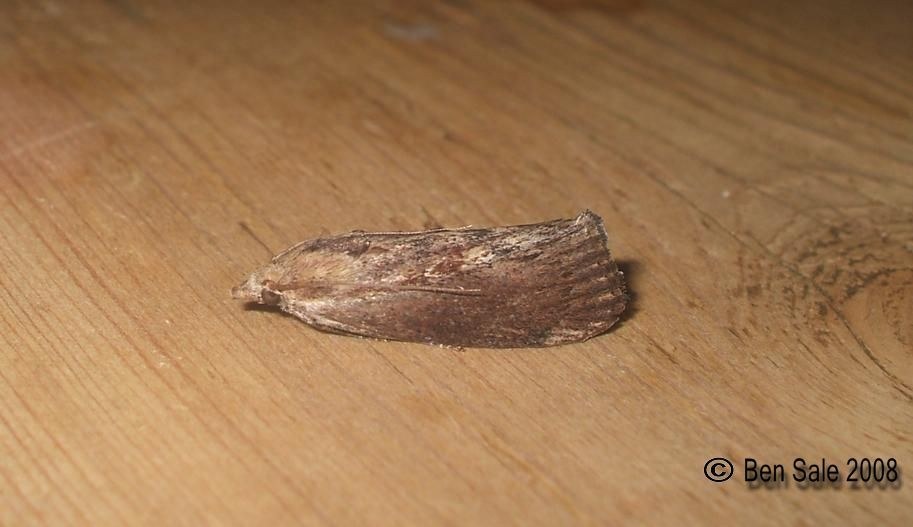
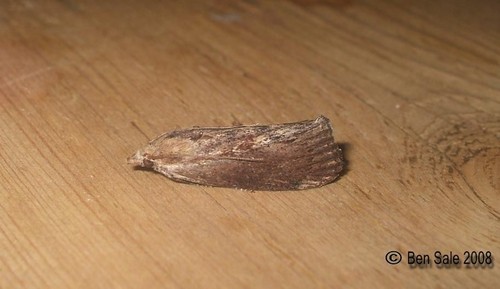
The adult is a modest grayish-brown moth with a narrow body, rarely noticed compared to its more familiar larval stage.
Waxworm guides
In-depth guides for identifying, understanding, and living alongside Waxworm.
Waxworm identified by the community
Real finds identified with Bug Identifier.
Other bugs you may enjoy
Bagworm
Trees and shrubs, especially conifers and ornamental landscaping
Armyworm
grasslands, pastures, and cereal crop fields
Zebra Longwing Caterpillar
Tropical and subtropical hammocks with passionflower vines
Tomato Hornworm
Gardens and fields with tomato, pepper, and other nightshade plants
Tent Caterpillar
Deciduous trees such as cherry, apple, and other rosaceous species
Tobacco Hornworm
tobacco, tomato, and pepper plants in gardens and fields
Woolly Bear Caterpillar
Gardens, meadows, roadsides, and woodland edges across North America
Sod Webworm
Turfgrass lawns, golf courses, pastures
Spiny Oak-slug Caterpillar
Deciduous forests and woodland edges with oak and other hardwoods
Saddleback Caterpillar
Deciduous trees and shrubs in eastern and southern North America
Stinging Rose Caterpillar
Gardens and woodlands with rose, dogwood, or oak
Silkworm
Reared exclusively in captivity on mulberry leaves; no independent wild population