
Bark Beetle
Scolytinae spp.
A tiny, cylindrical, dark-bodied beetle that tunnels beneath tree bark, leaving distinctive branching gallery patterns as the clearest sign of its presence.
- Size
- 2–6 mm
- Habitat
- Under bark of stressed, dying, or dead trees in forests
- Danger
- Nuisance pest
Spotted a bug like this?
Identify any bug or insect from a photo, free.
Overview
Bark beetles are a large group of small beetles in the subfamily Scolytinae, family Curculionidae, order Coleoptera, named for their habit of living and feeding within the bark and wood of trees. Well-known genera such as Dendroctonus and Ips include species that are significant in forest ecology.
These tiny beetles tunnel through the inner bark (phloem) of trees, creating distinctive branching gallery patterns that are often the most visible sign of their presence, since the beetles themselves are small and hidden beneath the bark.
Bark beetles play a natural role in forest turnover by attacking stressed, weakened, or dead trees, though certain species are also recognized as significant forest and timber pests capable of affecting large areas of woodland.
How to Identify
- Very small, cylindrical, hard-bodied beetles typically 2–6 mm long
- Coloring usually dark brown to black, sometimes with a reddish tinge
- Body shape compact and rounded at both ends, adapted for tunneling through wood
- Rarely seen on the surface; identification is often based on distinctive branching tunnel (gallery) patterns visible beneath bark
- Small, boring entrance holes and fine sawdust-like frass at the base of infested trees are common identification clues
Habitat & Range
Bark beetles are found in coniferous and, less commonly, hardwood forests across temperate and boreal regions worldwide, wherever suitable host trees grow. They favor trees already weakened by drought, disease, or injury, though some species can attack healthier trees during population outbreaks.
Activity generally peaks during the warmer months when adults disperse to find new host trees, with larvae developing under the bark through the following seasons.
Behavior & Diet
Adult bark beetles bore into the bark of host trees, releasing chemical signals (pheromones) that can attract other beetles to the same tree, sometimes resulting in a mass, coordinated attack. Once inside, beetles excavate tunnels in the phloem layer where eggs are laid and larvae subsequently feed.
By targeting weakened or dead trees, bark beetles contribute to natural forest turnover and nutrient cycling, and their galleries provide habitat access points for fungi and other wood-decomposing organisms. They are, in turn, preyed upon by woodpeckers and predatory insects that specialize in locating beetles beneath bark.
Life Cycle
Bark beetles undergo complete metamorphosis. Adult females bore into bark and excavate egg galleries, laying eggs along the tunnel walls, and the hatched larvae extend their own feeding tunnels perpendicular to the main gallery as they consume the inner bark.
Larvae pupate within the bark, and new adults chew their way out to disperse and find new host trees. Depending on species and climate, bark beetles can complete one to several generations per year, with many species overwintering as larvae or adults beneath the bark of host trees.
Frequently asked questions
How can you tell a tree has bark beetles without seeing the insect?
Look for small boring holes in the bark, fine sawdust-like frass at the base of the trunk, and distinctive branching tunnel galleries visible if bark is removed.
Do bark beetles only attack sick trees?
Many species preferentially attack stressed, weakened, or dead trees, though certain species can also attack healthier trees during large population outbreaks.
What family do bark beetles belong to?
Bark beetles form the subfamily Scolytinae within the weevil family Curculionidae, order Coleoptera.
How big is a typical bark beetle?
Most bark beetles are quite small, generally in the range of 2 to 6 millimeters long.
Bark Beetle guides
In-depth guides for identifying, understanding, and living alongside Bark Beetle.
Bark Beetle identified by the community
Real finds identified with Bug Identifier.
Other bugs you may enjoy
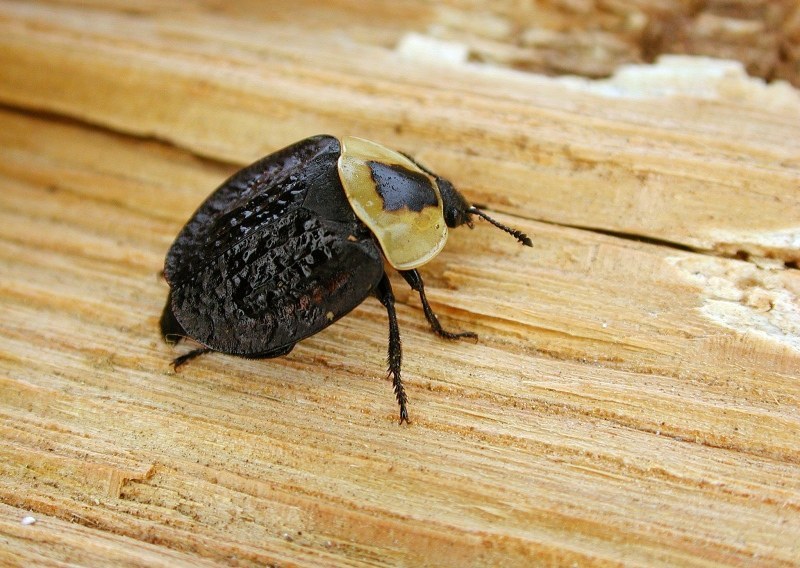
American Carrion Beetle
Forests, fields, and roadsides across North America, near decaying animal carcasses
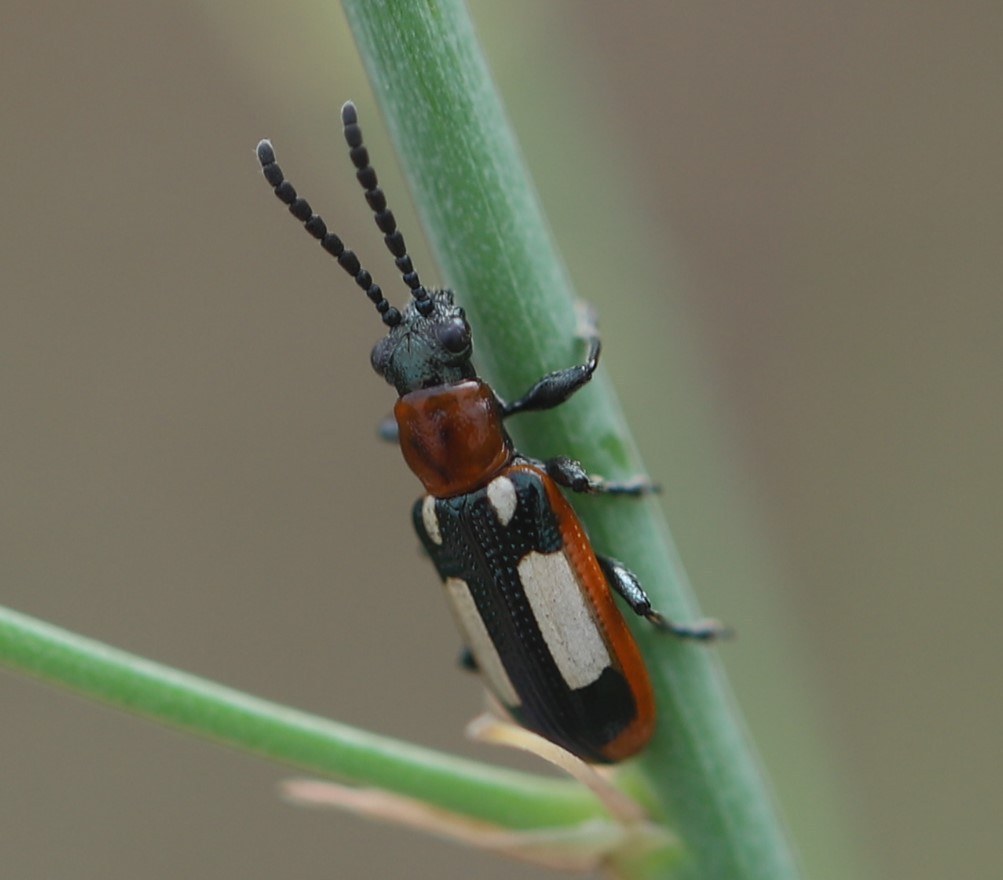
Asparagus Beetle
Asparagus patches, gardens, and farm fields
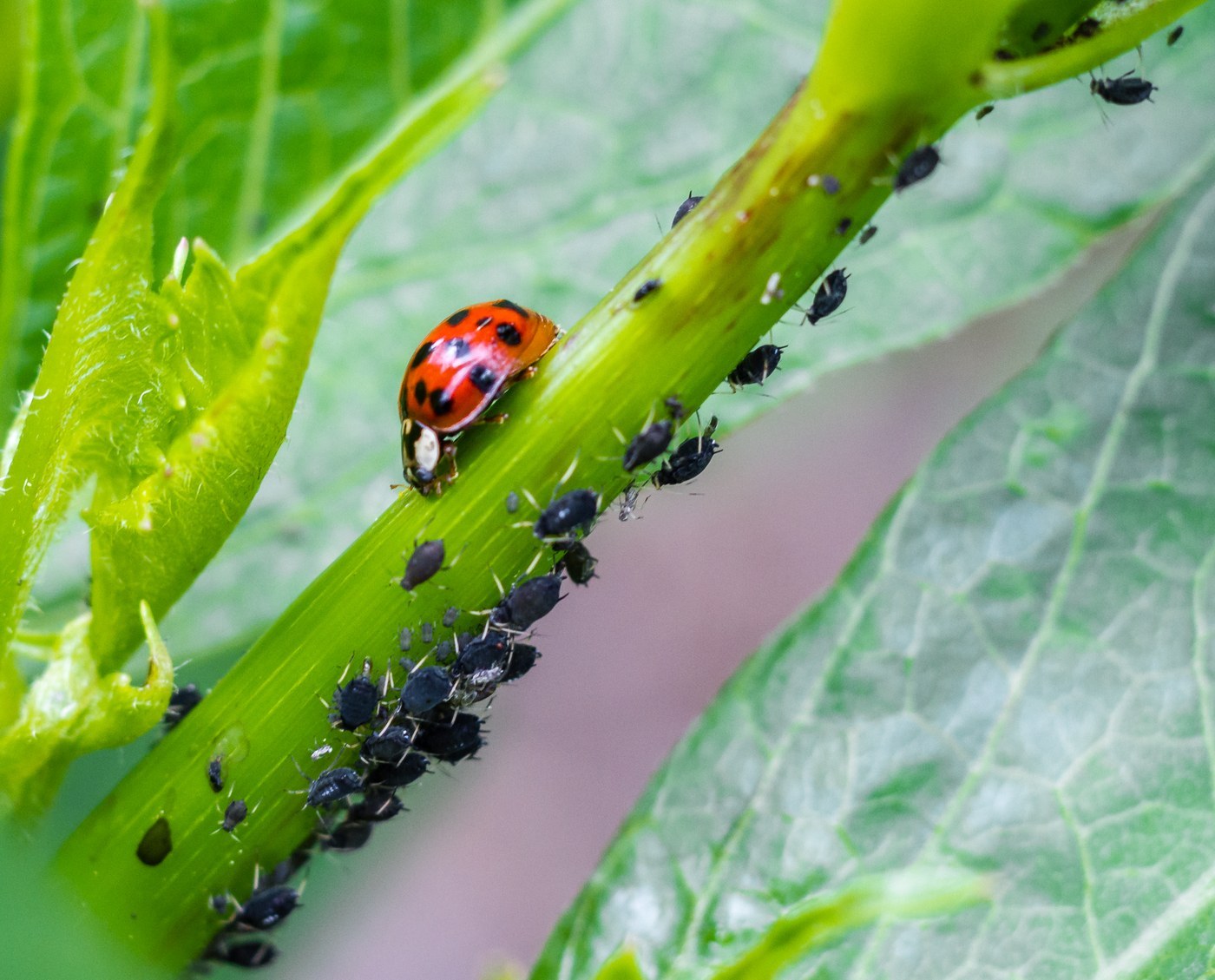
Asian Lady Beetle
Gardens, crop fields, woodlands, buildings
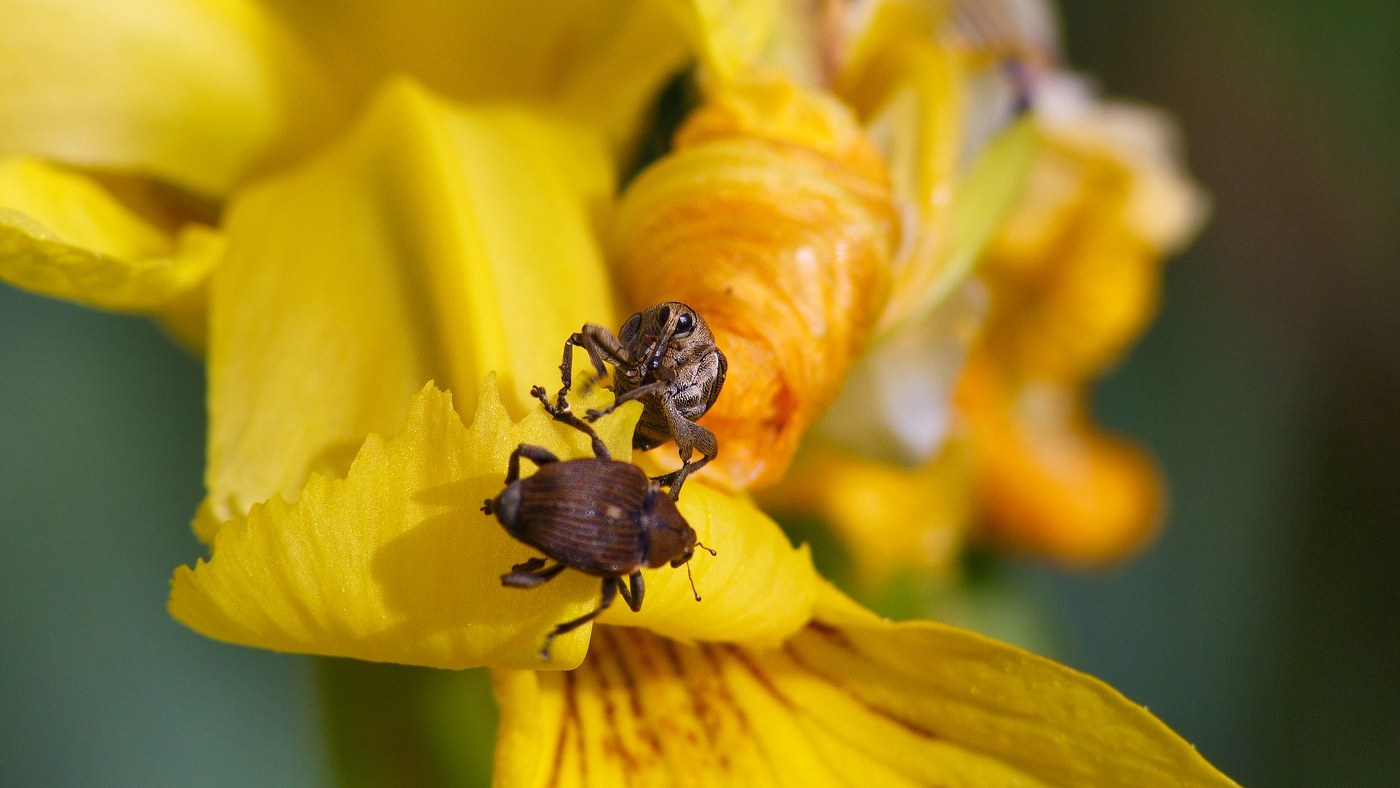
Acorn Weevil
Oak woodlands and forests, on and beneath oak trees
Wireworm
Soil of grasslands, gardens, and cultivated fields worldwide
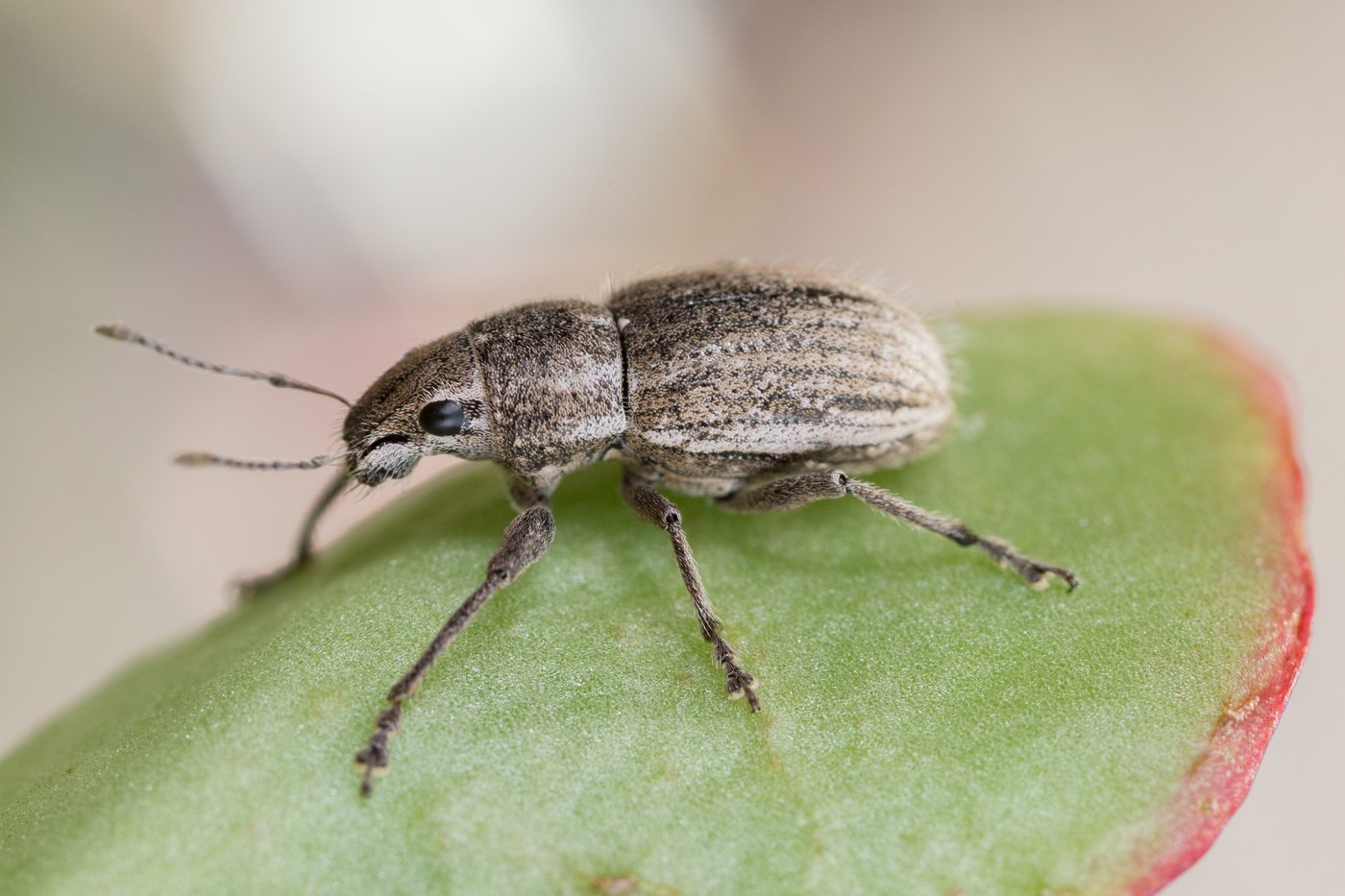
Whitefringed Beetle
Pastures, row crops, lawns, disturbed soils
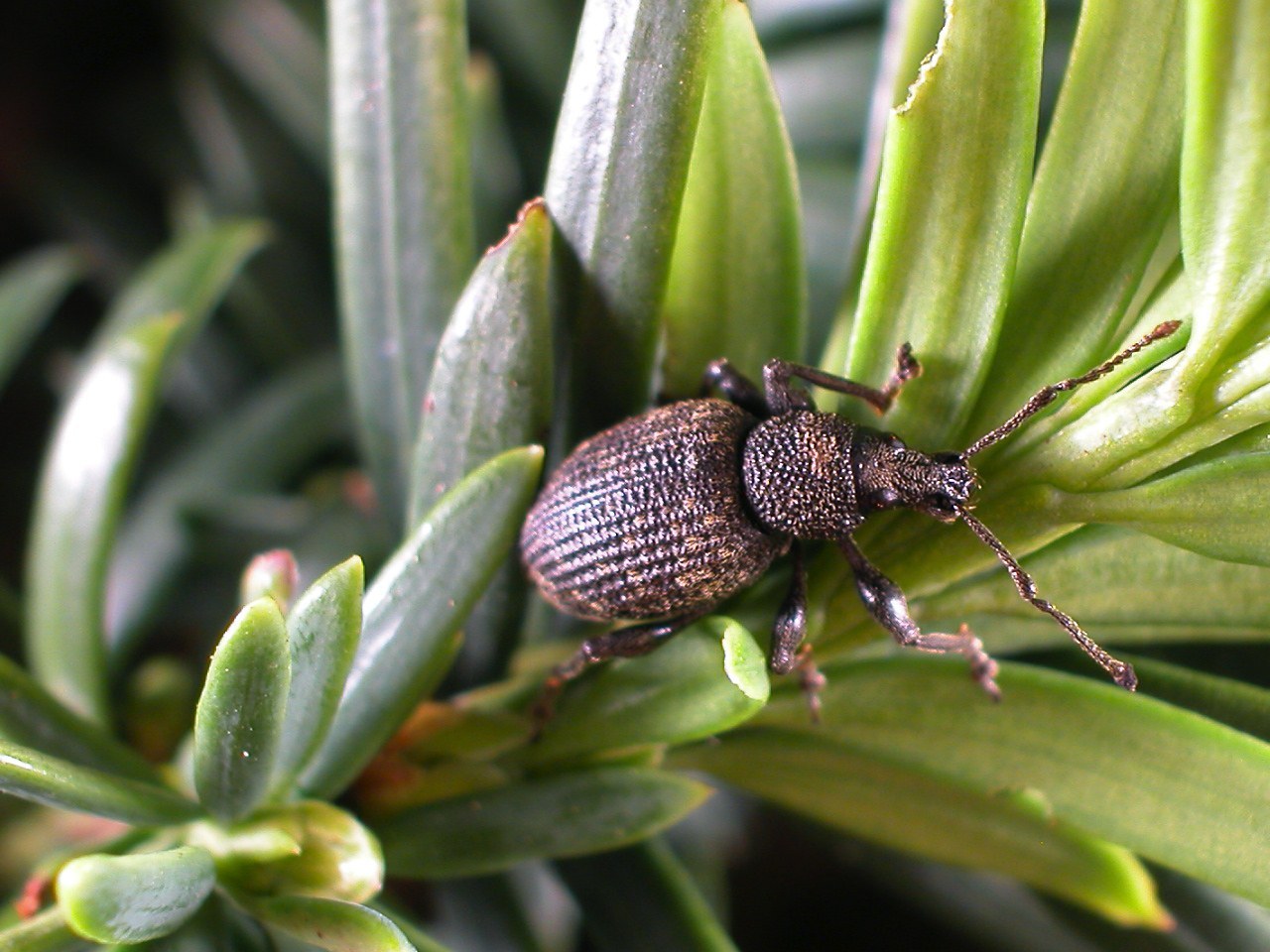
Vine Weevil
Gardens, nurseries, greenhouses, and container plantings
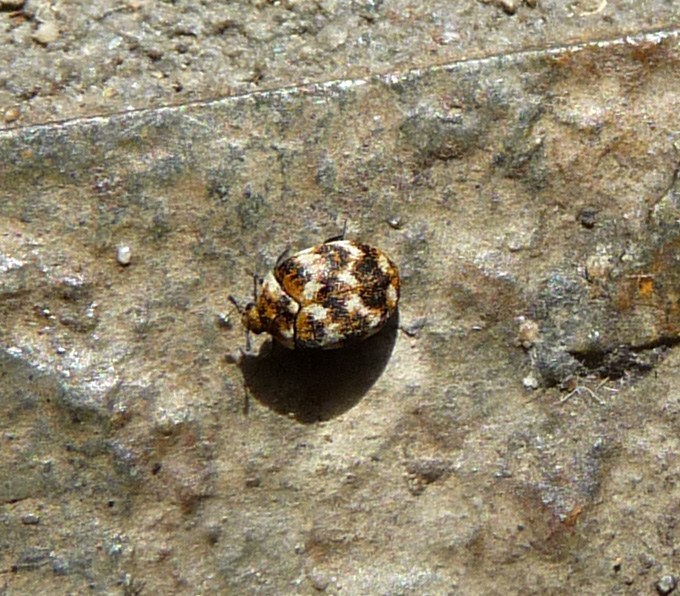
Varied Carpet Beetle
Homes, nests of birds and mammals, and flowers outdoors
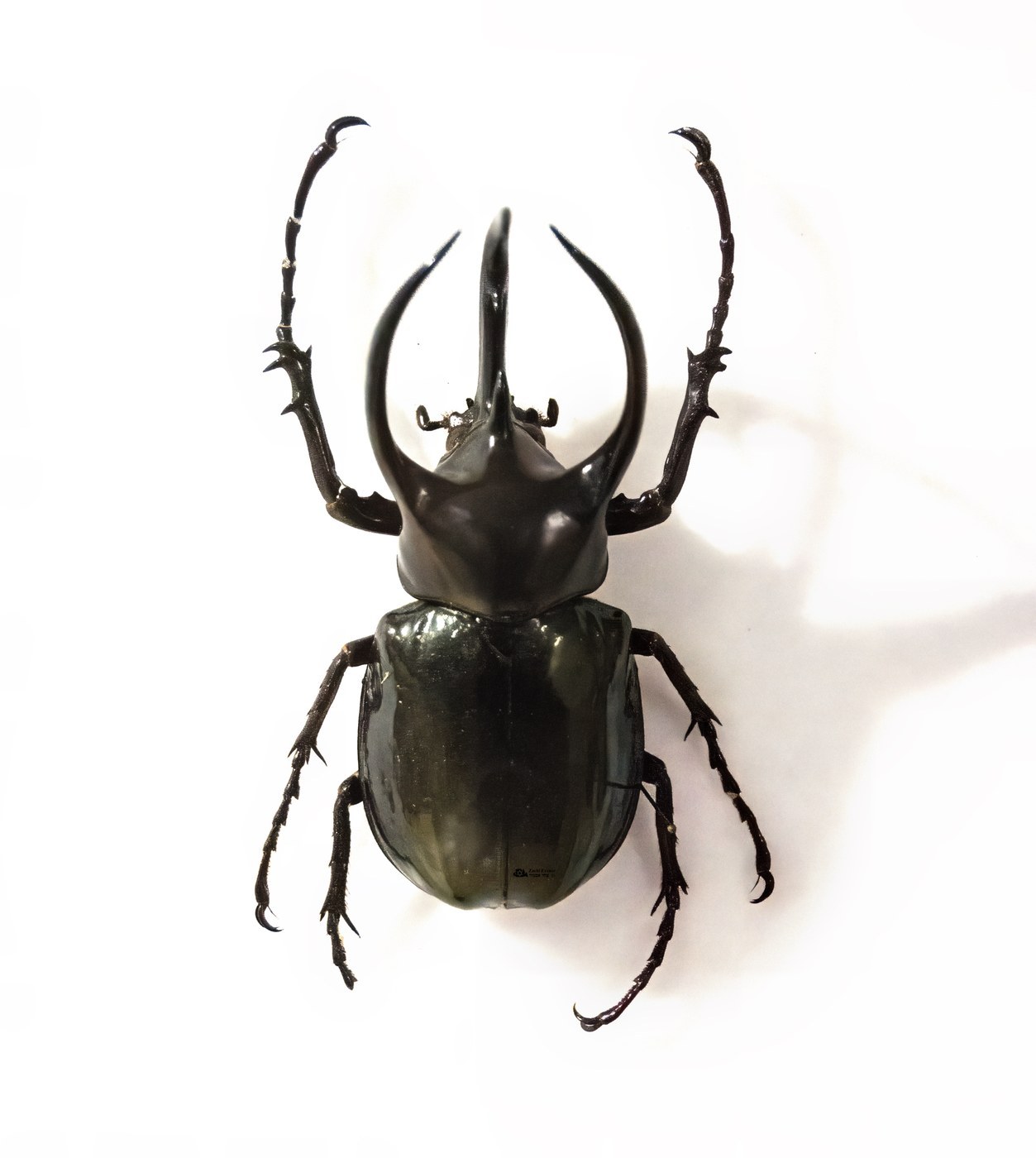
Atlas Beetle
Tropical forests of Southeast Asia
Titan Beetle
Amazon rainforest of South America
Ten-lined June Beetle
Sandy soils, pine forests, and orchards of western North America
Squash Beetle
Vegetable gardens and fields growing squash, pumpkin, and other cucurbits