
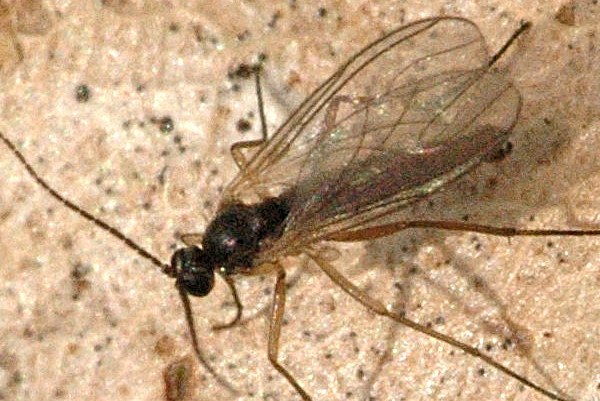
Aphid Midge
Aphidoletes aphidimyza
A delicate, long-legged midge whose orange larvae are voracious aphid hunters. The aphid midge is a prized natural enemy of aphids in gardens and greenhouses.
- Size
- 2-3 mm
- Habitat
- Gardens, greenhouses, and crops with aphids
- Danger
- Harmless
Spotted a bug like this?
Identify any bug or insect from a photo, free.
Overview
The aphid midge, Aphidoletes aphidimyza, is a small fly in the gall midge family (Cecidomyiidae) best known for its predatory larvae. While the adults are inconspicuous, delicate midges that feed on honeydew, the tiny orange larvae are specialist aphid predators.
This midge is widespread across temperate regions and is commonly used in biological control, especially in greenhouses, where it is released to keep aphid populations in check. A single larva can consume many aphids during its development, making it an efficient natural enemy.
Adults are active mainly at night, resting on foliage during the day. Females are drawn to the honeydew and scent of aphid colonies, where they lay their eggs so the emerging larvae have an immediate food supply.
How to Identify
Look for these features:
- Tiny, delicate fly about 2-3 mm long with long legs and antennae
- Slender grayish to brownish body
- Small orange larvae found among aphid colonies
- Larvae legless, tapered, and maggot-like
- Often seen in gardens and greenhouses where aphids are present
Lookalikes include other small midges and gnats, but the association of orange larvae with aphid colonies is characteristic.
Habitat & Range
The aphid midge is found across temperate regions of the Northern Hemisphere and is widely used in protected cultivation worldwide. It occurs in gardens, fields, orchards, and greenhouses wherever aphids are abundant. Adults are active during warmer months and favor humid, sheltered conditions.
Behavior & Diet
Adult aphid midges feed on aphid honeydew and are active at night. The predatory larvae attack aphids, gripping and feeding on them, and can kill more aphids than they consume. By preying heavily on aphids, the midge is an important natural regulator of these sap-sucking pests and a valued biological control agent.
Life Cycle
The aphid midge undergoes complete metamorphosis. Females lay tiny orange eggs among aphid colonies. The emerging orange larvae feed voraciously on aphids for one to two weeks, then drop to the soil to pupate in a small cocoon. Adults emerge to mate and repeat the cycle, producing several generations per season, with pupae overwintering in the soil in cooler climates.
Frequently asked questions
What makes the aphid midge useful?
Its orange larvae are specialist aphid predators, so the midge is widely used to control aphids in greenhouses and gardens.
What do the adults eat?
Adult aphid midges feed on aphid honeydew and are active mostly at night.
How many aphids can a larva eat?
A single larva can consume many aphids during its brief development, sometimes killing more than it eats.
Is it harmful to people or plants?
No. It is harmless to people and plants and preys only on aphids.
Aphid Midge guides
In-depth guides for identifying, understanding, and living alongside Aphid Midge.
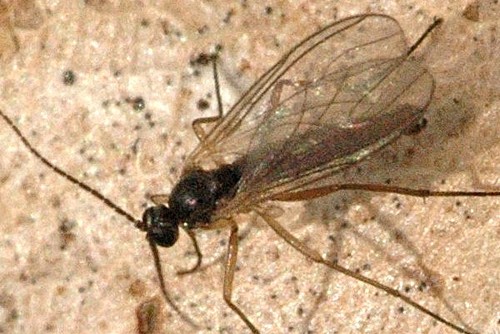
Aphid Midge identified by the community
Real finds identified with Bug Identifier.
Other bugs you may enjoy
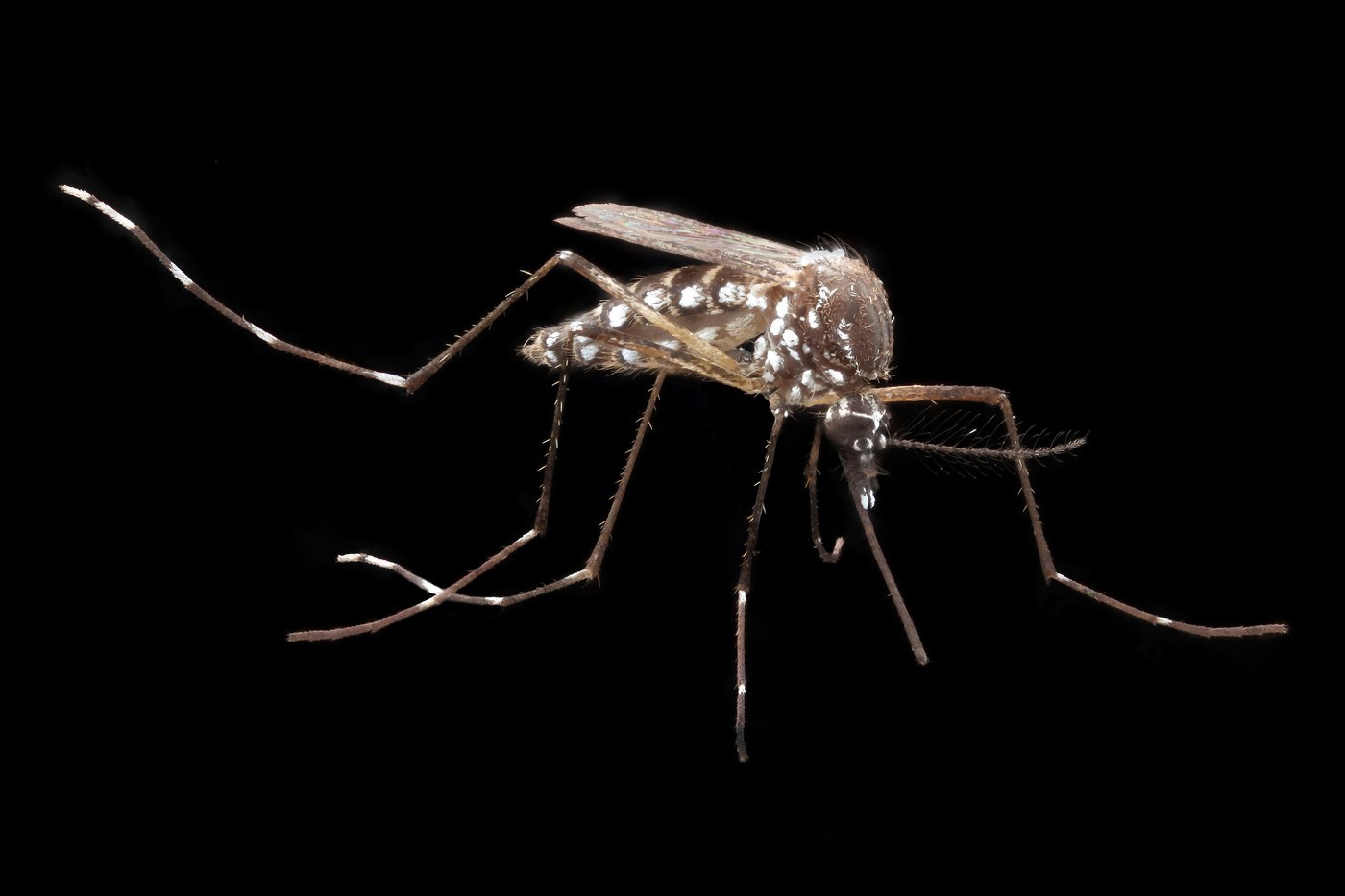
Yellow Fever Mosquito
Urban and peri-urban areas near small artificial water containers in tropical and subtropical regions worldwide
Root Maggot
Garden and field soil around the roots of cole crops and other vegetables
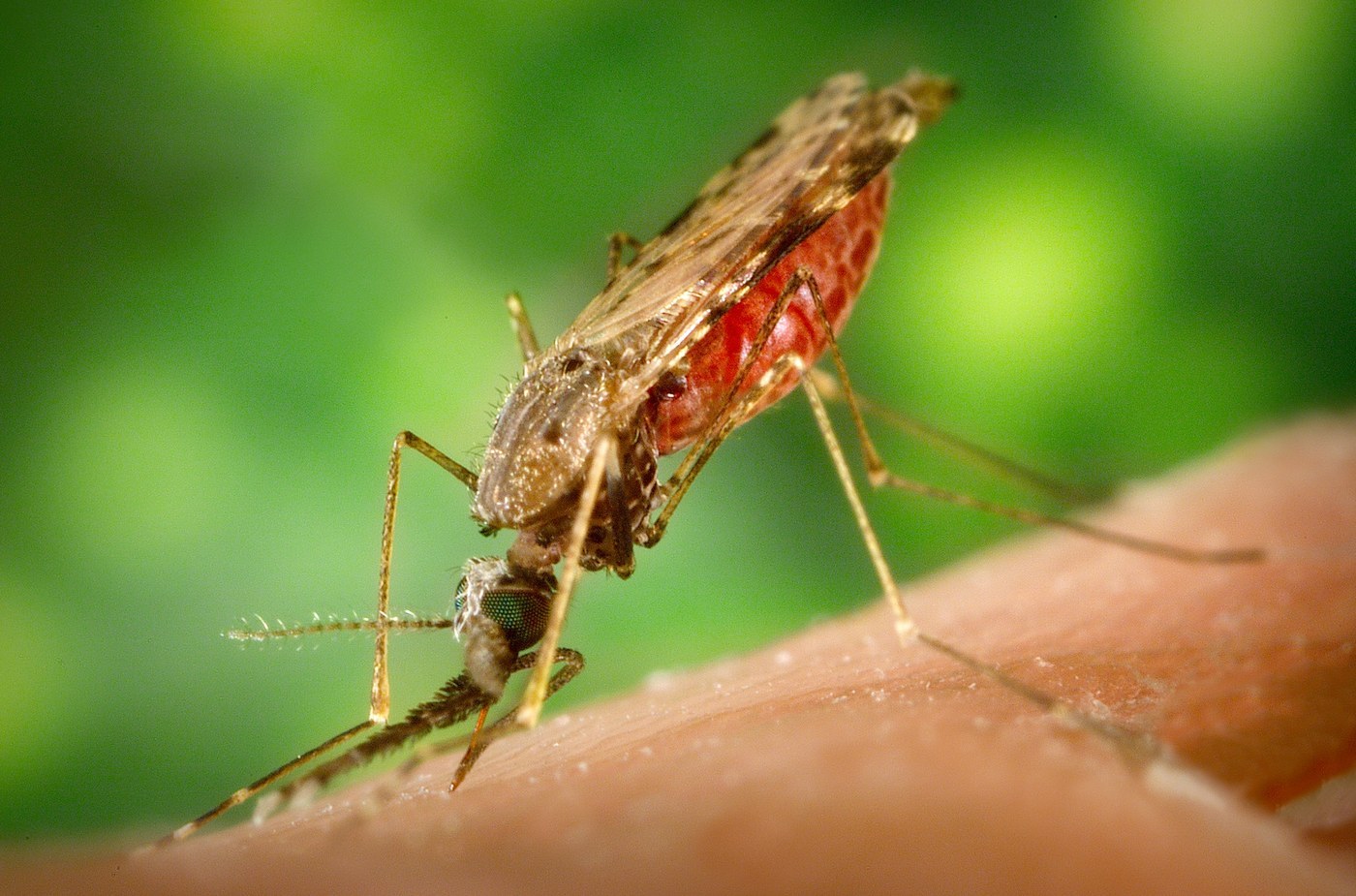
Anopheles Mosquito
Clean, still or slow-moving freshwater habitats such as marshes, ponds, and rice paddies
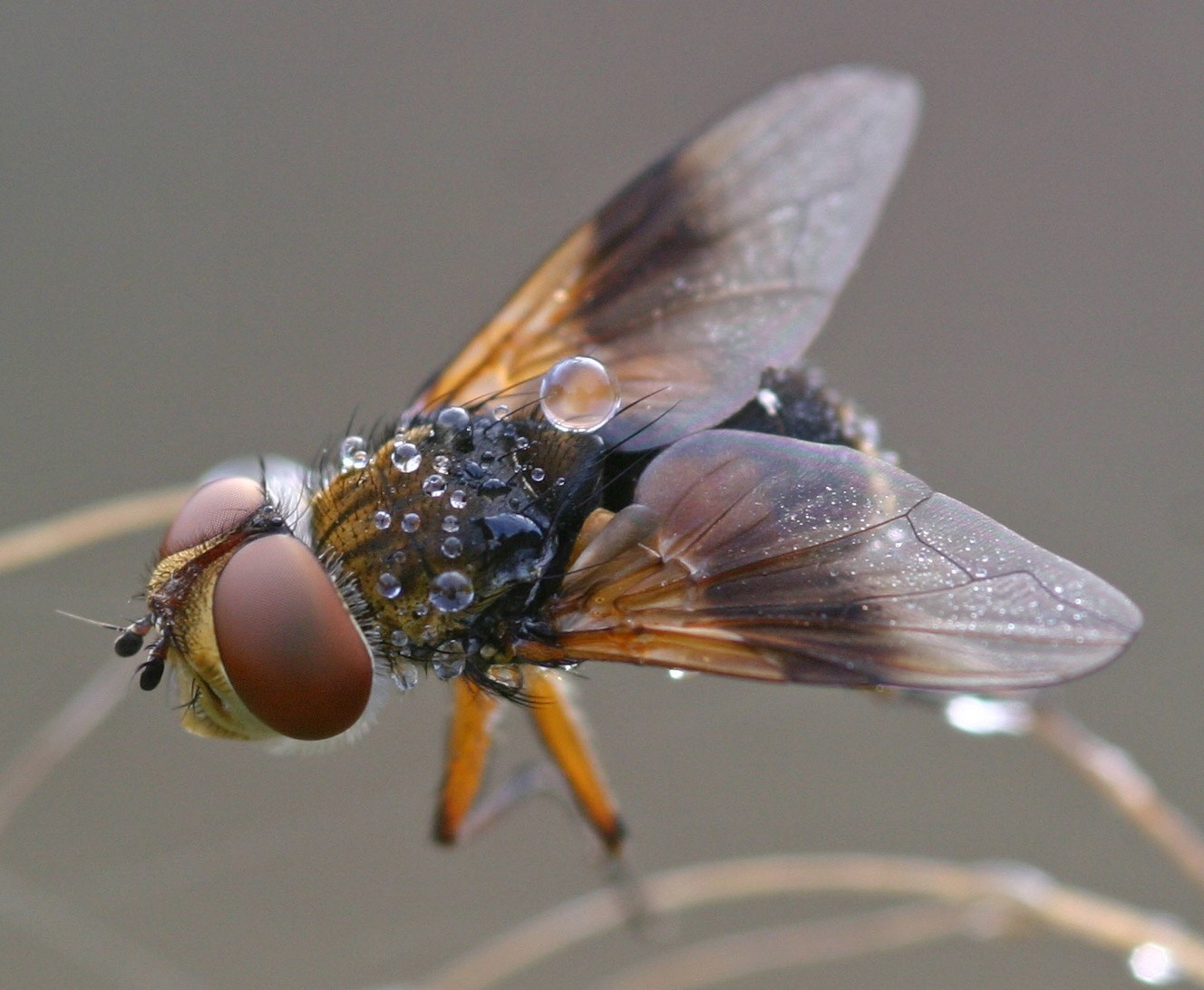
Tachinid Fly
Gardens, meadows, and woodlands wherever host caterpillars and other insects occur
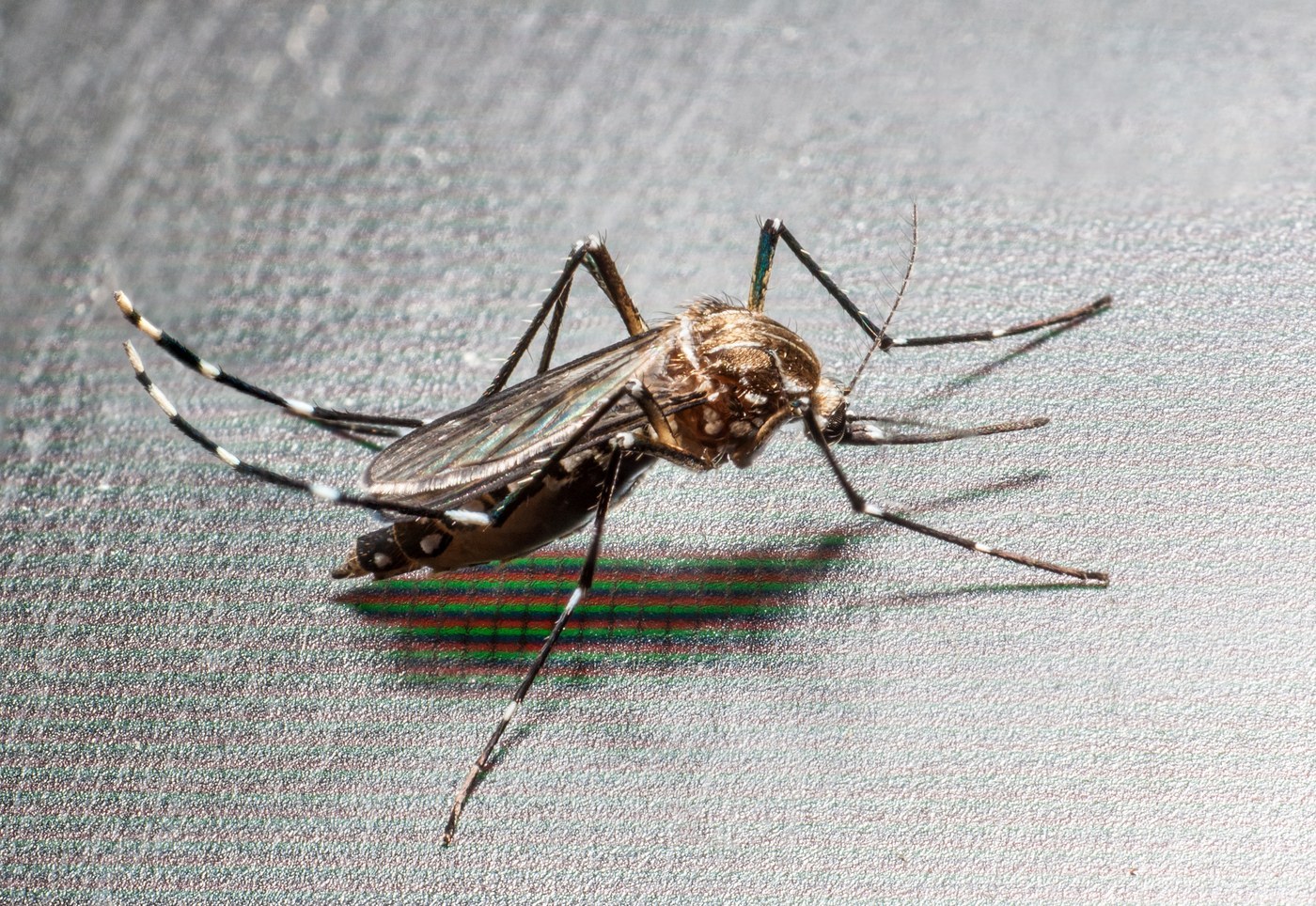
Asian Tiger Mosquito
Shaded urban and suburban areas near small water-holding containers, tires, and tree holes; native to Southeast Asia, now widespread
Tsetse Fly
Wooded savanna, riverine thickets, and forest edges across sub-Saharan Africa
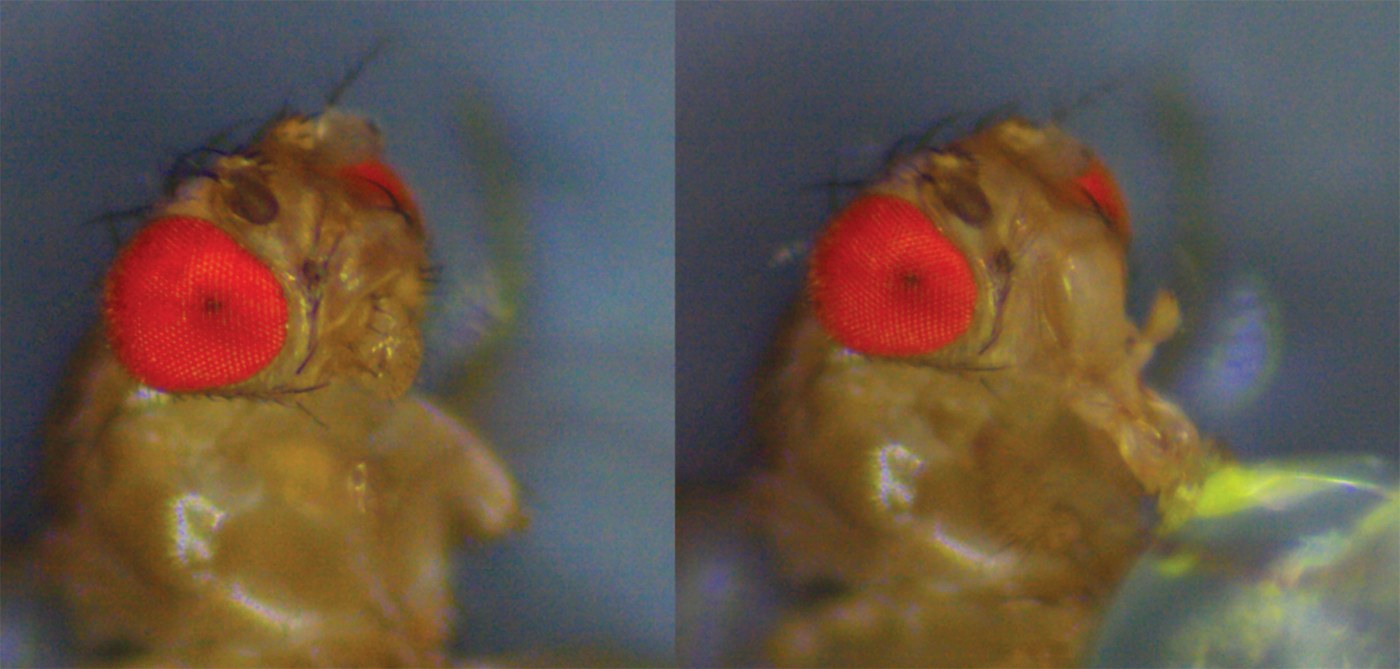
Vinegar Fly
Around overripe fruit, compost, and fermenting materials worldwide
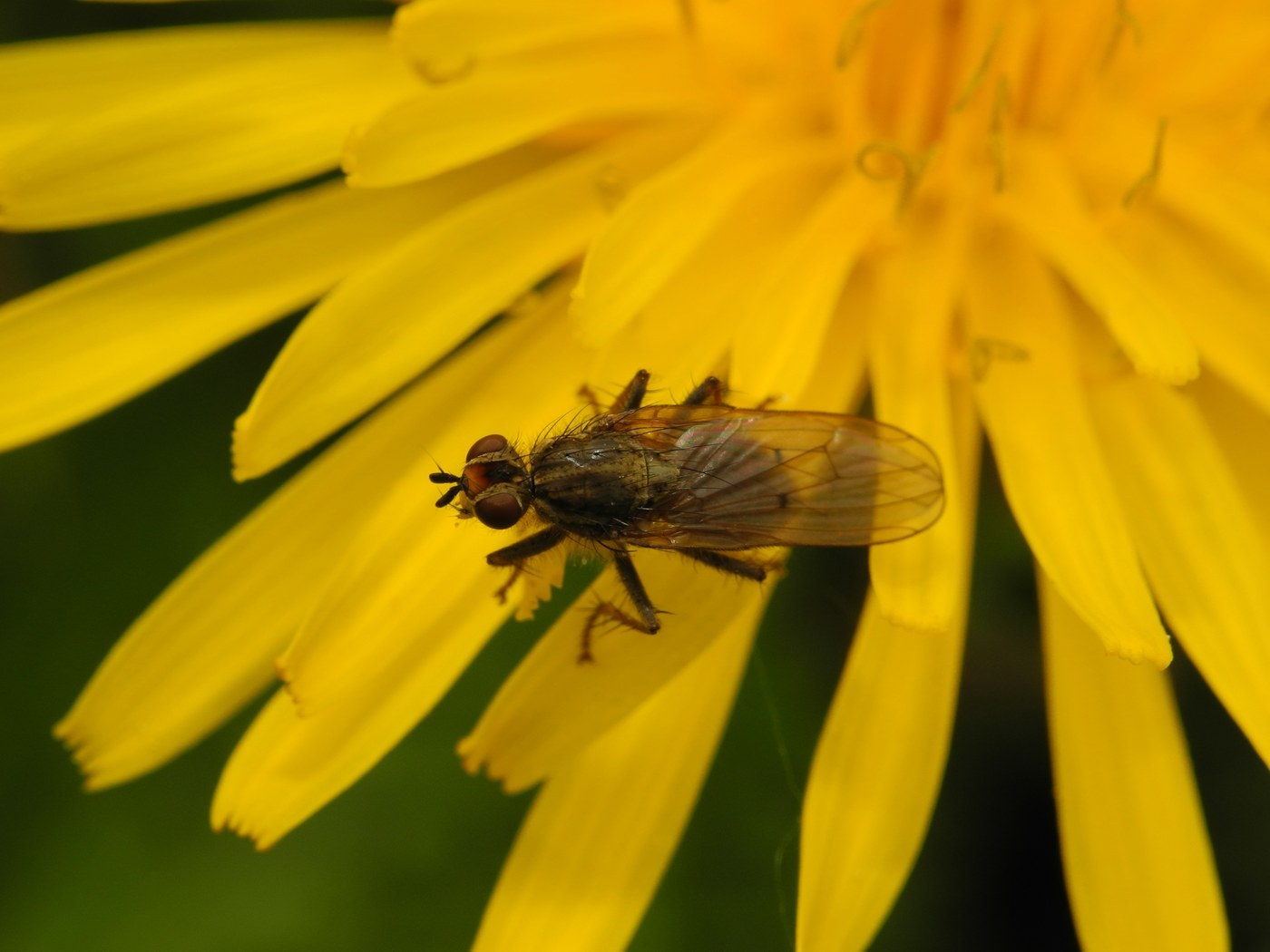
Yellow Dung Fly
Pastures and fields with fresh cattle dung
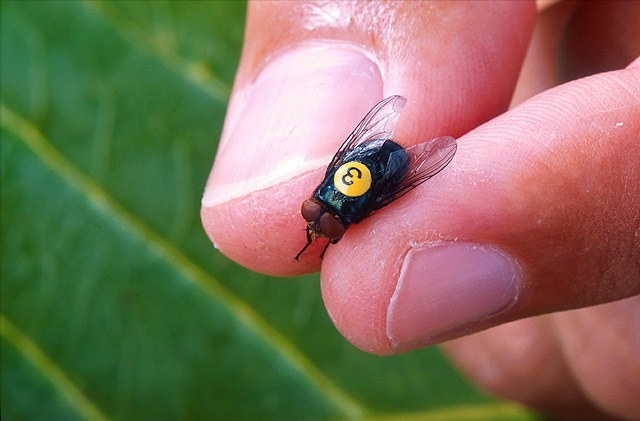
Screwworm Fly
Warm, humid lowlands of the Americas, especially near livestock and wildlife wounds
Soldier Fly
Wetland margins, decaying organic matter, and vegetation near water
Punkie
near marshes, mudflats, ponds, and other standing water
Warble Fly
Pastures and rangeland wherever cattle and other large grazing mammals occur