
Gall Wasp
Cynips spp.
A minuscule, rarely seen wasp whose larvae trigger plants, especially oaks, to grow distinctive round or spiky growths called galls that serve as both shelter and food supply.
- Size
- 2–5 mm
- Habitat
- Oak woodlands and forests, and areas with roses or other host plants
- Danger
- Harmless
Spotted a bug like this?
Identify any bug or insect from a photo, free.
Overview
Gall wasps belong to the family Cynipidae, a group of very small parasitic and plant-associated wasps best known not for their own appearance, which is tiny and inconspicuous, but for the elaborate plant growths their larvae induce. Many species specialize on oaks, though others target roses, maples, and various other plants.
When a female lays an egg in plant tissue, chemical cues from the developing larva cause the plant to form a gall: an abnormal growth of tissue that surrounds and protects the larva while also providing it with a steady food supply of specialized nutritive cells. Gall shapes and colors are often distinctive enough to identify the wasp species responsible, ranging from smooth spheres to spiky, hairy, or multi-lobed structures.
Gall wasps are ecologically significant not only for their unusual life history but because their galls in turn provide habitat and food for a wide community of other insects, including inquilines that live in the gall without causing it, and parasitoids that attack the gall wasp itself.
How to Identify
- Extremely small, often only a few millimeters long, with a dark brown or black body and a compact, somewhat humpbacked profile.
- Short antennae and reduced wing venation compared to larger parasitoid wasps.
- Adults are rarely observed directly; the wasp is most often identified by the characteristic gall it produces on leaves, stems, buds, or roots.
- Galls vary by species from smooth round "oak apples" to spiny, warty, or urchin-like structures.
- Lookalikes: other insects such as certain flies and mites also cause plant galls, but cynipid galls are typically distinguished by their firm woody or papery texture and association with oaks or roses.
Habitat & Range
Gall wasps are found across temperate regions of the Northern Hemisphere, with the greatest diversity associated with oak trees in oak woodlands and forests, though rose-associated species occur in gardens and hedgerows as well. Galls can be found on leaves, twigs, buds, flowers, or roots depending on the species, and are most conspicuous from late spring through fall.
Behavior & Diet
Female gall wasps lay eggs in specific plant tissues, and the resulting larval feeding and chemical signals induce the plant to form a gall around the developing wasp. Many species have complex life cycles alternating between sexual and asexual (agamic) generations, sometimes forming different gall types on the same host plant within a single year. Larvae feed entirely within the protective gall tissue, while adults are short-lived and often do not feed at all.
Life Cycle
An egg laid in plant tissue triggers gall formation, and the larva develops inside this protective structure through complete metamorphosis, pupating within the gall before the adult chews its way out. Many cynipid species show alternation of generations, with a sexual generation producing one type of gall and an asexual generation producing a different gall shape on the same or a related host plant, sometimes spanning more than one year for a single life cycle.
Frequently asked questions
What causes the round balls on oak leaves and twigs?
These are galls induced by gall wasp larvae, which live and feed protected inside the plant tissue they cause the tree to grow.
Will I ever see the actual wasp?
Rarely; gall wasps are extremely small and short-lived as adults, so the gall itself is the most reliable sign of their presence.
Do gall wasps harm the tree?
Galls are a localized plant response and gall wasps are not typically considered a serious threat to overall tree health.
Are all plant galls made by gall wasps?
No, some galls are caused by mites, flies, or other insects; cynipid gall wasps are one of several gall-forming groups.
Gall Wasp guides
In-depth guides for identifying, understanding, and living alongside Gall Wasp.
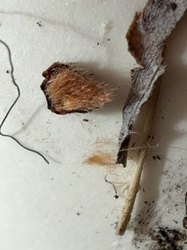
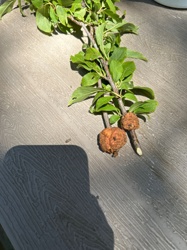
Gall Wasp identified by the community
Real finds identified with Bug Identifier.
Other bugs you may enjoy
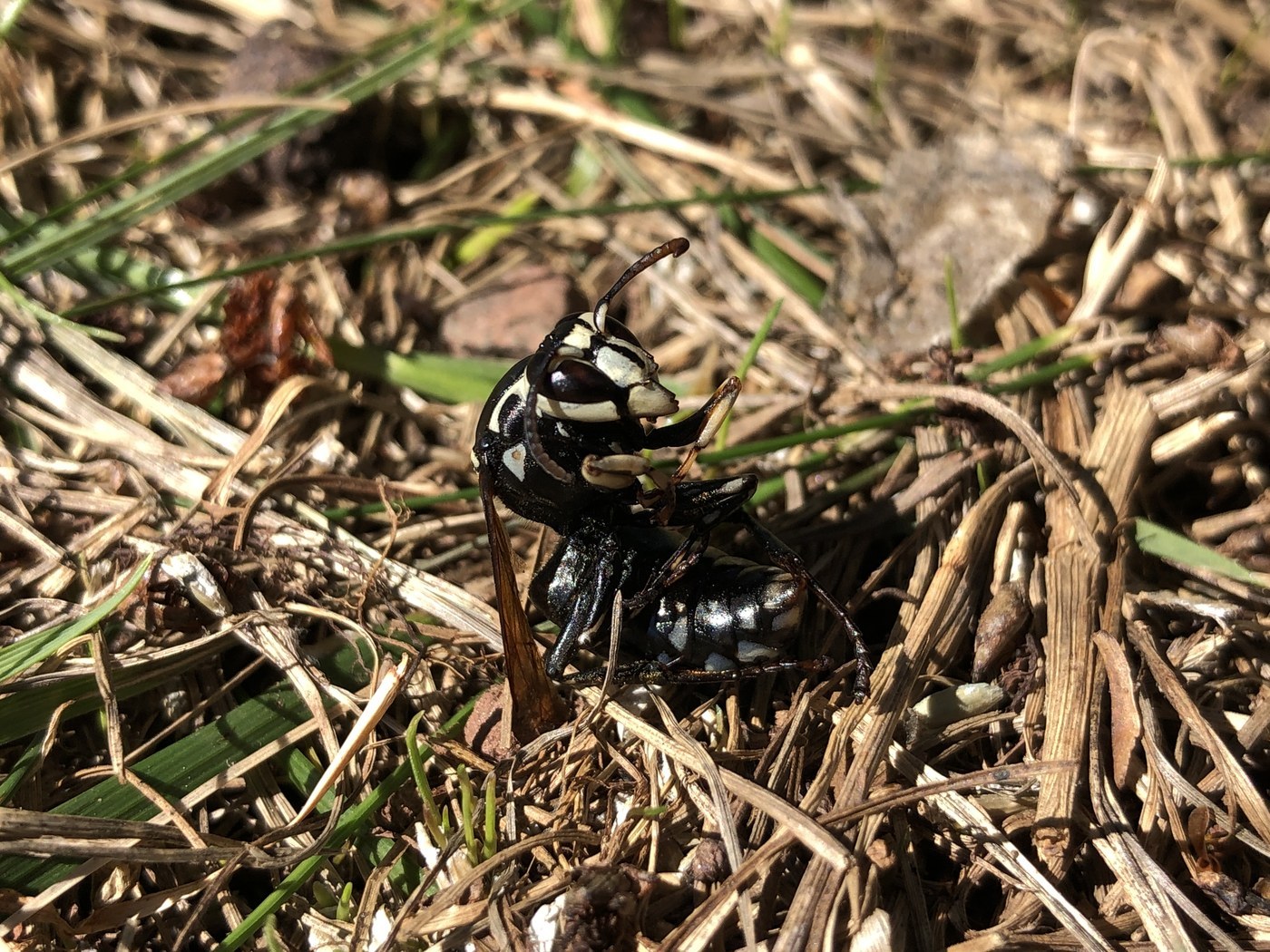
Bald-faced Hornet
Woodland edges, shrubs, and tree branches across North America
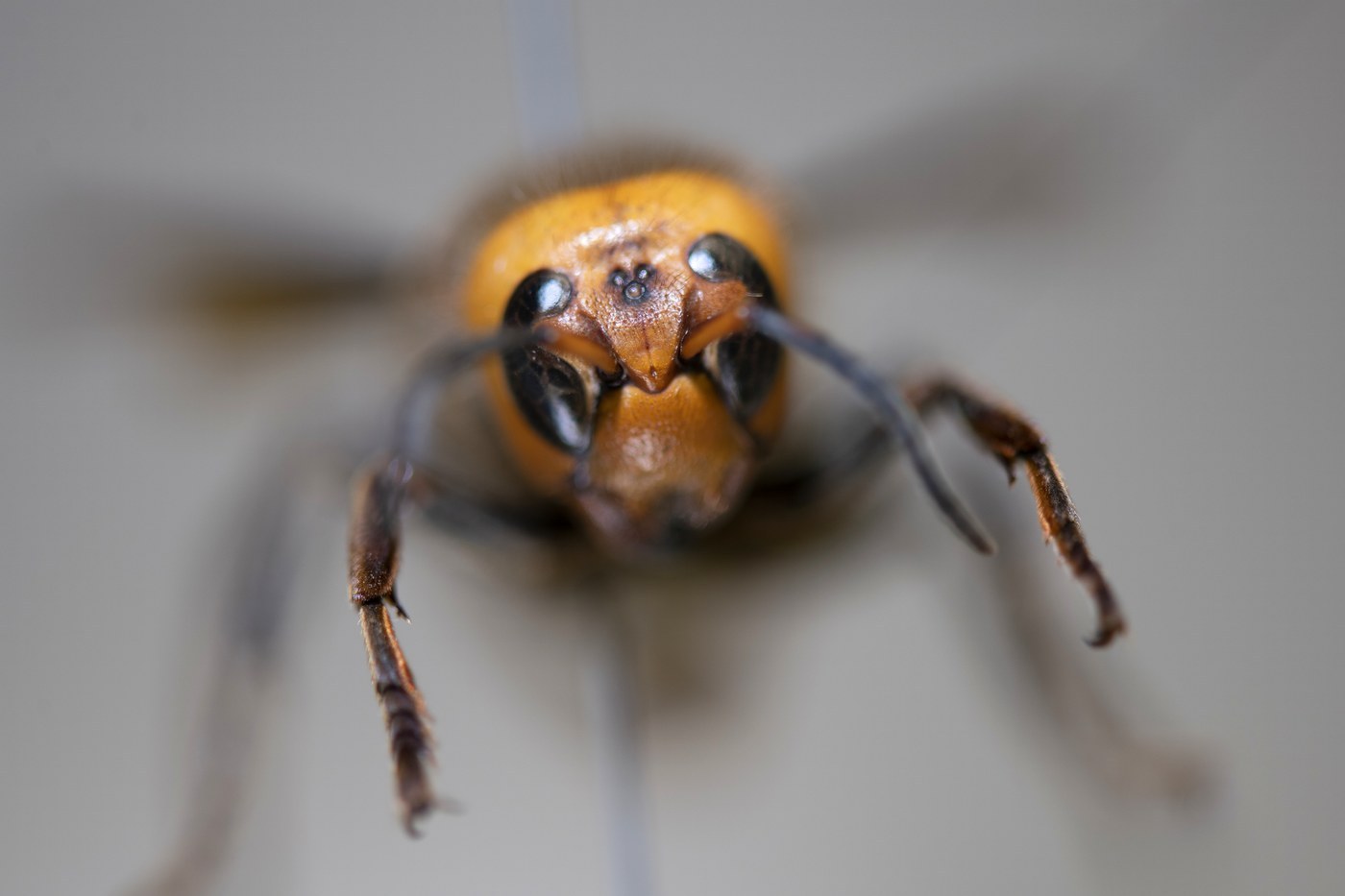
Asian Giant Hornet
Forested lowlands and mountains of East and South Asia; low tree hollows
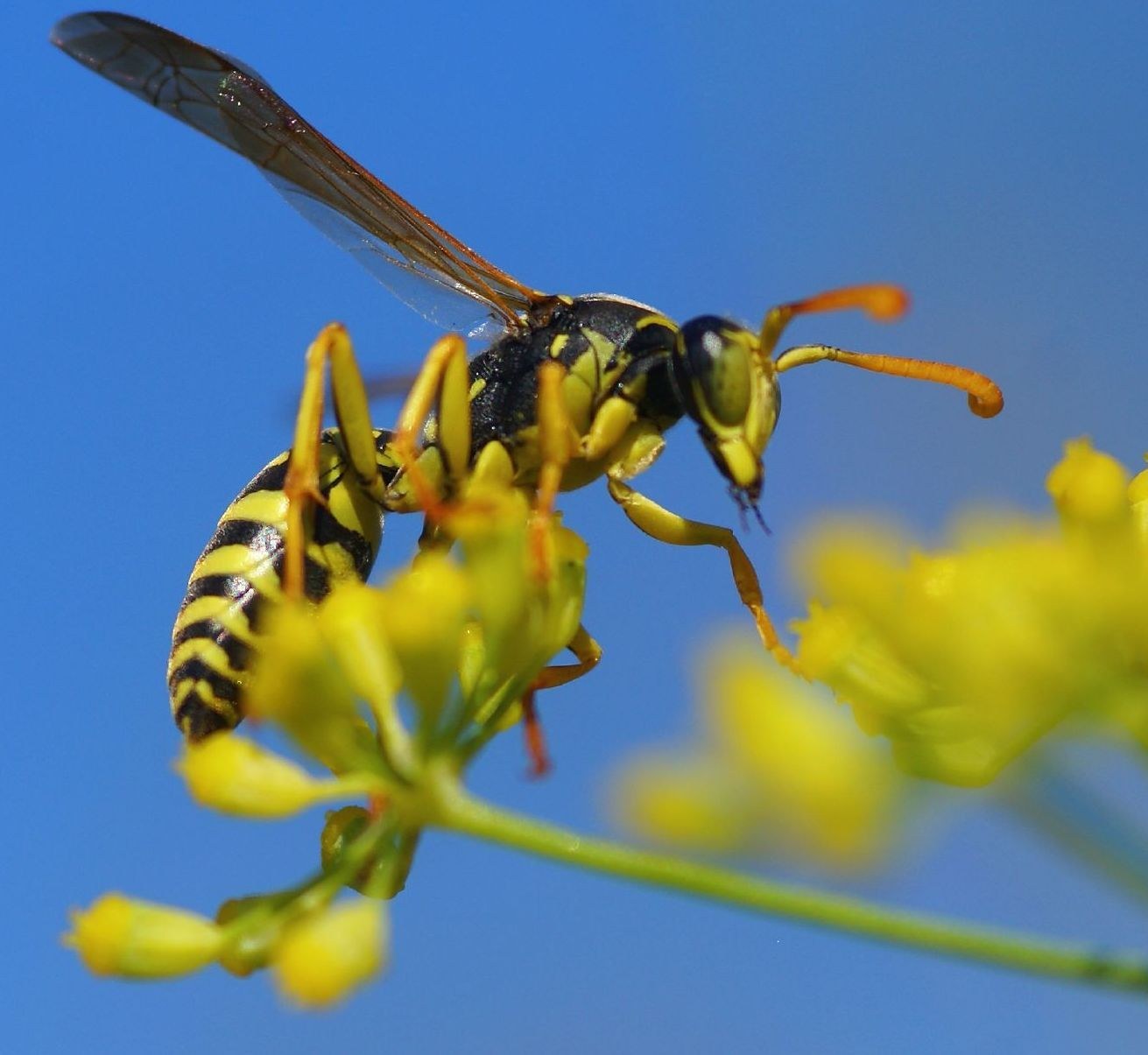
Yellowjacket
Underground nests, wall voids, gardens, picnic areas
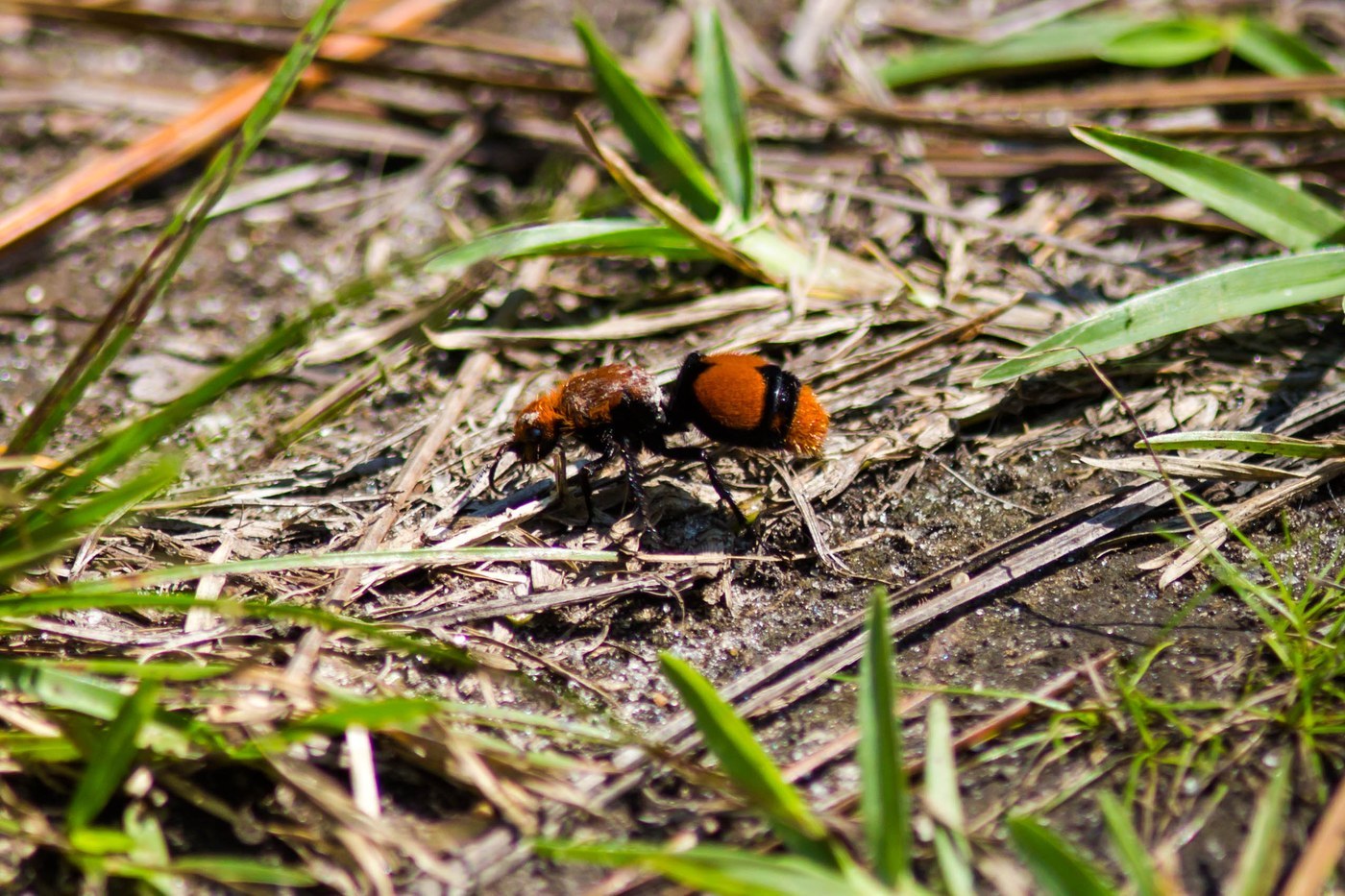
Velvet Ant
Sandy soils, open fields, dunes, roadsides in warm regions
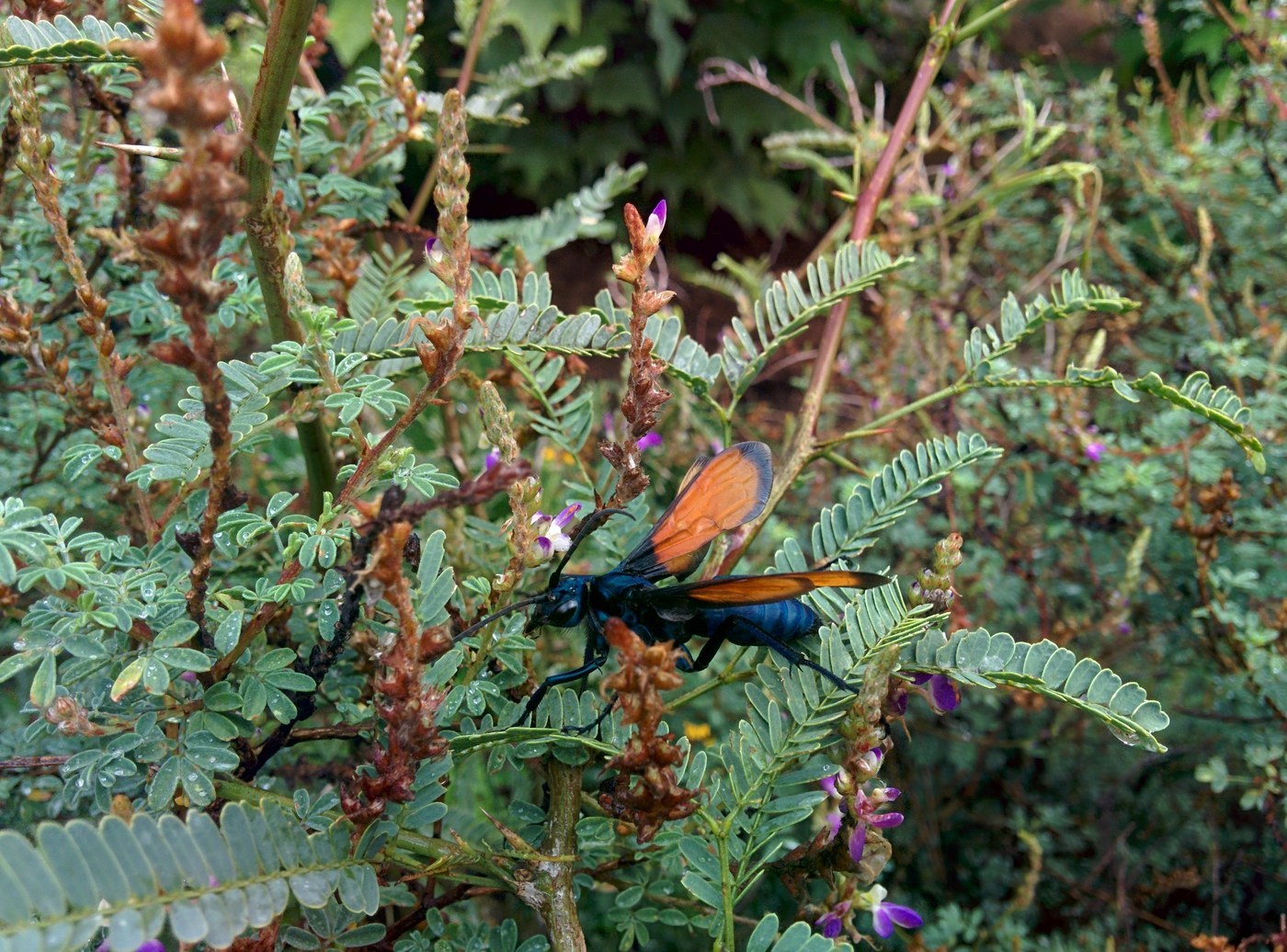
Tarantula Hawk
Deserts, arid scrublands, and dry grasslands
Tarantula Hawk Wasp
Deserts, grasslands, and scrub of the Americas
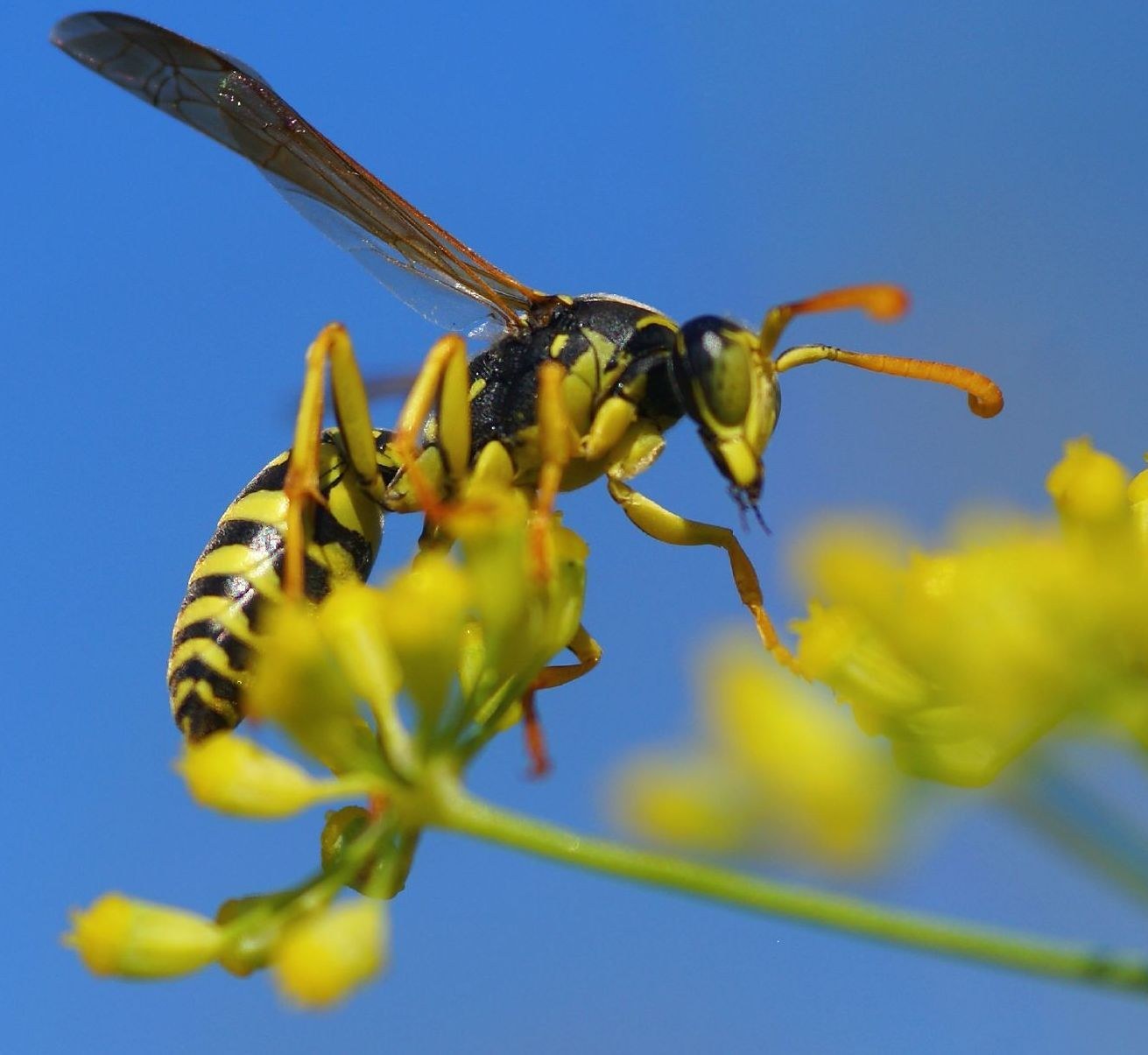
Wasp
Gardens, woodlands, eaves, and urban areas worldwide
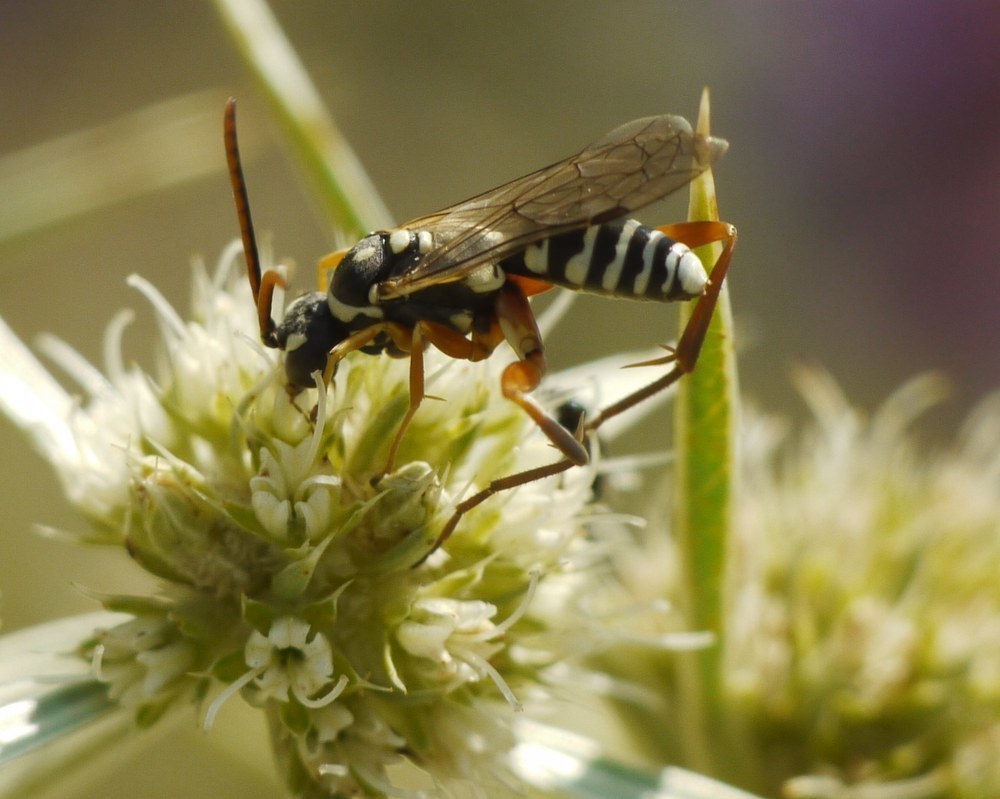
Spider Wasp
Gardens, grasslands, and sandy open areas worldwide
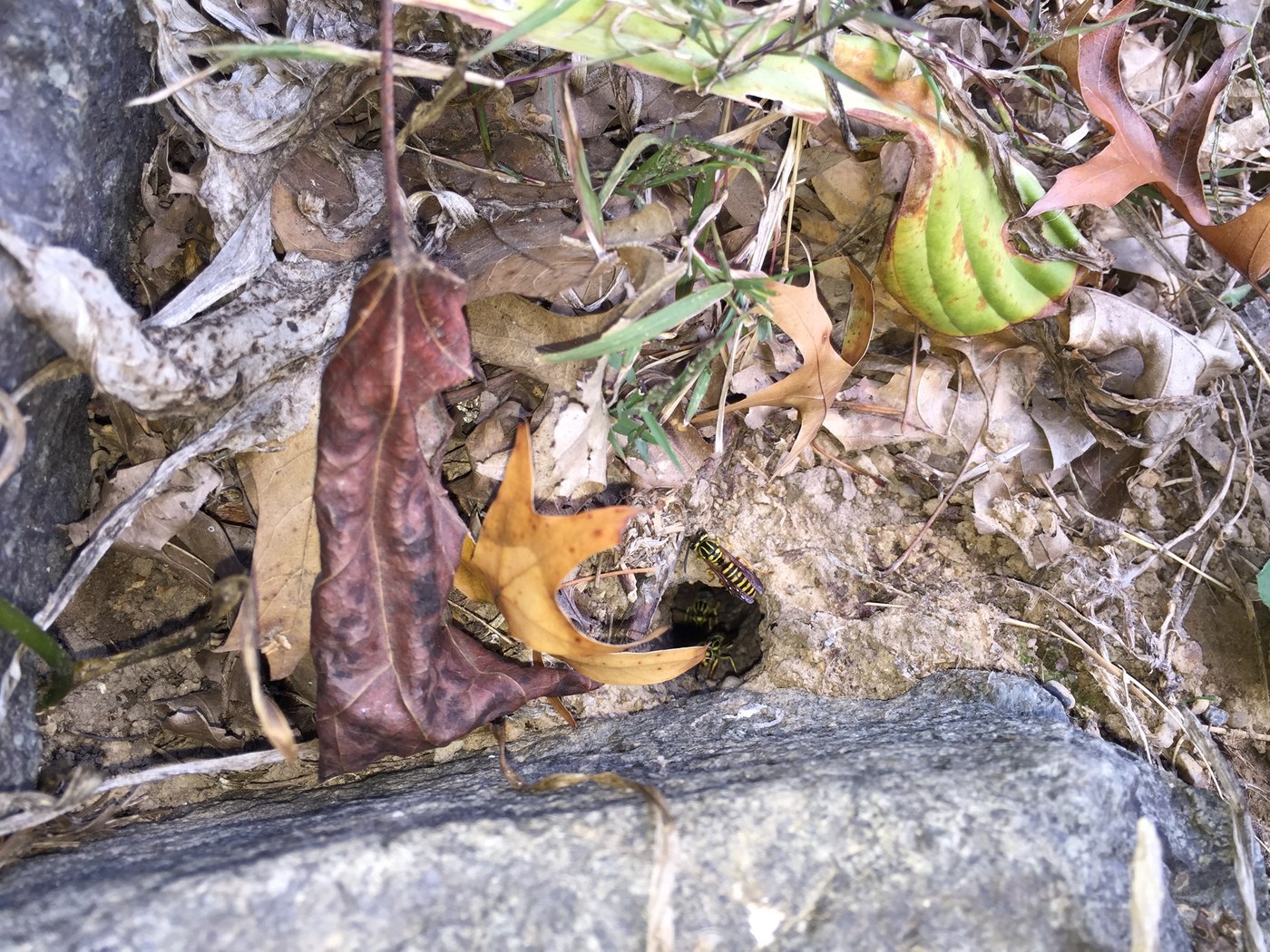
Yellow Jacket
Ground nests, wall voids, parks, and areas near food sources
Sawfly
Gardens, woodlands, and orchards on host foliage
Red Paper Wasp
Eaves, porch ceilings, sheds, open woodland edges, gardens
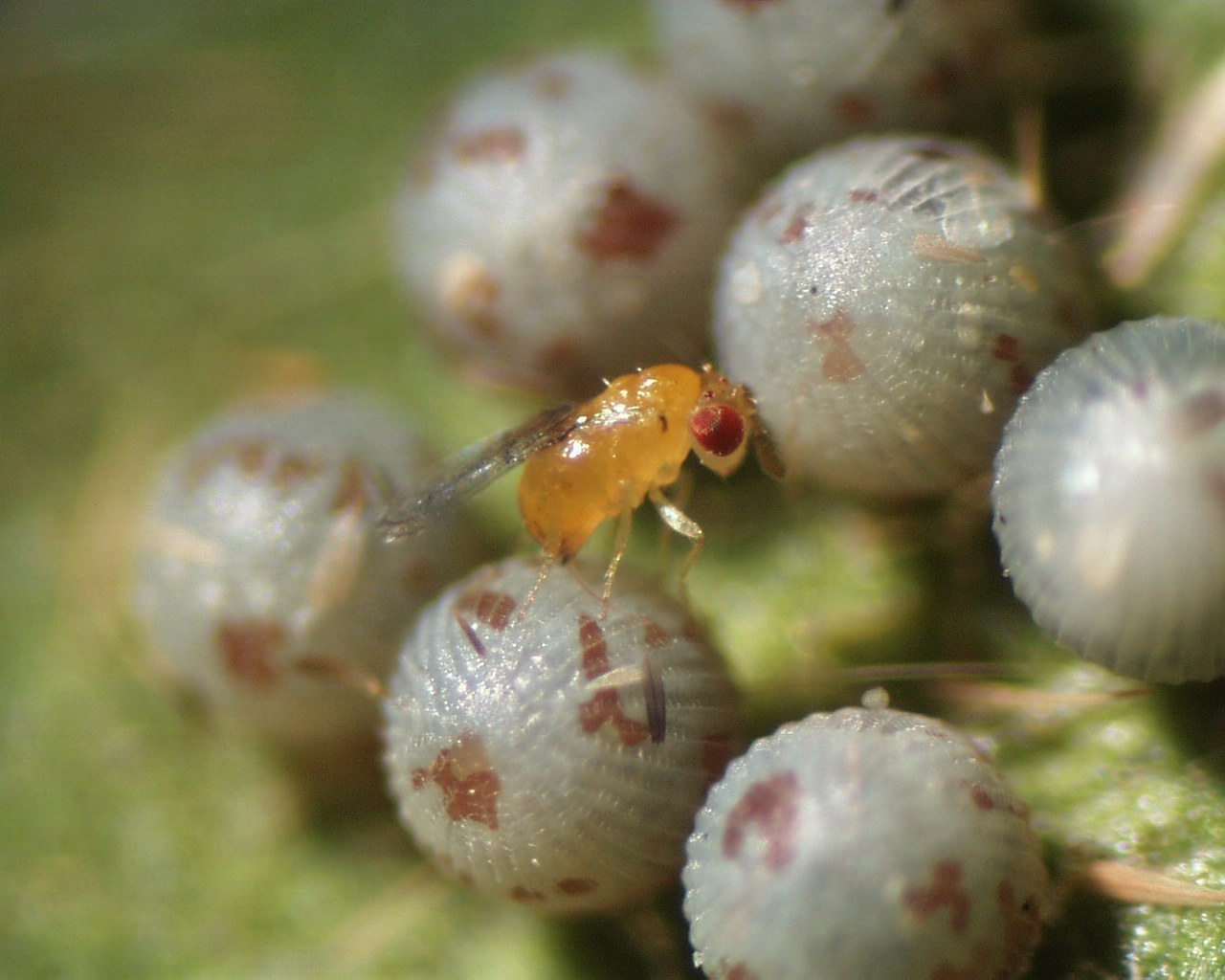
Trichogramma Wasp
Fields, gardens, and crops worldwide