
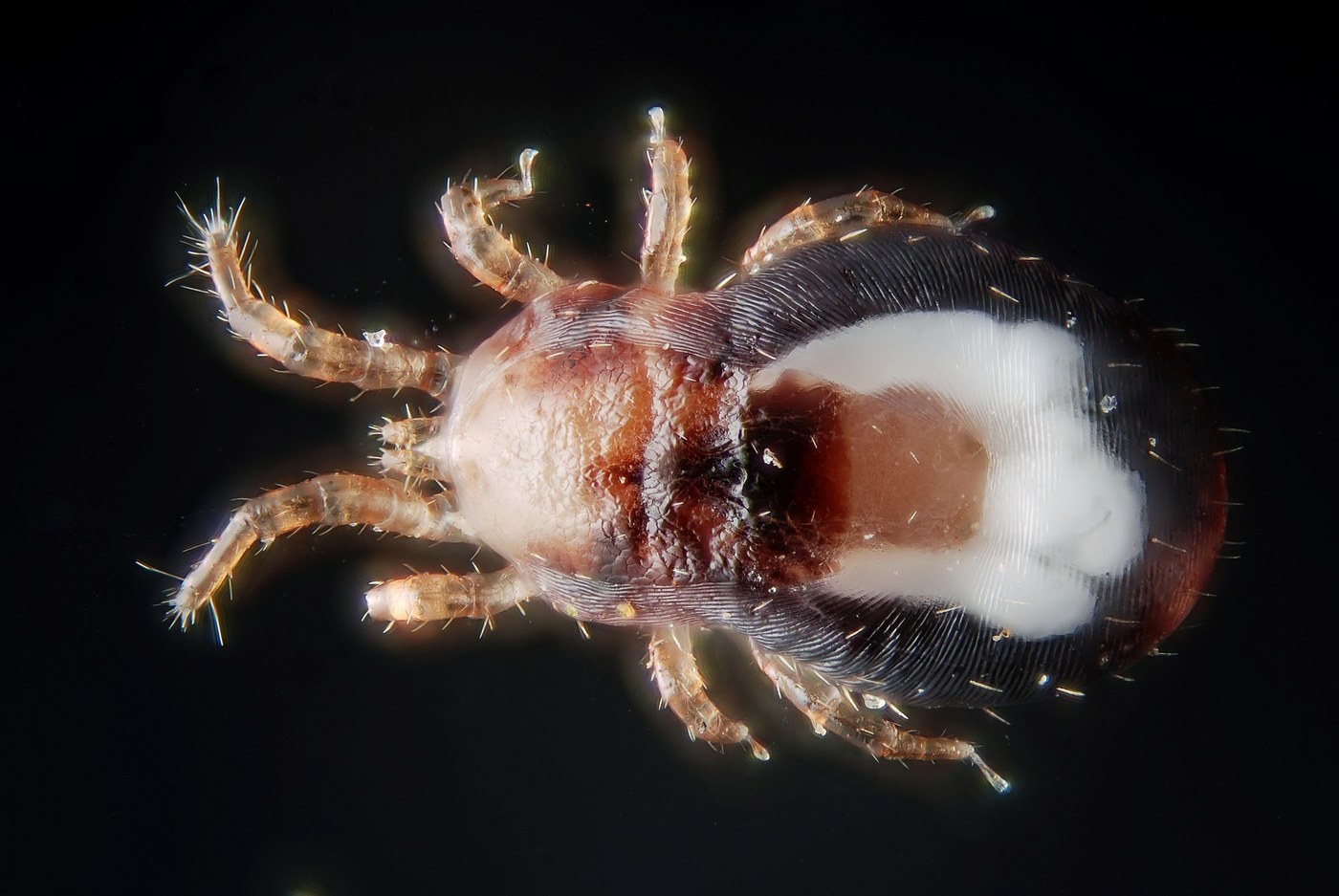
Chicken Mite
Dermanyssus gallinae
A tiny, blood-feeding mite that hides in cracks and crevices of poultry housing by day and emerges at night to feed on roosting birds, turning a dull gray to deep red after a blood meal.
- Size
- 0.6-1 mm, larger and reddish after feeding
- Habitat
- Poultry houses, bird nests, and roosting areas worldwide
- Danger
- Bites
Spotted a bug like this?
Identify any bug or insect from a photo, free.
Overview
The chicken mite, also known as the red poultry mite, is a small blood-feeding ectoparasite that primarily targets domestic chickens and other poultry, though it can also affect wild birds. Unlike many parasitic mites that remain permanently attached to their host, the chicken mite spends most of its time hidden away from birds in cracks, crevices, and nesting material, only venturing out at night to feed.
This nocturnal feeding pattern distinguishes it from many other parasitic mites and makes infestations sometimes difficult to detect during the day, since the mites retreat to hiding spots in perches, walls, and litter once they have fed. After feeding on blood, the mite's body changes from a grayish-white color to a deep red, giving rise to its common name.
Chicken mites are found in poultry-keeping regions worldwide and are considered a significant concern in the poultry industry due to their rapid reproduction and ability to persist in housing environments even when birds are temporarily absent.
How to Identify
- Extremely small, roughly 0.6 to 1 mm long, generally visible as tiny moving specks rather than in fine detail without magnification
- Unfed mites appear grayish-white to pale tan, while recently fed individuals turn bright red to dark red due to ingested blood
- Oval, flattened body typical of parasitic mites, with eight legs as adults
- Piercing-sucking mouthparts adapted for feeding on host blood
- Often found in large clusters hidden in cracks, crevices, and nesting material near roosting sites rather than on the birds themselves during the day
- Distinguished from the related northern fowl mite by its nocturnal, hide-and-feed behavior versus mites that remain on the host continuously
Habitat & Range
Chicken mites are found wherever poultry is kept, including backyard coops, commercial poultry houses, and around wild bird nests, with a broad global distribution. They favor the cracks, crevices, and gaps in wooden perches, nest boxes, and structural elements of housing where they can hide during the day.
Infestations tend to build up in structures over successive breeding cycles, and the mites can survive extended periods without a blood meal, allowing populations to persist in empty housing between flocks. Warm, humid conditions generally favor faster reproduction and larger populations.
Behavior & Diet
Chicken mites are nocturnal parasites, hiding in structural cracks and nesting material during daylight hours and emerging after dark to climb onto roosting birds and feed on blood. After feeding, they return to their hiding spots before daybreak, a behavior pattern that helps them avoid predators and daytime disturbance.
Their feeding activity can cause restlessness in roosting birds, and heavy infestations are associated with reduced comfort for affected poultry. Within the broader ecosystem, chicken mites function as specialized avian ectoparasites, closely tied to the presence of roosting bird populations for their blood meals and reproduction.
Life Cycle
The chicken mite life cycle progresses through egg, larva, two nymphal stages (protonymph and deutonymph), and adult, with blood meals required at several of the later stages to molt and develop further. Under warm conditions, the entire life cycle from egg to adult can be completed in as little as one to two weeks, allowing populations to grow very rapidly.
Eggs are typically laid in the same hidden crevices used for daytime shelter, and multiple overlapping generations can occur throughout a single season in favorable conditions. The species can also survive extended starvation periods as adults, allowing populations to persist even when host birds are temporarily unavailable.
Frequently asked questions
Why is it hard to find chicken mites during the day?
Chicken mites hide in cracks, crevices, and nesting material during daylight hours and only emerge at night to feed on roosting birds, making daytime inspections less likely to reveal them.
What causes the mite's color to change to red?
The color change from grayish-white to red occurs after the mite consumes a blood meal from a host bird, with the ingested blood visible through its body.
How fast can chicken mite populations grow?
Under warm conditions, the life cycle from egg to adult can be completed in as little as one to two weeks, allowing populations to expand very quickly in poultry housing.
Do chicken mites only affect chickens?
While chickens are their primary host, chicken mites can also feed on other domestic and wild birds when available in or near their habitat.
Chicken Mite guides
In-depth guides for identifying, understanding, and living alongside Chicken Mite.
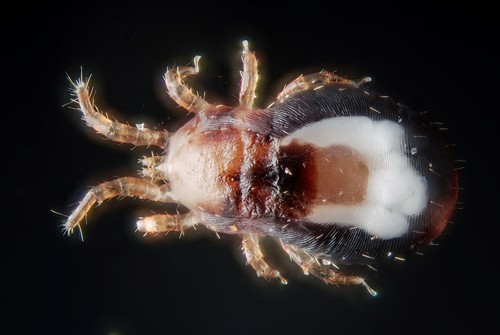
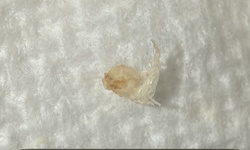
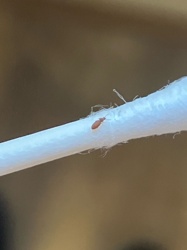
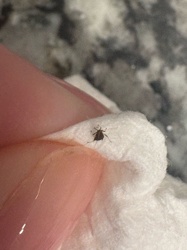
Chicken Mite identified by the community
Real finds identified with Bug Identifier.

Other bugs you may enjoy
Wood Tick
Grassland, shrub-steppe, and open woodland of western North America
Yellow Scorpion
Arid scrubland, rocky slopes, and desert margins
Whip Spider
Tropical caves, rainforest leaf litter, and under bark
Water Mite
Ponds, lakes, streams, and other freshwater bodies
American Dog Tick
Grassy fields, trails, and low vegetation near woodlands
Arizona Bark Scorpion
Rocky desert terrain, tree bark, and structures in the Southwest
Tick
Tall grass, brush, woodland edges, and animal trails
Soil Mite
Soil, leaf litter, moss, and decaying organic matter worldwide
Rocky Mountain Wood Tick
Sagebrush shrublands, grasslands, and montane forest edges
Two-Spotted Spider Mite
Undersides of leaves on garden plants, crops, and houseplants
Spider Mite
Undersides of leaves on garden plants, houseplants, and field and orchard crops worldwide
Whip Scorpion
Tropical and subtropical caves, tree bark, and rock crevices worldwide