
Gall Midge
Cecidomyiidae spp.
A delicate, mosquito-like fly whose larvae trigger plants to grow strange, often colorful swellings called galls, each species usually tied to one particular host plant.
- Size
- 1–5 mm
- Habitat
- on host plants in gardens, fields, and forests
- Danger
- Nuisance pest
Spotted a bug like this?
Identify any bug or insect from a photo, free.
Overview
Gall midges belong to the family Cecidomyiidae, one of the largest fly families with thousands of described species and likely many more undescribed. Adults are fragile, short-lived flies rarely noticed by people, but their larvae are famous for inducing galls — abnormal plant growths — on leaves, stems, buds, and flowers of a huge range of trees and herbaceous plants.
Each gall midge species is typically highly host-specific, targeting a single plant species or a narrow group of related plants, and the galls they produce are often distinctive enough in shape and color to identify the midge species without ever seeing the insect itself. Familiar examples include the Hessian fly, a historically significant pest of wheat, and various oak, willow, and goldenrod gall midges that produce conspicuous swellings on their host plants.
Because the larvae feed and develop entirely within the protective gall tissue, gall midges are rarely seen as adults; most people only ever encounter the plant galls they leave behind.
How to Identify
- Adults are tiny and mosquito-like, 1–5 mm, with long, beaded antennae
- Slender legs and a single pair of delicate, often hairy wings
- Soft, weakly sclerotized body, usually tan, gray, or reddish
- Larvae are small, legless maggots, often orange, yellow, or white, found inside plant galls
- Best identified indirectly by the distinctive gall shape on a known host plant rather than by examining the adult fly
Habitat & Range
Gall midges occur wherever their host plants grow, from garden shrubs and ornamental trees to agricultural fields, forests, and wetlands. Because most species are tied to specific plants, their distribution mirrors that of their hosts and spans temperate and tropical regions worldwide.
Behavior & Diet
Adult gall midges are short-lived, often surviving only a day or two, during which their main task is mating and locating an appropriate host plant on which to lay eggs. Larvae feed within the gall tissue the plant forms around them, drawing nutrients from the surrounding cells; the plant reaction that creates the gall is thought to be triggered chemically by the feeding larva. Ecologically, gall midges are an important food source for parasitoid wasps and other insects that specialize in attacking gall-dwelling larvae, and heavy infestations of certain species are treated as agricultural or garden pests on crops such as wheat, sorghum, and various ornamentals.
Life Cycle
Females lay eggs on or near host plant tissue, often on young leaves, buds, or shoots. After hatching, larvae burrow into the plant and their feeding stimulates the surrounding tissue to swell into a gall that encases and protects them as they feed and grow. Larvae typically pass through three instars before pupating, either within the gall or after dropping to the soil, and many species overwinter as larvae or pupae before emerging as adults the following season, with some species producing multiple generations per year.
Frequently asked questions
How can I tell a gall midge species without seeing the adult?
The shape, color, and location of the gall on a known host plant are usually distinctive enough to identify the species responsible.
Do gall midges harm the plants they infest?
Effects vary by species; some cause only cosmetic swellings, while a few, such as the Hessian fly on wheat, are recognized agricultural pests.
How long do adult gall midges live?
Adults are very short-lived, often surviving only one to a few days, just long enough to mate and lay eggs.
Are gall midges related to mosquitoes?
They are true flies in a different family from mosquitoes, though their small size and long antennae give adults a superficially similar, delicate appearance.
Gall Midge guides
In-depth guides for identifying, understanding, and living alongside Gall Midge.
Gall Midge identified by the community
Real finds identified with Bug Identifier.
Other bugs you may enjoy
Aphid Midge
Gardens, greenhouses, and crops with aphids
Yellow Fever Mosquito
Urban and peri-urban areas near small artificial water containers in tropical and subtropical regions worldwide
Root Maggot
Garden and field soil around the roots of cole crops and other vegetables
Anopheles Mosquito
Clean, still or slow-moving freshwater habitats such as marshes, ponds, and rice paddies
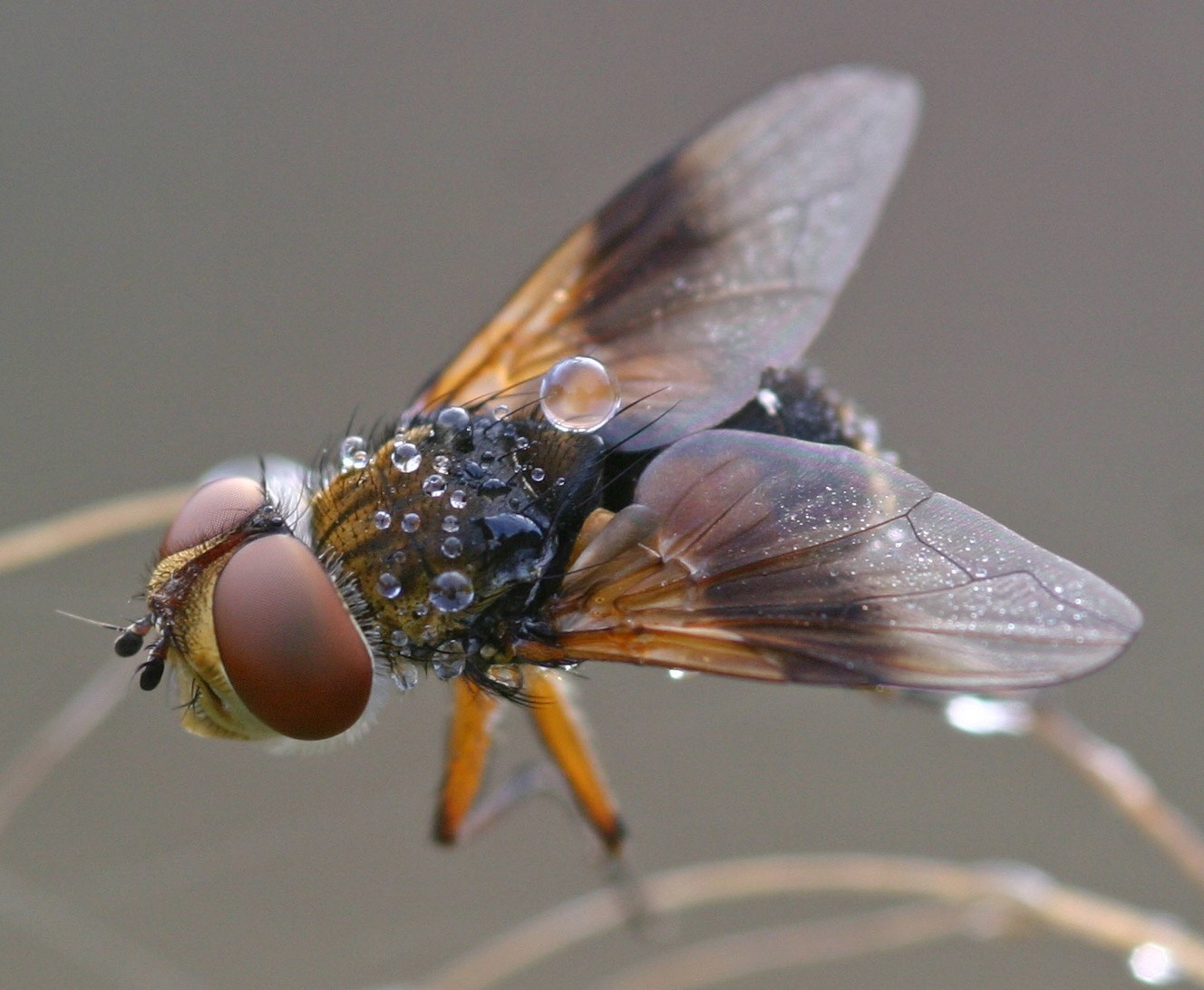
Tachinid Fly
Gardens, meadows, and woodlands wherever host caterpillars and other insects occur
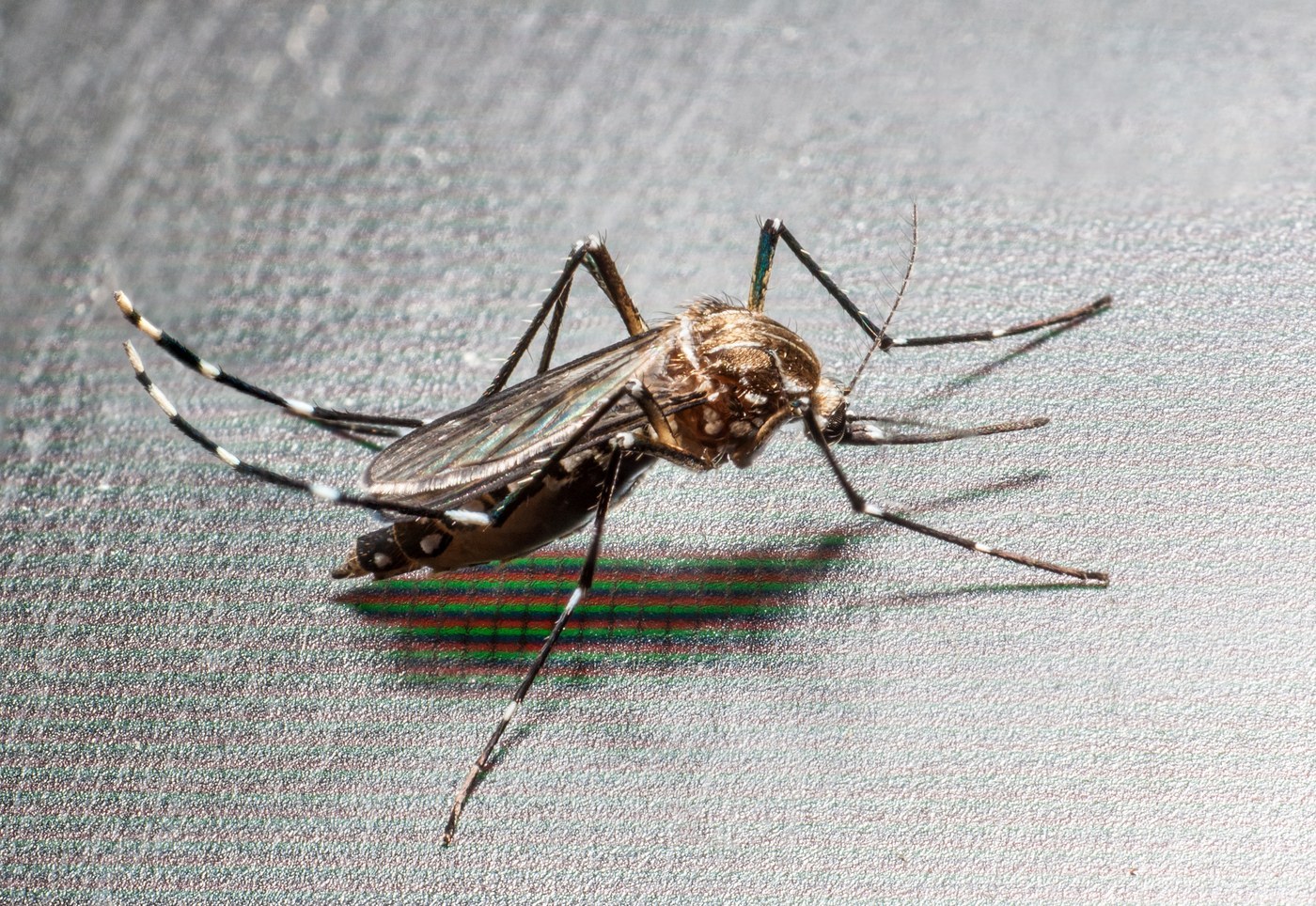
Asian Tiger Mosquito
Shaded urban and suburban areas near small water-holding containers, tires, and tree holes; native to Southeast Asia, now widespread
Tsetse Fly
Wooded savanna, riverine thickets, and forest edges across sub-Saharan Africa
Vinegar Fly
Around overripe fruit, compost, and fermenting materials worldwide
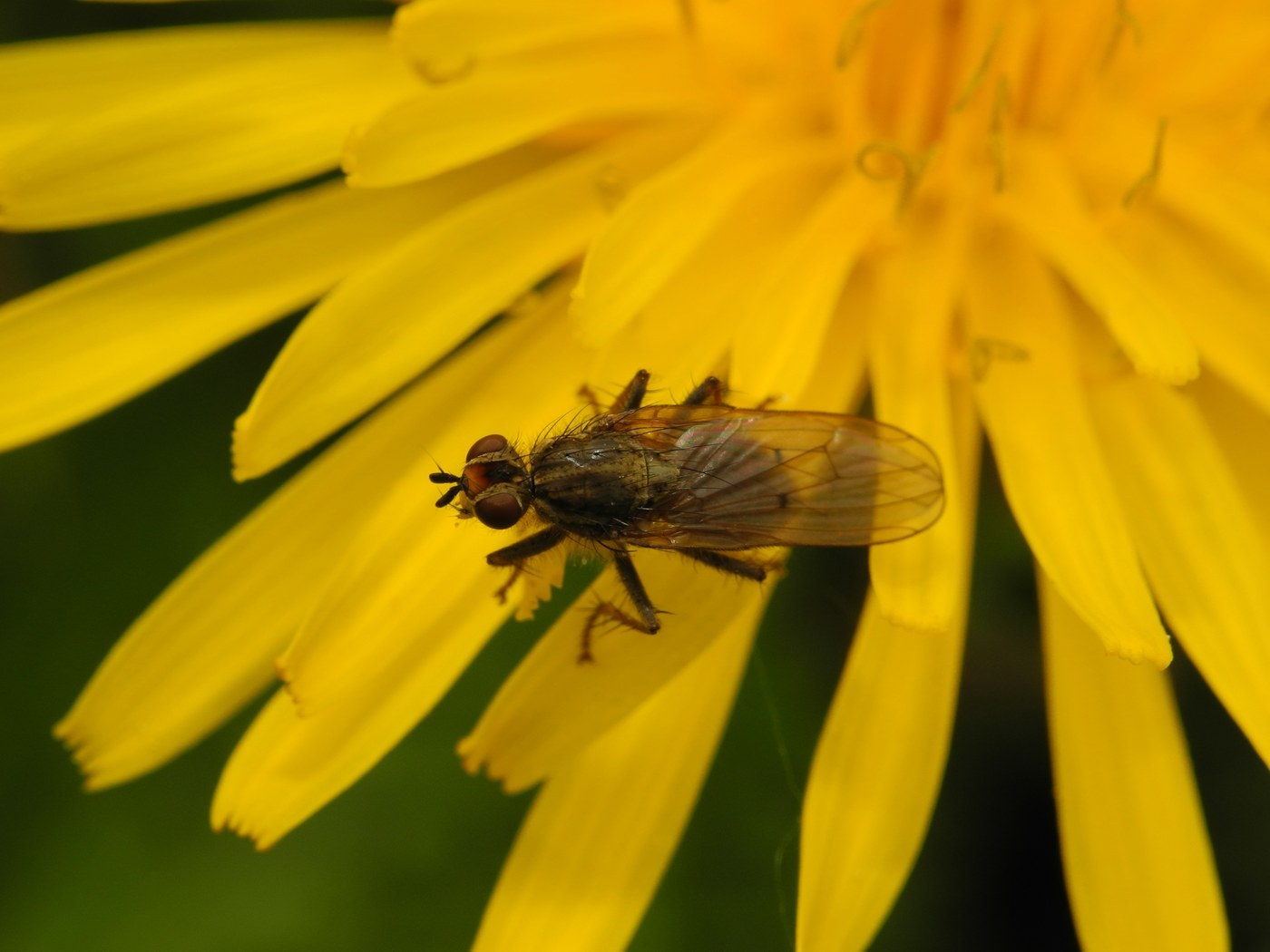
Yellow Dung Fly
Pastures and fields with fresh cattle dung
Screwworm Fly
Warm, humid lowlands of the Americas, especially near livestock and wildlife wounds
Soldier Fly
Wetland margins, decaying organic matter, and vegetation near water
Punkie
near marshes, mudflats, ponds, and other standing water