
Aedes Mosquito
Aedes spp.
A boldly patterned, day-active mosquito genus known for its black-and-white striped legs and habit of breeding in the smallest pockets of water.
- Size
- 4-7 mm (about 0.2-0.3 in) long
- Habitat
- Small water-holding containers and shaded, vegetated sites in urban and rural areas
- Danger
- Bites
Spotted a bug like this?
Identify any bug or insect from a photo, free.
Overview
Aedes is a large, diverse genus of mosquitoes found across tropical, subtropical, and temperate regions worldwide. Many of its species stand out for their contrasting black-and-white or silvery striping on the legs and body, a pattern that makes them among the more visually distinctive mosquitoes to the naked eye.
A hallmark of this genus is its use of small, temporary containers of water for breeding, including tree holes, discarded tires, flowerpot saucers, and clogged gutters. Aedes eggs are notably resistant to drying out, allowing them to survive for extended periods on damp surfaces above the waterline until rain or irrigation floods them and triggers hatching.
Unlike many mosquito genera that are primarily active at night, several well-known Aedes species are aggressive daytime biters, particularly around dawn and dusk, making them a familiar nuisance in gardens and shaded outdoor areas during daylight hours.
How to Identify
- Body and legs often marked with bold black-and-white or silvery-white stripes and bands
- Pointed, tapered tip to the abdomen, unlike the blunt abdomen of Culex
- Small to medium size with a compact, agile flight
- Larvae hang at an angle from the water surface via a short breathing siphon
- Distinguished from Anopheles by the absence of mottled wing scale patches and by a flatter resting posture
Habitat & Range
Aedes mosquitoes are found nearly worldwide, from tropical rainforests to temperate suburbs, and are especially associated with human-modified landscapes. They breed in small, often temporary containers of water such as tree holes, plant axils, tires, buckets, and clogged gutters, as well as in natural depressions that fill after rain.
Adults shelter in shaded, humid vegetation and structures during the hottest part of the day and are frequently encountered biting outdoors during daylight, especially in shady gardens, woodlots, and landscaped areas.
Behavior & Diet
Females require blood meals to produce eggs and are known for persistent, low, quiet flight and a tendency to bite around the ankles and lower legs. Many Aedes species are notably active during the day, a trait less common among mosquitoes overall. Males feed only on nectar and other plant sugars.
Larvae filter-feed on algae, microorganisms, and organic debris within their small water-filled habitats, and their populations can fluctuate rapidly following rainfall as dormant eggs hatch. Adults and larvae serve as prey for various predators, including birds, bats, fish where present, and predatory insects.
Life Cycle
Females lay eggs singly on damp surfaces just above the waterline in containers or natural cavities rather than directly on water. These eggs can withstand drying for weeks to months before flooding rain or added water triggers hatching, often producing a burst of larvae after a single rain event.
Larvae pass through four instars over about a week under warm conditions, followed by a brief, non-feeding pupal stage lasting one to a few days. Multiple generations occur throughout the warm season, and in temperate climates some species overwinter as drought-resistant eggs that hatch the following spring once conditions are favorable.
Frequently asked questions
How can I identify an Aedes mosquito?
Look for bold black-and-white striping on the legs and body and a pointed abdomen tip, along with a tendency to bite during daylight hours.
Why are Aedes mosquitoes associated with small containers?
Many species specialize in breeding in tiny pockets of water such as tree holes, tires, and flowerpot saucers, laying drought-resistant eggs just above the waterline.
Are Aedes mosquitoes active at night or during the day?
Several common Aedes species are unusual among mosquitoes in being aggressive daytime biters, especially near dawn and dusk.
How long can Aedes eggs survive without water?
The eggs are resistant to drying and can remain viable on damp surfaces for weeks to months until rainfall or flooding allows them to hatch.
Aedes Mosquito guides
In-depth guides for identifying, understanding, and living alongside Aedes Mosquito.
Other bugs you may enjoy
Aphid Midge
Gardens, greenhouses, and crops with aphids
Yellow Fever Mosquito
Urban and peri-urban areas near small artificial water containers in tropical and subtropical regions worldwide
Root Maggot
Garden and field soil around the roots of cole crops and other vegetables
Anopheles Mosquito
Clean, still or slow-moving freshwater habitats such as marshes, ponds, and rice paddies
Tachinid Fly
Gardens, meadows, and woodlands wherever host caterpillars and other insects occur
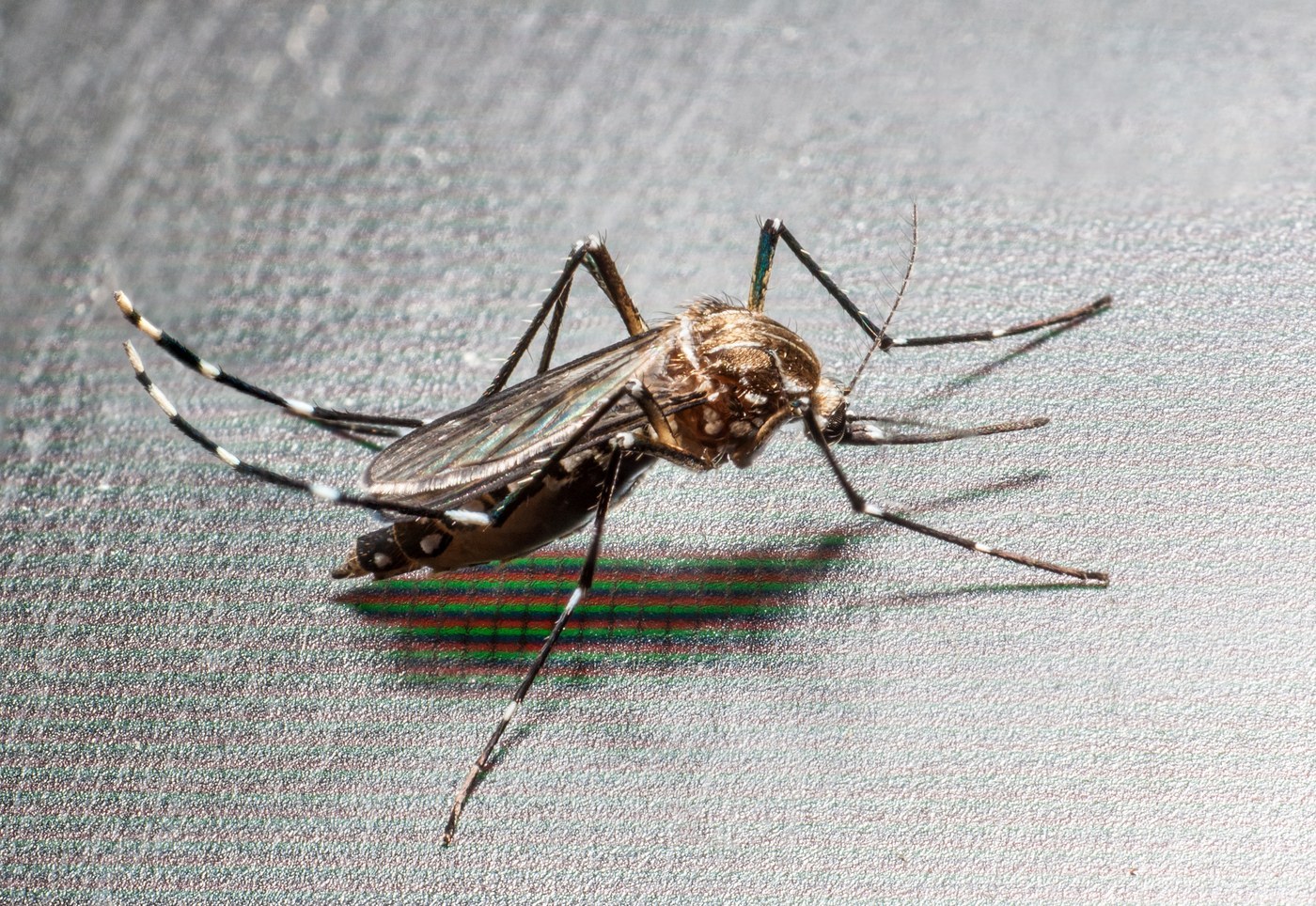
Asian Tiger Mosquito
Shaded urban and suburban areas near small water-holding containers, tires, and tree holes; native to Southeast Asia, now widespread
Tsetse Fly
Wooded savanna, riverine thickets, and forest edges across sub-Saharan Africa
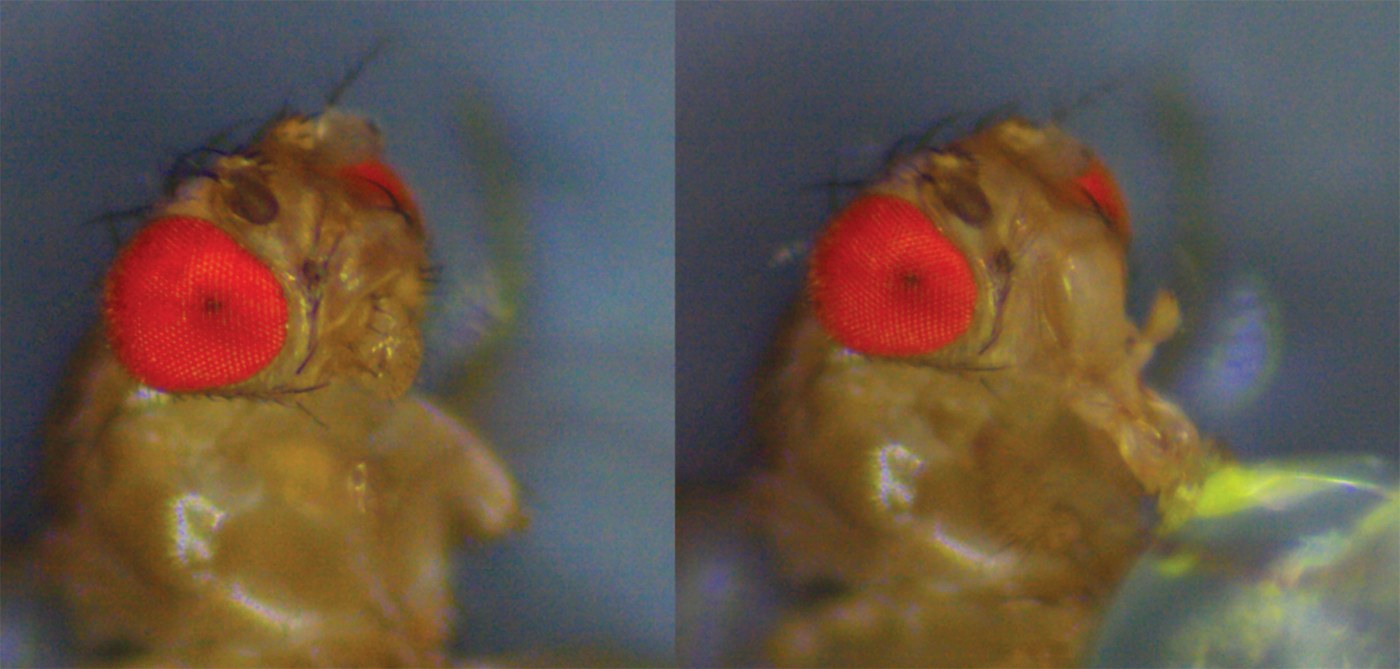
Vinegar Fly
Around overripe fruit, compost, and fermenting materials worldwide
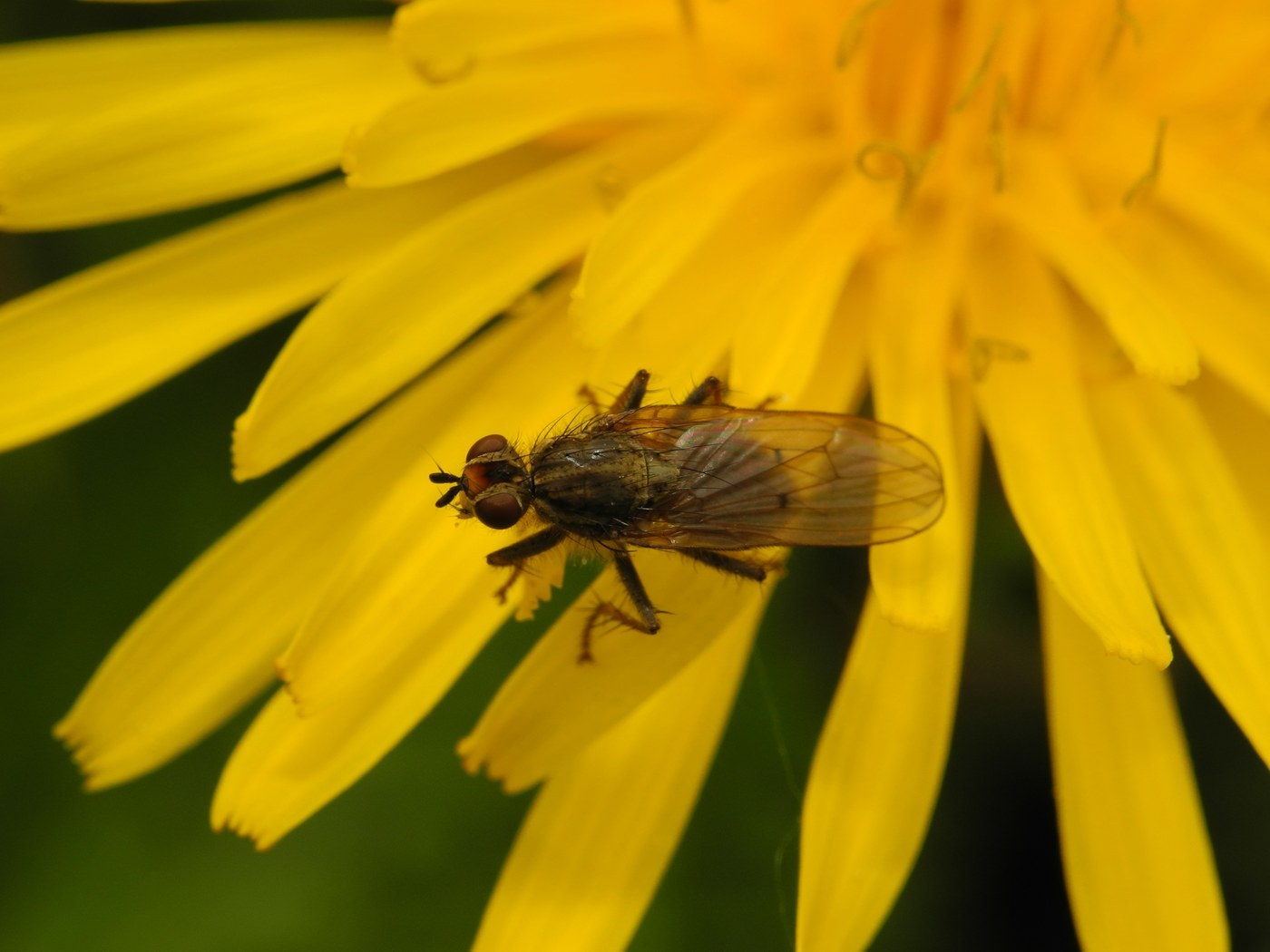
Yellow Dung Fly
Pastures and fields with fresh cattle dung
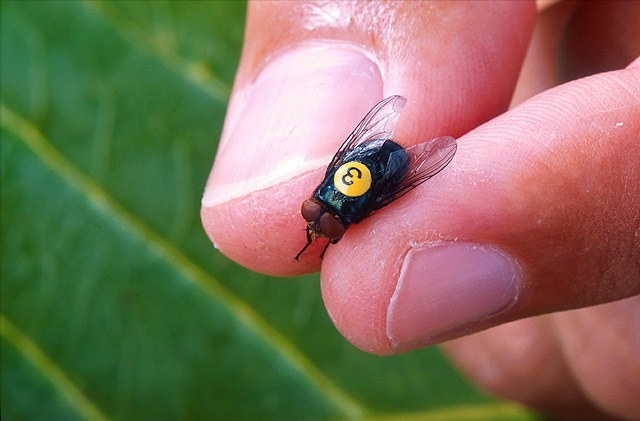
Screwworm Fly
Warm, humid lowlands of the Americas, especially near livestock and wildlife wounds
Soldier Fly
Wetland margins, decaying organic matter, and vegetation near water
Punkie
near marshes, mudflats, ponds, and other standing water