
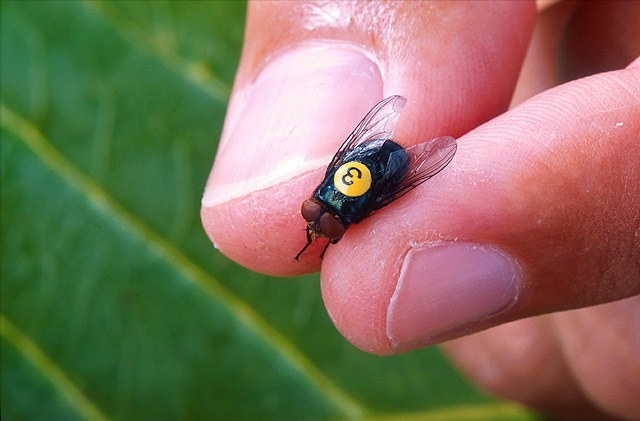
Screwworm Fly
Cochliomyia hominivorax
A metallic blue-green blowfly whose larvae are unusual among maggots for feeding on living tissue rather than carrion, drawn to even small open wounds on warm-blooded animals. The species has been the target of one of the most successful large-scale insect eradication campaigns in history across much of North America.
- Size
- 8–10 mm, metallic blue-green
- Habitat
- Warm, humid lowlands of the Americas, especially near livestock and wildlife wounds
- Danger
- Nuisance pest
Spotted a bug like this?
Identify any bug or insect from a photo, free.
Overview
The New World screwworm fly, Cochliomyia hominivorax, is a metallic blue-green blowfly native to the warmer regions of the Americas, closely related to the common carrion-feeding blowflies but distinguished by larvae that feed on living, rather than dead, tissue. Adults are strong, fast fliers with the typical bristly, shining body of the blowfly family, and are most easily told apart from ordinary blowflies by an entomologist examining wing venation and head bristle patterns rather than by color alone.
Females are attracted to any open wound, scratch, or even the moist tissue of a newborn animal's navel, where they lay large batches of eggs. This habit made the species a significant historical concern for livestock producers across the southern United States, Mexico, and Central and South America, prompting a coordinated eradication program using sterile insect release that successfully removed the species from the United States and much of Central America by the late twentieth century, with ongoing monitoring to prevent reestablishment.
Today the species persists mainly in South America and parts of the Caribbean, where it continues to be studied both as a pest of livestock and wildlife and as a landmark case study in area-wide insect population management.
How to Identify
- Medium-sized blowfly, 8–10 mm long, with a shining metallic blue-green body typical of the blowfly family Calliphoridae
- Three dark longitudinal stripes are visible on the thorax, a useful field character shared with its close relatives in the genus Cochliomyia
- Large reddish-orange compound eyes and short, bristly antennae
- Wings are clear and held flat over the body at rest, with strong, direct flight
- Reliable separation from ordinary carrion blowflies generally requires close examination of bristle patterns, best done by a trained specialist
Habitat & Range
This species is native to warm, humid lowland regions of the Americas, historically ranging from the southern United States through Mexico, Central America, and much of South America, with populations now mostly restricted to South America and parts of the Caribbean following successful eradication efforts farther north. Adults are found wherever livestock, wildlife, or other warm-blooded animals are present, particularly in pasture and rangeland habitats, and activity is highest in warm, humid conditions that favor rapid larval development.
Behavior & Diet
Female screwworm flies are drawn specifically to the odor of open wounds, scrapes, or moist newborn tissue on livestock and wild mammals, where they lay clusters of several hundred eggs. Unlike most blowfly larvae, which specialize on decaying carrion, screwworm larvae feed on living tissue at the wound site, a trait that historically made the species a serious concern in livestock-raising regions. Adults feed on nectar, plant fluids, and wound exudates, and within the broader ecosystem the species functions as an unusual specialist among blowflies, occupying a niche most other calliphorids avoid.
Life Cycle
Eggs are laid in tightly packed masses at the edge of a wound and hatch within about a day, after which larvae burrow head-down into living tissue and feed for roughly a week, growing through three larval stages. Mature larvae then drop from the host to the ground and burrow into soil to pupate, with the pupal stage typically lasting one to two weeks depending on temperature. Adults emerge, mate within a few days, and females seek out new wounds to lay eggs, allowing several generations to be produced each year under warm conditions.
Frequently asked questions
What makes the screwworm fly different from other blowflies?
Its larvae feed on living tissue in open wounds rather than on carrion, which is unusual among blowfly species that mostly specialize on dead animal matter.
Where is the screwworm fly found today?
Populations are now largely restricted to South America and parts of the Caribbean, after a long-running eradication program removed the species from the United States and much of Central America.
What attracts a female screwworm fly to a host?
She is drawn to the odor of open wounds, scrapes, or moist tissue such as a newborn animal's navel, where she lays her eggs.
How can this species be told apart from ordinary blowflies?
It shares the typical shining blue-green blowfly body plan but is usually distinguished by three dark thoracic stripes and details of bristle pattern examined by specialists.
Screwworm Fly guides
In-depth guides for identifying, understanding, and living alongside Screwworm Fly.
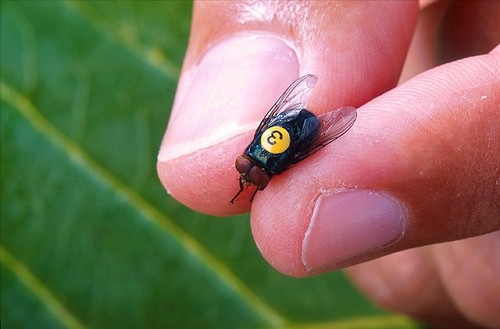
Screwworm Fly identified by the community
Real finds identified with Bug Identifier.
Other bugs you may enjoy
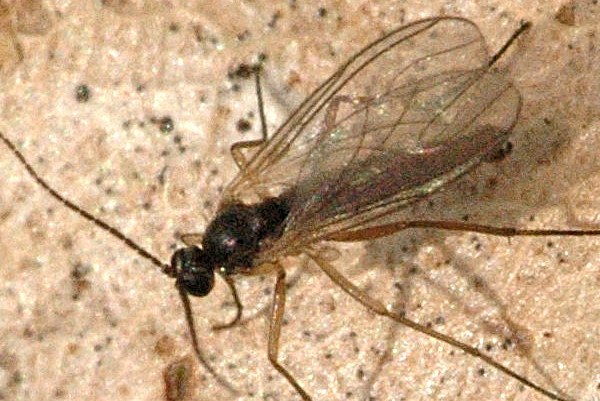
Aphid Midge
Gardens, greenhouses, and crops with aphids
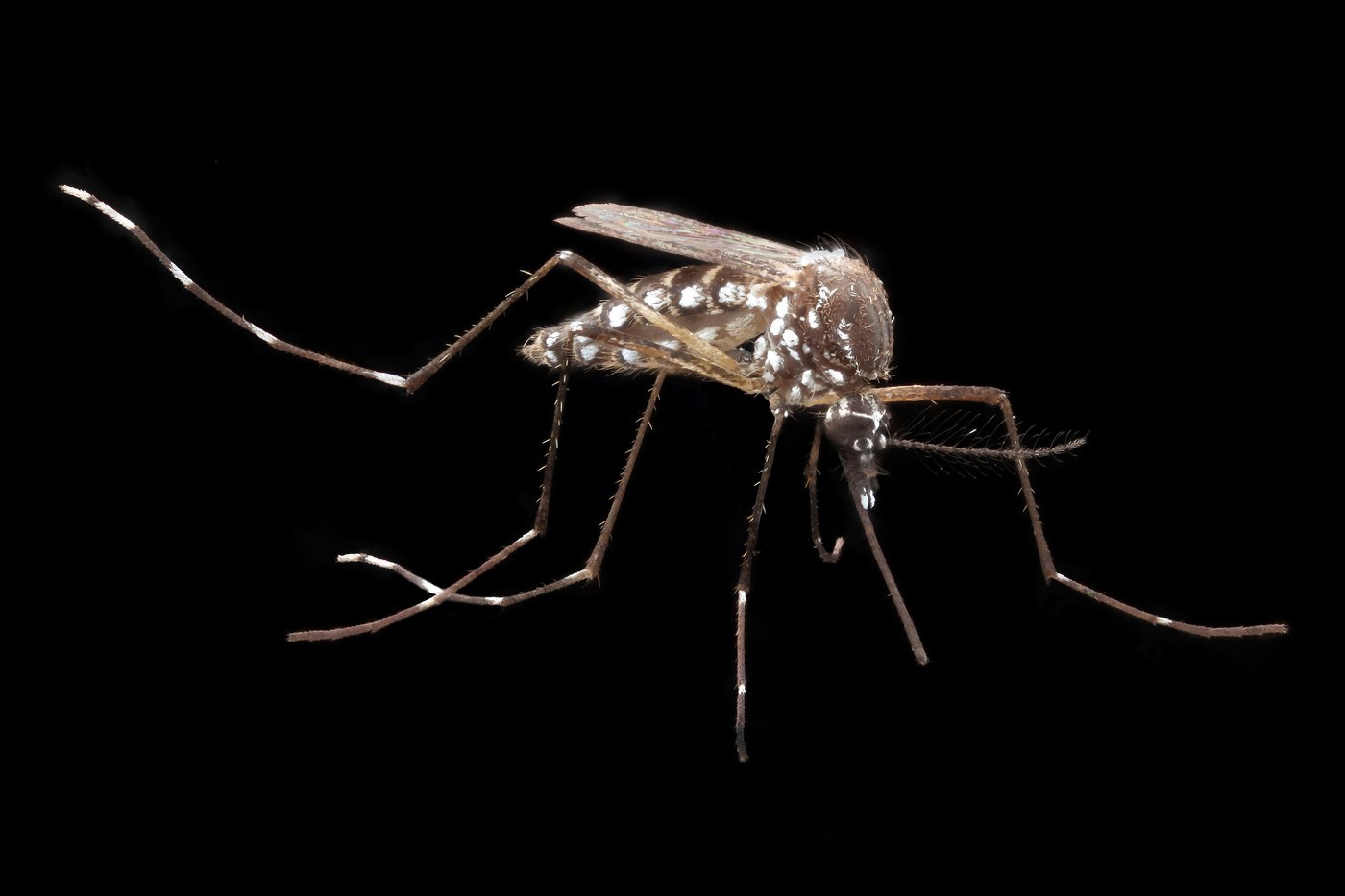
Yellow Fever Mosquito
Urban and peri-urban areas near small artificial water containers in tropical and subtropical regions worldwide
Root Maggot
Garden and field soil around the roots of cole crops and other vegetables
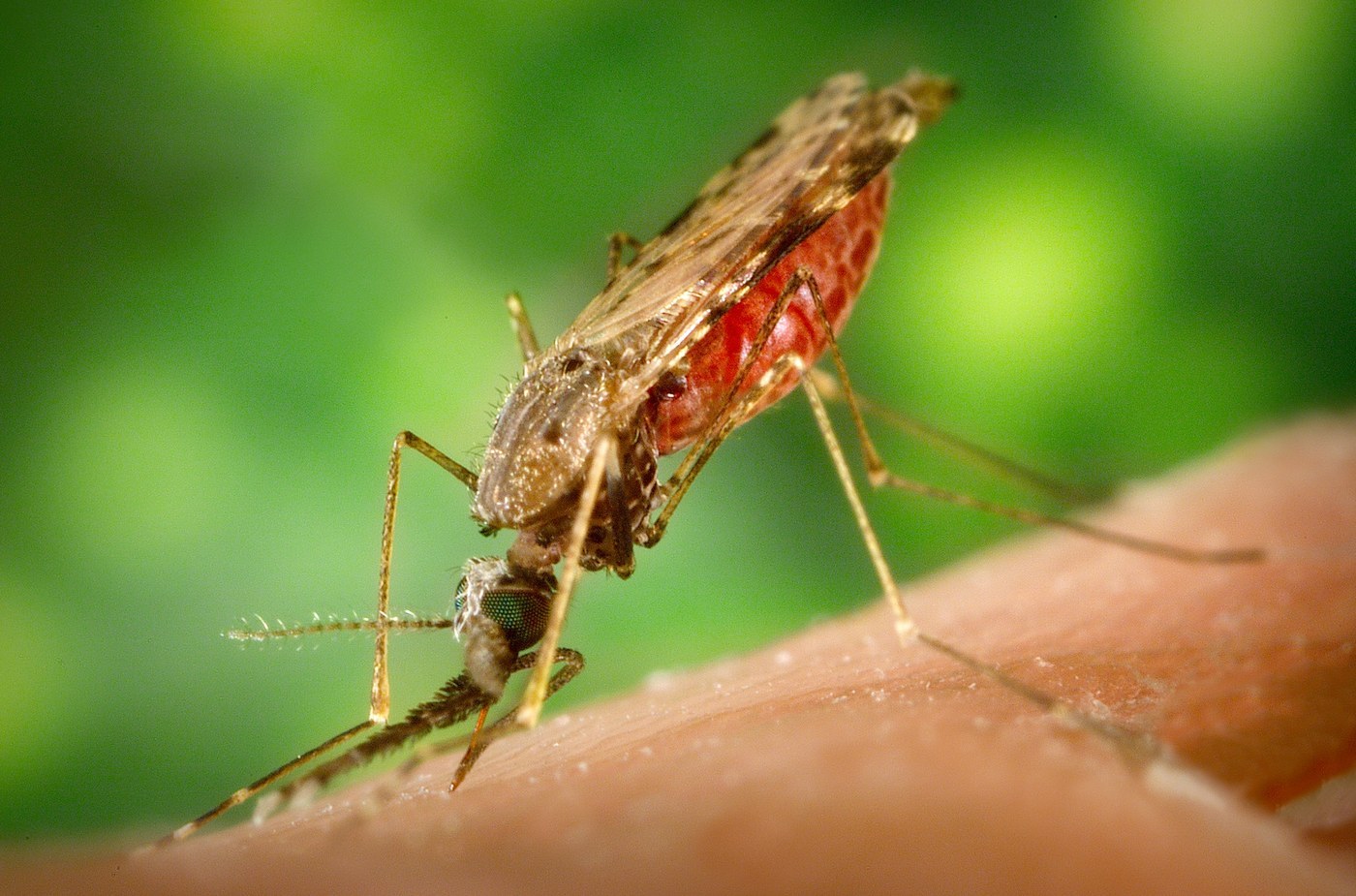
Anopheles Mosquito
Clean, still or slow-moving freshwater habitats such as marshes, ponds, and rice paddies
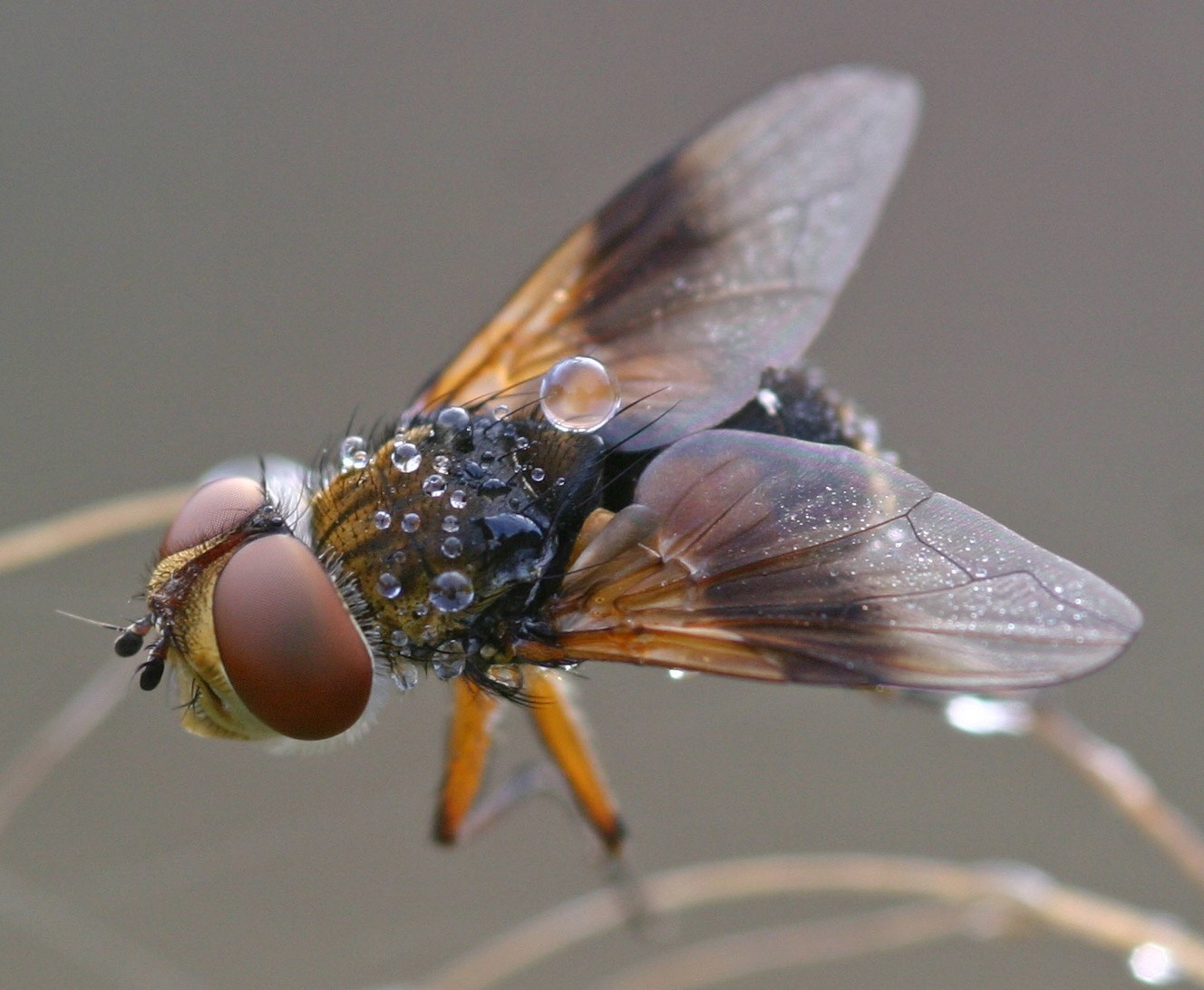
Tachinid Fly
Gardens, meadows, and woodlands wherever host caterpillars and other insects occur
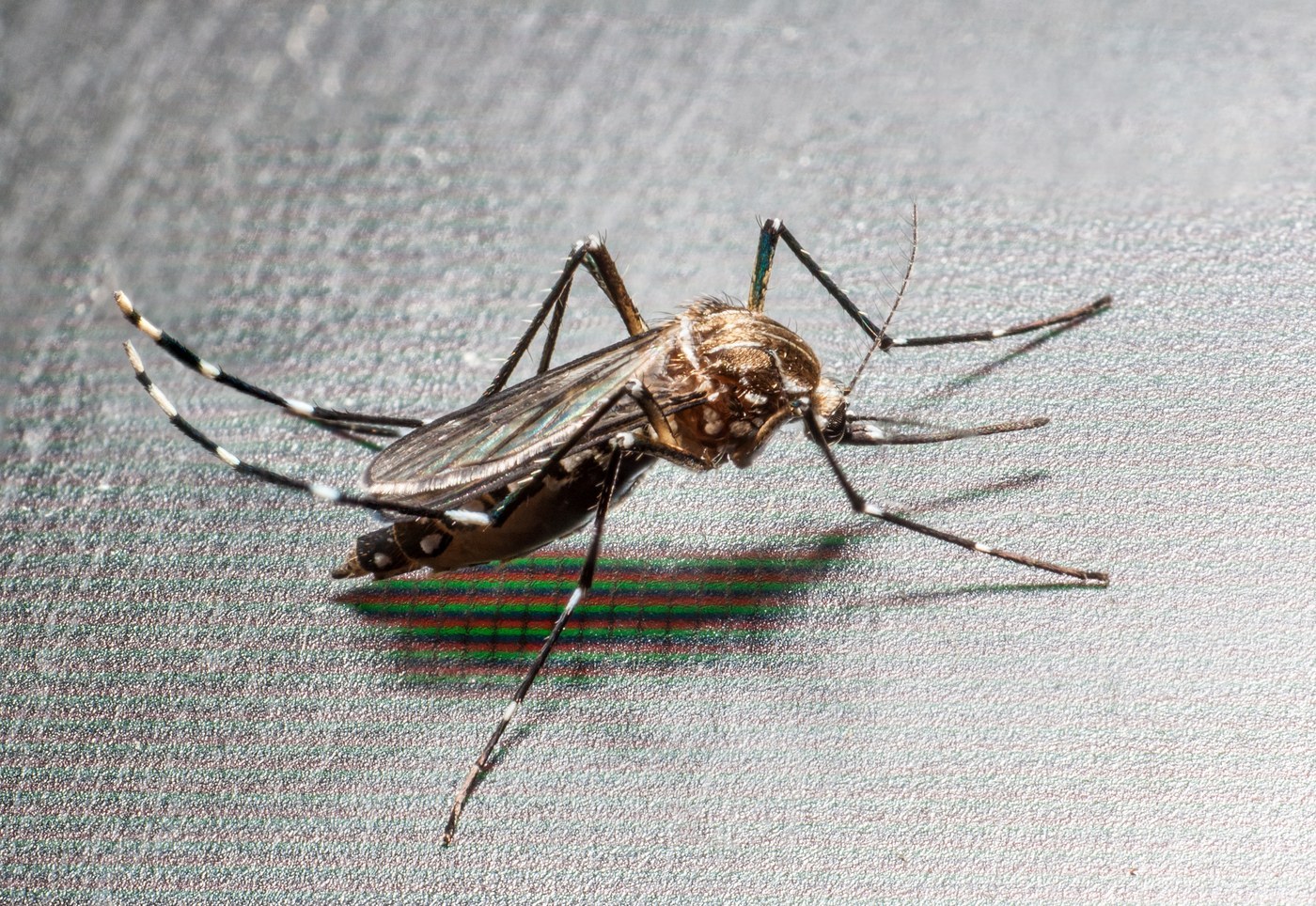
Asian Tiger Mosquito
Shaded urban and suburban areas near small water-holding containers, tires, and tree holes; native to Southeast Asia, now widespread
Tsetse Fly
Wooded savanna, riverine thickets, and forest edges across sub-Saharan Africa
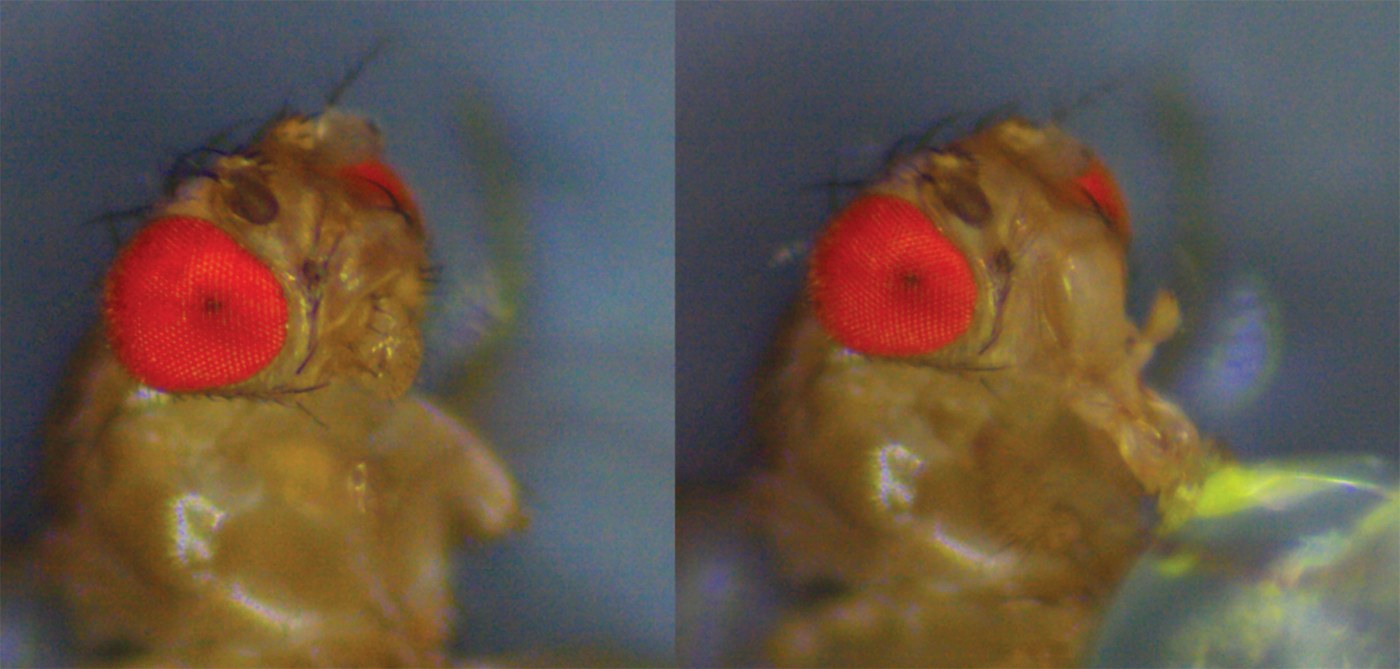
Vinegar Fly
Around overripe fruit, compost, and fermenting materials worldwide
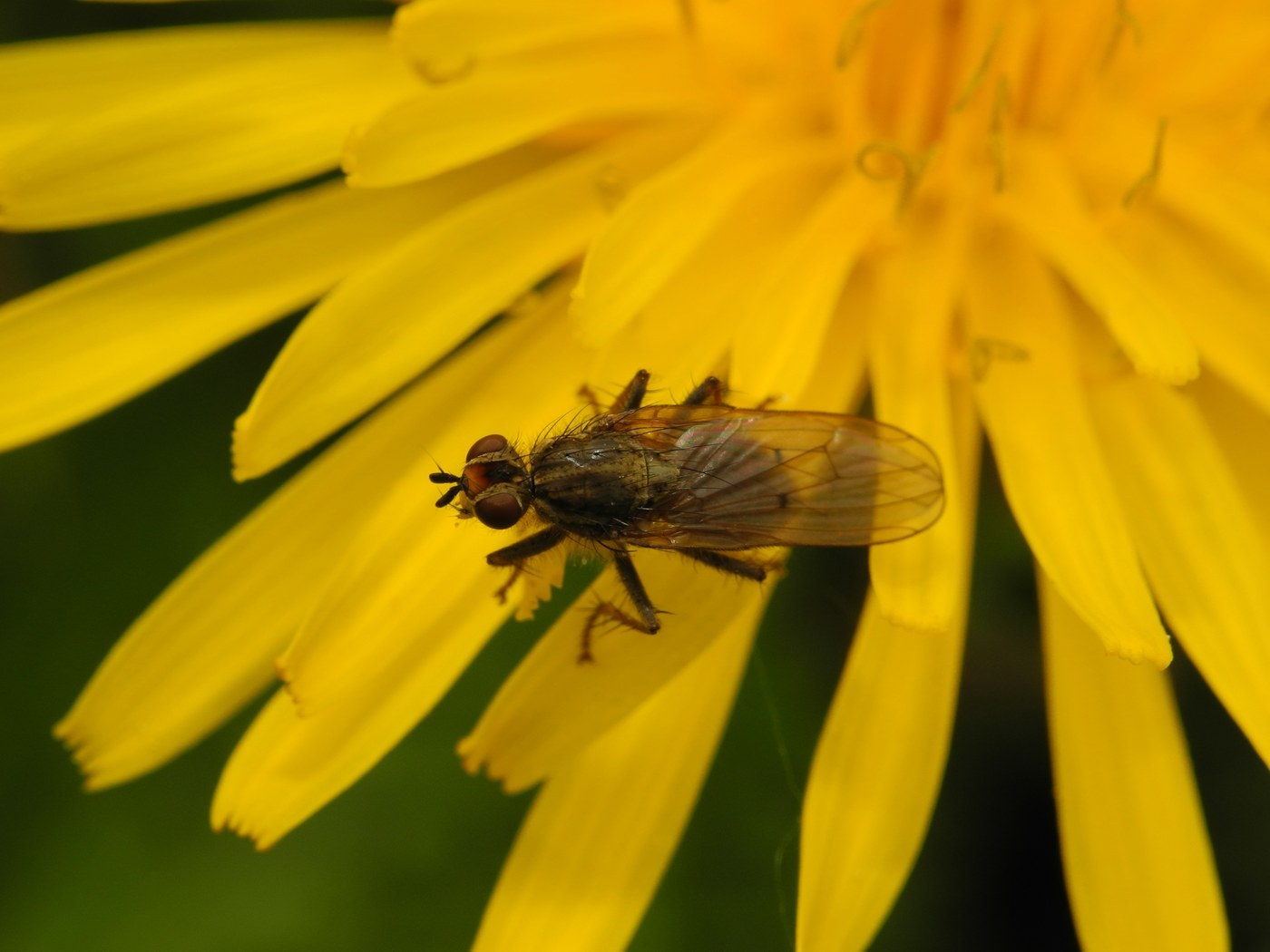
Yellow Dung Fly
Pastures and fields with fresh cattle dung
Soldier Fly
Wetland margins, decaying organic matter, and vegetation near water
Punkie
near marshes, mudflats, ponds, and other standing water
Warble Fly
Pastures and rangeland wherever cattle and other large grazing mammals occur