
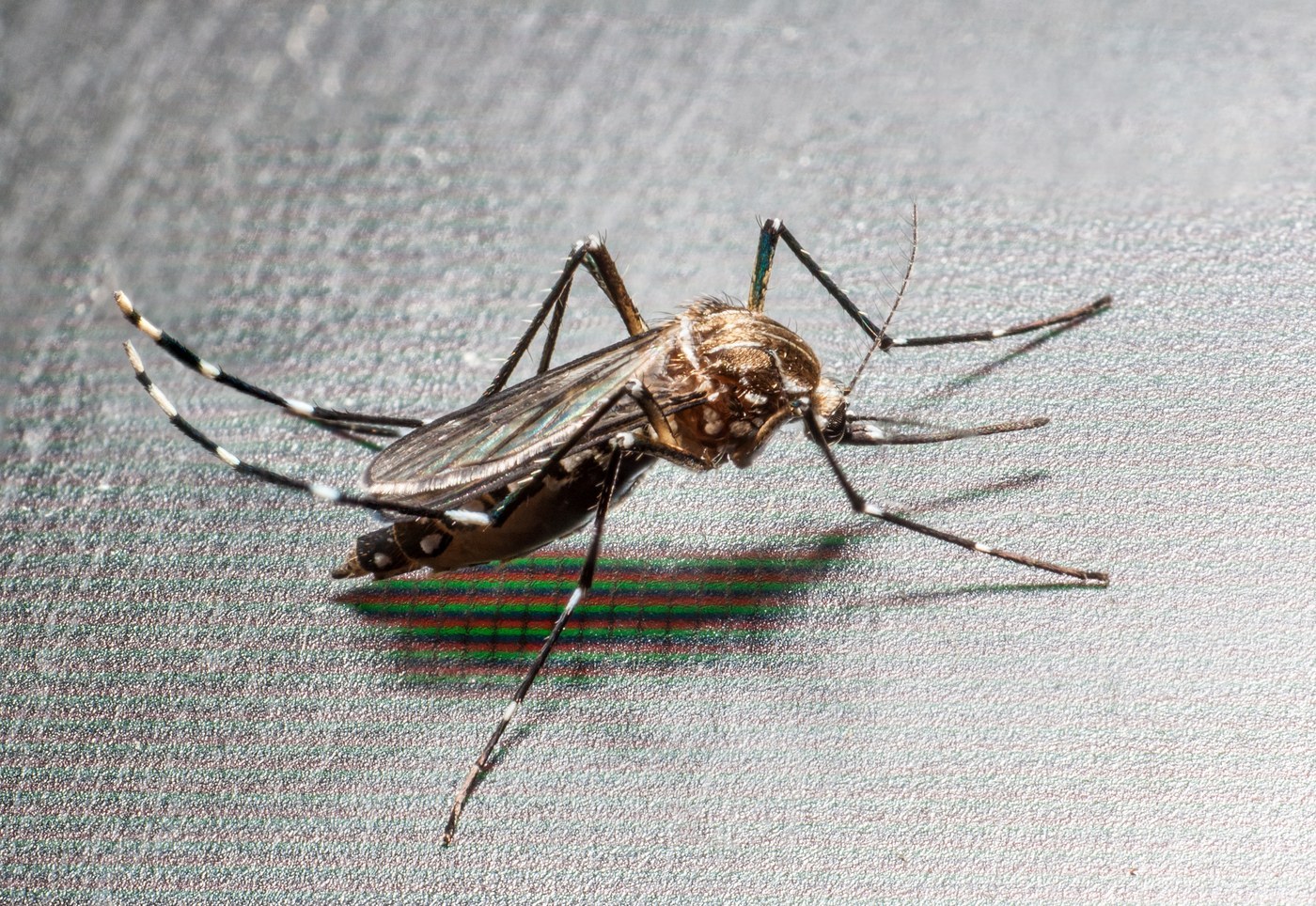
Asian Tiger Mosquito
Aedes albopictus
A small, dark mosquito boldly marked with silvery-white stripes, including one distinctive stripe running straight down the center of its back, that bites readily in broad daylight.
- Size
- 2-10 mm long
- Habitat
- Shaded urban and suburban areas near small water-holding containers, tires, and tree holes; native to Southeast Asia, now widespread
- Danger
- Bites
Spotted a bug like this?
Identify any bug or insect from a photo, free.
Overview
The Asian tiger mosquito, Aedes albopictus, originated in the forests of Southeast Asia but has become one of the most widely distributed invasive mosquitoes on Earth. Its spread has been driven largely by global trade, particularly the shipment of used tires and ornamental lucky bamboo, both of which can hold the small amounts of standing water the species needs for its eggs.
This mosquito is highly adaptable, thriving in both natural forest edges and dense urban and suburban neighborhoods, wherever small containers collect rainwater. Its bold black-and-white striping gives it a tiger-like appearance and its common name.
Unlike many mosquitoes that are most active at dawn and dusk, the Asian tiger mosquito is a persistent daytime biter, making it a familiar nuisance in gardens and backyards during daylight hours.
How to Identify
- Small to medium mosquito, 2-10 mm long
- Dark body with bold silvery-white scale markings
- A single, distinctive white stripe running down the center of the thorax from front to back
- White banding on the legs
- Lookalikes: the yellow fever mosquito has a lyre- or violin-shaped pair of curved white stripes on the thorax rather than one straight central stripe
Habitat & Range
Originally native to forested areas of Southeast Asia, the Asian tiger mosquito is now established across the Americas, Europe, Africa, and parts of Asia, thriving in temperate to tropical climates. It is common in suburban and urban settings, breeding in any small container that holds standing water, including tires, buckets, flowerpot saucers, and natural tree holes.
Behavior & Diet
This species is an aggressive daytime biter, most active in the early morning and late afternoon, and feeds on a wide range of hosts including mammals, birds, and reptiles. Adults tend to rest in shaded vegetation between blood meals. Larvae are filter feeders, consuming microorganisms and organic particles suspended in the small pools of water where they develop.
Life Cycle
Eggs are laid singly just above the waterline inside containers and can resist drying out for extended periods, sometimes months. When the container is flooded again by rain, the eggs hatch and larvae pass through four aquatic instars while filter-feeding, then pupate in the same water. Adults typically emerge within one to two weeks under warm conditions. Many generations occur per year in warm climates, while the species overwinters as drought-resistant eggs in cooler temperate regions.
Frequently asked questions
How can you identify an Asian tiger mosquito?
Look for a dark body with a single straight white stripe running down the center of the thorax, along with white-banded legs.
When is the Asian tiger mosquito most active?
Unlike many mosquitoes, it bites aggressively during the day, especially in the early morning and late afternoon.
Where do Asian tiger mosquitoes lay their eggs?
Females lay eggs just above the waterline in small containers such as tires, buckets, and tree holes that periodically fill with rainwater.
How did this mosquito spread beyond Southeast Asia?
It spread largely through global trade, particularly shipments of used tires and ornamental plants that held small amounts of water containing eggs or larvae.
Asian Tiger Mosquito guides
In-depth guides for identifying, understanding, and living alongside Asian Tiger Mosquito.
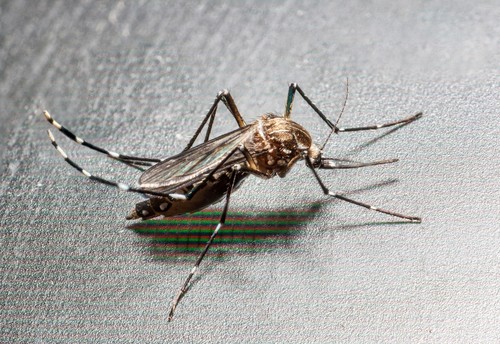
Asian Tiger Mosquito identified by the community
Real finds identified with Bug Identifier.
Other bugs you may enjoy
Aphid Midge
Gardens, greenhouses, and crops with aphids
Yellow Fever Mosquito
Urban and peri-urban areas near small artificial water containers in tropical and subtropical regions worldwide
Root Maggot
Garden and field soil around the roots of cole crops and other vegetables
Anopheles Mosquito
Clean, still or slow-moving freshwater habitats such as marshes, ponds, and rice paddies
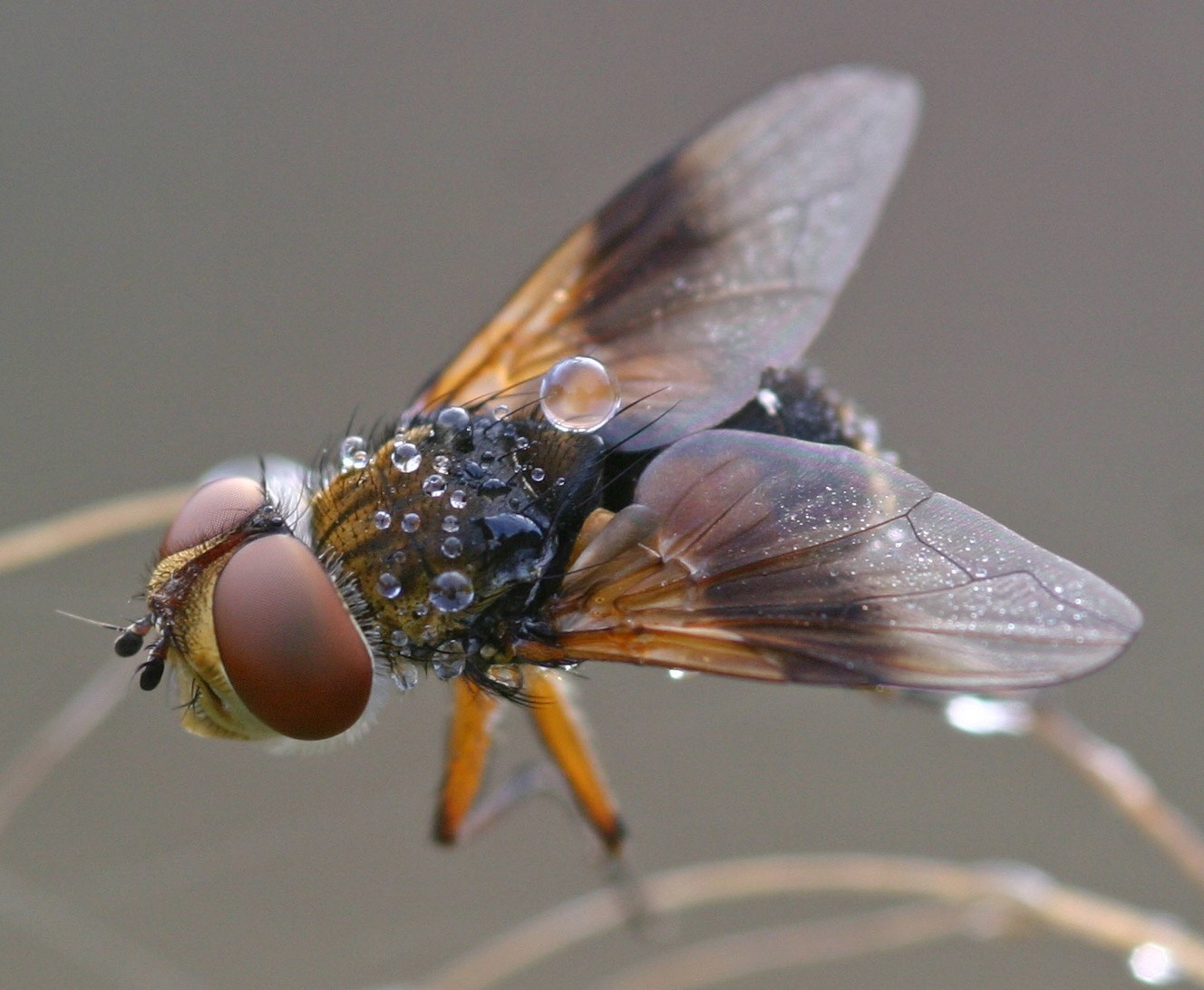
Tachinid Fly
Gardens, meadows, and woodlands wherever host caterpillars and other insects occur
Tsetse Fly
Wooded savanna, riverine thickets, and forest edges across sub-Saharan Africa
Vinegar Fly
Around overripe fruit, compost, and fermenting materials worldwide
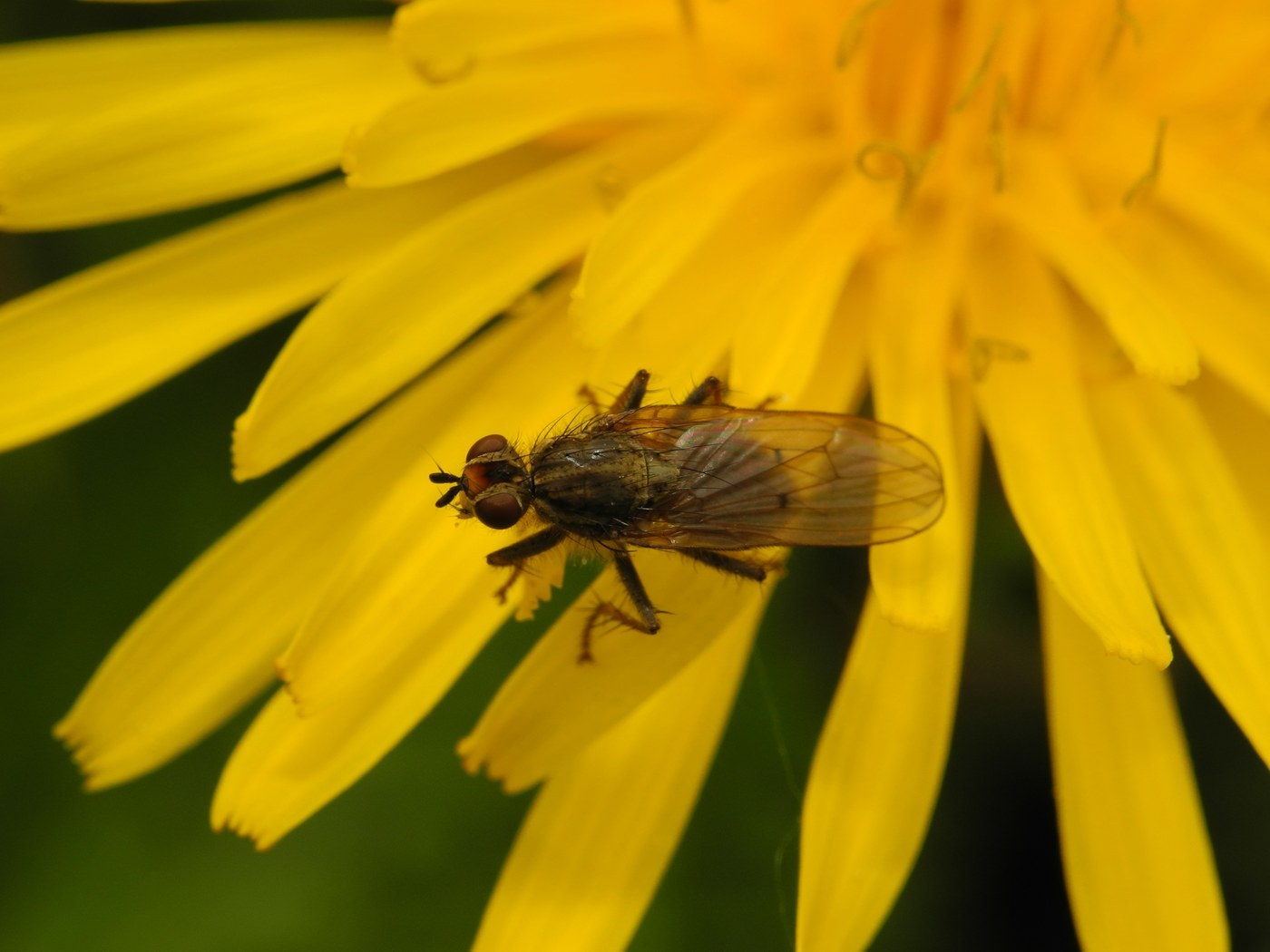
Yellow Dung Fly
Pastures and fields with fresh cattle dung
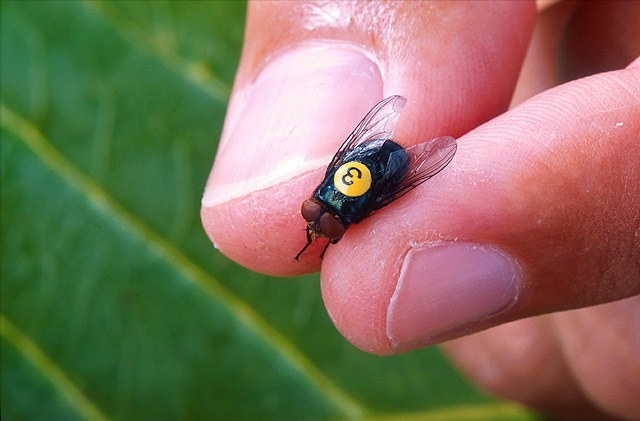
Screwworm Fly
Warm, humid lowlands of the Americas, especially near livestock and wildlife wounds
Soldier Fly
Wetland margins, decaying organic matter, and vegetation near water
Punkie
near marshes, mudflats, ponds, and other standing water
Warble Fly
Pastures and rangeland wherever cattle and other large grazing mammals occur