
Yellow Fever Mosquito
Aedes aegypti
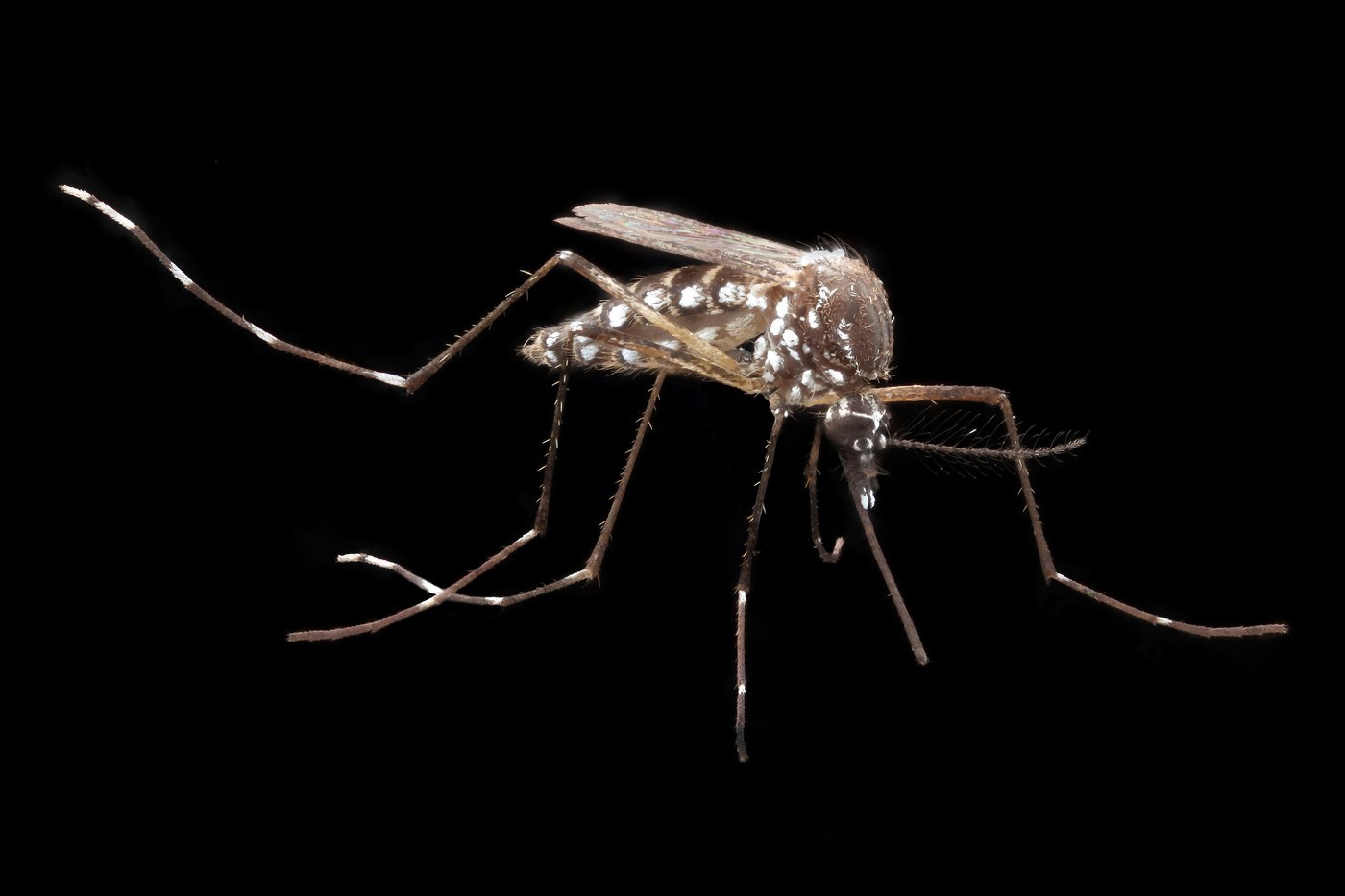
A dark mosquito marked with a lyre-shaped pattern of white scales on its thorax, closely tied to human dwellings and the water-filled containers people leave standing around them.
- Size
- 4-7 mm long
- Habitat
- Urban and peri-urban areas near small artificial water containers in tropical and subtropical regions worldwide
- Danger
- Bites
Spotted a bug like this?
Identify any bug or insect from a photo, free.
Overview
The yellow fever mosquito, Aedes aegypti, originated in the forests of Africa but has become one of the most widespread and closely studied mosquito species due to its strong association with human settlements throughout the tropics and subtropics. It thrives wherever people live, breeding almost exclusively in small containers of standing water rather than natural wetlands.
This species is notable for its close relationship with humans, often resting indoors or in shaded areas near homes and preferring to feed on people over other available hosts. Its striking lyre-shaped white marking on the thorax makes it identifiable among the many mosquito species found in warm climates.
Because of its dependence on small, human-created water sources such as buckets, discarded containers, and storage jars, populations of this mosquito often track closely with patterns of urban development and water storage practices.
How to Identify
- Dark brown to black body, 4-7 mm long
- Distinctive lyre- or violin-shaped pair of curved white stripes on top of the thorax
- White banding on the legs
- Lookalikes: the Asian tiger mosquito has a single straight white stripe down the center of the thorax rather than the curved, paired lyre pattern
Habitat & Range
Found throughout tropical and subtropical regions worldwide, the yellow fever mosquito is strongly associated with human settlements. It breeds almost exclusively in small artificial or natural containers holding clean standing water, including buckets, flowerpot saucers, discarded tires, and water storage jars found around homes.
Behavior & Diet
This mosquito bites primarily during daylight hours, especially in the early morning and late afternoon, and shows a strong preference for feeding on humans over other animals, often taking several small blood meals from different people during one reproductive cycle. Adults typically rest indoors or in shaded areas close to human dwellings. Larvae are filter feeders, consuming microorganisms present in their small container habitats.
Life Cycle
Females lay eggs individually just above the waterline inside containers, and these eggs can withstand drying for extended periods, hatching once submerged again by rain or refilling. Larvae develop through four instars in the water, feeding on organic particles and microbes, then pupate in the same container. Adults typically emerge about eight to ten days after eggs are laid under warm conditions, with many overlapping generations produced annually in tropical climates.
Frequently asked questions
How can you identify a yellow fever mosquito?
Look for a dark body with a lyre- or violin-shaped pair of curved white stripes on the thorax, along with white-banded legs.
Where does this mosquito prefer to breed?
It breeds almost exclusively in small containers of standing water around human dwellings, such as buckets, discarded tires, and storage jars, rather than natural wetlands.
When is the yellow fever mosquito most active?
It typically bites during daylight hours, especially in the early morning and late afternoon.
Why is this species so closely tied to humans?
It prefers to feed on people over other hosts and relies on the small, human-created water containers found around homes and settlements to breed.
Yellow Fever Mosquito guides
In-depth guides for identifying, understanding, and living alongside Yellow Fever Mosquito.
Other bugs you may enjoy
Aphid Midge
Gardens, greenhouses, and crops with aphids
Root Maggot
Garden and field soil around the roots of cole crops and other vegetables
Anopheles Mosquito
Clean, still or slow-moving freshwater habitats such as marshes, ponds, and rice paddies
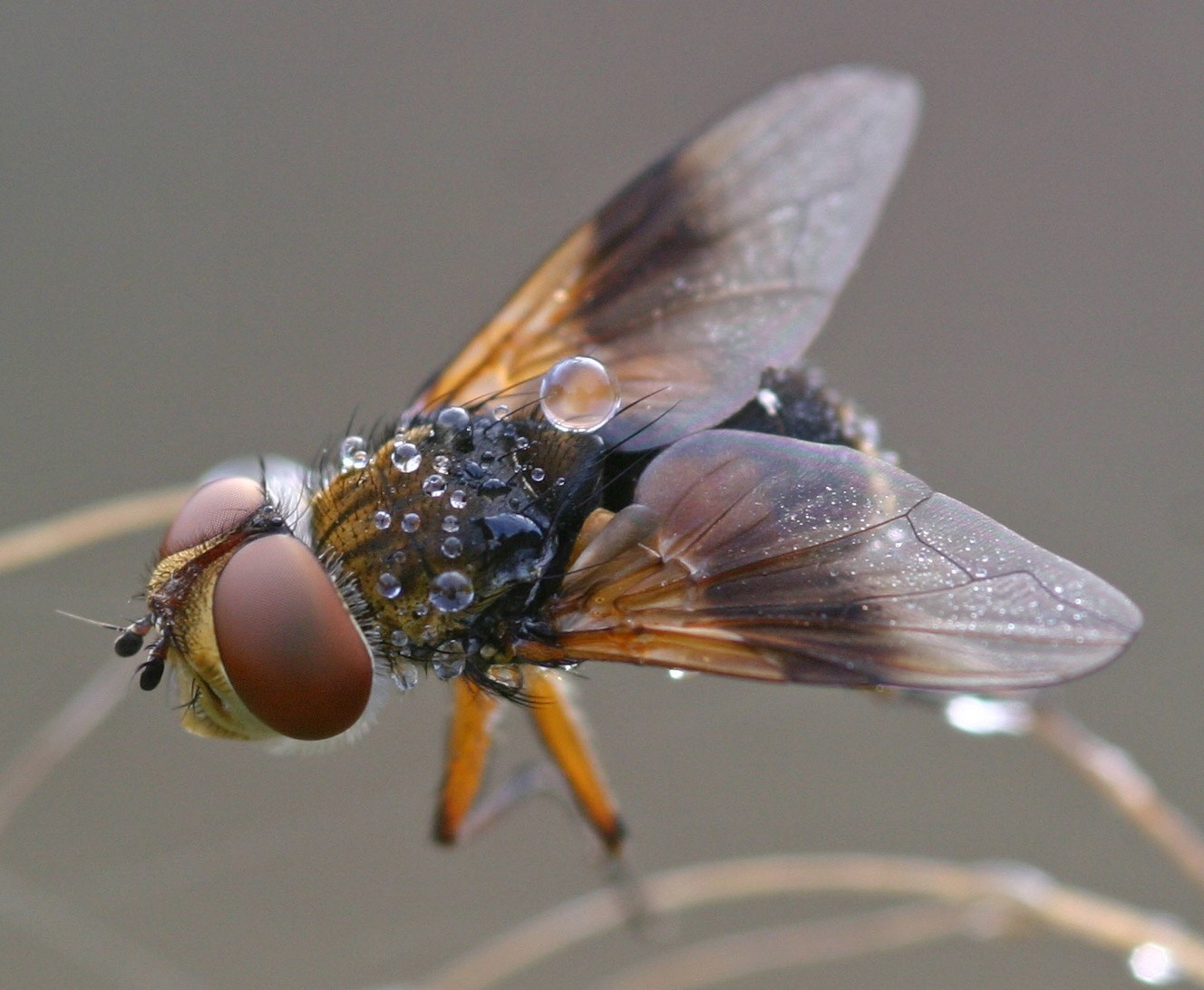
Tachinid Fly
Gardens, meadows, and woodlands wherever host caterpillars and other insects occur
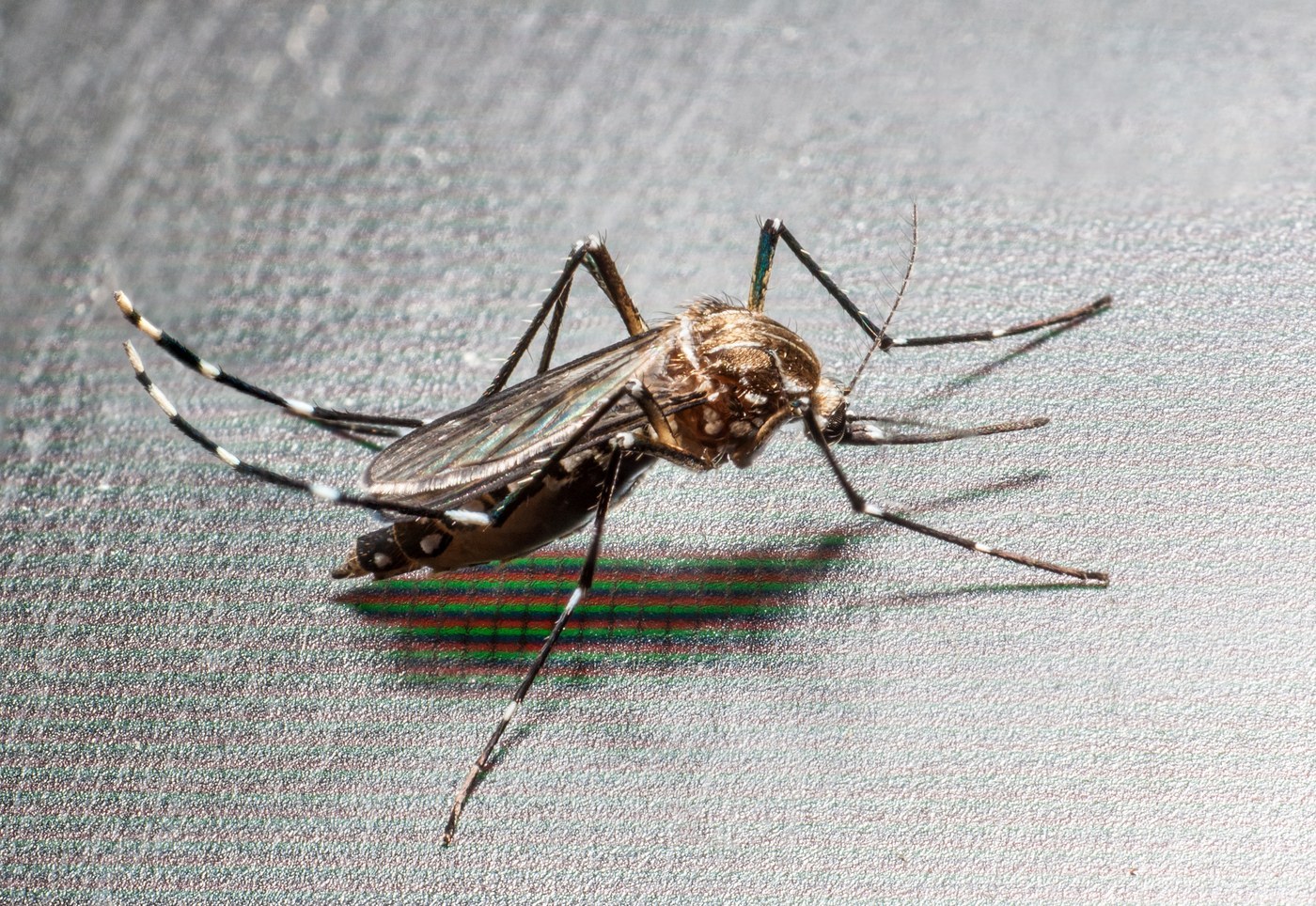
Asian Tiger Mosquito
Shaded urban and suburban areas near small water-holding containers, tires, and tree holes; native to Southeast Asia, now widespread
Tsetse Fly
Wooded savanna, riverine thickets, and forest edges across sub-Saharan Africa
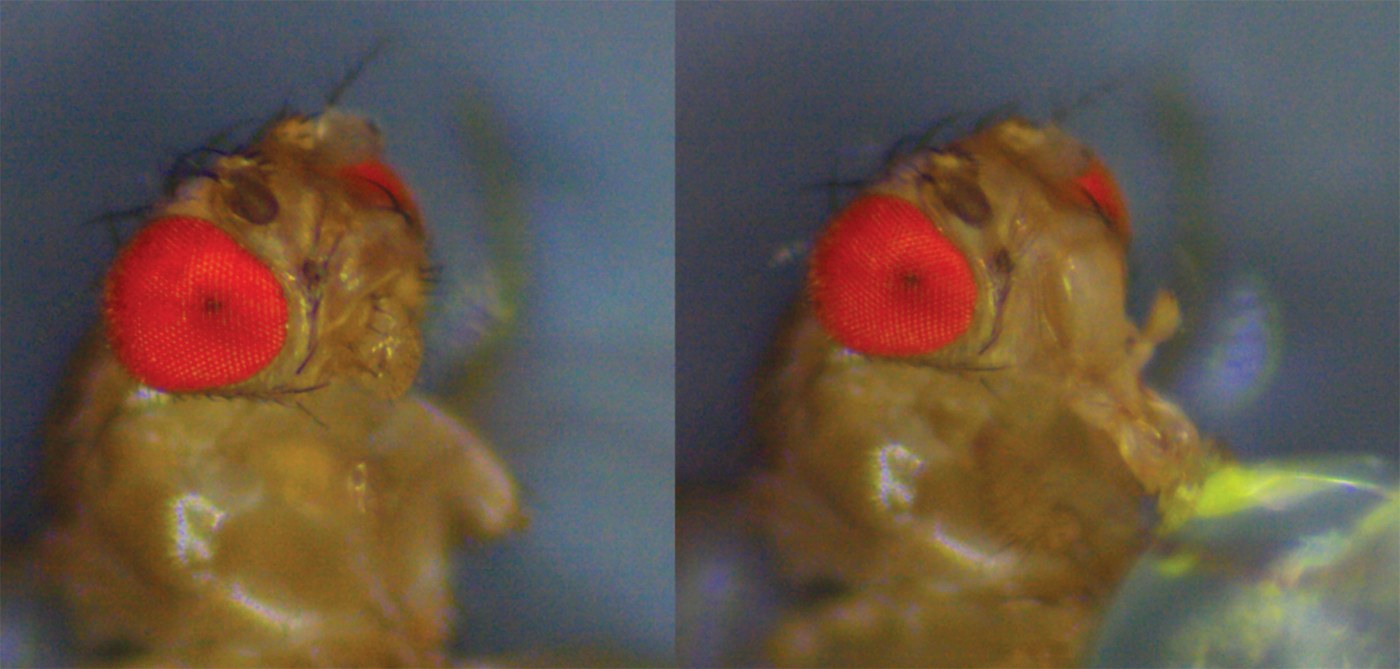
Vinegar Fly
Around overripe fruit, compost, and fermenting materials worldwide
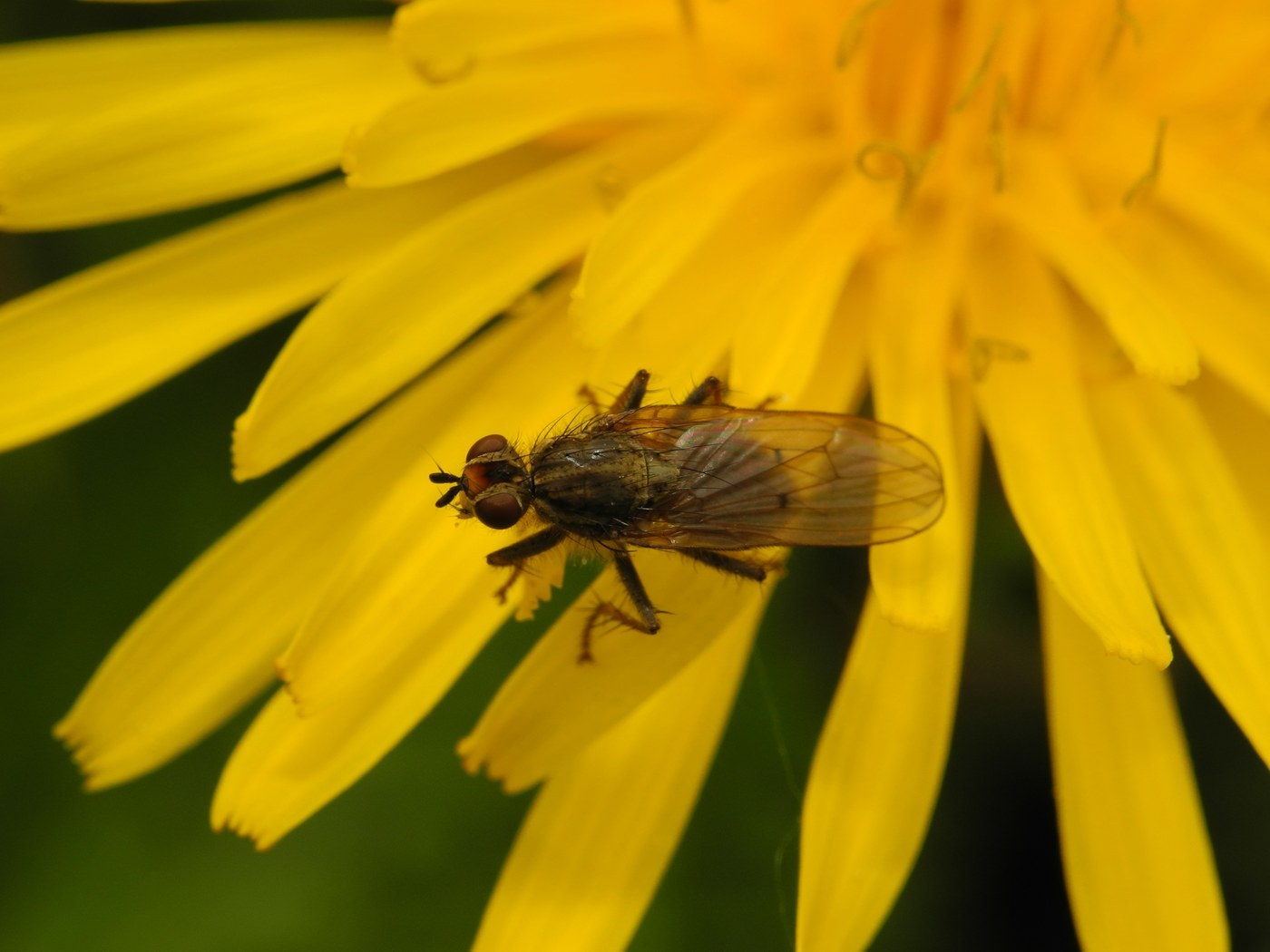
Yellow Dung Fly
Pastures and fields with fresh cattle dung
Screwworm Fly
Warm, humid lowlands of the Americas, especially near livestock and wildlife wounds
Soldier Fly
Wetland margins, decaying organic matter, and vegetation near water
Punkie
near marshes, mudflats, ponds, and other standing water
Warble Fly
Pastures and rangeland wherever cattle and other large grazing mammals occur