
Punkie
Culicoides spp.
An almost invisibly small biting fly that swarms near wetlands at dusk, where only the females take blood meals from animal hosts.
- Size
- 1–3 mm
- Habitat
- near marshes, mudflats, ponds, and other standing water
- Danger
- Bites
Spotted a bug like this?
Identify any bug or insect from a photo, free.
Overview
Punkies, more widely known as no-see-ums or biting midges, belong to the genus Culicoides within the family Ceratopogonidae. Despite their minute size, often barely visible to the naked eye, they are well known in coastal and wetland areas for their persistent swarms around dawn and dusk.
Only female punkies bite, seeking a blood meal from vertebrate hosts to develop their eggs, while males feed exclusively on nectar and plant fluids. Their tiny size allows them to pass through standard window screens, which along with their persistent swarming has earned them an outsized reputation relative to their body length.
Punkies play an ecological role as prey for spiders, dragonflies, and other insectivores, and their larvae are an important part of the detritus food web in the muddy, saturated soils where they develop.
How to Identify
- Extremely small, 1–3 mm, often described as gnat-like specks
- Grayish to tan body with patterned, spotted wings visible under magnification
- Wings held over the body in a scissor-like or roof-like position at rest
- Hard to see individually but noticeable in swarms, especially near still water at dusk
- Lookalikes: mosquitoes are larger with longer legs and a prominent proboscis; fruit flies lack biting mouthparts
Habitat & Range
Punkies breed in wet, muddy substrates such as salt marshes, mangrove edges, mudflats, streambanks, and the moist margins of ponds and swamps. They are found worldwide in temperate and tropical coastal and wetland regions, with activity peaking in warm months, especially near sunrise and sunset when wind is calm.
Behavior & Diet
Female punkies seek out blood meals from mammals and birds, using scent and carbon dioxide cues to locate hosts, and are most active during still, humid conditions at twilight when wind does not disrupt their weak flight. Males feed on nectar and plant sap and do not bite. Larvae are aquatic to semi-aquatic, living in saturated mud or decaying organic matter where they feed on algae, fungi, and organic detritus, contributing to nutrient cycling in wetland ecosystems.
Life Cycle
Females lay clusters of eggs on the surface of mud or saturated organic material near water. Larvae hatch and burrow through the wet substrate, feeding on decaying matter and microorganisms through four larval instars before pupating near the surface. The pupal stage is brief, lasting only a few days, after which adults emerge; in warm climates several generations can occur each year, with some species overwintering as larvae in the mud.
Frequently asked questions
Why are punkies called no-see-ums?
Their body is only a millimeter or two long, making individual insects nearly impossible to spot even when a swarm is present.
Can punkies get through window screens?
Yes, standard mesh screens are often too coarse to stop them, which is why fine 'no-see-um' netting is sometimes used in affected areas.
Where do punkies breed?
They lay eggs in saturated mud and organic debris near marshes, mudflats, and other wetland edges where their larvae develop.
Do all punkies bite?
Only females bite to obtain protein for egg development; males feed solely on nectar and plant fluids.
Punkie guides
In-depth guides for identifying, understanding, and living alongside Punkie.
Other bugs you may enjoy
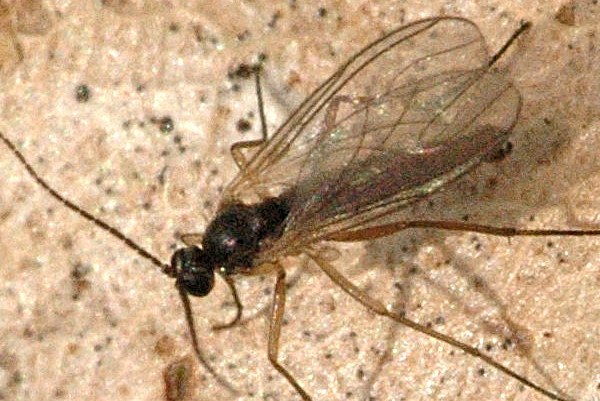
Aphid Midge
Gardens, greenhouses, and crops with aphids
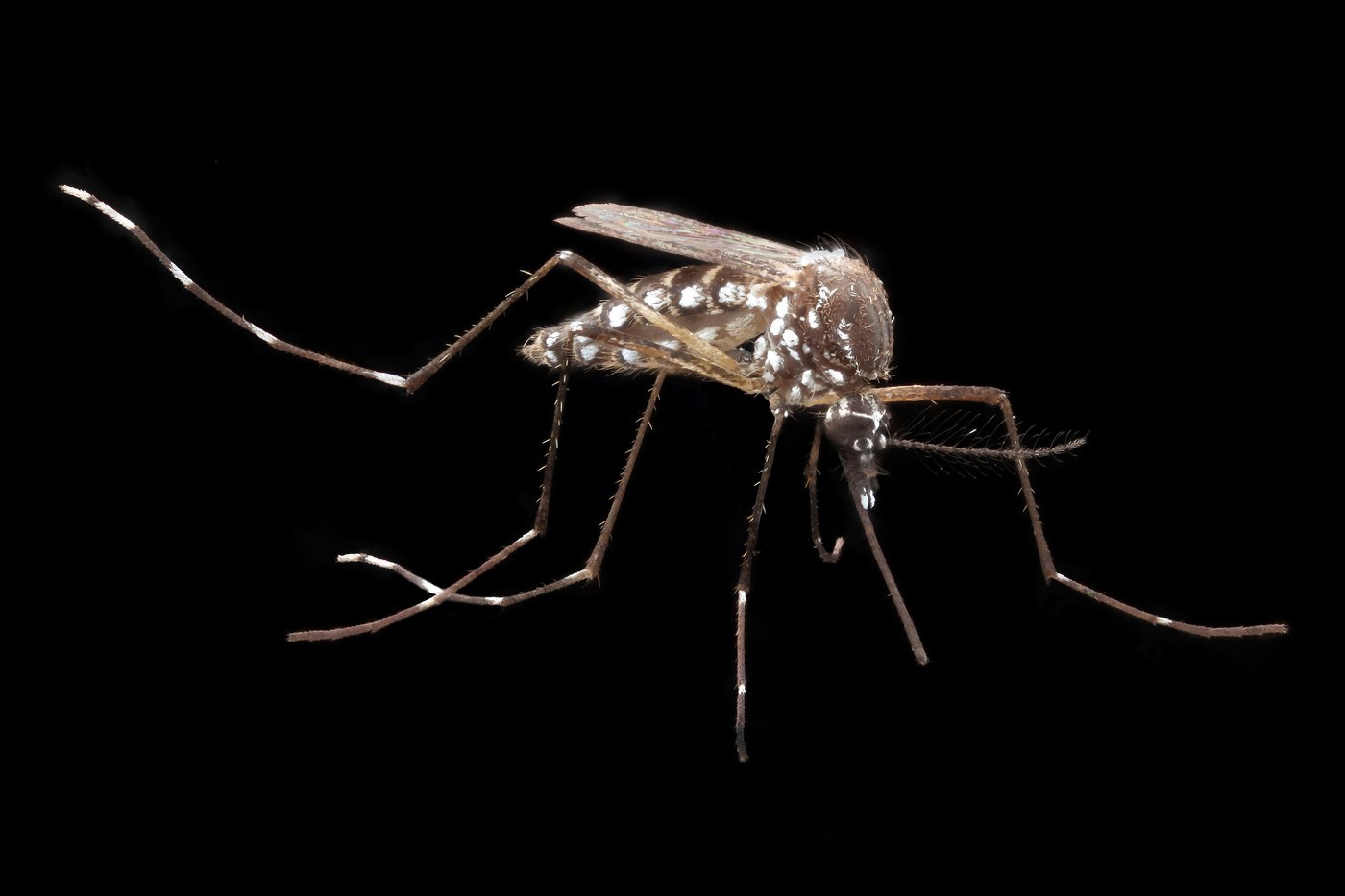
Yellow Fever Mosquito
Urban and peri-urban areas near small artificial water containers in tropical and subtropical regions worldwide
Root Maggot
Garden and field soil around the roots of cole crops and other vegetables
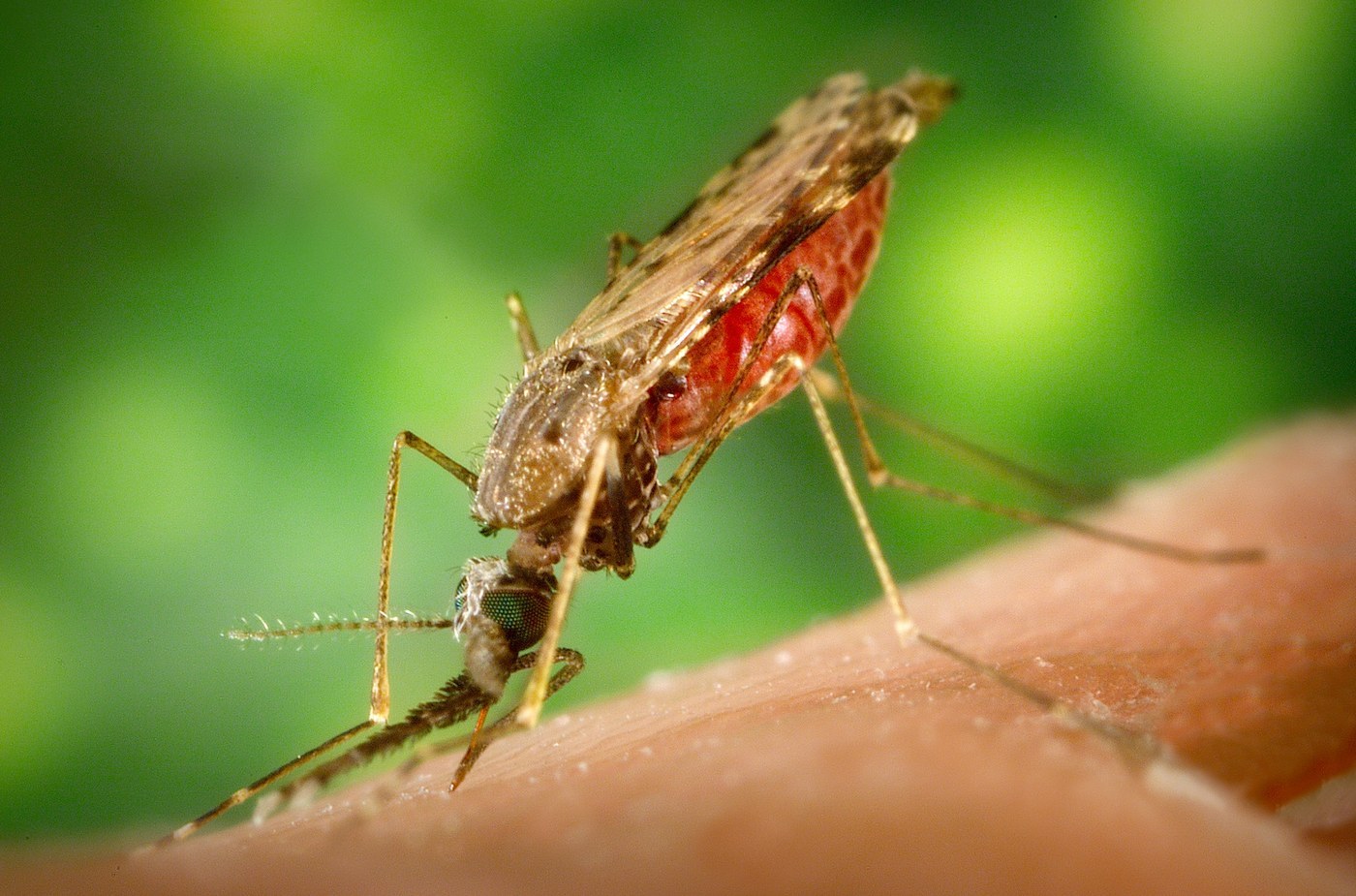
Anopheles Mosquito
Clean, still or slow-moving freshwater habitats such as marshes, ponds, and rice paddies
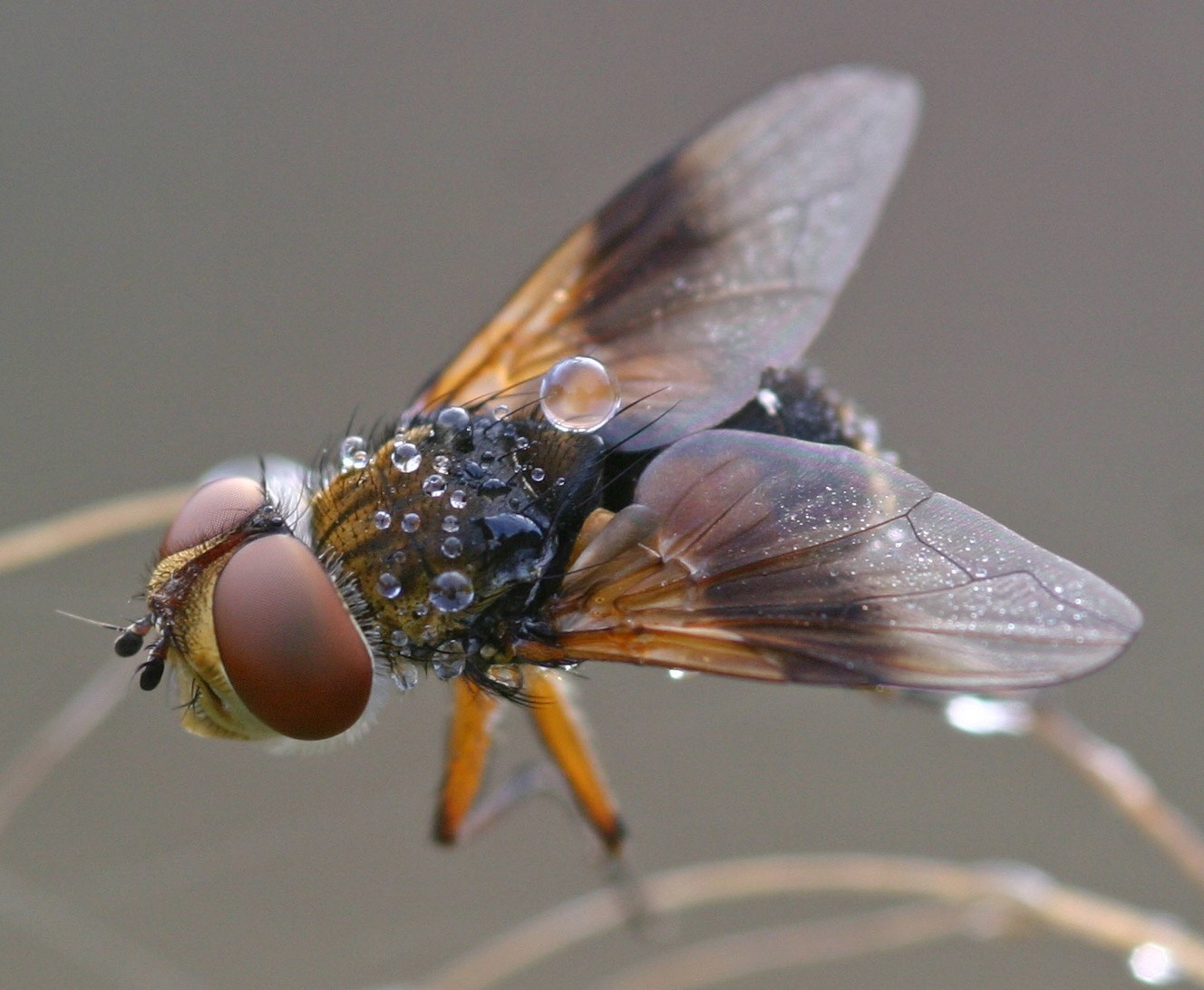
Tachinid Fly
Gardens, meadows, and woodlands wherever host caterpillars and other insects occur
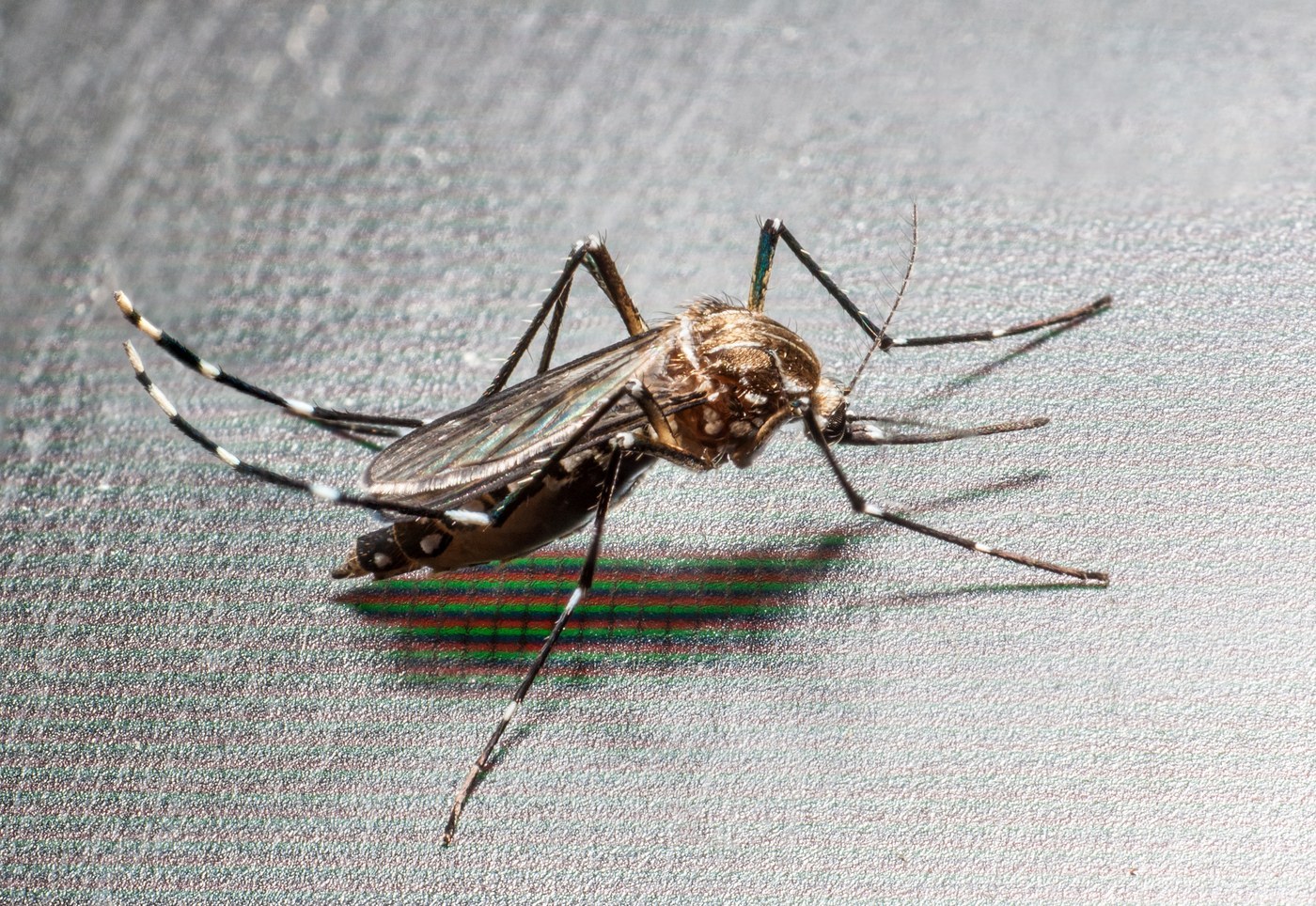
Asian Tiger Mosquito
Shaded urban and suburban areas near small water-holding containers, tires, and tree holes; native to Southeast Asia, now widespread
Tsetse Fly
Wooded savanna, riverine thickets, and forest edges across sub-Saharan Africa
Vinegar Fly
Around overripe fruit, compost, and fermenting materials worldwide
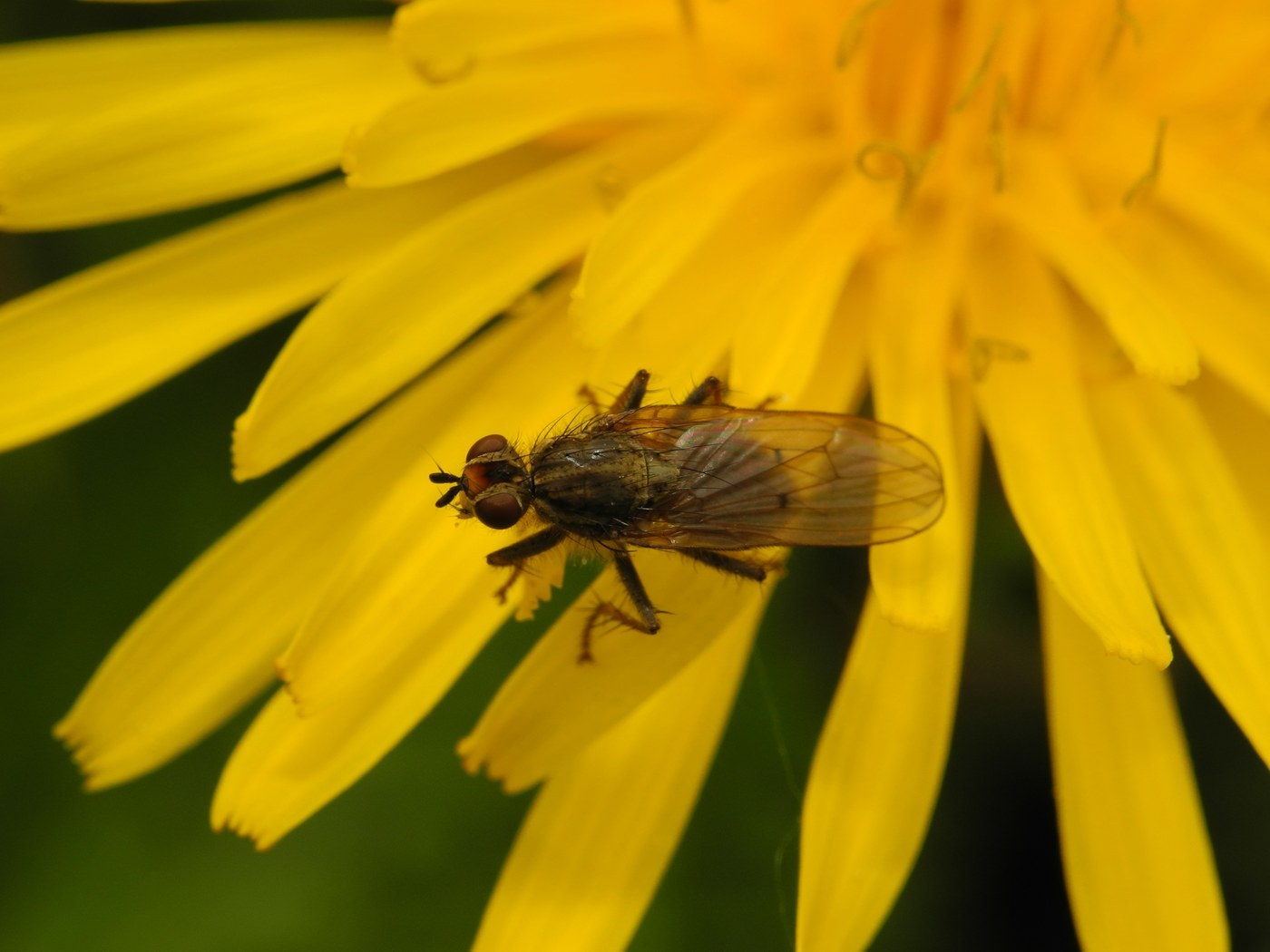
Yellow Dung Fly
Pastures and fields with fresh cattle dung
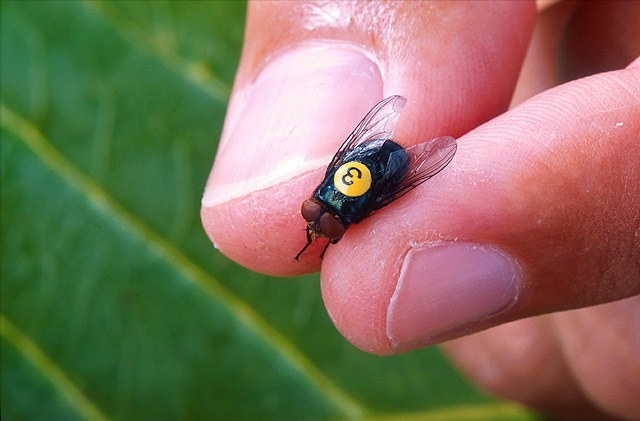
Screwworm Fly
Warm, humid lowlands of the Americas, especially near livestock and wildlife wounds
Soldier Fly
Wetland margins, decaying organic matter, and vegetation near water
Warble Fly
Pastures and rangeland wherever cattle and other large grazing mammals occur