
Tsetse Fly
Glossina spp.
A stout grayish-brown fly of African woodlands whose rigid, forward-jutting proboscis and scissor-folded wings set it apart from any ordinary house fly.
- Size
- 6-16 mm long
- Habitat
- Wooded savanna, riverine thickets, and forest edges across sub-Saharan Africa
- Danger
- Bites
Spotted a bug like this?
Identify any bug or insect from a photo, free.
Overview
The tsetse fly belongs to the genus Glossina, a group of roughly two dozen species found only in sub-Saharan Africa. Unlike most blood-feeding flies, both male and female tsetse flies feed exclusively on the blood of vertebrates throughout their adult lives, making them true obligate blood-feeders rather than occasional nectar sippers.
Tsetse flies are strongly tied to specific vegetation types, particularly riverine woodland, forest thickets, and dense savanna brush, which provide shade and the humidity they need to survive. Their restricted, patchy distribution across the African "tsetse belt" has shaped land use and grazing patterns across large parts of the continent for centuries.
What truly sets Glossina apart from other flies is its reproductive strategy: rather than laying eggs, females nurture a single larva internally and give birth to it fully grown, an unusual approach among insects that trades high egg numbers for a small number of well-developed offspring.
How to Identify
- Robust, grayish-brown body 6-16 mm long depending on species
- Long, slender proboscis that projects rigidly forward from the head, visible without magnification
- At rest, wings fold completely over the back in a scissor-like overlap rather than spreading in a V
- Wing venation includes a distinctive "hatchet cell," a feature used by entomologists to confirm identification
- Branched, feathery arista on the antennae
- Lookalikes: house flies and stable flies lack the forward-projecting rigid proboscis and the characteristic scissor-fold wing posture of tsetse flies
Habitat & Range
Tsetse flies occur only in sub-Saharan Africa, concentrated in a band of wooded savanna, riverine thicket, and forest-edge habitat sometimes referred to as the tsetse belt. They favor shaded, humid microhabitats such as thick brush along rivers and lakeshores, and are generally absent from open grassland, high altitudes, and arid desert.
Behavior & Diet
Tsetse flies are day-active and are drawn to moving objects, contrasting colors, and dark blue or black shades, resting in shade during the hottest part of the day. Both sexes require regular blood meals from mammals and reptiles to survive and reproduce, and they typically approach hosts from behind, landing quietly before biting. Outside of feeding, adults spend much of their time resting on tree trunks and low vegetation in shaded thickets.
Life Cycle
Female tsetse flies practice adenotrophic viviparity: a single fertilized egg hatches and develops internally, with the larva nourished by secretions from a specialized gland, much like a form of internal nursing. When fully grown, the female deposits the mature larva directly onto shaded, loose soil, where it immediately burrows and pupates without a free-living larval feeding stage. The adult emerges from the puparium roughly three to four weeks later. Because each female produces only a handful of offspring across her lifetime, generation time is comparatively slow, though breeding continues year-round in suitable warm habitat.
Frequently asked questions
How can you tell a tsetse fly from a house fly?
Tsetse flies have a rigid, forward-pointing proboscis visible at rest and fold their wings completely over their back in a scissor-like pattern, while house flies hold their wings apart in a V and lack a piercing mouthpart.
Where do tsetse flies live?
They are found only in sub-Saharan Africa, mainly in shaded riverine woodland, thickets, and savanna brush that provide humidity and cover.
Do tsetse flies lay eggs like most flies?
No. Females retain a single developing larva internally and give birth to it fully grown, rather than laying a batch of eggs.
What do tsetse flies feed on?
Both male and female tsetse flies feed on the blood of mammals and reptiles throughout their adult lives.
Tsetse Fly guides
In-depth guides for identifying, understanding, and living alongside Tsetse Fly.
Other bugs you may enjoy
Aphid Midge
Gardens, greenhouses, and crops with aphids
Yellow Fever Mosquito
Urban and peri-urban areas near small artificial water containers in tropical and subtropical regions worldwide
Root Maggot
Garden and field soil around the roots of cole crops and other vegetables
Anopheles Mosquito
Clean, still or slow-moving freshwater habitats such as marshes, ponds, and rice paddies
Tachinid Fly
Gardens, meadows, and woodlands wherever host caterpillars and other insects occur
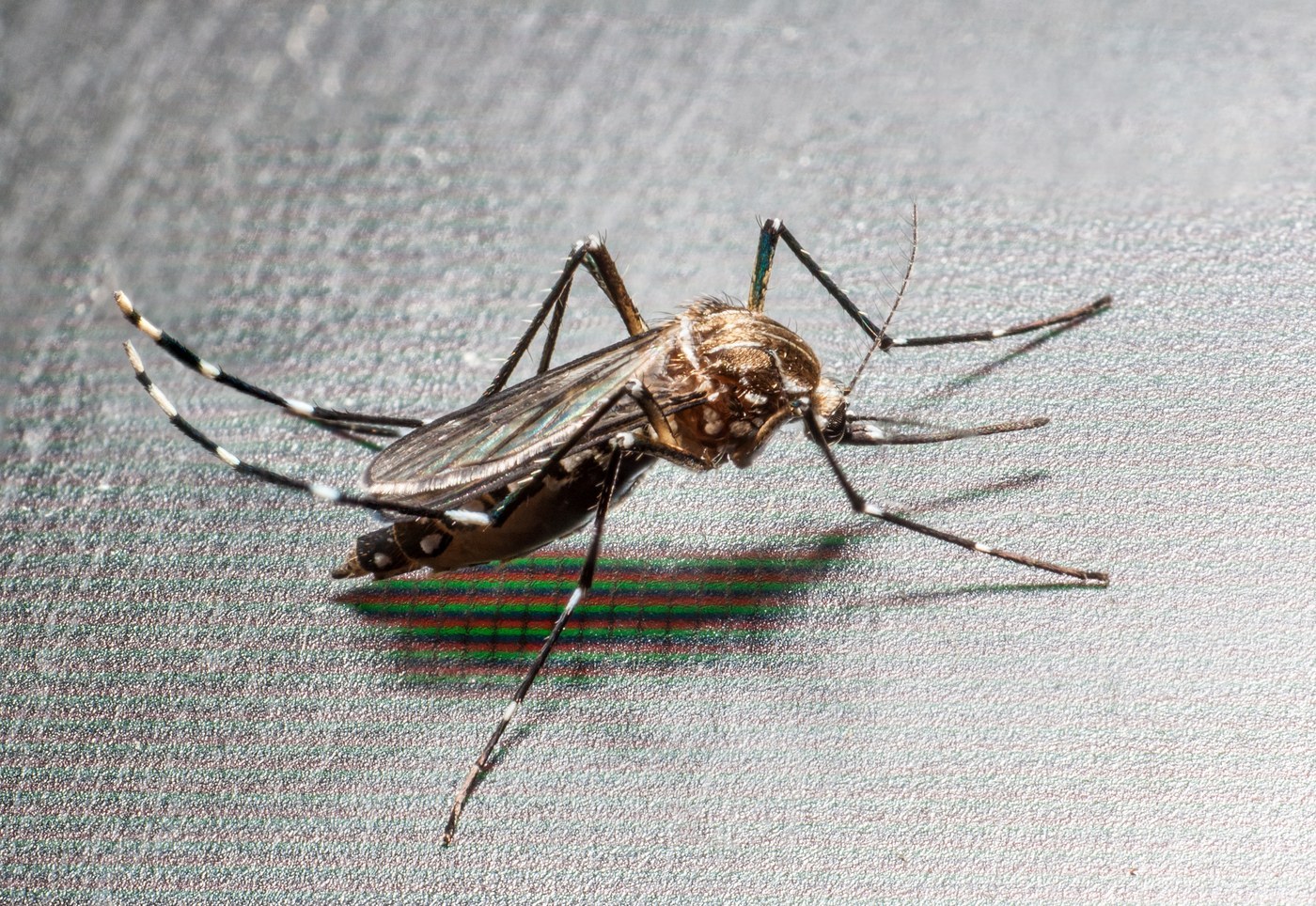
Asian Tiger Mosquito
Shaded urban and suburban areas near small water-holding containers, tires, and tree holes; native to Southeast Asia, now widespread
Vinegar Fly
Around overripe fruit, compost, and fermenting materials worldwide
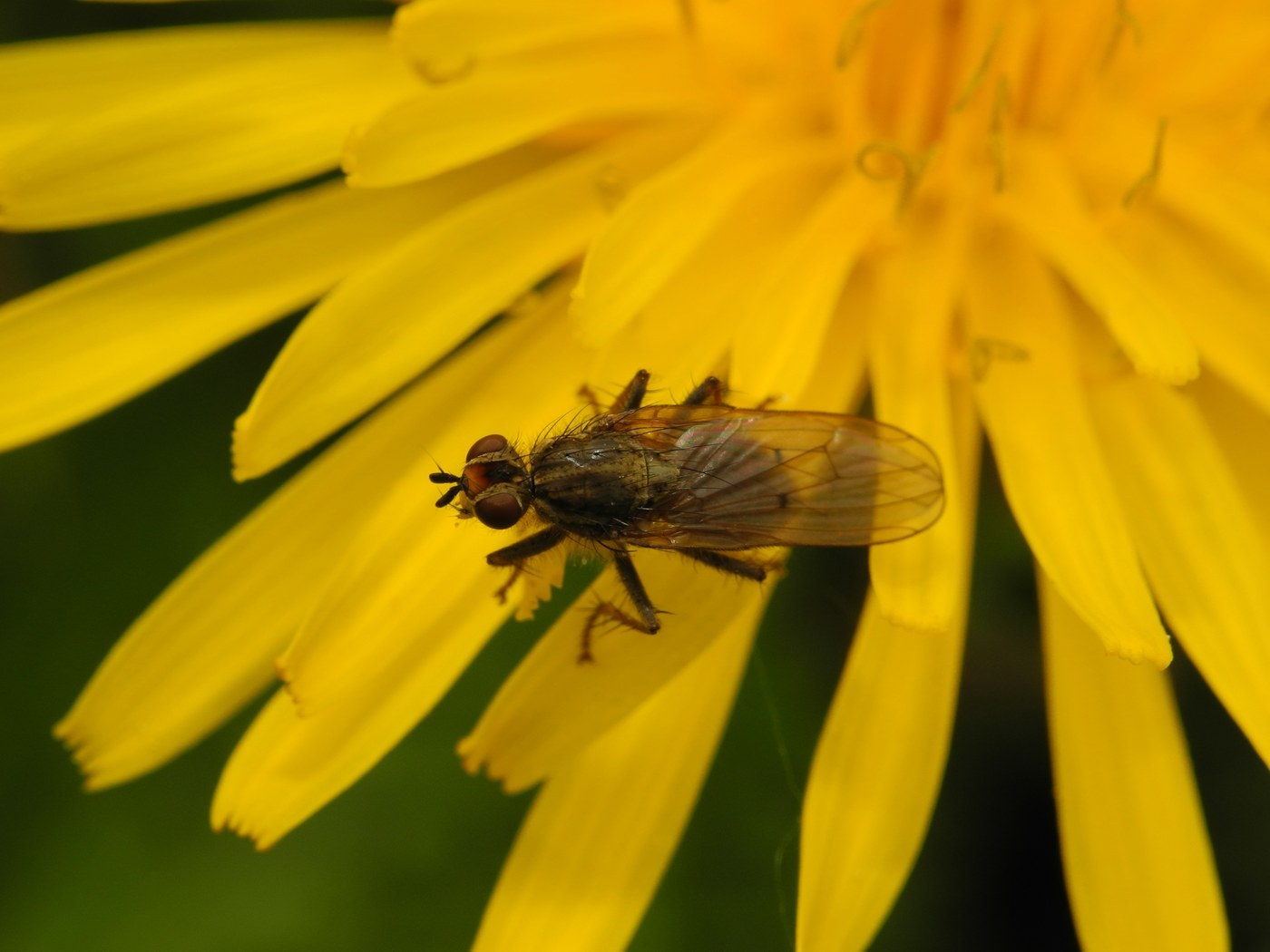
Yellow Dung Fly
Pastures and fields with fresh cattle dung
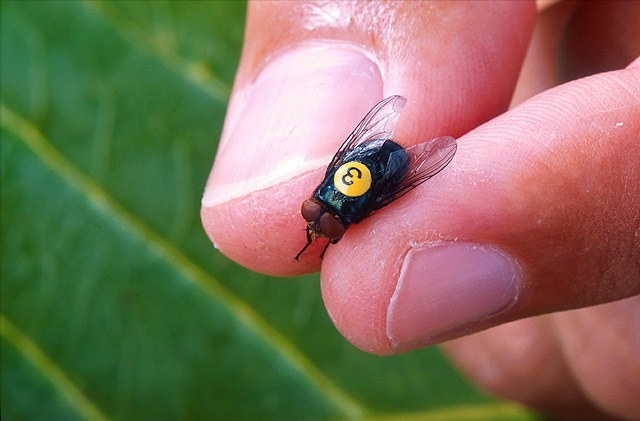
Screwworm Fly
Warm, humid lowlands of the Americas, especially near livestock and wildlife wounds
Soldier Fly
Wetland margins, decaying organic matter, and vegetation near water
Punkie
near marshes, mudflats, ponds, and other standing water
Warble Fly
Pastures and rangeland wherever cattle and other large grazing mammals occur