
Soldier Fly
Stratiomys spp.
A wasp-mimicking fly with a flattened, often metallic body that spends its larval life quietly breaking down decaying plant matter or aquatic debris.
- Size
- 8-20 mm (about 0.3-0.8 in) long, depending on species
- Habitat
- Wetland margins, decaying organic matter, and vegetation near water
- Danger
- Harmless
Spotted a bug like this?
Identify any bug or insect from a photo, free.
Overview
Soldier flies make up the family Stratiomyidae, a diverse group found on every continent except Antarctica, ranging from small, drab species to large, brightly patterned ones that closely mimic wasps or bees. Their common name likely references the sometimes bold, uniform-like coloring and hardened, armor-like appearance of many species' bodies.
Adults are generally harmless, non-biting flies that visit flowers for nectar, while their larvae occupy an enormous variety of habitats, including decaying wood, compost, aquatic sediment, and moist soil, where they act as important decomposers of organic material. Larvae typically have a tough, leathery cuticle and a flattened, elongated shape that helps them survive in dense or waterlogged decaying matter.
Because of their broad tolerance for decomposing organic material and their role in breaking it down, soldier flies are considered ecologically beneficial insects in both wetland and terrestrial decomposer communities.
How to Identify
- Flattened, often somewhat wedge-shaped abdomen compared to typical house flies
- Many species are metallic green, blue, or bronze; others show yellow, white, or black patterning that mimics wasps
- Antennae are relatively short with a distinctive terminal segment
- Wings are held flat and overlapping over the back at rest, unlike the tented wings of many flies
- Larvae are elongated, flattened, and tough-skinned, often gray or brown, found in decaying organic matter or water
Habitat & Range
Soldier flies are found worldwide, with the greatest diversity in warm and temperate regions. Adults are often seen visiting flowers near wetlands, ponds, streams, and moist woodland edges, while larvae occupy a wide range of habitats including aquatic sediment, decaying wood, leaf litter, compost, and moist soil.
Adult activity peaks during the warmer months, with different species favoring spring, summer, or fall depending on their geographic range.
Behavior & Diet
Adult soldier flies feed on nectar and pollen and are important flower visitors in many ecosystems, despite their sometimes intimidating wasp-like appearance. They are generally slow, deliberate fliers and are not aggressive.
Larvae are decomposers or filter feeders depending on species, consuming decaying plant material, algae, fungi, or organic detritus in their given habitat. This decomposing activity helps recycle nutrients back into soil and aquatic systems, and larvae in turn serve as food for fish, birds, and other predators.
Life Cycle
Females lay eggs in or near the larval habitat, such as on vegetation overhanging water, in moist soil, or on decaying organic material. Larvae hatch and feed for an extended period, often several weeks to months, molting through multiple instars while developing their characteristic tough, flattened form.
Mature larvae pupate either within the larval skin or in a separate pupal case, typically in the same habitat where they developed. Depending on species and climate, soldier flies may produce one or several generations per year, with many overwintering as larvae in protected, moist habitat until conditions favor pupation and adult emergence.
Frequently asked questions
Are soldier flies dangerous?
No, adult soldier flies are harmless and do not bite; many mimic wasps in appearance but lack a stinger.
What do soldier fly larvae eat?
Depending on species, larvae feed on decaying plant matter, algae, fungi, or other organic detritus in moist soil, compost, or aquatic sediment.
How can I tell a soldier fly from a wasp?
Soldier flies have only one pair of wings and short, stubby antennae, while wasps have two pairs of wings and longer, elbowed or thread-like antennae.
Where do soldier flies typically live?
They are found worldwide near wetlands, ponds, and moist habitats, with larvae occupying decaying organic matter or aquatic sediment.
Soldier Fly guides
In-depth guides for identifying, understanding, and living alongside Soldier Fly.
Soldier Fly identified by the community
Real finds identified with Bug Identifier.
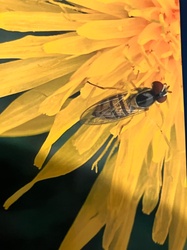
Other bugs you may enjoy
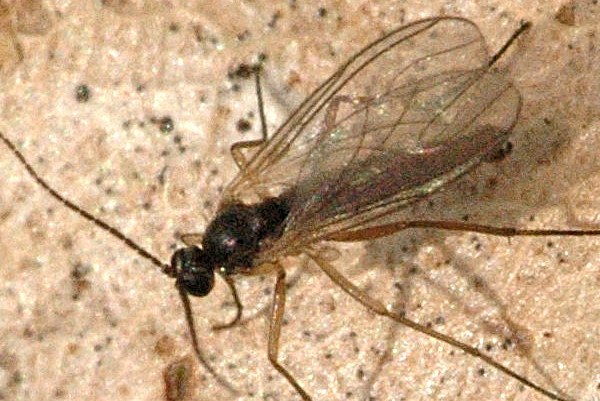
Aphid Midge
Gardens, greenhouses, and crops with aphids
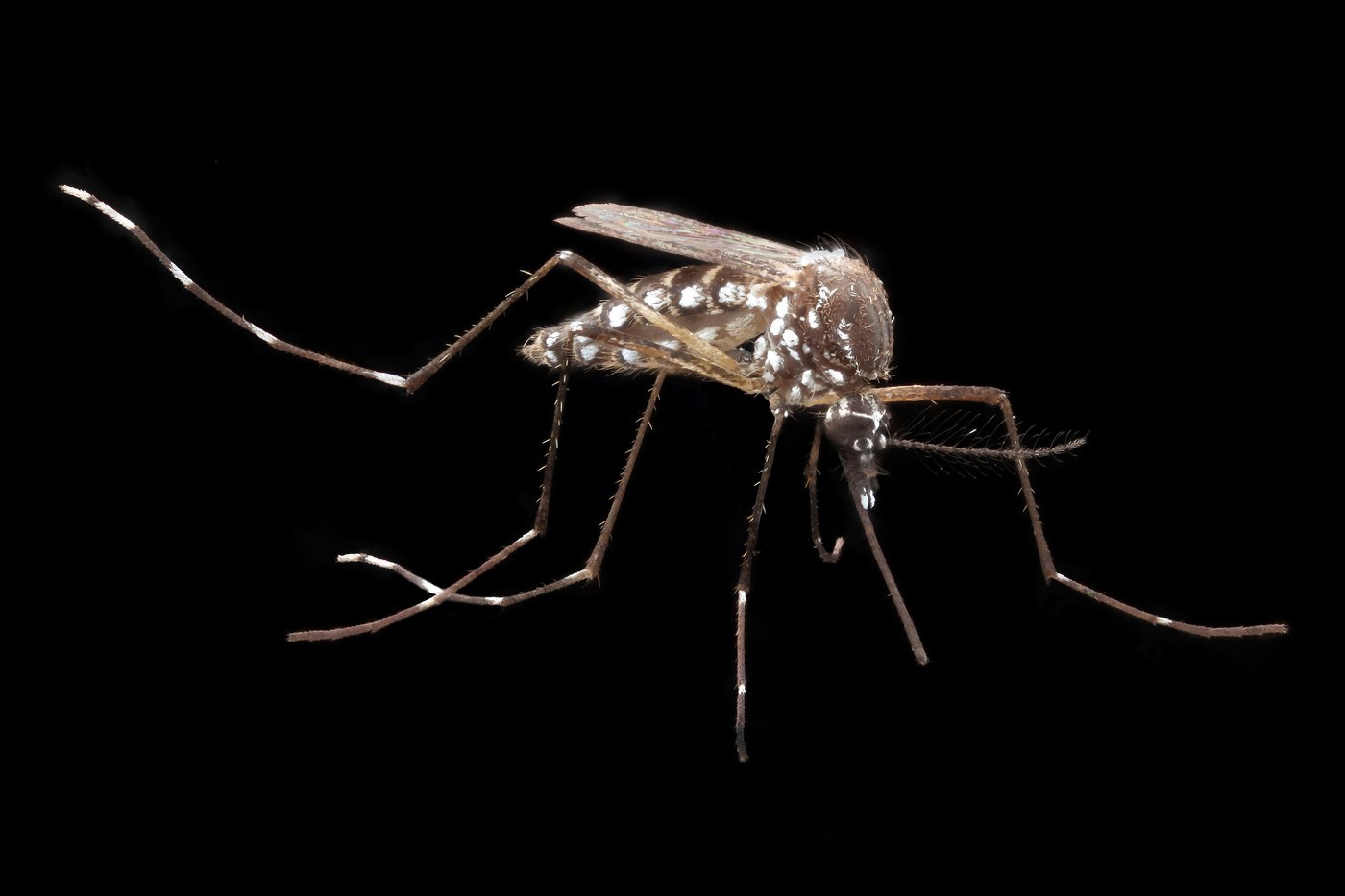
Yellow Fever Mosquito
Urban and peri-urban areas near small artificial water containers in tropical and subtropical regions worldwide
Root Maggot
Garden and field soil around the roots of cole crops and other vegetables
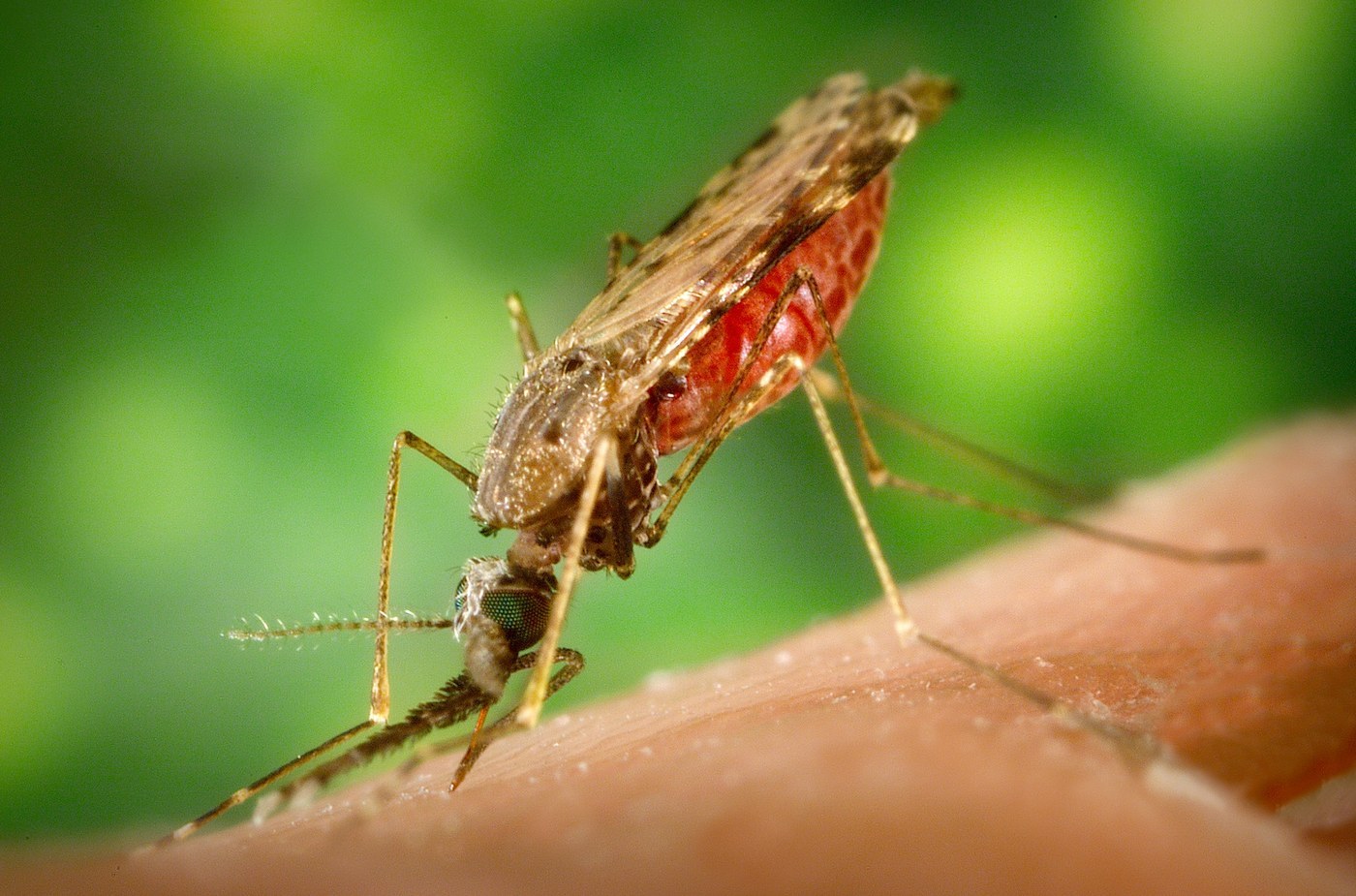
Anopheles Mosquito
Clean, still or slow-moving freshwater habitats such as marshes, ponds, and rice paddies
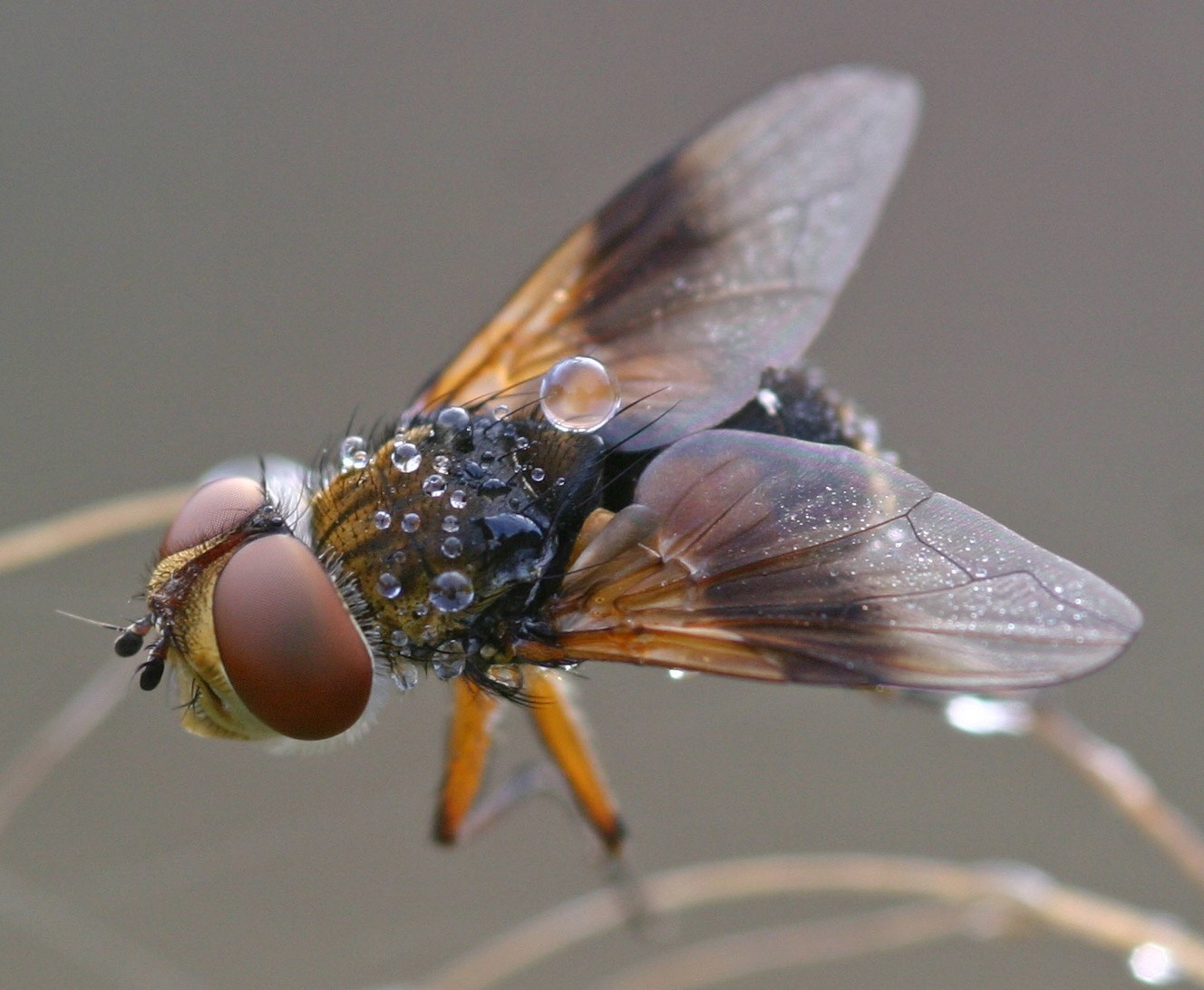
Tachinid Fly
Gardens, meadows, and woodlands wherever host caterpillars and other insects occur
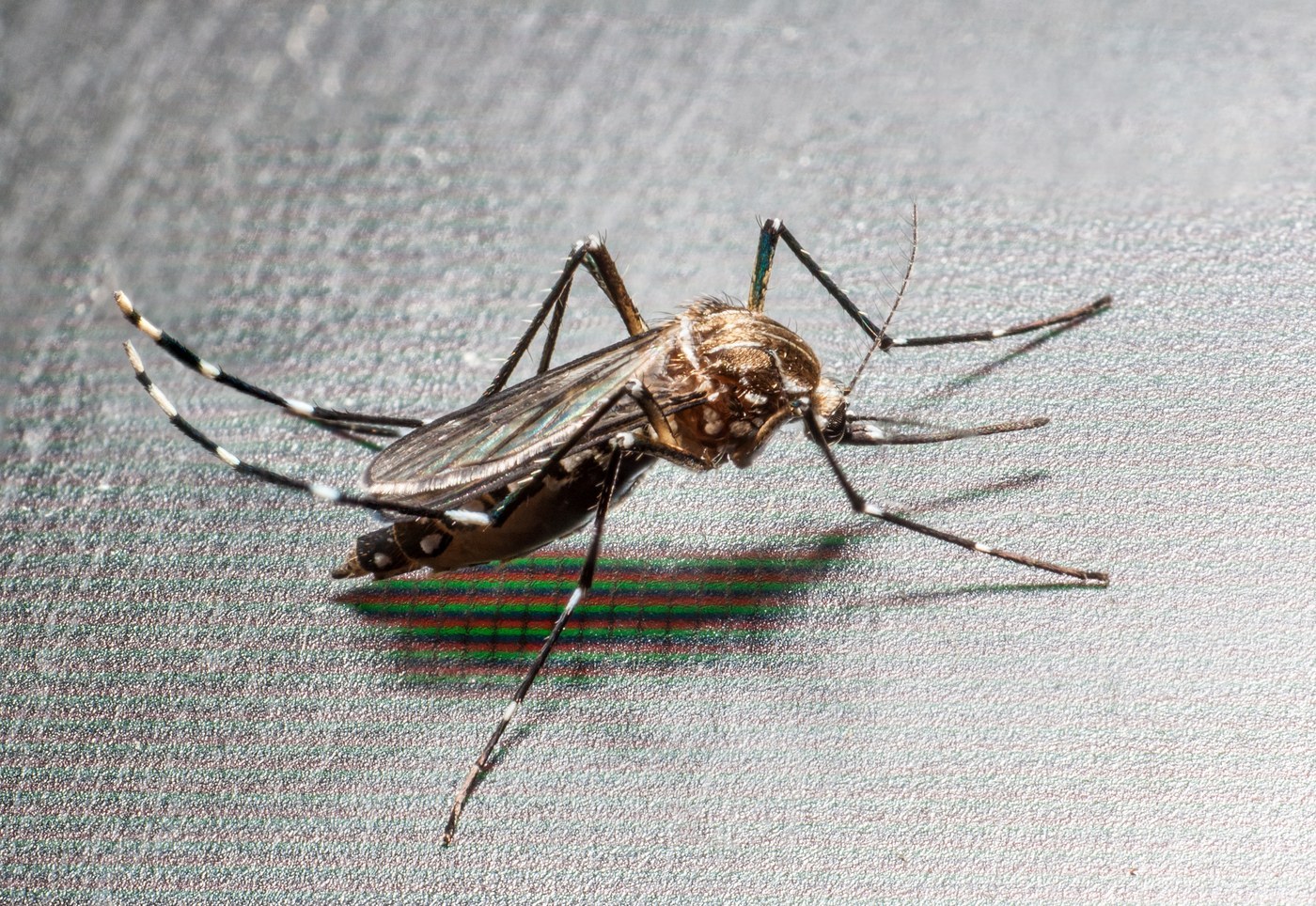
Asian Tiger Mosquito
Shaded urban and suburban areas near small water-holding containers, tires, and tree holes; native to Southeast Asia, now widespread
Tsetse Fly
Wooded savanna, riverine thickets, and forest edges across sub-Saharan Africa
Vinegar Fly
Around overripe fruit, compost, and fermenting materials worldwide
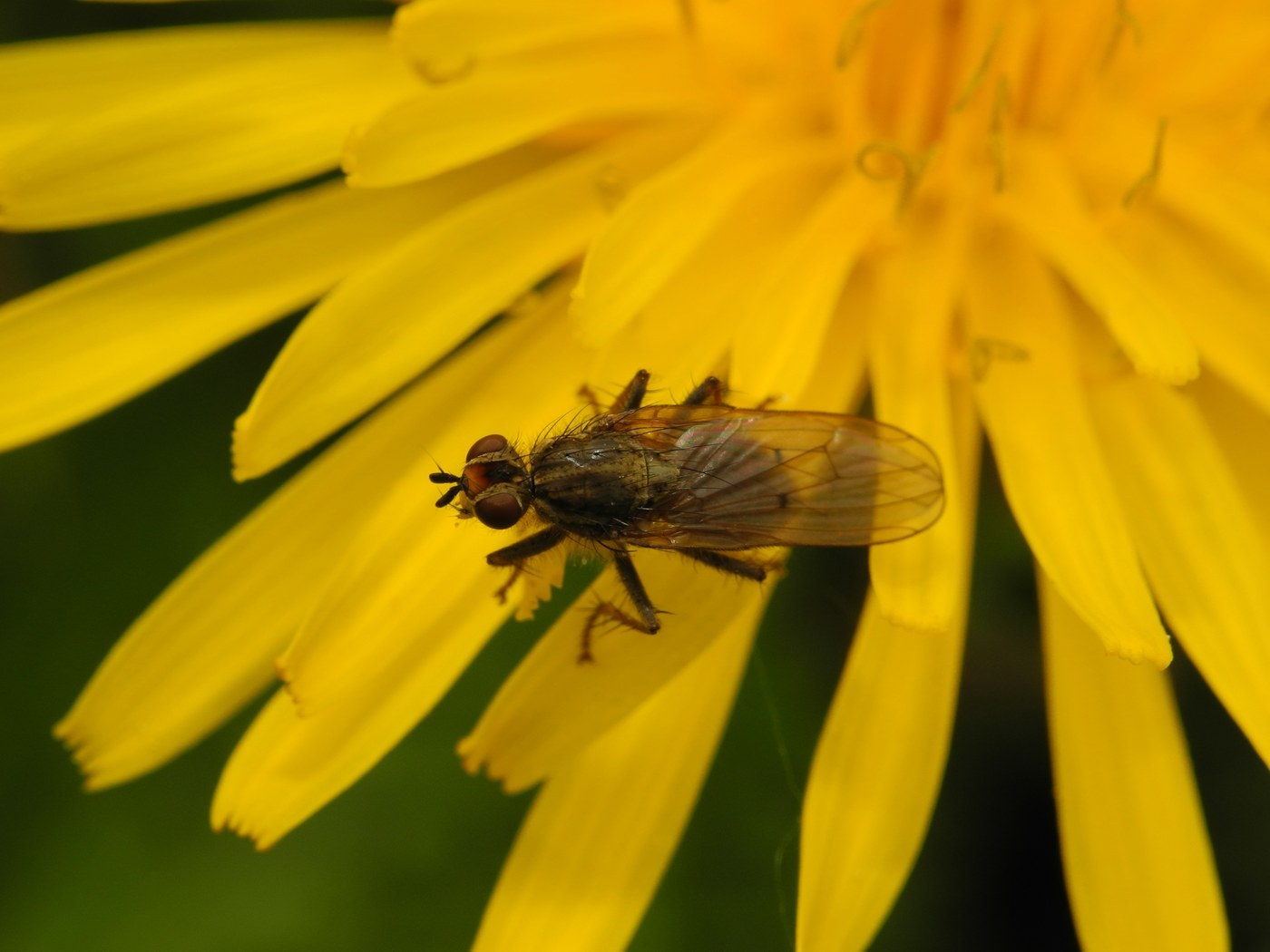
Yellow Dung Fly
Pastures and fields with fresh cattle dung
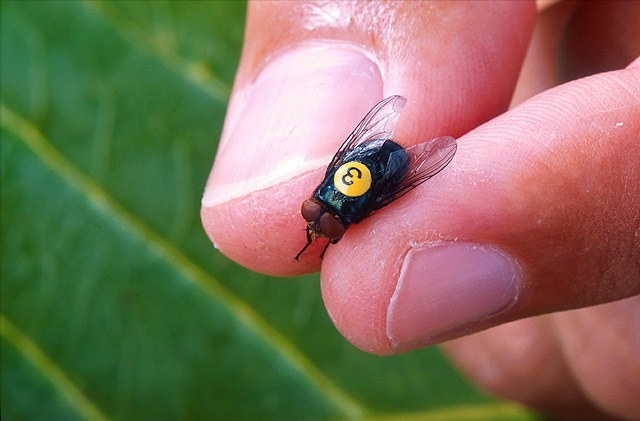
Screwworm Fly
Warm, humid lowlands of the Americas, especially near livestock and wildlife wounds
Punkie
near marshes, mudflats, ponds, and other standing water
Warble Fly
Pastures and rangeland wherever cattle and other large grazing mammals occur