
Army Ant
Eciton spp.
A nomadic predator that never builds a permanent nest, instead forming temporary living bivouacs from its own linked bodies and sweeping through the forest floor in massive predatory raids.
- Size
- Workers 3-12 mm; queens larger and wingless
- Habitat
- Tropical and subtropical forests of Central and South America
- Danger
- Bites
Spotted a bug like this?
Identify any bug or insect from a photo, free.
Overview
Army ants are a group of tropical ants best known for their unique nomadic lifestyle. The most familiar New World genus, Eciton, ranges from Mexico through Central and South America, while related but separately evolved lineages of army-ant-like species, such as the driver ants of the genus Dorylus, occupy similar ecological roles in tropical Africa and Asia.
Unlike most ants, army ant colonies do not build a fixed nest. Instead, they alternate between a stationary phase, during which the colony forms a temporary bivouac from the linked bodies of thousands of workers to shelter the queen and brood, and a nomadic phase, during which the entire colony relocates nightly while raiding for prey.
Army ant raids are a dramatic feature of tropical forest ecology, and their columns are often accompanied by "ant-following" birds and other animals that feed on insects flushed out by the advancing ants, illustrating the species' broader role as a keystone predator within its ecosystem.
How to Identify
- Workers are polymorphic, ranging from about 3 mm in minor workers up to 12 mm or more in soldiers
- Soldiers have distinctively large, sickle-shaped mandibles used for defense
- Reddish-brown to blackish body coloring
- Workers are essentially blind, relying on chemical trails rather than vision
- No permanent nest structure is ever visible; look instead for dense marching columns or a temporary bivouac of clustered ants
- Distinguished from other large ants by their massed, highly organized raiding columns rather than solitary foraging
Habitat & Range
True Eciton army ants are found in the lowland and montane tropical forests of Central and South America, from southern Mexico to Argentina. They are most active in humid rainforest leaf litter and understory, where their nomadic raids and temporary bivouacs can be encountered on the forest floor.
Behavior & Diet
Army ants are specialized predators that hunt cooperatively in massive raiding columns, capturing other insects, spiders, and occasionally small vertebrates disturbed by the advancing swarm. Raids can involve hundreds of thousands of workers moving in a coordinated front. The colony alternates between roughly two-week nomadic phases, during which it raids and relocates nightly, and stationary phases lasting about three weeks, timed to the queen's egg-laying cycle. During the stationary phase, workers link their own bodies together to form a temporary bivouac nest.
Life Cycle
Like all ants, army ants undergo complete metamorphosis through egg, larva, pupa, and adult stages, with brood development tightly synchronized to the colony's nomadic and stationary cycle. Colonies are headed by a single, wingless queen who is unable to survive outside the colony and never flies; new colonies form through fission, when part of the colony splits off with a newly produced queen rather than through traditional winged nuptial flights.
Frequently asked questions
Do army ants build permanent nests?
No, they never build a fixed nest; instead workers link their own bodies together to form a temporary bivouac during the colony's stationary phase.
How do army ants hunt?
They hunt cooperatively in massive raiding columns that sweep across the forest floor, capturing other insects and small invertebrates disturbed by the advance.
Can army ant queens fly?
No, army ant queens are wingless and never leave the colony on their own; new colonies form when part of an existing colony splits off, a process called fission.
Are army ants found outside the tropics?
True Eciton army ants are restricted to tropical and subtropical Central and South America, though related ant groups fill a similar ecological role in tropical Africa and Asia.
Army Ant guides
In-depth guides for identifying, understanding, and living alongside Army Ant.
Other bugs you may enjoy
Argentine Ant
Disturbed urban soil, gardens, and building perimeters
Ant
Gardens, lawns, woodlands, sidewalks, and buildings worldwide
Weaver Ant
Canopy of tropical forests, orchards, and mangroves
Sugar Ant
Gardens, woodlands, and urban areas; nests in soil, timber, or tree hollows
Trap-Jaw Ant
Tropical and subtropical forests, leaf litter, sandy coastal soils
Pharaoh Ant
Warm, humid indoor voids such as wall cavities and heating ducts
Pavement Ant
Cracks in sidewalks, driveways, and building foundations
Odorous House Ant
Soil, mulch, wall voids, and areas near moisture indoors and out
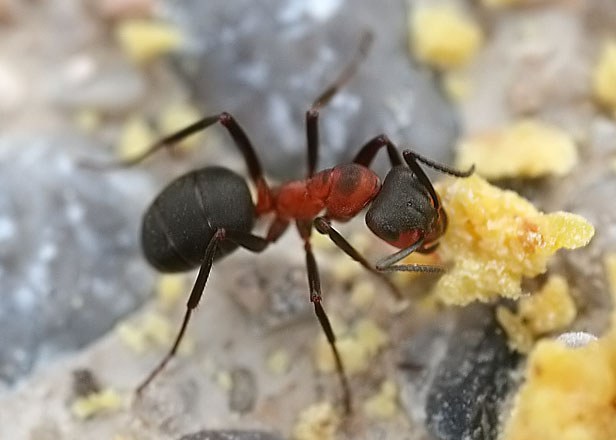
Red Wood Ant
Coniferous and mixed woodland, forest clearings and edges
Harvester Ant
Arid grasslands, deserts, and open sandy areas
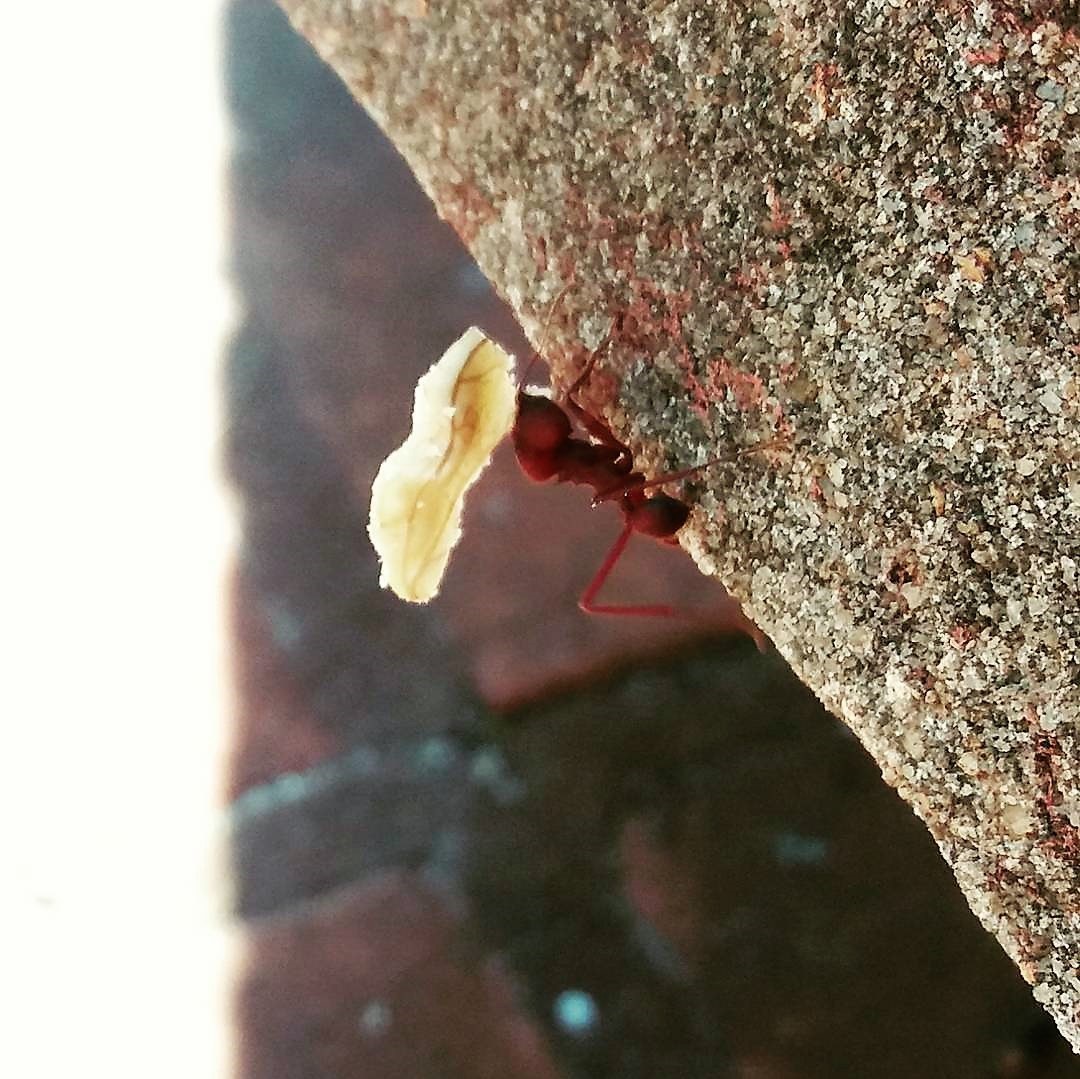
Leafcutter Ant
Tropical and subtropical forests, farmland edges
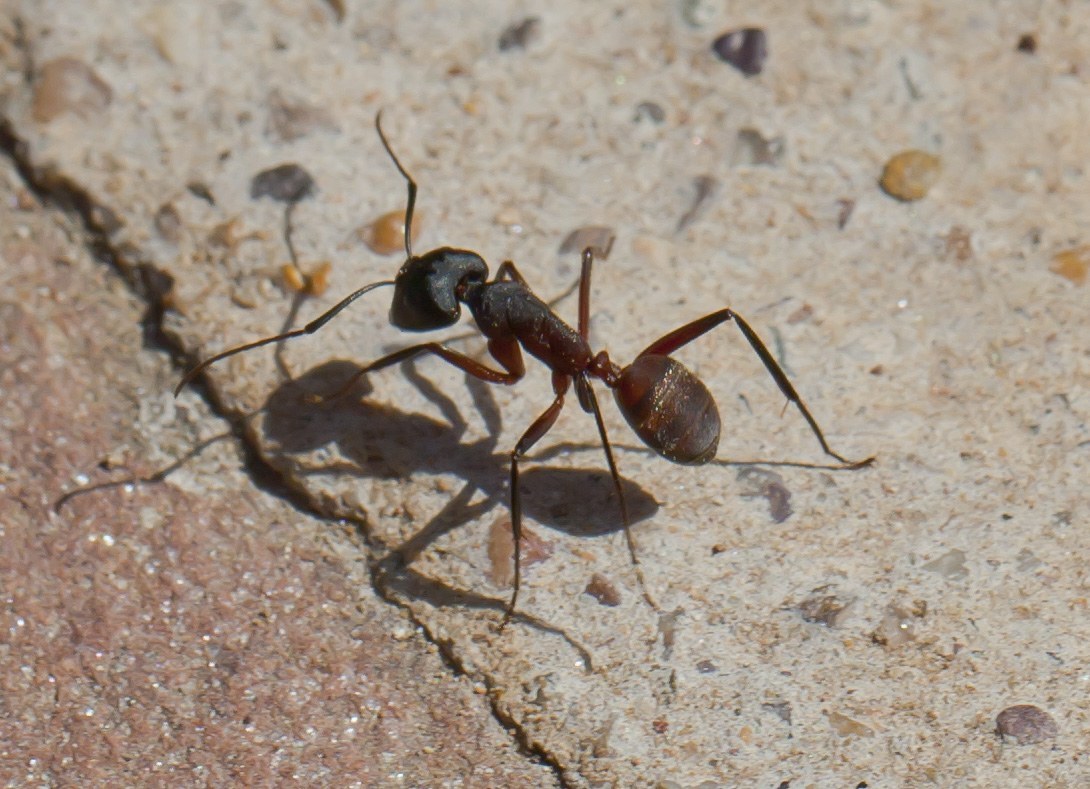
Little Black Ant
Lawns, gardens, rotting wood, and occasionally indoors