
Weaver Ant
Oecophylla spp.
A tree-dwelling ant that builds its nest by stitching living leaves together with silk produced by its own larvae, forming elaborate arboreal colonies defended fiercely by its workers.
- Size
- Workers about 5-10 mm, with larger major workers
- Habitat
- Canopy of tropical forests, orchards, and mangroves
- Danger
- Bites
Spotted a bug like this?
Identify any bug or insect from a photo, free.
Overview
Weaver ants belong to the genus Oecophylla, comprising two closely related species: Oecophylla smaragdina, found across South and Southeast Asia and northern Australia, and Oecophylla longinoda, found across sub-Saharan Africa. Both species are entirely arboreal, living and nesting within the canopy of trees rather than in soil.
What sets weaver ants apart from nearly all other ants is their remarkable nest-building behavior: workers pull leaf edges together using chains of their own bodies, while other workers carry larvae back and forth along the seam, using the larvae like living shuttles to spin silk that binds the leaves into a sealed nest.
A single weaver ant colony can occupy many separate leaf nests spread across one or more trees, all connected by a network of scent trails and defended cooperatively, making them among the most territorially aggressive ants in their tropical forest and orchard habitats.
How to Identify
- Workers about 5-10 mm long, with larger major workers and smaller minor workers
- Reddish-orange to orange-brown body coloring with long, slender legs
- Nests are unmistakable: clusters of living leaves stitched together high in tree canopies
- No true stinger; defends aggressively with strong mandibles and can spray formic acid
- Distinguished from other tree-nesting ants by its distinctive leaf-nest architecture and coordinated chain-forming behavior
Habitat & Range
Weaver ants inhabit the canopy of tropical and subtropical forests, mangroves, and cultivated tree crops such as citrus, mango, and cashew orchards across South and Southeast Asia, northern Australia, and sub-Saharan Africa, depending on the species. They rarely descend to the ground, spending virtually their entire life cycle within tree foliage.
Behavior & Diet
Weaver ants are aggressive predators of other insects and also tend honeydew-producing insects such as scale insects and aphids for sugary secretions. Colonies cooperate closely to build and maintain their leaf nests, with workers forming living chains to pull leaf edges together while others carry larvae to spin silk binding the seams shut. Because of their strong predatory behavior toward other insects, weaver ants have long been used in parts of Asia as a natural form of biological pest suppression in fruit orchards.
Life Cycle
Development follows complete metamorphosis through egg, larva, pupa, and adult stages, with larvae playing an unusual additional role as silk producers used in nest construction. Colonies are typically headed by a single reproductive queen, with the broader colony spread across multiple satellite leaf nests connected by trails. Winged reproductives are produced seasonally and disperse via nuptial flights to found new colonies.
Frequently asked questions
How do weaver ants build their nests?
Workers pull leaf edges together using chains of their own bodies, while other workers carry larvae along the seam to spin silk that binds the leaves into a sealed nest.
Do weaver ants sting?
No, they lack a true stinger but defend themselves and their nest aggressively by biting and spraying formic acid.
Where are weaver ants found?
Oecophylla smaragdina occurs across South and Southeast Asia and northern Australia, while the related Oecophylla longinoda is found across sub-Saharan Africa.
Why are weaver ants used in orchards?
Because they prey heavily on other insects, weaver ant colonies are sometimes encouraged in fruit orchards as a natural way to suppress pest insect populations.
Weaver Ant guides
In-depth guides for identifying, understanding, and living alongside Weaver Ant.
Weaver Ant identified by the community
Real finds identified with Bug Identifier.
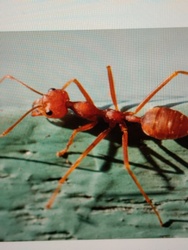
Other bugs you may enjoy
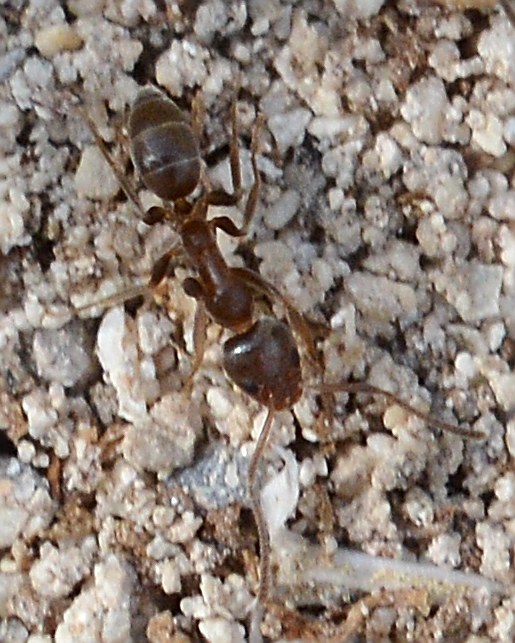
Argentine Ant
Disturbed urban soil, gardens, and building perimeters
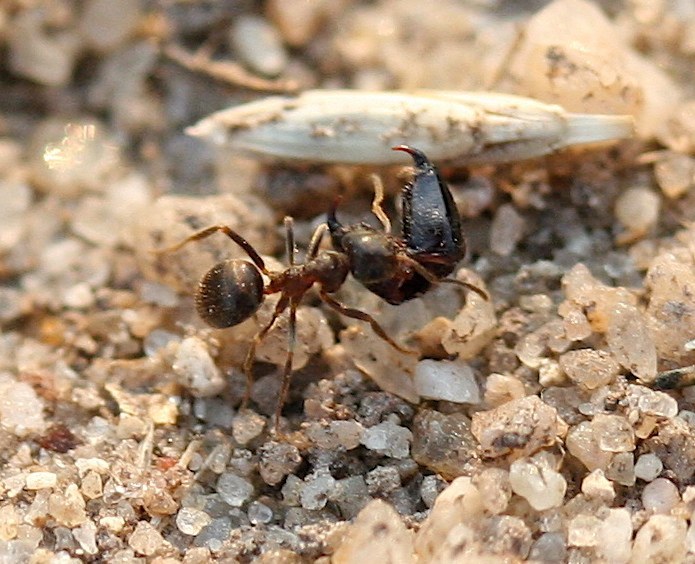
Ant
Gardens, lawns, woodlands, sidewalks, and buildings worldwide
Sugar Ant
Gardens, woodlands, and urban areas; nests in soil, timber, or tree hollows
Trap-Jaw Ant
Tropical and subtropical forests, leaf litter, sandy coastal soils
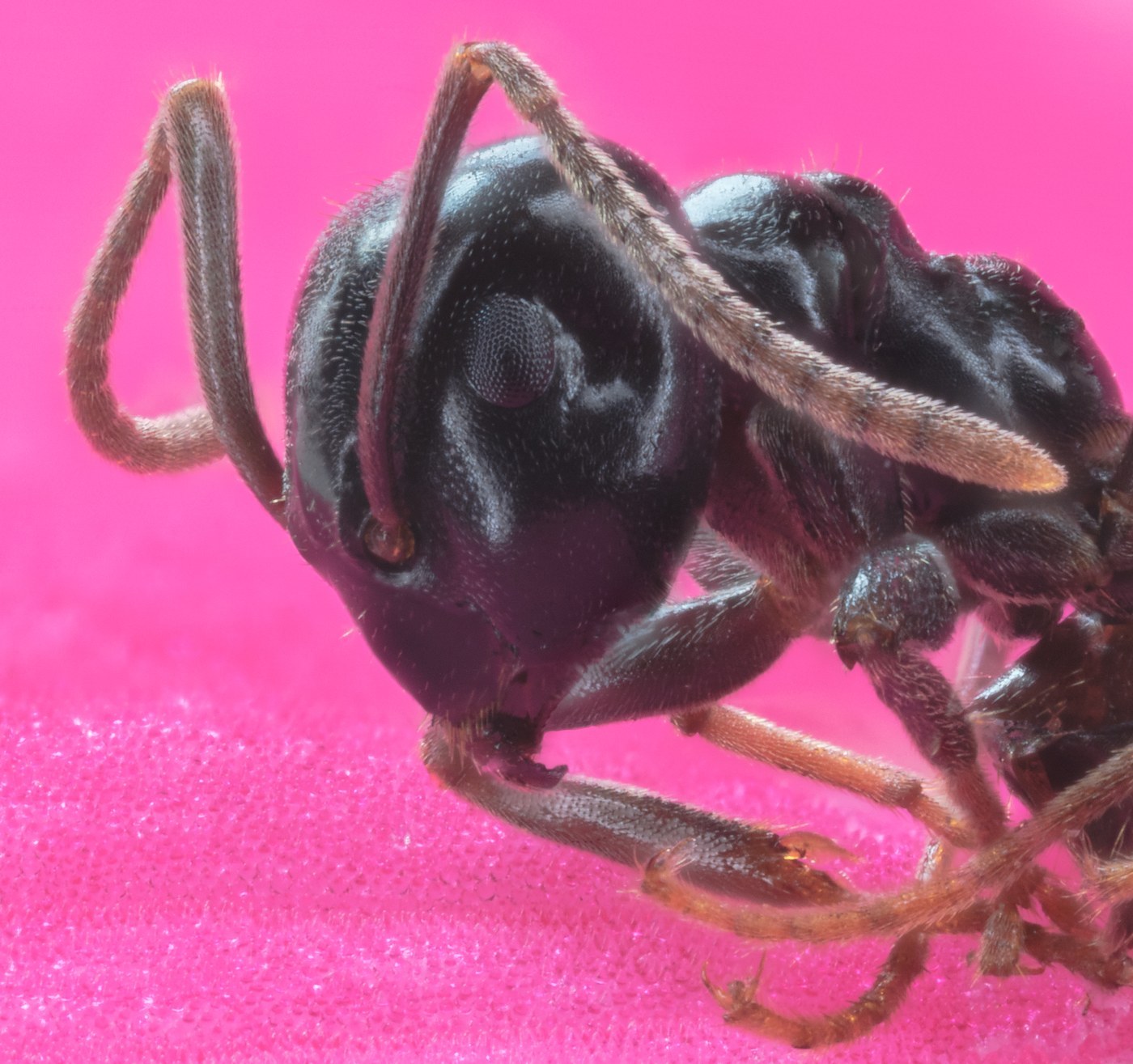
Pharaoh Ant
Warm, humid indoor voids such as wall cavities and heating ducts
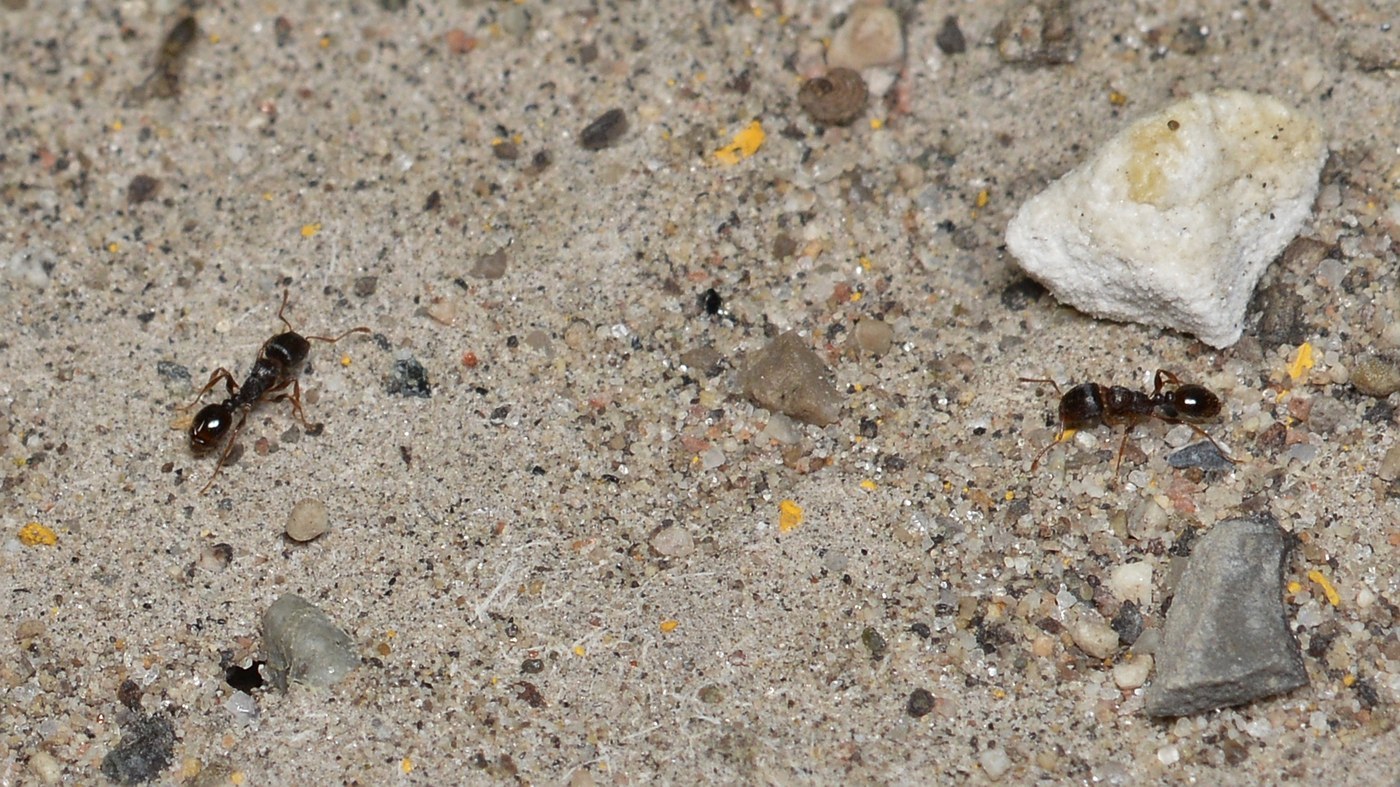
Pavement Ant
Cracks in sidewalks, driveways, and building foundations
Odorous House Ant
Soil, mulch, wall voids, and areas near moisture indoors and out
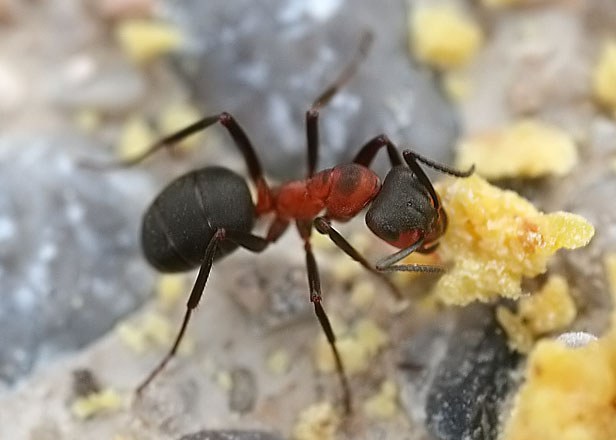
Red Wood Ant
Coniferous and mixed woodland, forest clearings and edges
Harvester Ant
Arid grasslands, deserts, and open sandy areas
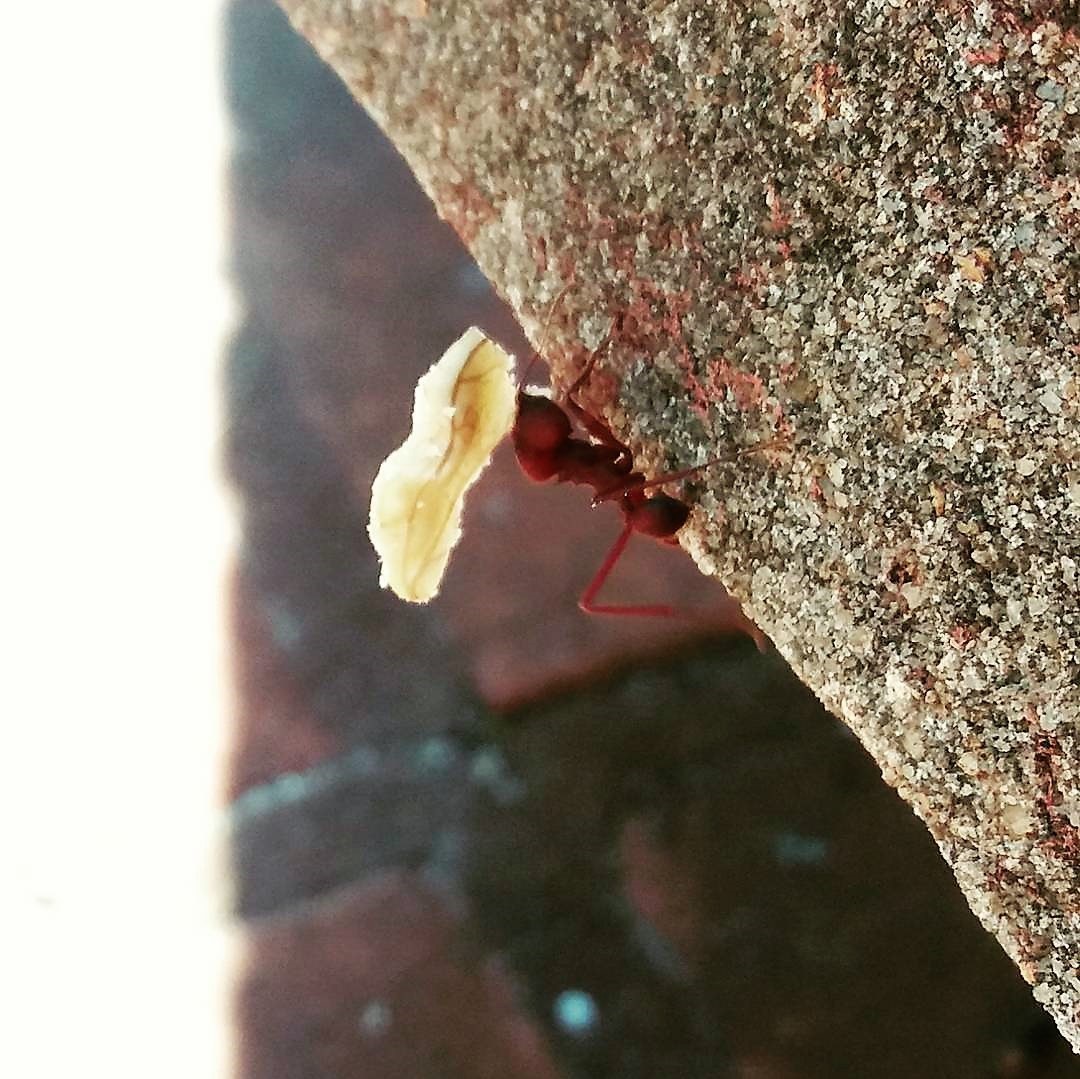
Leafcutter Ant
Tropical and subtropical forests, farmland edges
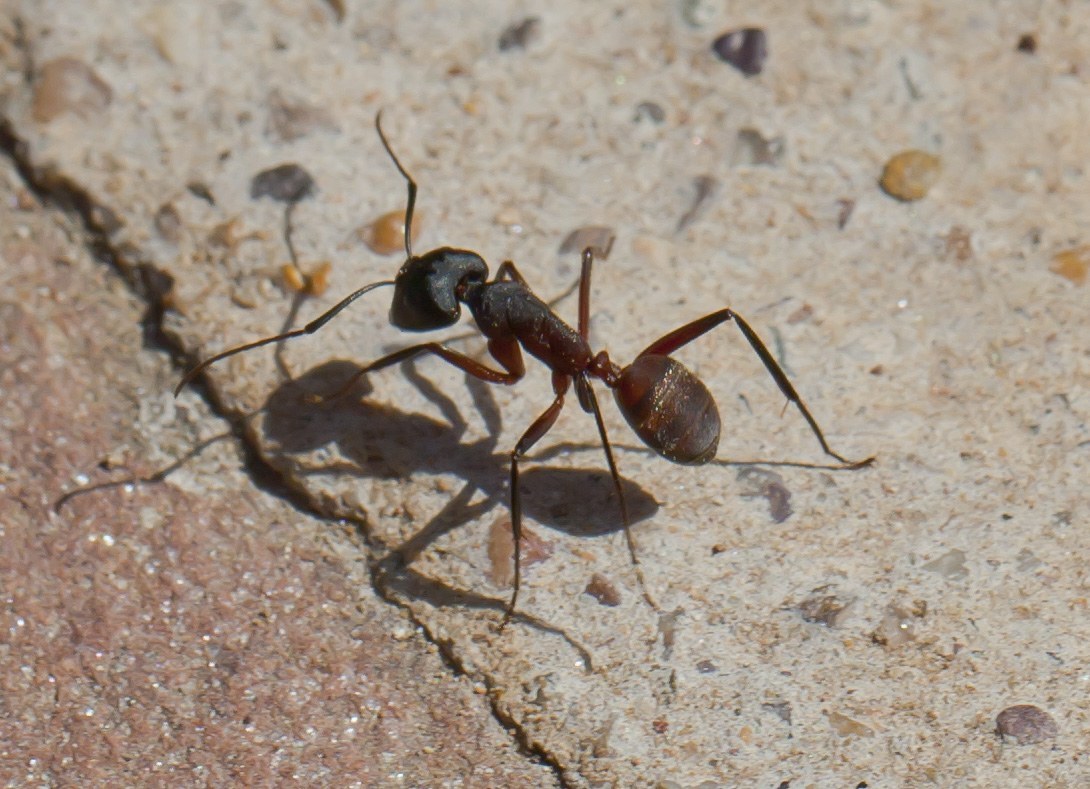
Little Black Ant
Lawns, gardens, rotting wood, and occasionally indoors
Field Ant
Open fields, meadows, lawns, and woodland edges