
Sugar Ant
Camponotus spp.
A common name for several large, sugar-loving ants, most famously the black-and-orange banded sugar ant of Australia, known for its persistent nighttime foraging around kitchens and picnics.
- Size
- Workers roughly 5-15 mm depending on species and caste
- Habitat
- Gardens, woodlands, and urban areas; nests in soil, timber, or tree hollows
- Danger
- Bites
Spotted a bug like this?
Identify any bug or insect from a photo, free.
Overview
"Sugar ant" is a widely used common name rather than a single species, applied to different ants in different regions that share a strong attraction to sugary foods. In Australia, the term most often refers to the banded sugar ant, Camponotus consobrinus, a large carpenter ant recognizable by its two-toned coloring. In North America and elsewhere, the name is sometimes applied more loosely to various carpenter ants (Camponotus species) or other small ants frequently found around sweet foods.
Banded sugar ants and their relatives belong to the genus Camponotus, the carpenter ants, a large and diverse group found on every continent except Antarctica. These ants are generally larger than many household ant species and nest in soil, decaying wood, or tree hollows rather than in structural lumber to the same extent as some other carpenter ant species.
Because the common name spans multiple species, precise identification of a "sugar ant" always benefits from noting the specific coloring, size, and region where it was observed.
How to Identify
- Medium to large ants, typically 5-15 mm depending on species and worker caste
- The Australian banded sugar ant has a black head and gaster with a distinctive orange-brown band across the middle of the body
- Other species called "sugar ants" vary from solid black to brown, matching the general carpenter ant body plan
Habitat & Range
Sugar ants (Camponotus species) occur in a wide range of habitats including open woodland, gardens, parks, and urban green spaces. Nests are typically built in soil, under rocks, in rotting logs, or within tree hollows, and colonies often maintain multiple foraging trails extending well away from the nest entrance.
Behavior & Diet
As their common name suggests, these ants are strongly drawn to sugary substances, including nectar, honeydew produced by sap-feeding insects, and sweet human foods, though their diet also includes other insects and organic matter. Many species forage primarily at dusk or after dark, moving in long trails along fences, tree trunks, and pavement edges toward reliable food sources. They lack a stinger but can bite defensively with their mandibles.
Life Cycle
Sugar ants develop through complete metamorphosis: egg, larva, pupa, and winged or wingless adult. Colonies are generally headed by a single queen, though this varies by species, and can persist for many years. Winged reproductive ants emerge seasonally, often following rain, to disperse and found new colonies through nuptial flights.
Frequently asked questions
Is 'sugar ant' a single species?
No, it is a common name applied to several different ants in different regions that share a strong attraction to sugary food, most famously the banded sugar ant of Australia.
How do you recognize a banded sugar ant?
It has a black head and abdomen with a distinctive orange-brown band across the middle section of its body, and is noticeably larger than most household ants.
Do sugar ants sting?
No, as members of the carpenter ant genus Camponotus, they lack a stinger, though they can bite defensively.
When are sugar ants most active?
Many species forage mainly at dusk and after dark, following scent trails toward sweet food sources.
Sugar Ant guides
In-depth guides for identifying, understanding, and living alongside Sugar Ant.
Other bugs you may enjoy
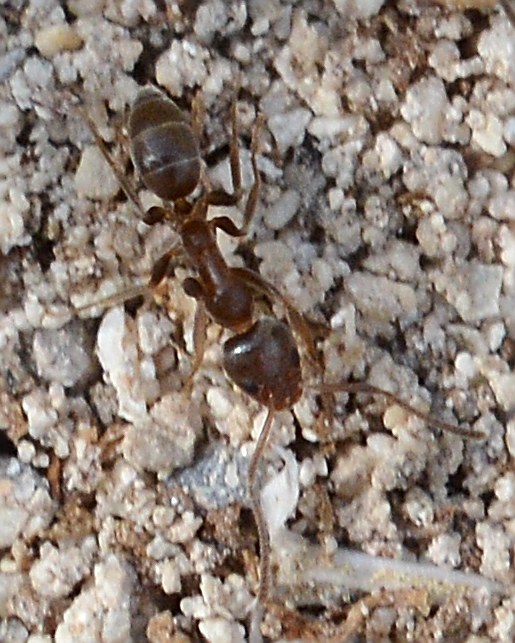
Argentine Ant
Disturbed urban soil, gardens, and building perimeters
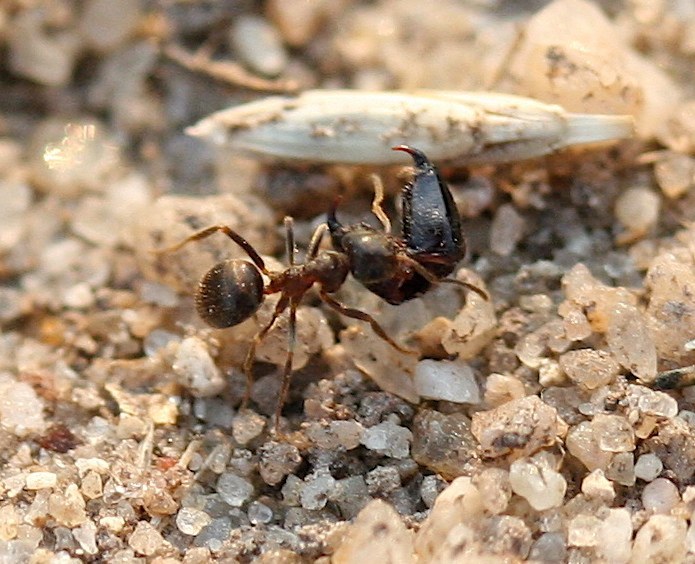
Ant
Gardens, lawns, woodlands, sidewalks, and buildings worldwide
Weaver Ant
Canopy of tropical forests, orchards, and mangroves
Trap-Jaw Ant
Tropical and subtropical forests, leaf litter, sandy coastal soils
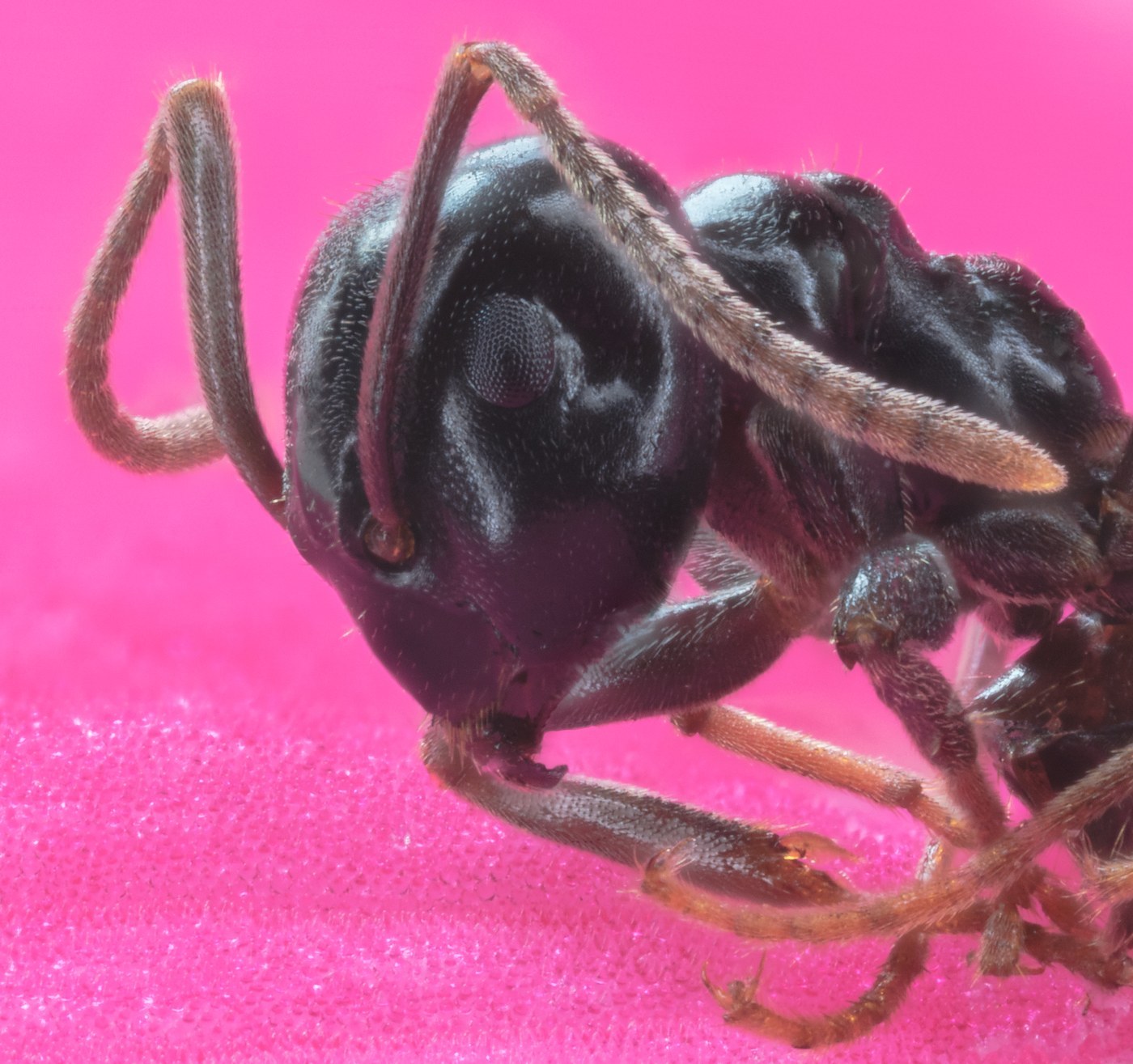
Pharaoh Ant
Warm, humid indoor voids such as wall cavities and heating ducts
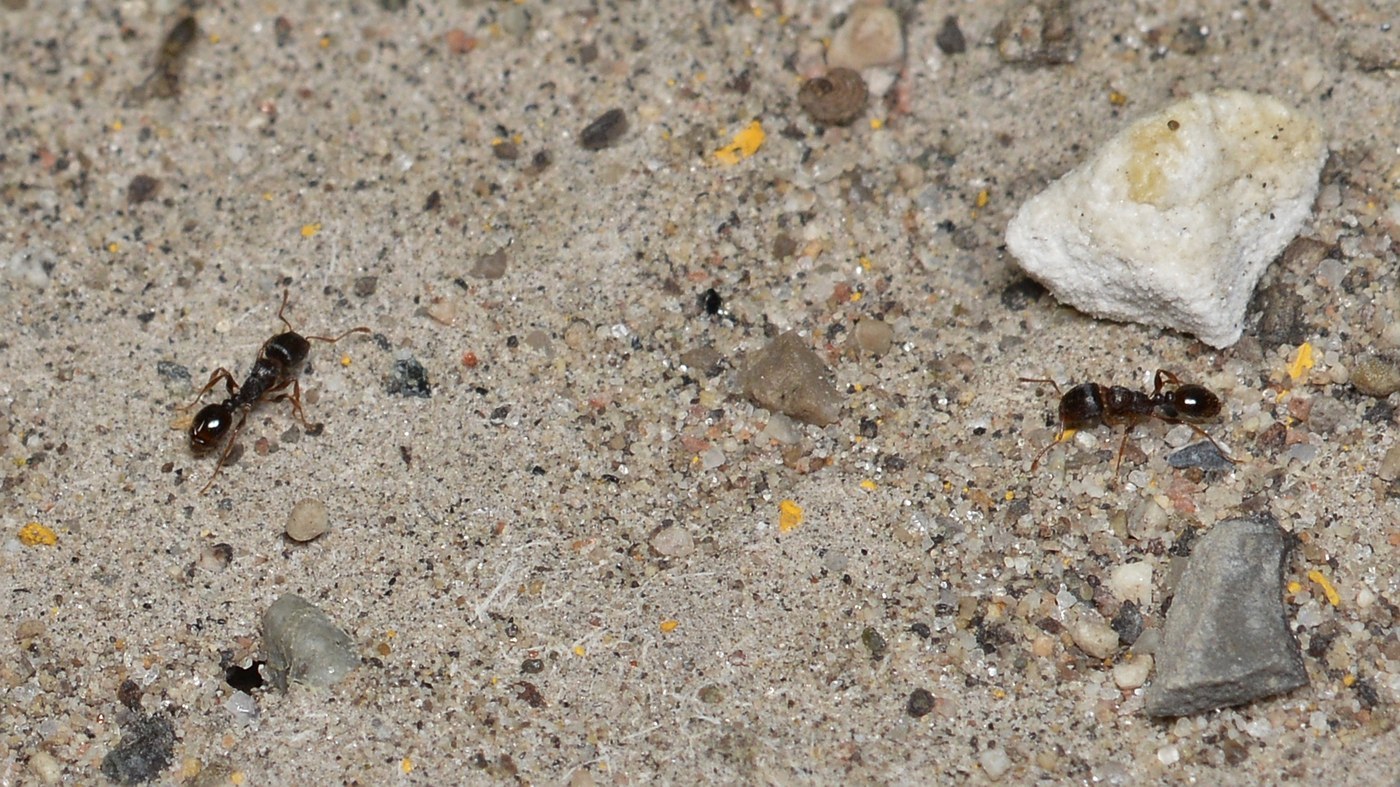
Pavement Ant
Cracks in sidewalks, driveways, and building foundations
Odorous House Ant
Soil, mulch, wall voids, and areas near moisture indoors and out
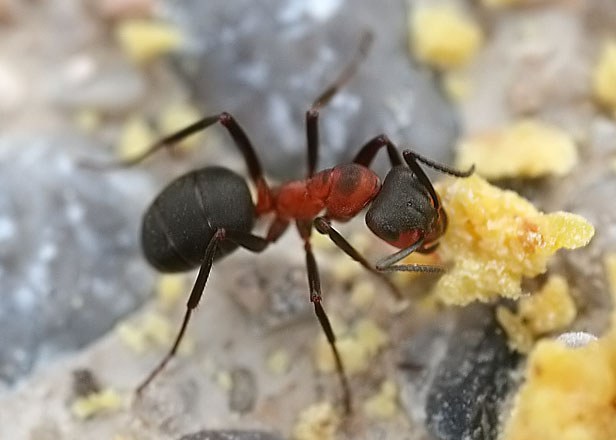
Red Wood Ant
Coniferous and mixed woodland, forest clearings and edges
Harvester Ant
Arid grasslands, deserts, and open sandy areas
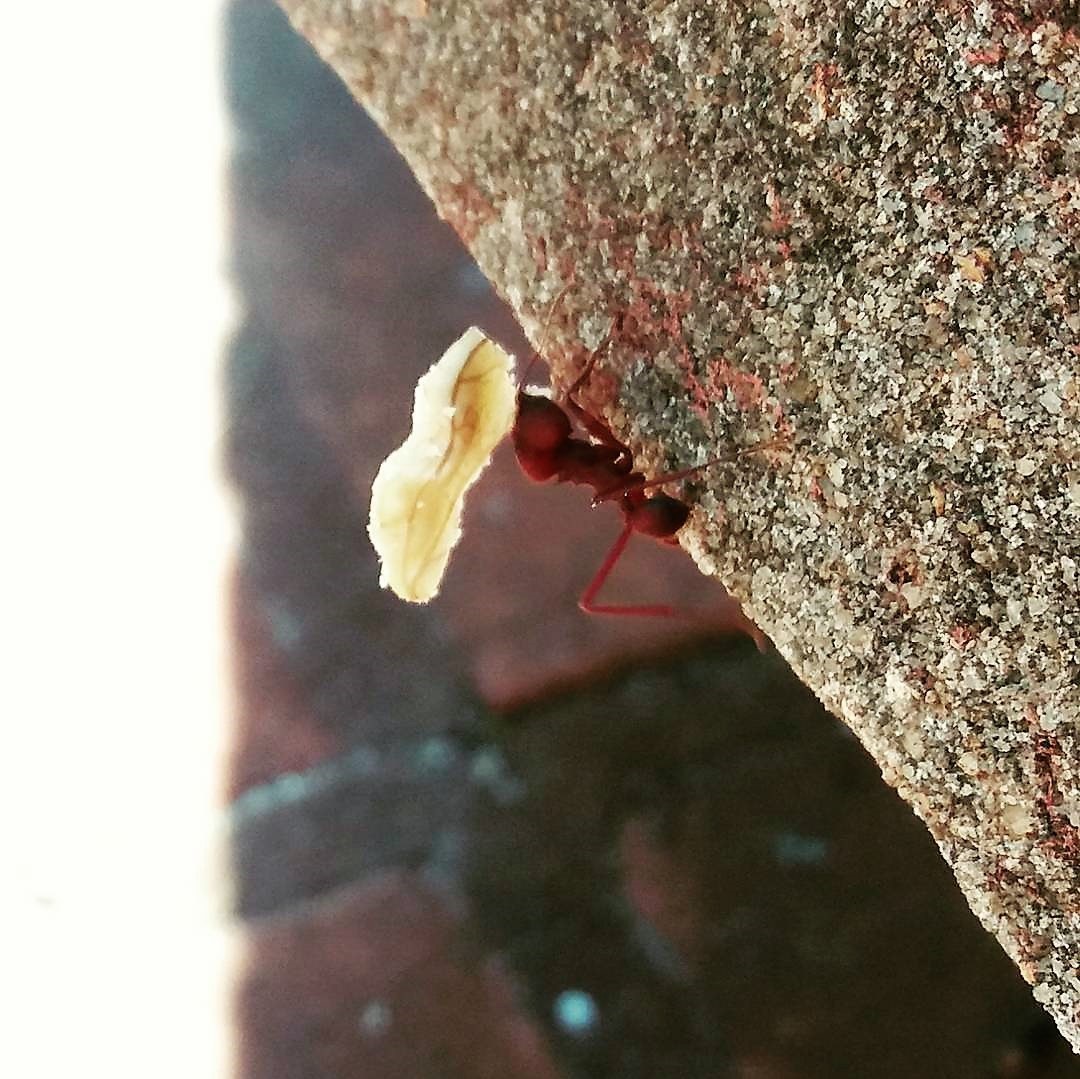
Leafcutter Ant
Tropical and subtropical forests, farmland edges
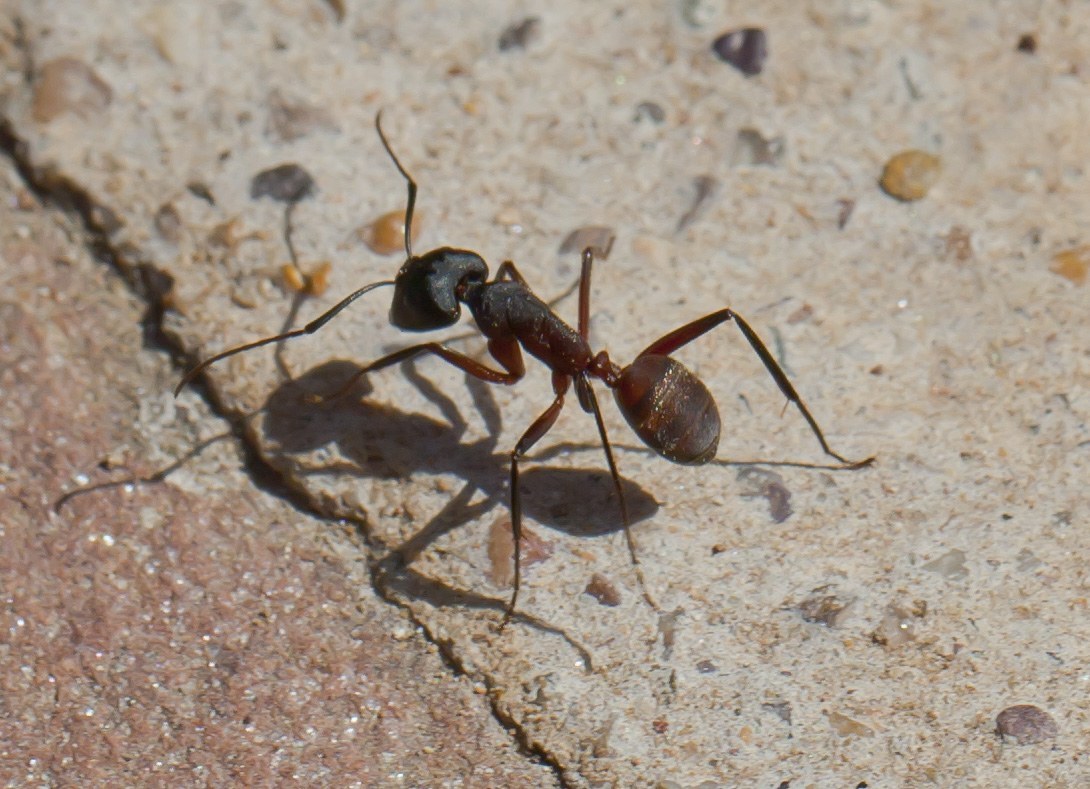
Little Black Ant
Lawns, gardens, rotting wood, and occasionally indoors
Field Ant
Open fields, meadows, lawns, and woodland edges