
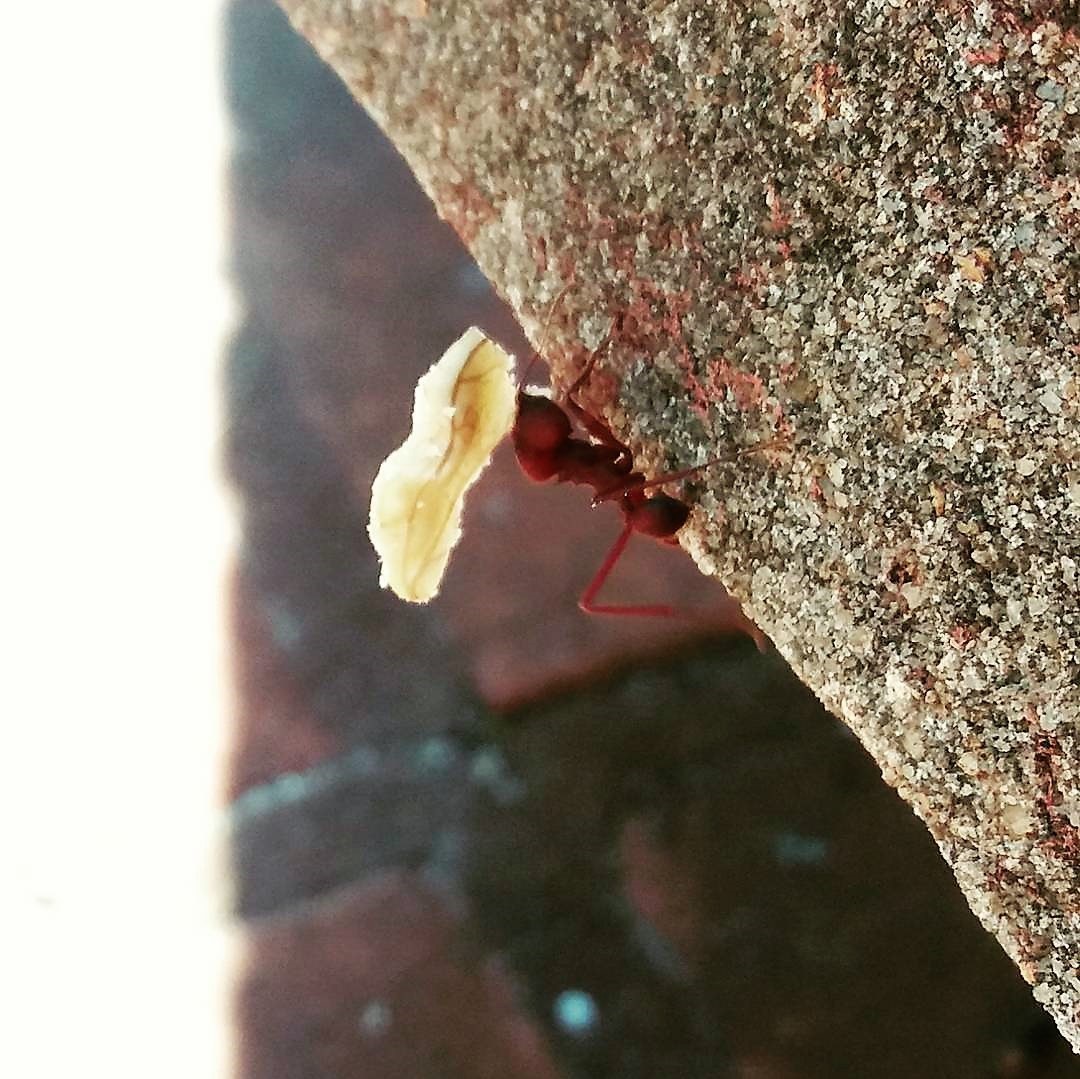
Leafcutter Ant
Atta spp.
A highly organized ant famous for marching in long trails while carrying disc-shaped pieces of leaf many times their own size, which they use to cultivate fungus gardens deep underground.
- Size
- 2–16 mm (workers, highly variable)
- Habitat
- Tropical and subtropical forests, farmland edges
- Danger
- Bites
Spotted a bug like this?
Identify any bug or insect from a photo, free.
Overview
Leafcutter ants are a group of species in the genus Atta (and the closely related Acromyrmex), part of the ant family Formicidae, native to the tropical and subtropical Americas. They are famous for one of the most sophisticated examples of agriculture in the animal kingdom: rather than eating the leaves they harvest directly, colonies cultivate a specialized fungus in underground chambers, feeding the fungus with chewed leaf material and then consuming the fungus itself as their primary food source.
Colonies are enormous and highly polymorphic, meaning individual workers vary dramatically in size and shape depending on their job, ranging from tiny workers that tend the fungus garden to much larger soldiers that defend the nest and cut tougher plant material. A single mature colony can include millions of individuals and may excavate underground nest systems covering a large area, making leafcutter ants among the most ecologically dominant herbivores in Neotropical forests.
This remarkable division of labor and symbiotic relationship with fungus has made leafcutter ants one of the most studied social insects in the world, offering insight into complex cooperative behavior, agriculture-like practices, and large-scale ecosystem impact through their leaf-harvesting activity.
How to Identify
- Reddish-brown to dark brown body with a spiny, somewhat rough-textured exoskeleton.
- Distinct three-segmented waist typical of many ants, with a pair of bent (elbowed) antennae.
- Extreme size variation among workers within a single colony, from very small fungus-tending workers to much larger soldiers with enlarged heads and mandibles.
- Most recognizable in the field as long processions of ants each carrying an oversized, disc-shaped piece of leaf held above their body like a tiny green umbrella or sail.
- Lookalikes include other ant species that carry debris, but the sheer volume of leaf fragments being transported along a well-worn trail is a strong identifying behavior unique to this group.
Habitat & Range
Native to Central and South America, extending into the southern United States in some regions, favoring tropical and subtropical forests, forest edges, and agricultural land. Colonies build extensive underground nests with numerous chambers and can be active both day and night depending on temperature, with foraging trails often running long distances from the nest to preferred plants.
Behavior & Diet
Leafcutter ants exhibit an extraordinary form of agriculture, cutting leaf fragments from a wide variety of plants and carrying them back to the nest, where the material is chewed into a pulp and used to cultivate a specialized fungus in underground garden chambers. Workers consume the fungus itself rather than the raw leaves, and different worker castes specialize in tasks including foraging, leaf-cutting, fungus tending, waste management, and nest defense. Because a single large colony can strip substantial amounts of foliage from surrounding vegetation, leafcutter ants have a significant influence on plant community structure and nutrient cycling in their native ecosystems.
Life Cycle
A new colony begins when a winged, mated queen leaves her natal nest carrying a small piece of the parental fungus garden to start her own underground fungus culture. Eggs develop through complete metamorphosis into legless larvae, then pupae, before emerging as adult workers that quickly take over foraging and colony maintenance duties. Mature colonies can persist for many years, periodically producing winged reproductive males and new queens that disperse during seasonal mating flights to found additional colonies.
Frequently asked questions
Do leafcutter ants eat the leaves they carry?
No, they use the chewed leaf material to grow a specialized fungus underground, and it is this fungus, not the raw leaves, that the ants actually eat.
Why do the workers vary so much in size?
Colonies are highly polymorphic, with different sized workers specialized for tasks such as leaf cutting, fungus tending, or nest defense.
Where are leafcutter ants found?
They are native to tropical and subtropical regions of Central and South America, with some range extending into the far southern United States.
How large can a leafcutter ant colony get?
Mature colonies can contain millions of individuals and excavate extensive underground nest systems.
Leafcutter Ant guides
In-depth guides for identifying, understanding, and living alongside Leafcutter Ant.
Other bugs you may enjoy
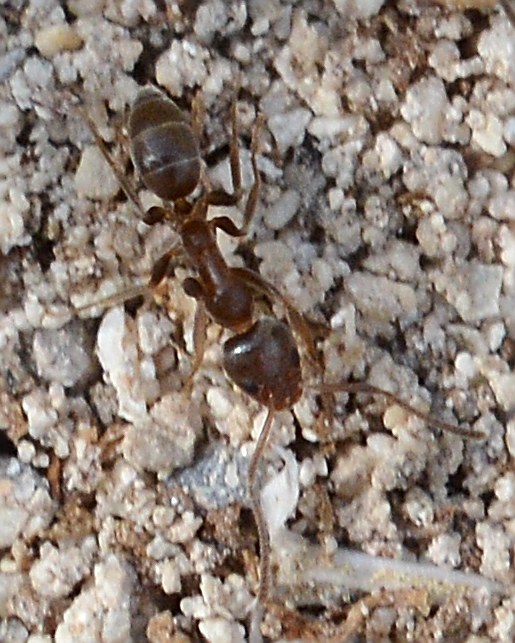
Argentine Ant
Disturbed urban soil, gardens, and building perimeters
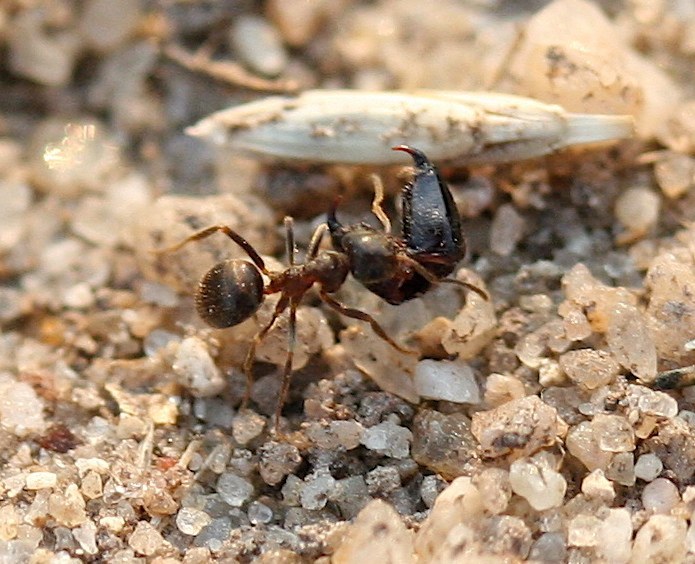
Ant
Gardens, lawns, woodlands, sidewalks, and buildings worldwide
Weaver Ant
Canopy of tropical forests, orchards, and mangroves
Sugar Ant
Gardens, woodlands, and urban areas; nests in soil, timber, or tree hollows
Trap-Jaw Ant
Tropical and subtropical forests, leaf litter, sandy coastal soils
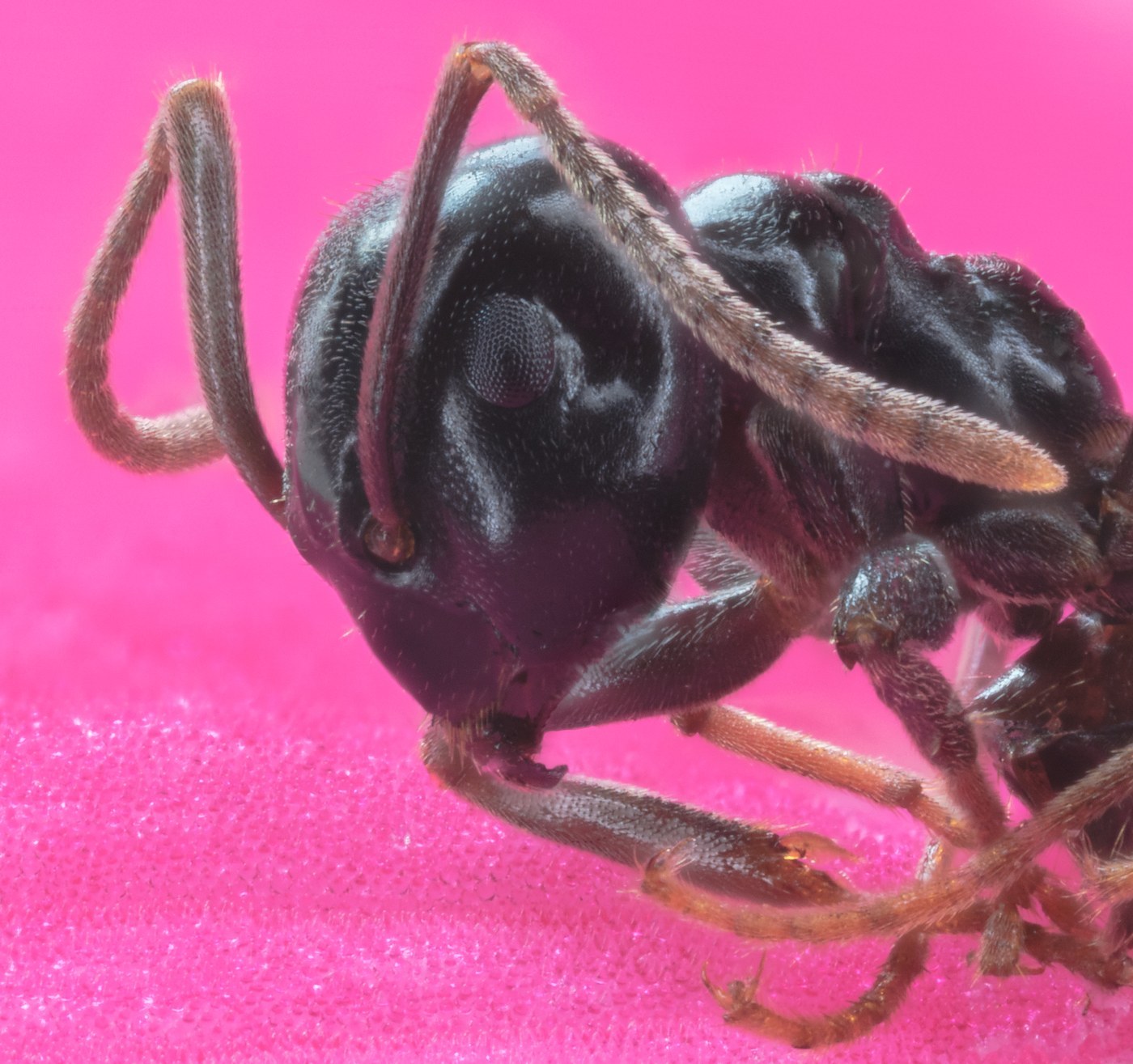
Pharaoh Ant
Warm, humid indoor voids such as wall cavities and heating ducts
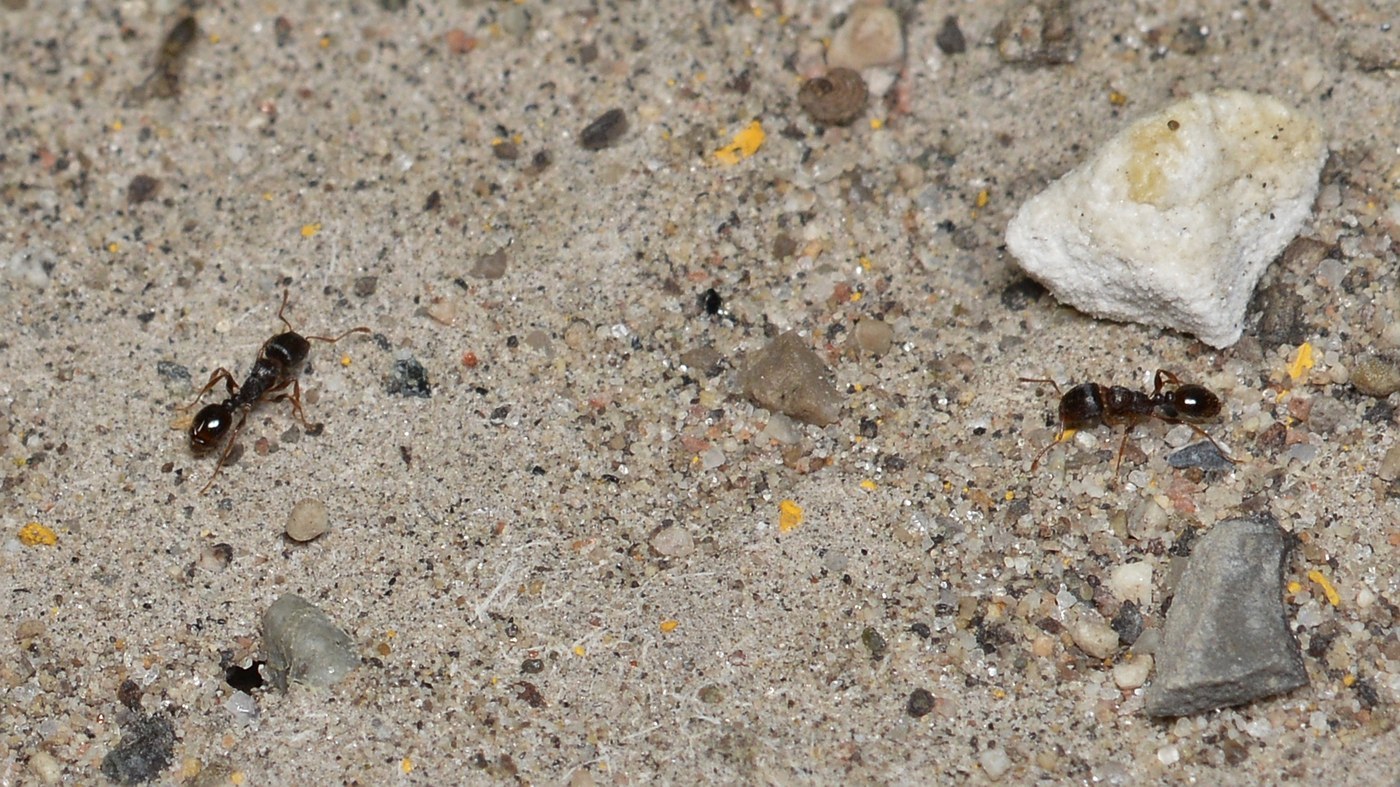
Pavement Ant
Cracks in sidewalks, driveways, and building foundations
Odorous House Ant
Soil, mulch, wall voids, and areas near moisture indoors and out
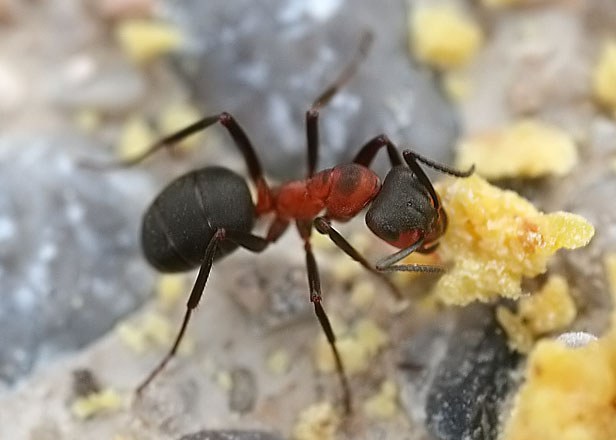
Red Wood Ant
Coniferous and mixed woodland, forest clearings and edges
Harvester Ant
Arid grasslands, deserts, and open sandy areas
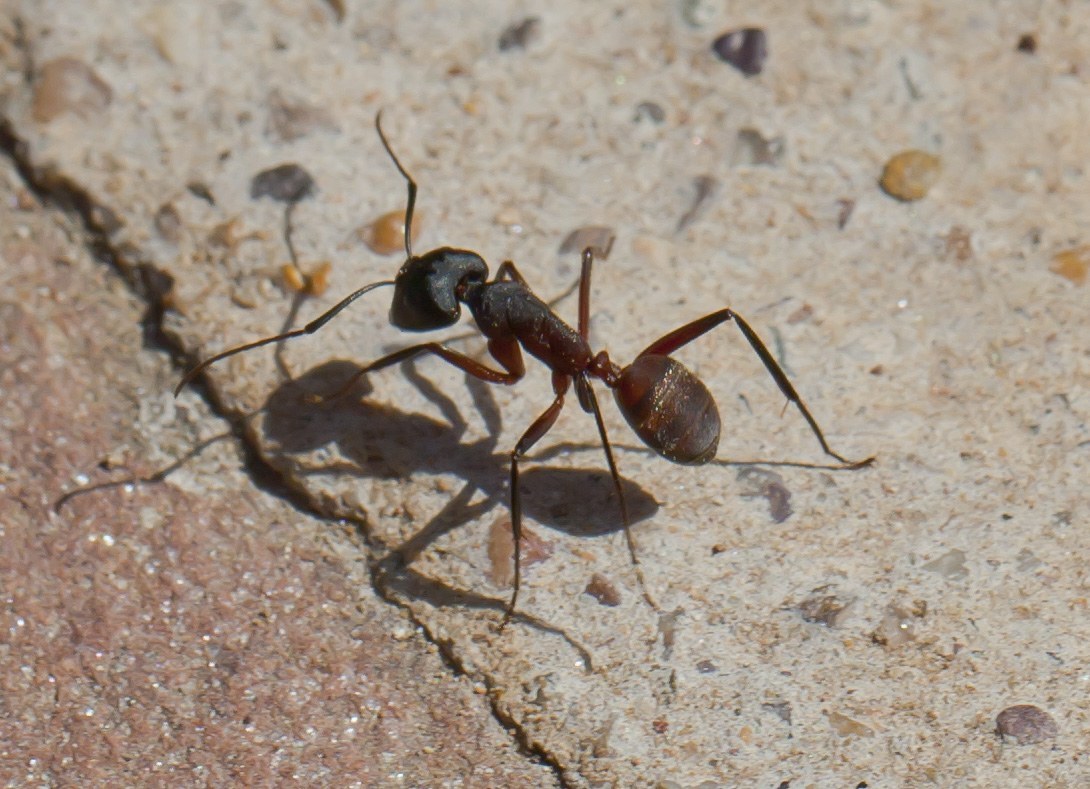
Little Black Ant
Lawns, gardens, rotting wood, and occasionally indoors
Field Ant
Open fields, meadows, lawns, and woodland edges