
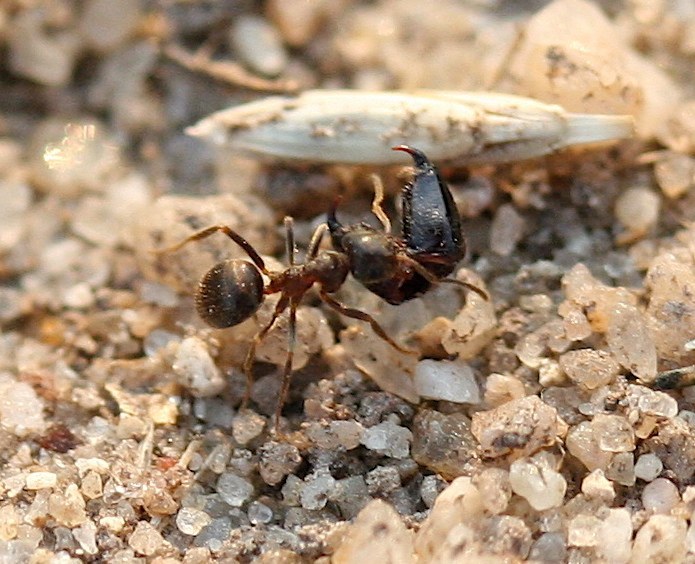
Black Garden Ant
Lasius niger
A familiar small, glossy black ant that forms visible foraging trails across patios and garden paths and nests beneath stones, pavers, and lawns.
- Size
- 3–5 mm (workers); up to 15 mm (queen)
- Habitat
- Gardens, lawns, pavement cracks, under stones and logs
- Danger
- Bites
Spotted a bug like this?
Identify any bug or insect from a photo, free.
Overview
The Black Garden Ant is one of the most widely recognized ants in temperate regions, a common species in the family Formicidae known for its dark, uniformly colored workers that trail along garden edges and pavement seams. It is a highly successful generalist ant found in both rural and urban settings.
Colonies are organized around a single queen (in most cases) supported by thousands of sterile female workers, all working cooperatively to gather food, tend the brood, and maintain the nest. The species is a familiar sight during the warm months, especially when winged reproductives emerge for their synchronized mating flights.
Ecologically, Black Garden Ants play a useful role as scavengers and predators of small invertebrates, and they are also well known for tending aphids for their sugary honeydew secretions, forming a classic mutualistic relationship seen in many gardens.
How to Identify
- Small, uniformly shiny black to dark brown body with a single-segmented waist node.
- Workers are relatively uniform in size, moving in organized trails between food sources and the nest.
- Queens are much larger and bear wings before shedding them after mating flights.
- Antennae are elbowed (geniculate), a key trait distinguishing ants from other small insects.
- Lookalikes: similar in size to several other small dark ants; nest location under paving and characteristic aphid-tending behavior help confirm identification.
Habitat & Range
Widespread across Europe and introduced to parts of North America and elsewhere, the Black Garden Ant nests in soil under stones, pavers, logs, and lawns, as well as in wall cavities. It is active from spring through autumn, with peak foraging activity on warm days, and colonies overwinter in a dormant state below the frost line.
Behavior & Diet
Workers forage individually and in trails, feeding on a wide variety of foods including sugary substances, small insects, and household scraps when nests are near buildings. A hallmark behavior is tending aphids on plant stems, stroking them to release honeydew which the ants collect and carry back to the nest, in exchange for protecting the aphids from predators. Colonies communicate largely through pheromone trails, and on warm, humid days in mid-to-late summer, winged males and virgin queens emerge together in mass nuptial flights.
Life Cycle
The colony undergoes complete metamorphosis: eggs laid by the queen hatch into legless larvae that are fed and groomed by workers, then pupate before emerging as adult ants. A single queen can live for many years, continuously producing new workers each season. Winged reproductives are produced in mid-to-late summer and take part in synchronized nuptial flights, after which mated queens shed their wings and attempt to found new colonies.
Frequently asked questions
Why do I see swarms of flying ants in summer?
These are the winged queens and males of colonies like the Black Garden Ant taking part in a synchronized nuptial flight, usually on a warm, humid day.
Why are ants gathering on my rose bushes?
They are likely tending aphids, collecting the sugary honeydew the aphids excrete in exchange for protecting them from predators.
How big does a Black Garden Ant colony get?
Mature colonies commonly hold several thousand workers, all descended from a single long-lived queen.
Where do Black Garden Ants nest?
Typically in soil beneath stones, paving slabs, logs, or lawns, with entrances marked by small mounds of excavated soil.
Black Garden Ant guides
In-depth guides for identifying, understanding, and living alongside Black Garden Ant.
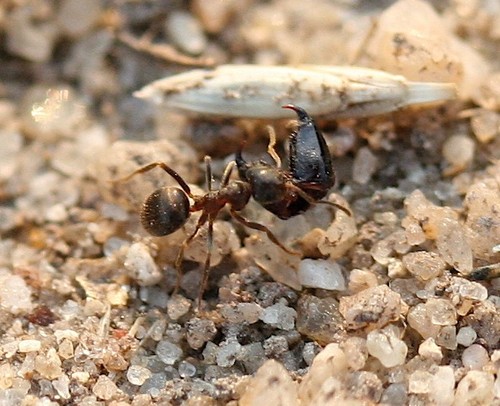
Black Garden Ant identified by the community
Real finds identified with Bug Identifier.

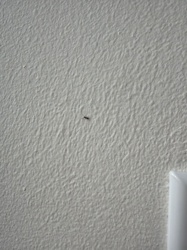
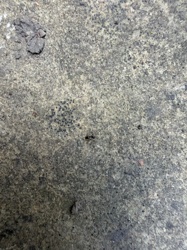
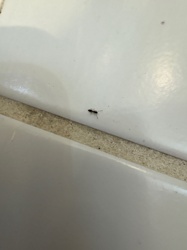
Other bugs you may enjoy
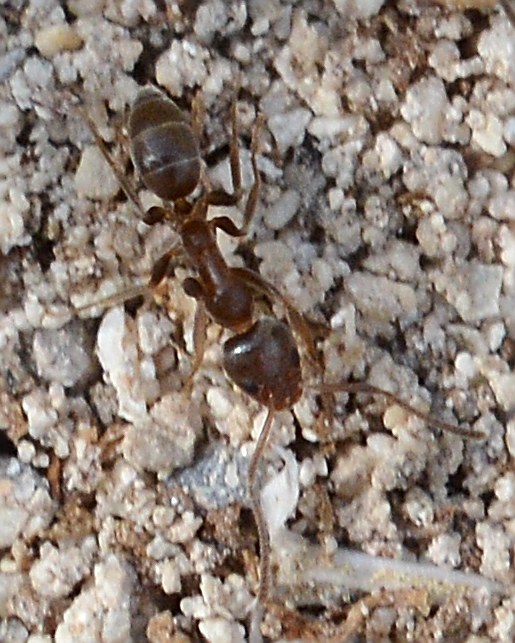
Argentine Ant
Disturbed urban soil, gardens, and building perimeters
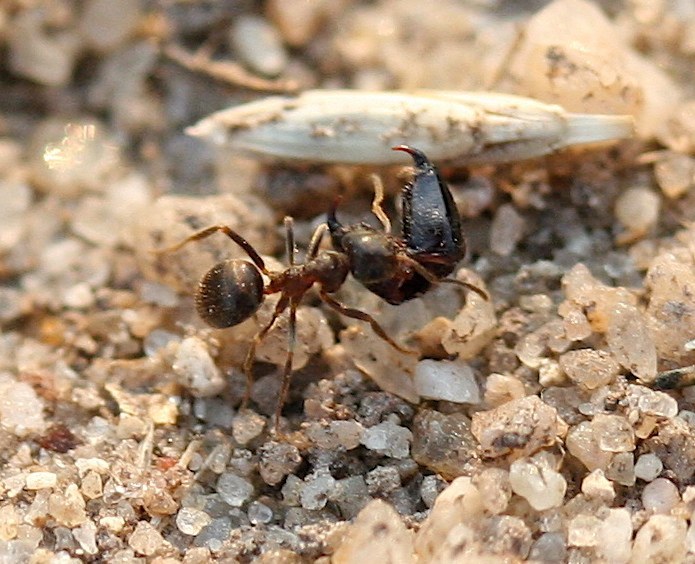
Ant
Gardens, lawns, woodlands, sidewalks, and buildings worldwide
Weaver Ant
Canopy of tropical forests, orchards, and mangroves
Sugar Ant
Gardens, woodlands, and urban areas; nests in soil, timber, or tree hollows
Trap-Jaw Ant
Tropical and subtropical forests, leaf litter, sandy coastal soils
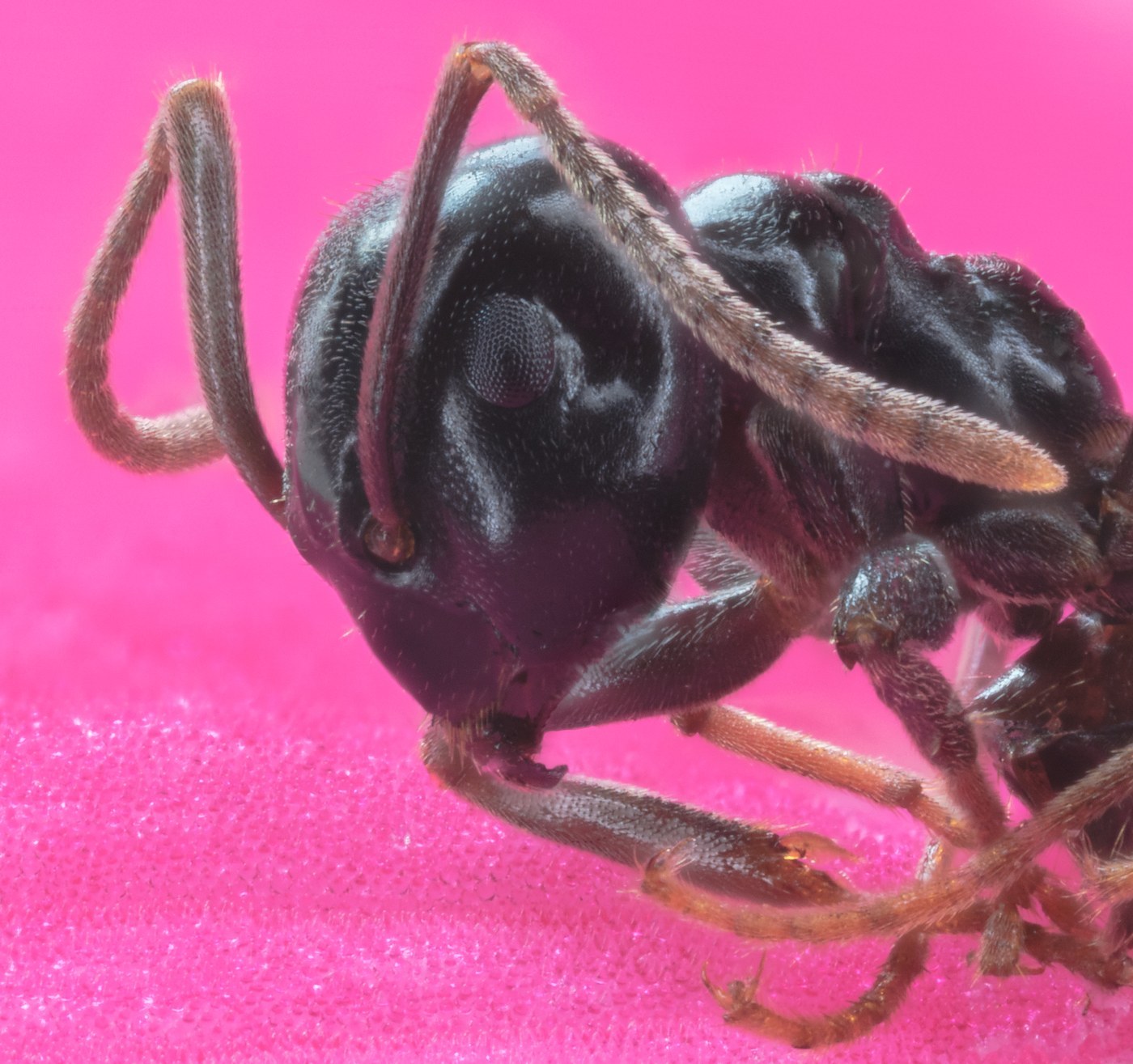
Pharaoh Ant
Warm, humid indoor voids such as wall cavities and heating ducts
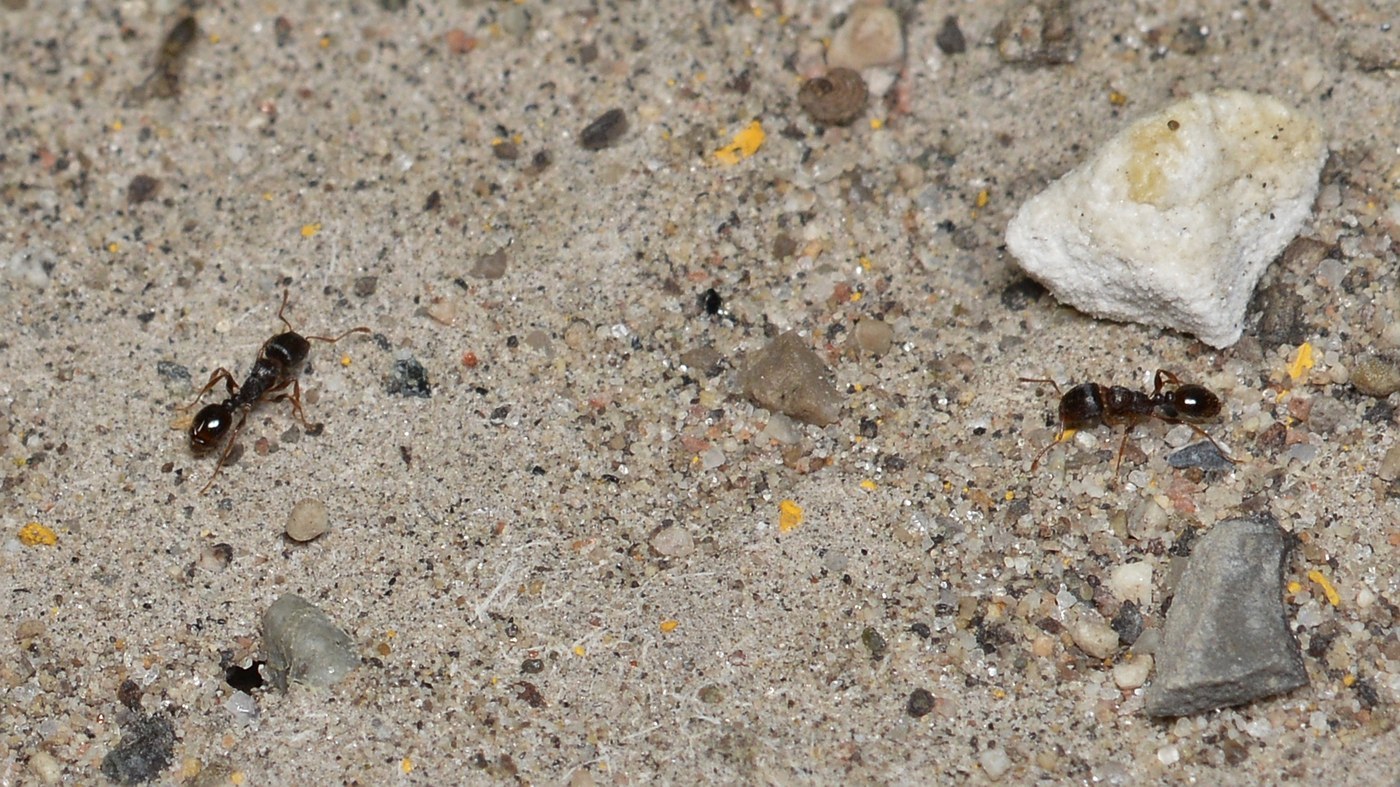
Pavement Ant
Cracks in sidewalks, driveways, and building foundations
Odorous House Ant
Soil, mulch, wall voids, and areas near moisture indoors and out
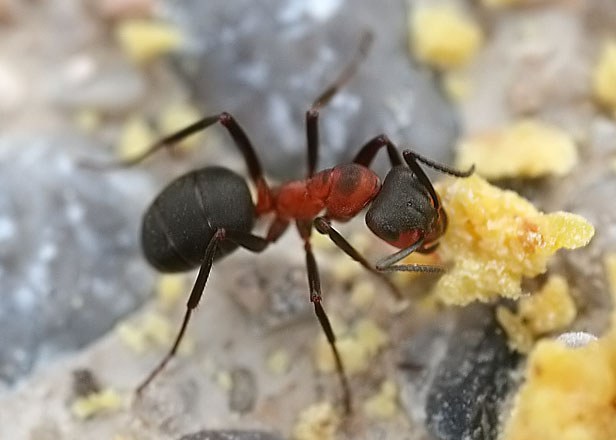
Red Wood Ant
Coniferous and mixed woodland, forest clearings and edges
Harvester Ant
Arid grasslands, deserts, and open sandy areas
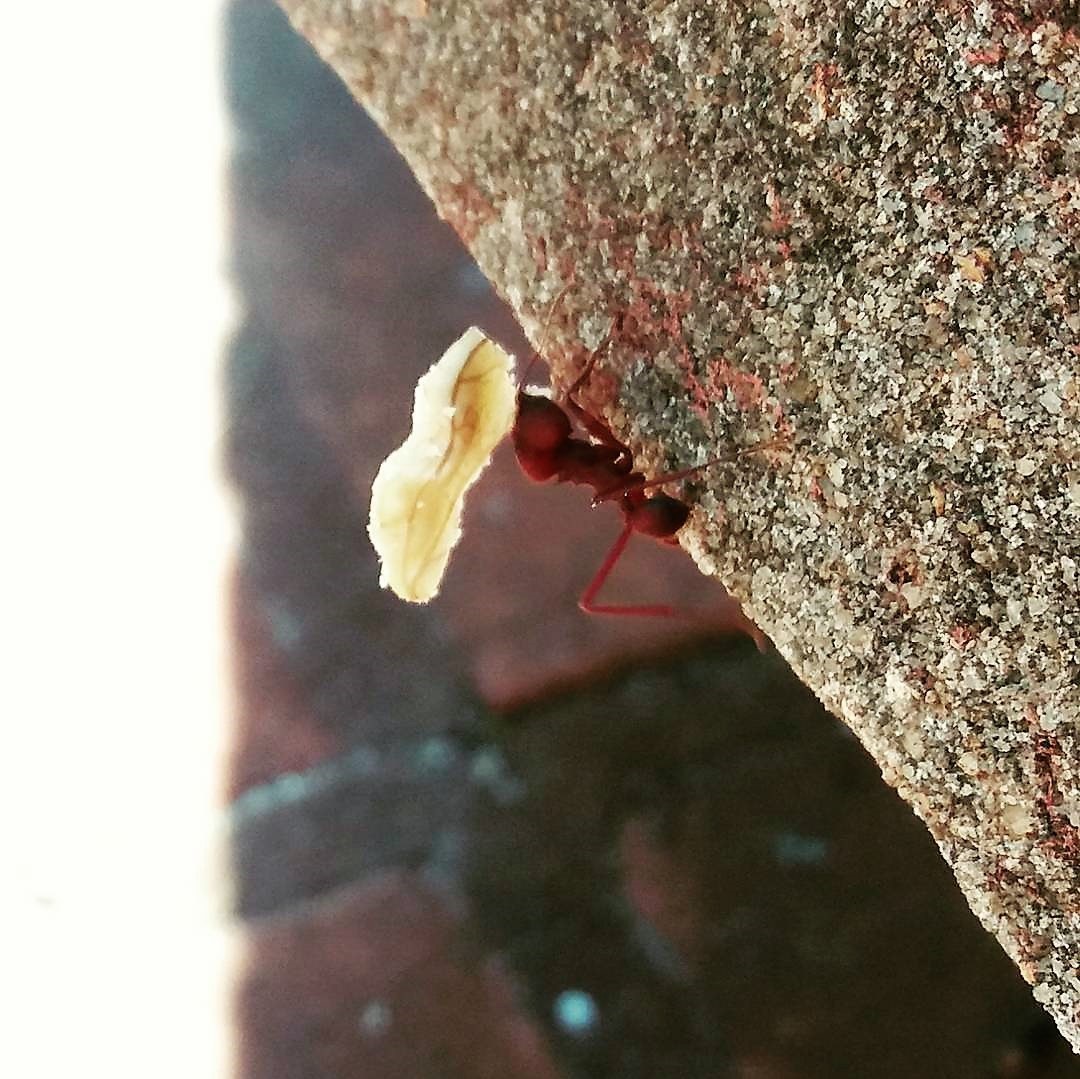
Leafcutter Ant
Tropical and subtropical forests, farmland edges
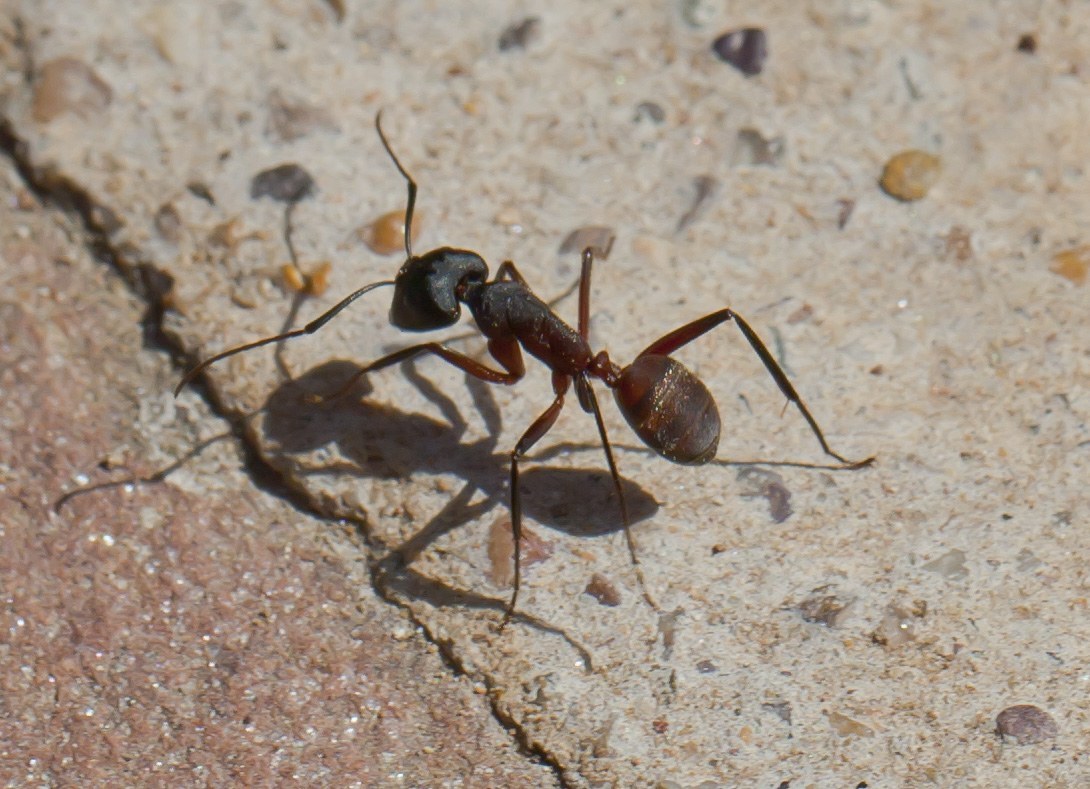
Little Black Ant
Lawns, gardens, rotting wood, and occasionally indoors