
Harvester Ant
Pogonomyrmex spp.
A large, industrious desert ant that clears a bare, sunburned disk of ground around its nest entrance while collecting and storing seeds by the thousands.
- Size
- Workers about 6-10 mm long
- Habitat
- Arid grasslands, deserts, and open sandy areas
- Danger
- Stings
Spotted a bug like this?
Identify any bug or insect from a photo, free.
Overview
Harvester ants are a group of large, ground-nesting ants in the genus Pogonomyrmex, found primarily in the arid and semi-arid grasslands, deserts, and open habitats of North America, with the red harvester ant (Pogonomyrmex barbatus) among the best studied species. They are named for their granivorous diet, collecting and storing large quantities of seeds within underground granary chambers.
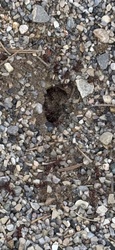
Harvester ant colonies are conspicuous in the landscape because workers clear all vegetation from a wide circular area around the nest entrance, creating a bare, sun-baked disk that can persist for years and is often the most visible sign of the colony's presence.
These ants play an important ecological role as seed dispersers and soil engineers in the dry ecosystems they inhabit, and their extensive underground tunneling helps aerate and mix desert and grassland soils.
How to Identify
- Large ants, typically 6-10 mm long
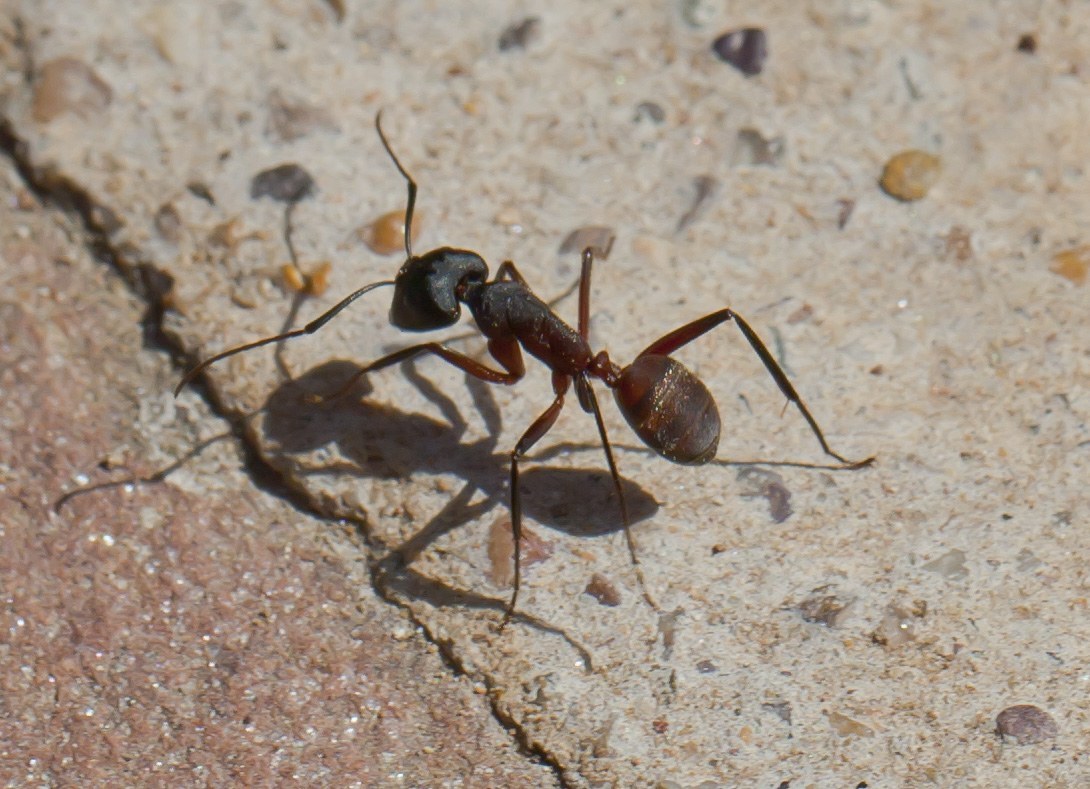
- Reddish-brown to blackish body with a notably large head and strong mandibles
- A fringe of hairs beneath the head called a psammophore, used for carrying sand grains during excavation
- Two nodes on the petiole and a functional stinger
- Nest entrance is surrounded by a wide, cleared circle of bare ground, often the easiest field identification clue
- Larger and more heavily built than most common household ants
Habitat & Range
Harvester ants are widespread across the arid and semi-arid regions of the southwestern and central United States and northern Mexico, favoring open grasslands, desert scrub, and sandy or well-drained soils where sunlight easily reaches the nest entrance.
Behavior & Diet
These ants are primarily granivorous, foraging in trails to collect seeds from surrounding vegetation and storing them in underground granary chambers for later use, though their diet can include other plant material and occasional insects. Workers are diurnal foragers, most active during the cooler parts of the day in hot climates, and diligently maintain the bare foraging disk around the nest by clipping or removing encroaching vegetation.
Life Cycle
Harvester ants undergo complete metamorphosis from egg through larva and pupa to adult. Colonies are typically headed by a single queen and can persist for many years, sometimes decades. Winged reproductive ants are produced seasonally and take part in synchronized nuptial flights, often triggered by seasonal rains, after which newly mated queens excavate a small starter chamber to found a new colony.
Frequently asked questions
How can I recognize a harvester ant nest?
Look for a wide, distinctly bare circle of cleared ground surrounding the entrance, kept free of vegetation by the colony's workers.
What do harvester ants eat?
They are primarily granivorous, collecting and storing seeds in underground chambers, though they will also take other plant material and occasional insects.
Do harvester ants sting?
Yes, they possess a functional stinger in addition to strong mandibles.
Where do harvester ants live?
They are found mainly in arid grasslands, deserts, and other open, dry habitats of the southwestern United States and northern Mexico.
Harvester Ant guides
In-depth guides for identifying, understanding, and living alongside Harvester Ant.
Harvester Ant identified by the community
Real finds identified with Bug Identifier.
Other bugs you may enjoy
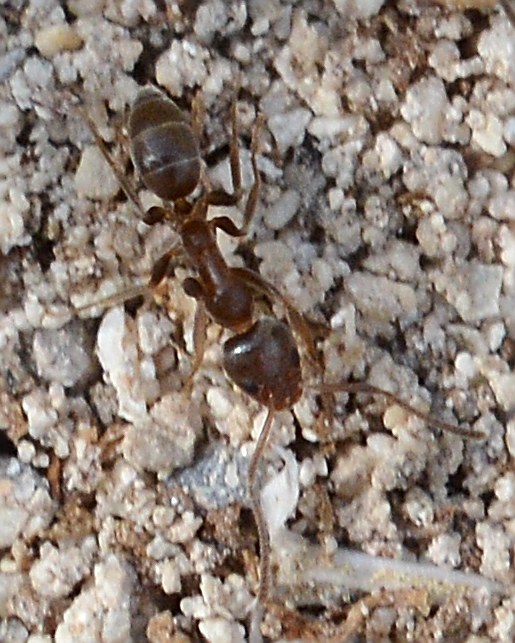
Argentine Ant
Disturbed urban soil, gardens, and building perimeters
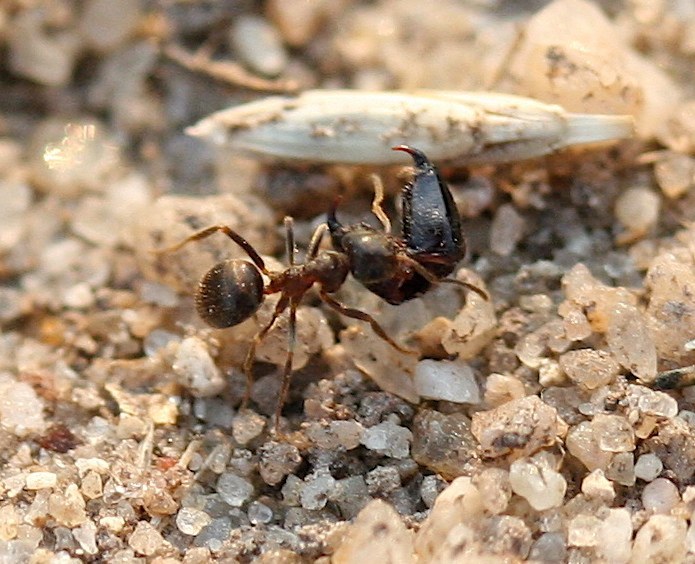
Ant
Gardens, lawns, woodlands, sidewalks, and buildings worldwide
Weaver Ant
Canopy of tropical forests, orchards, and mangroves
Sugar Ant
Gardens, woodlands, and urban areas; nests in soil, timber, or tree hollows
Trap-Jaw Ant
Tropical and subtropical forests, leaf litter, sandy coastal soils
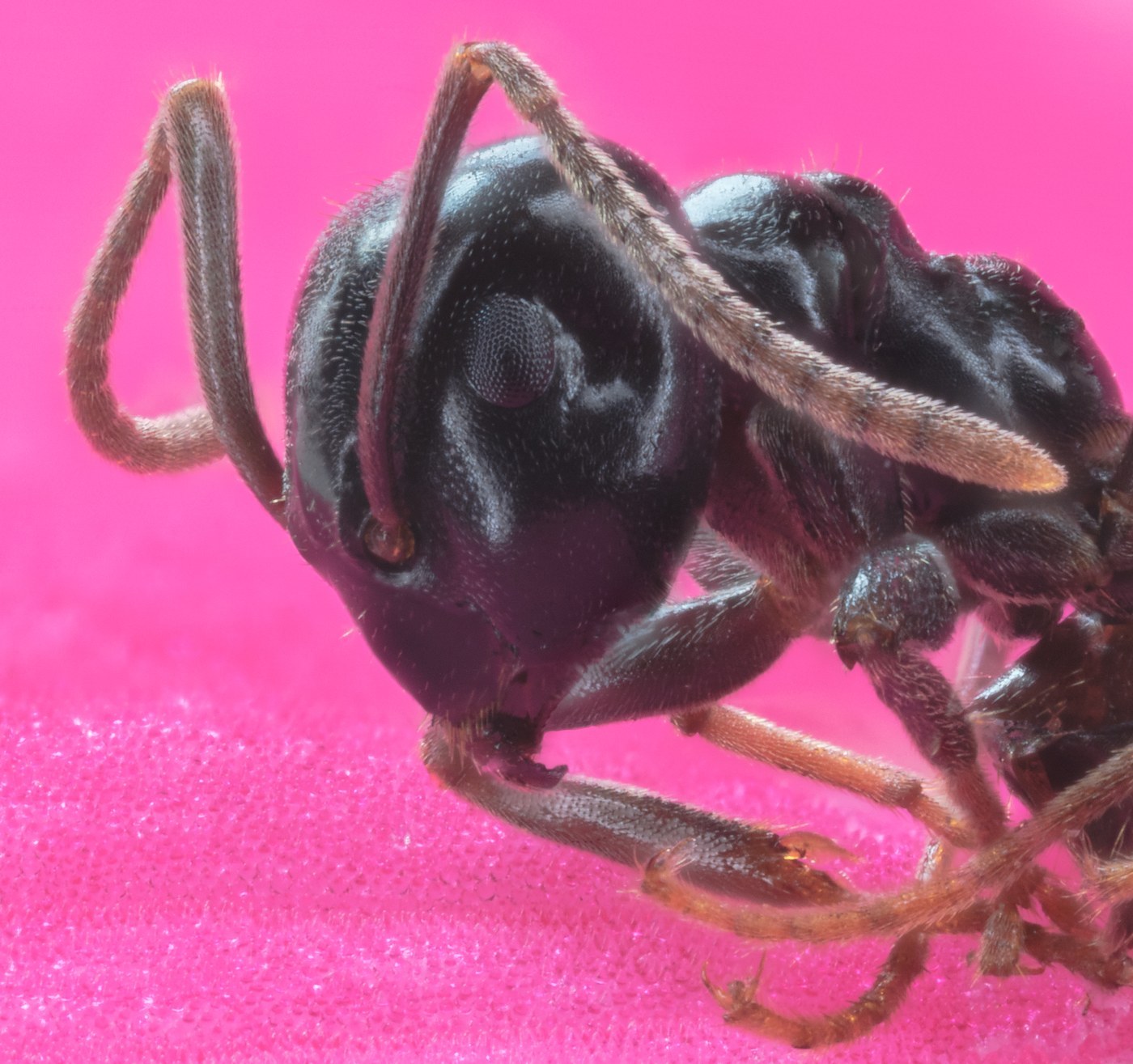
Pharaoh Ant
Warm, humid indoor voids such as wall cavities and heating ducts
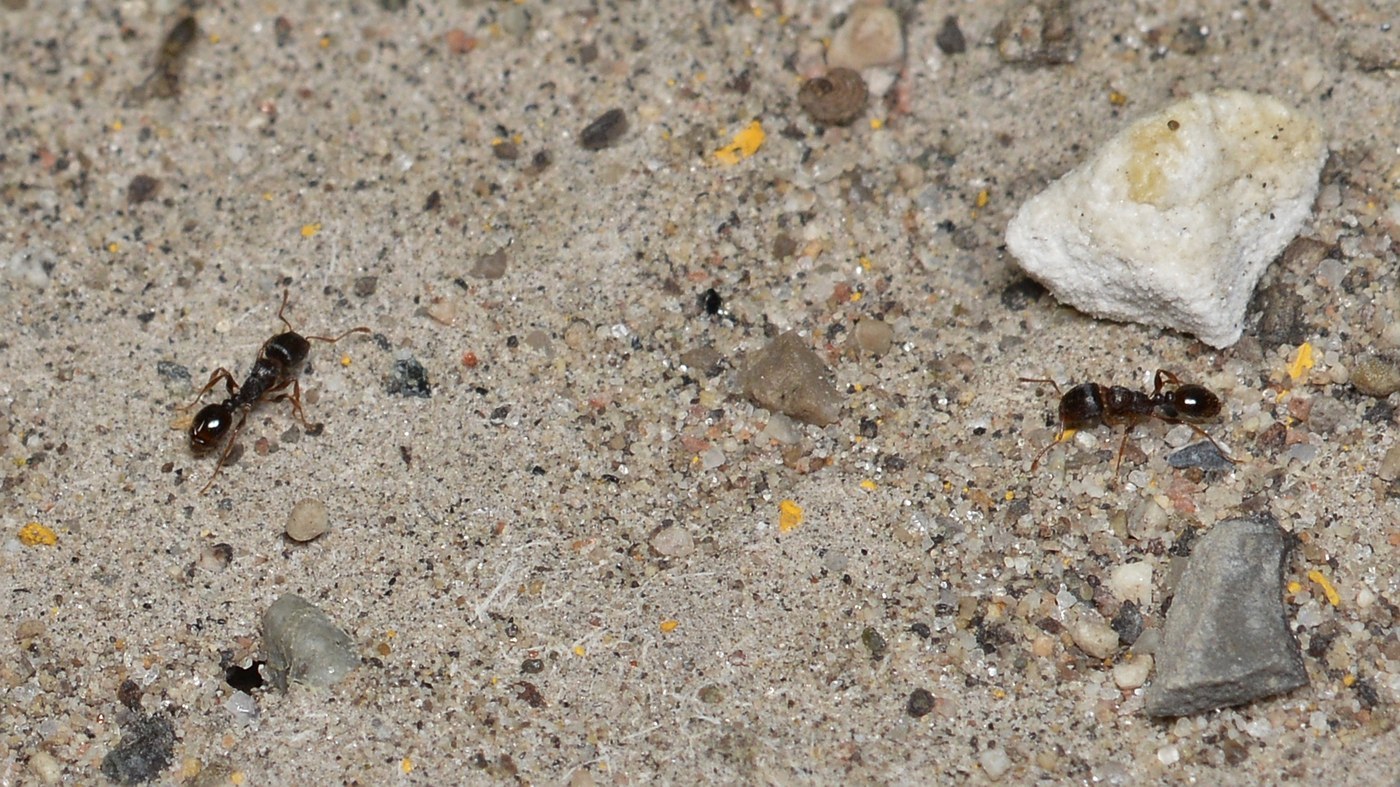
Pavement Ant
Cracks in sidewalks, driveways, and building foundations
Odorous House Ant
Soil, mulch, wall voids, and areas near moisture indoors and out
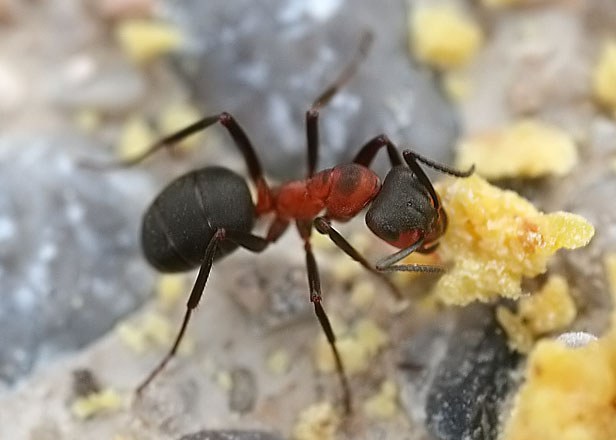
Red Wood Ant
Coniferous and mixed woodland, forest clearings and edges
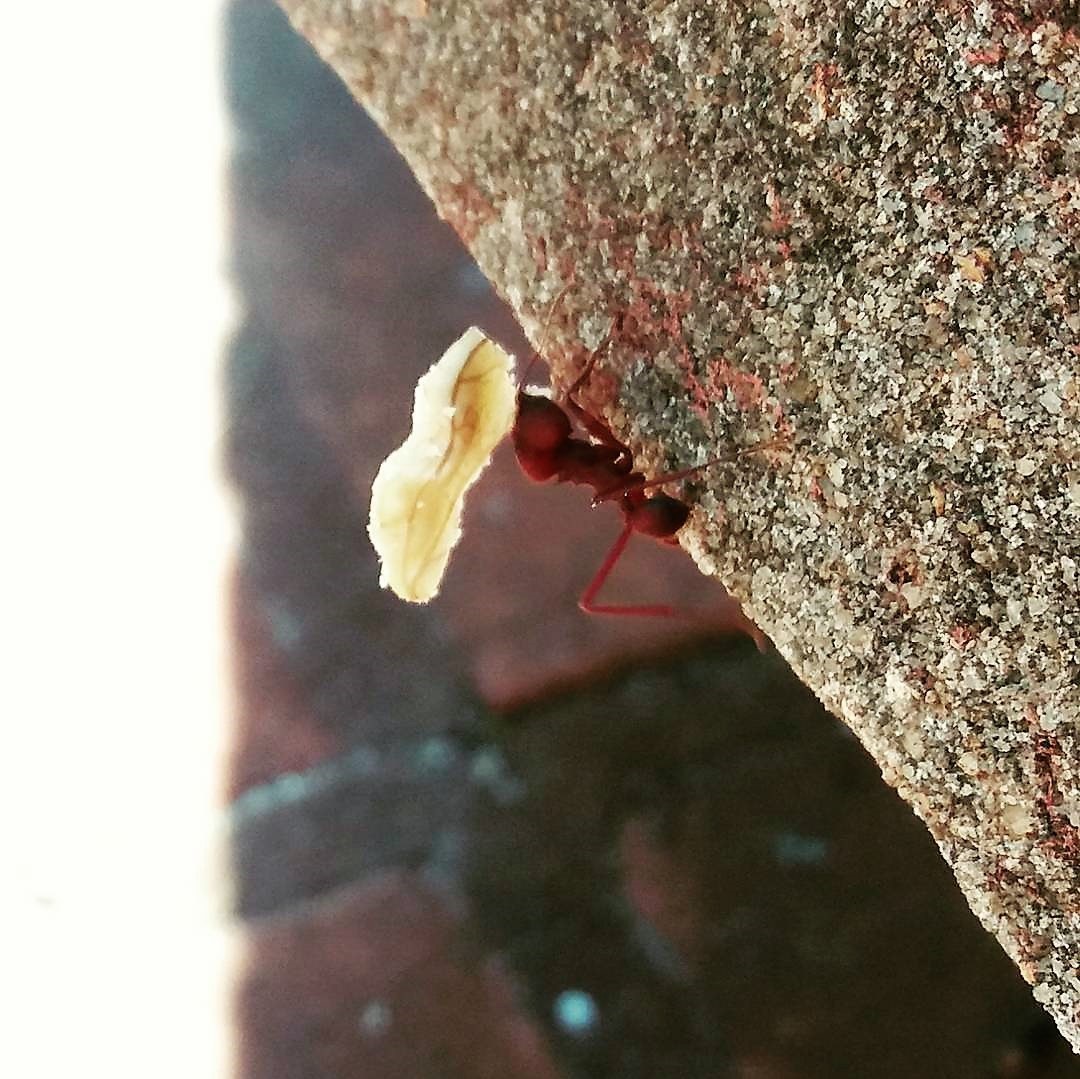
Leafcutter Ant
Tropical and subtropical forests, farmland edges
Little Black Ant
Lawns, gardens, rotting wood, and occasionally indoors
Field Ant
Open fields, meadows, lawns, and woodland edges