
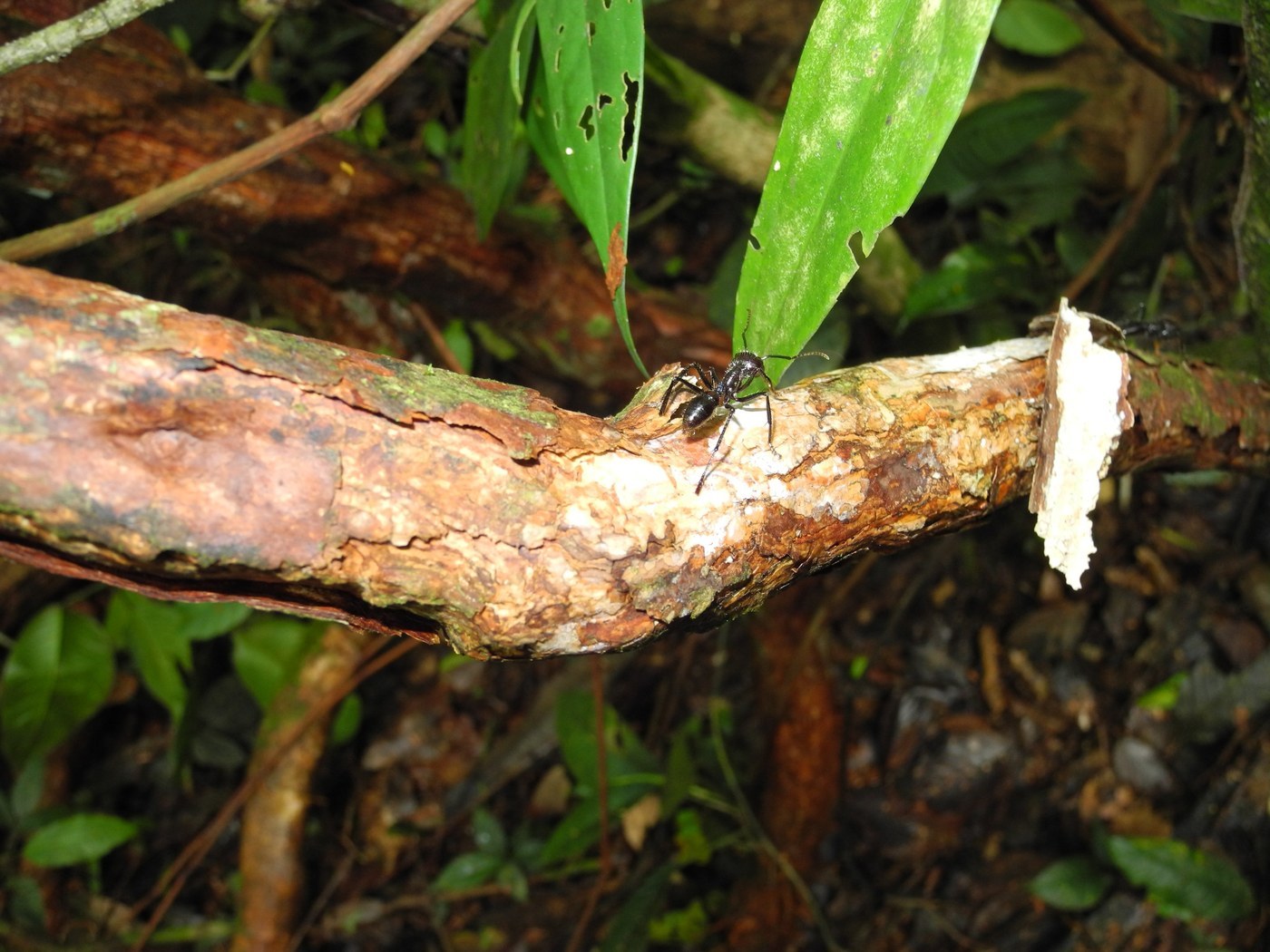
Bullet Ant
Paraponera clavata
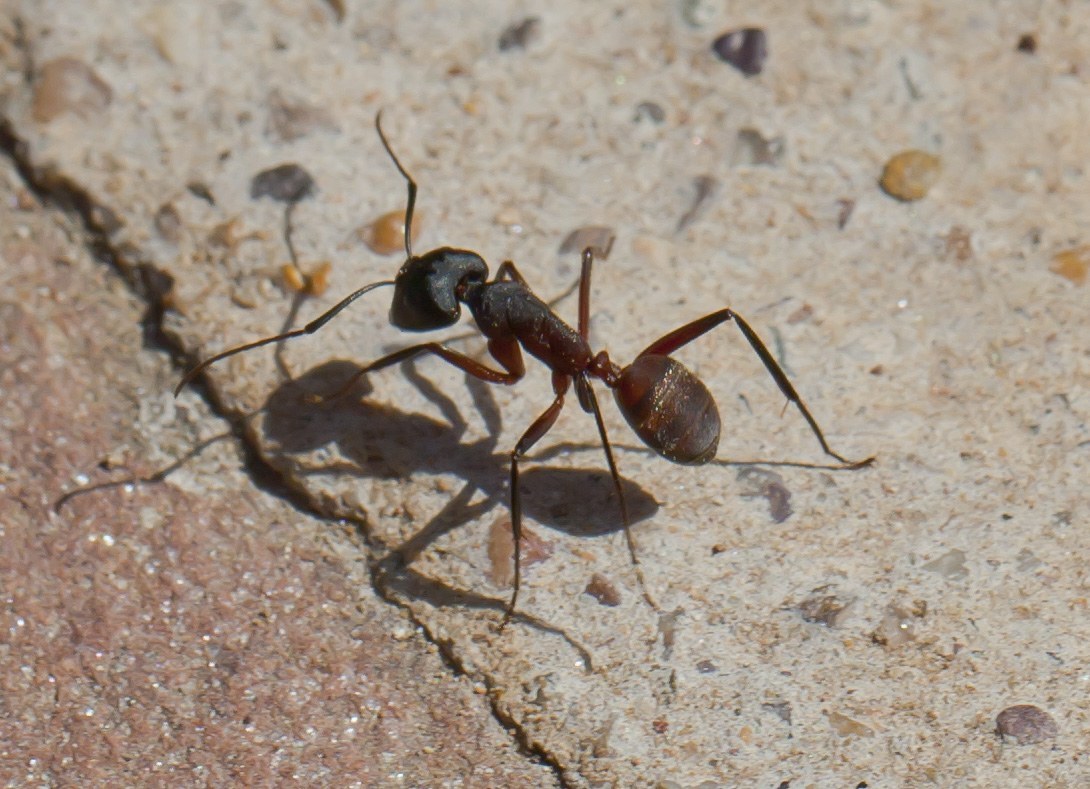
A large, glossy reddish-black rainforest ant, among the biggest ants in the world, that nests at the base of trees and forages individually along trunks and branches of the tropical canopy floor.
- Size
- 18–30 mm
- Habitat
- Lowland tropical rainforest
- Danger
- Stings
Spotted a bug like this?
Identify any bug or insect from a photo, free.
Overview
The bullet ant is a large solitary-foraging ant in the family Formicidae, native to the lowland rainforests of Central and South America. It is one of the biggest ants on Earth by body length and is well known among entomologists and naturalists for its imposing size and its habit of nesting at the base of large rainforest trees.
Colonies are relatively small compared to many other ant species, typically numbering in the hundreds rather than millions, and workers forage individually on the forest floor and up into the lower canopy in search of small invertebrate prey and plant-derived food sources such as nectar. Its common name references its sting, which it can use defensively and while subduing prey, though this is only one of many features that make this ant notable to researchers studying tropical insect ecology.
The bullet ant has also drawn cultural attention through its historical and ceremonial significance among certain Indigenous communities in its native range, and it remains a frequent subject of scientific study regarding chemical ecology and rainforest food webs.
How to Identify
- Large, robust body with a glossy, reddish-black to dark brown exoskeleton.
- Elongated head with strong mandibles and bent (elbowed) antennae typical of ants.
- Distinct narrow waist (petiole) connecting the thorax and abdomen, a defining ant feature.
- Noticeably larger than most other ants encountered in its rainforest habitat, often the largest ant species present at a given site.
- Lookalikes include other large tropical ponerine ants, but the combination of very large size, uniform dark reddish-black coloring, and smooth glossy cuticle helps distinguish this species within its range.
Habitat & Range
Found in lowland tropical rainforests from Nicaragua through much of northern and central South America, including the Amazon basin. Colonies nest in the soil at the base of large trees, and workers forage both on the ground and by climbing tree trunks and low vegetation, active mainly during daylight hours in the humid, shaded understory of the forest.
Behavior & Diet
Bullet ants forage individually rather than in the mass recruitment trails seen in some other ant species, moving methodically along tree trunks and branches in search of small arthropod prey, nectar, and other plant exudates. Workers are known for a notably loud, ringing alarm sound produced through stridulation when disturbed, in addition to their sting used both in prey capture and nest defense. As predators of small invertebrates and as prey themselves for larger rainforest animals, bullet ants occupy a meaningful position within tropical forest food webs.
Life Cycle
A mated queen founds a new colony after a nuptial flight, laying eggs that develop through complete metamorphosis from egg to larva to pupa to adult worker. Colonies remain comparatively small, generally numbering in the low hundreds of individuals, and grow slowly over multiple years as the queen continues to produce new workers. Periodically, mature colonies produce winged males and new queens that disperse to mate and establish additional colonies elsewhere in the forest.
Frequently asked questions
Why is it called the bullet ant?
The common name refers to its sting, which features prominently in folklore and popular accounts of the species.
How big do bullet ants get?
They are among the largest ants in the world, with workers typically reaching around 18 to 30 millimeters in length.
Where would someone encounter a bullet ant?
In lowland tropical rainforests of Central and South America, where they nest at the base of large trees and forage on trunks and low vegetation.
Do bullet ants live in large colonies like other ants?
No, their colonies are relatively small, typically numbering in the hundreds rather than the thousands or millions seen in some other ant species.
Bullet Ant guides
In-depth guides for identifying, understanding, and living alongside Bullet Ant.
Other bugs you may enjoy
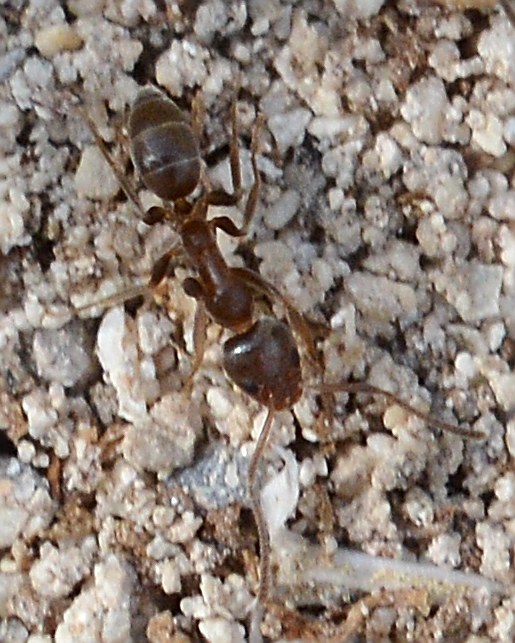
Argentine Ant
Disturbed urban soil, gardens, and building perimeters
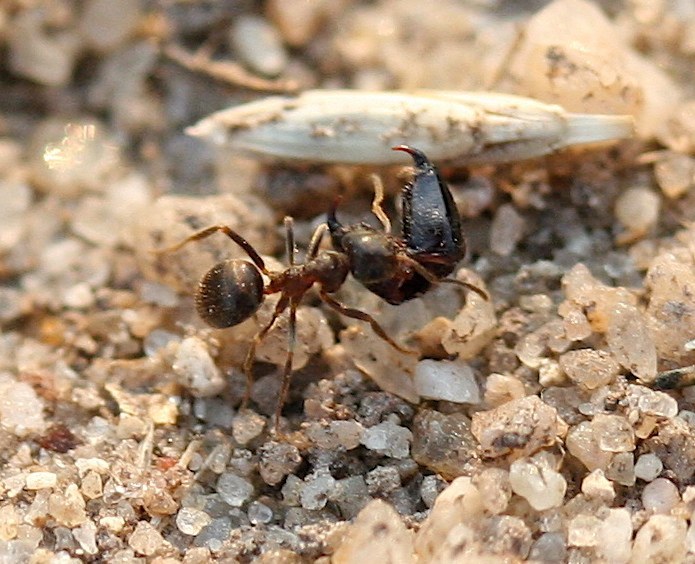
Ant
Gardens, lawns, woodlands, sidewalks, and buildings worldwide
Weaver Ant
Canopy of tropical forests, orchards, and mangroves
Sugar Ant
Gardens, woodlands, and urban areas; nests in soil, timber, or tree hollows
Trap-Jaw Ant
Tropical and subtropical forests, leaf litter, sandy coastal soils
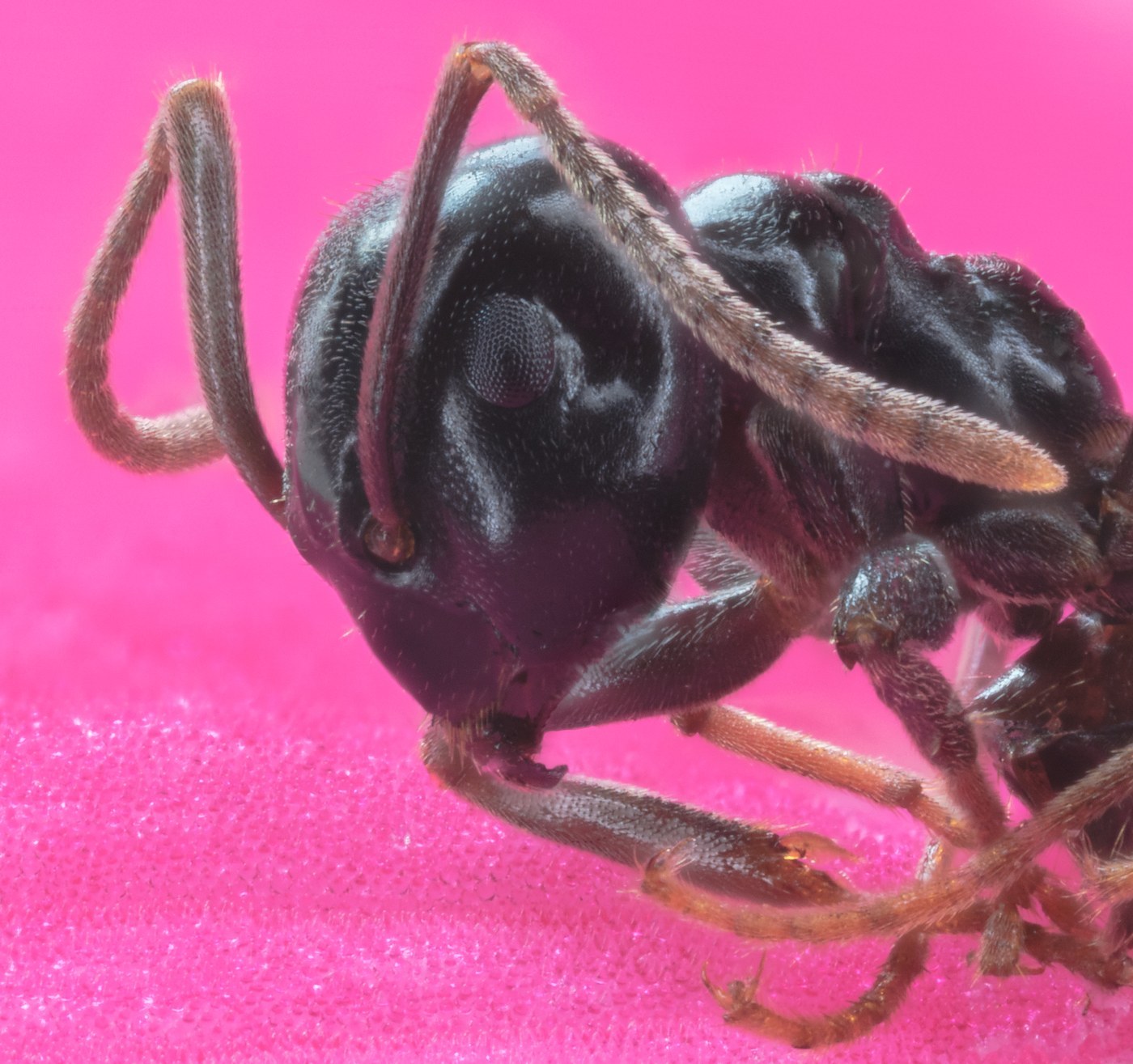
Pharaoh Ant
Warm, humid indoor voids such as wall cavities and heating ducts
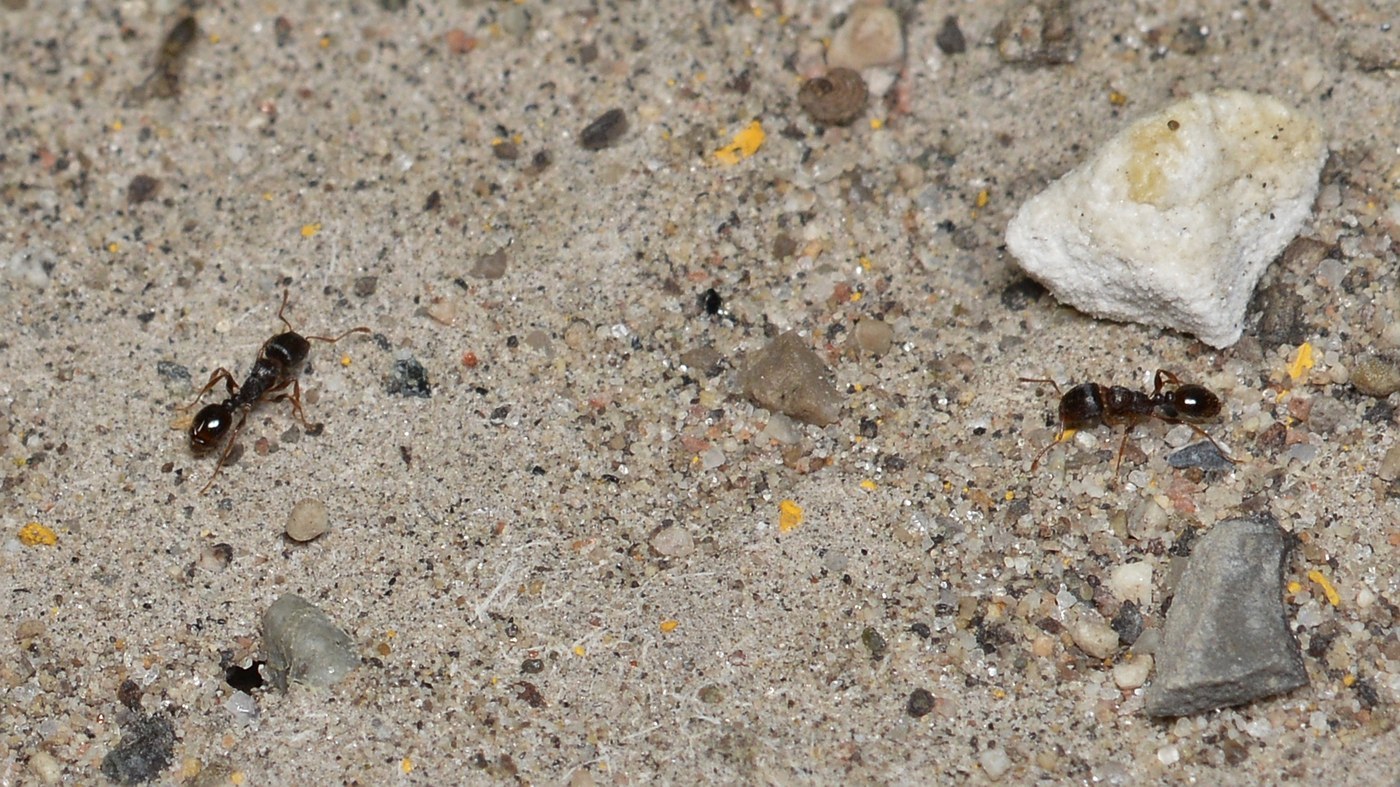
Pavement Ant
Cracks in sidewalks, driveways, and building foundations
Odorous House Ant
Soil, mulch, wall voids, and areas near moisture indoors and out
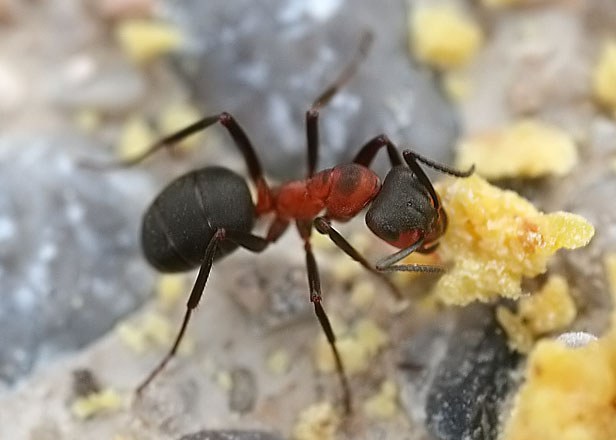
Red Wood Ant
Coniferous and mixed woodland, forest clearings and edges
Harvester Ant
Arid grasslands, deserts, and open sandy areas
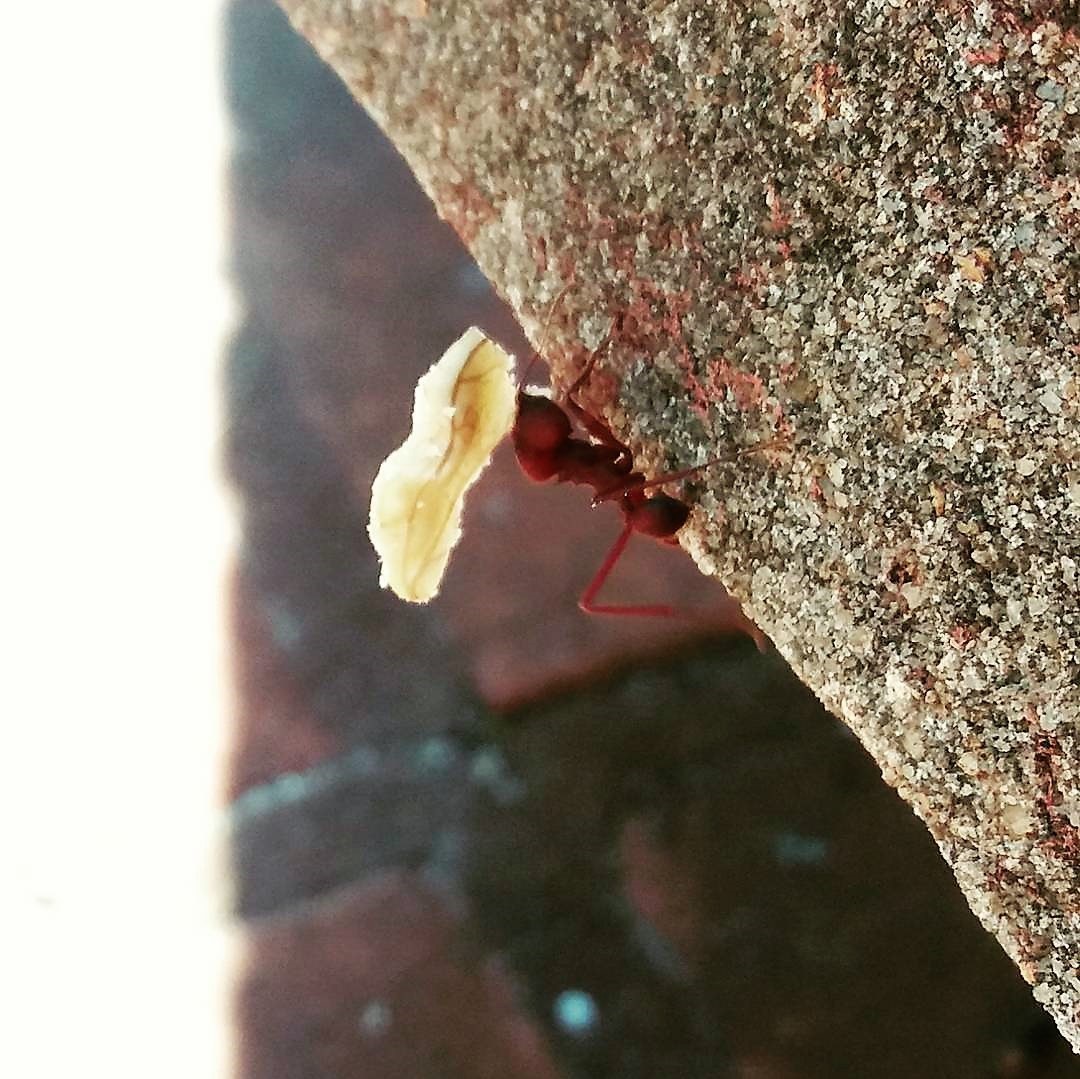
Leafcutter Ant
Tropical and subtropical forests, farmland edges
Little Black Ant
Lawns, gardens, rotting wood, and occasionally indoors