
Fire Ant Queen
Solenopsis invicta
The reproductive powerhouse of a fire ant colony, noticeably larger than the reddish worker ants and equipped with wings before she sheds them to found a new nest.
- Size
- 15–20 mm (queen); 2–6 mm (workers)
- Habitat
- Sunny lawns, pastures, roadsides, mound nests in open ground
- Danger
- Stings
Spotted a bug like this?
Identify any bug or insect from a photo, free.
Overview
The Fire Ant Queen is the reproductive caste of the Red Imported Fire Ant, a small but highly organized social insect in the family Formicidae. While worker fire ants are the ants most people encounter foraging or defending mounds, the queen is the much larger, long-lived individual responsible for laying essentially every egg in the colony.
Fire ants are native to South America but became established and widespread in the southern United States and other warm regions of the world, where their aggressive colony-founding behavior and rapid reproduction have made them a well-known and highly visible ant species.
A single fire ant queen can found a colony that grows to hundreds of thousands of workers, and mature colonies may even support multiple queens depending on the social form of the population, contributing to the species' notable ecological dominance in open, sunny habitats.
How to Identify
- Distinctly larger than worker ants, with a swollen, elongated gaster (abdomen) adapted for continuous egg production.
- Reddish-brown to copper-colored head and thorax with a darker abdomen, similar coloring to workers but on a much bigger scale.
- Before founding a colony, queens have two pairs of wings, which are shed shortly after the mating flight.
- Found deep within the central chambers of a mound, rarely seen above ground except during nuptial flights.
- Lookalikes: newly mated queens of other winged ant species look similar in flight; mound structure and worker ant coloring help confirm identification.
Habitat & Range
Fire ant queens are found within the mounds built by worker ants in open, sunny areas such as lawns, pastures, parks, and roadsides across warm-temperate to subtropical regions, notably the southern United States. Nuptial flights, when new queens leave to mate and found colonies, typically occur on warm, humid days after rain, most often in spring through fall.
Behavior & Diet
After a mating flight, a fire ant queen sheds her wings, digs a small chamber in the soil, and seals herself in to lay her first batch of eggs, living off stored body reserves and her own wing muscles until the first workers emerge. From then on she remains within the nest, tended and fed by workers, and dedicates herself almost entirely to egg-laying, which can continue for several years. Worker ants forage for insects, seeds, and other food to sustain the colony and defend the mound cooperatively.
Life Cycle
Fire ants undergo complete metamorphosis: egg, legless larva, pupa, and adult. A founding queen lays her first eggs alone; the resulting workers then care for all subsequent broods. Colonies grow over months to years, eventually producing winged reproductive males and new queens that leave in nuptial flights to mate and disperse. A mature colony can persist for several years under a long-lived queen, with new queens periodically produced to found additional colonies.
Frequently asked questions
How is a fire ant queen different from a worker?
The queen is much larger, with a swollen abdomen built for egg-laying, while workers are small, wingless foragers that never reproduce.
Do fire ant queens have wings?
Only briefly, before and during their mating flight; they break off their wings once they settle to start a new colony.
How long does a fire ant queen live?
A single queen can remain the reproductive center of a colony for several years, continuously laying eggs.
Where would you actually see a fire ant queen?
Almost never above ground except during a mating flight; otherwise she stays deep inside the central chambers of the mound.
Fire Ant Queen guides
In-depth guides for identifying, understanding, and living alongside Fire Ant Queen.
Fire Ant Queen identified by the community
Real finds identified with Bug Identifier.
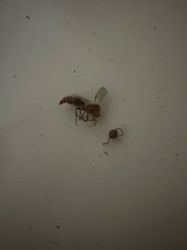
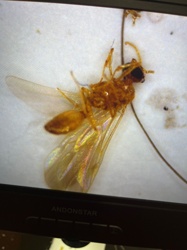
Other bugs you may enjoy
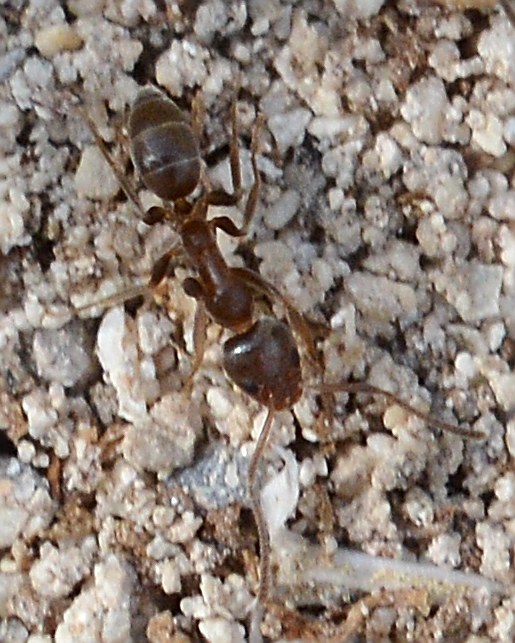
Argentine Ant
Disturbed urban soil, gardens, and building perimeters
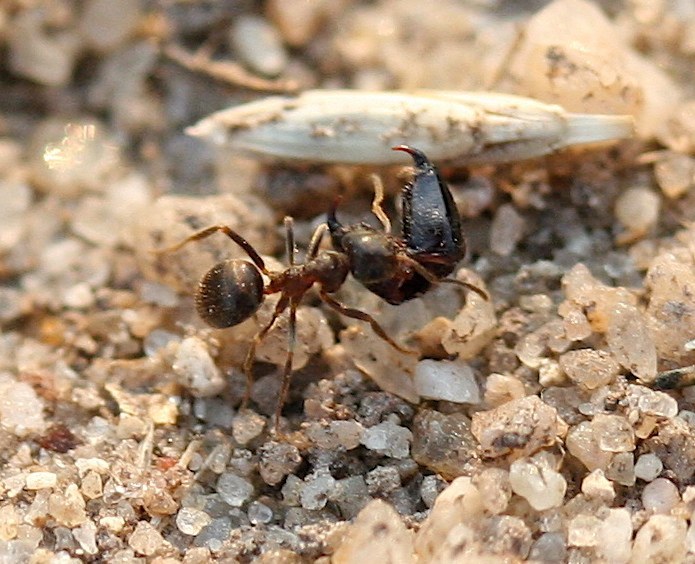
Ant
Gardens, lawns, woodlands, sidewalks, and buildings worldwide
Weaver Ant
Canopy of tropical forests, orchards, and mangroves
Sugar Ant
Gardens, woodlands, and urban areas; nests in soil, timber, or tree hollows
Trap-Jaw Ant
Tropical and subtropical forests, leaf litter, sandy coastal soils
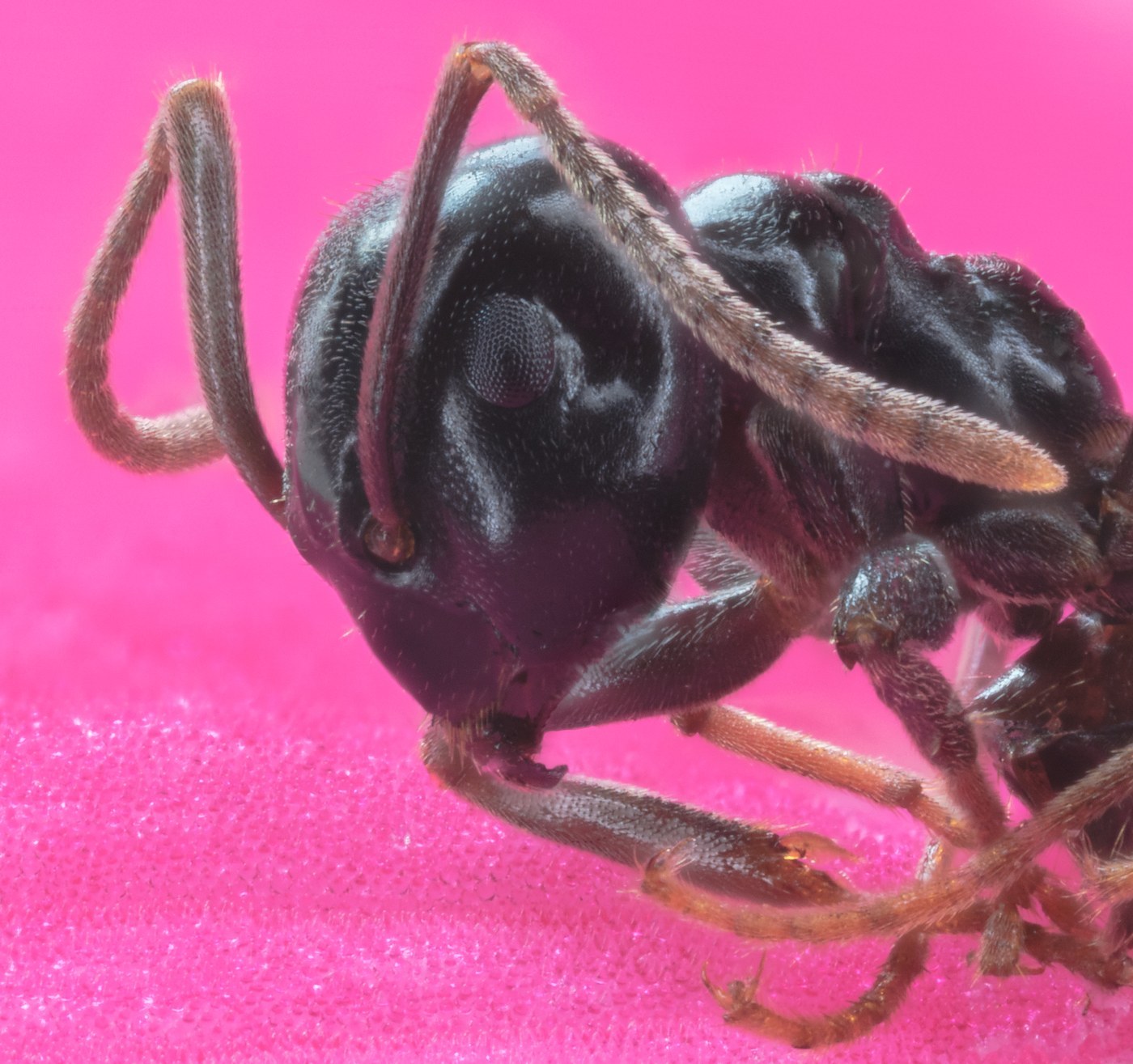
Pharaoh Ant
Warm, humid indoor voids such as wall cavities and heating ducts
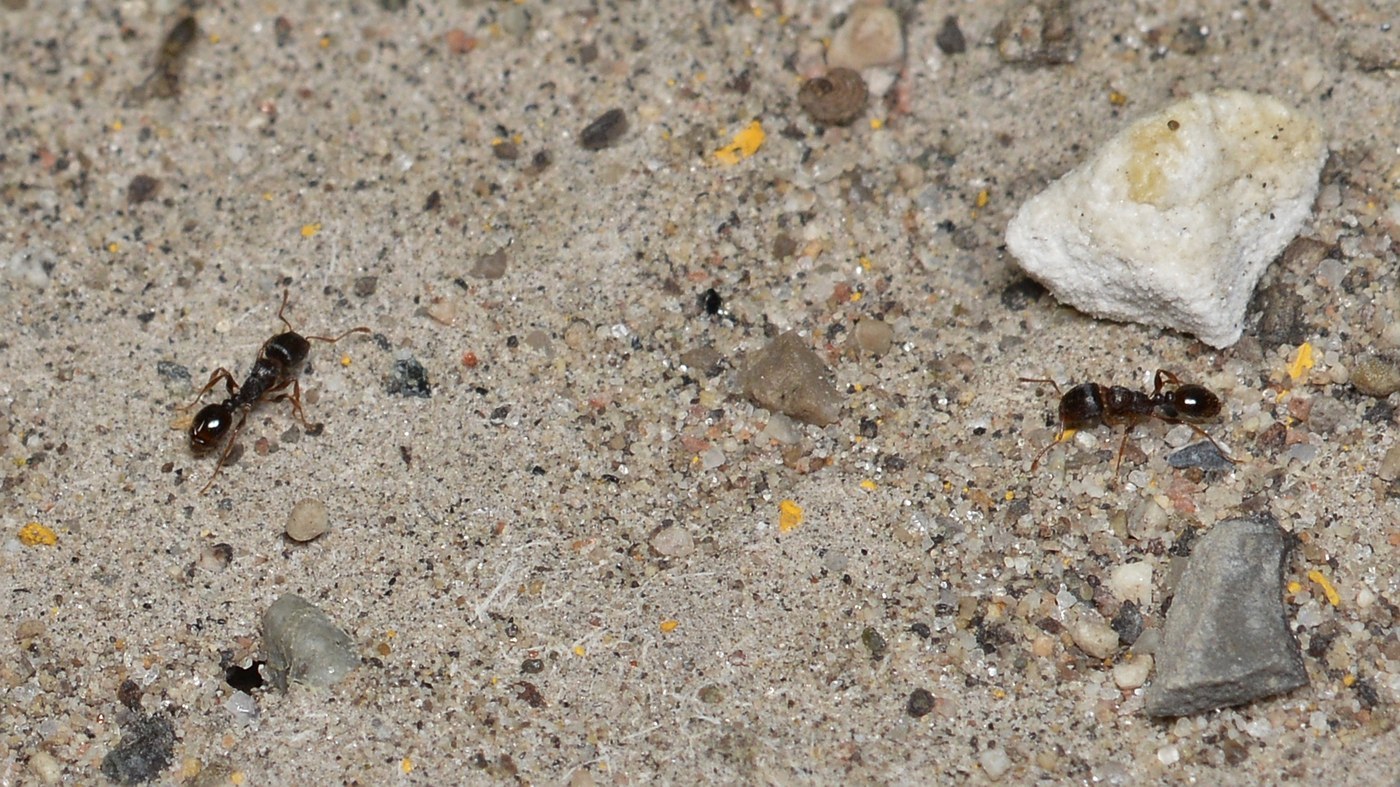
Pavement Ant
Cracks in sidewalks, driveways, and building foundations
Odorous House Ant
Soil, mulch, wall voids, and areas near moisture indoors and out
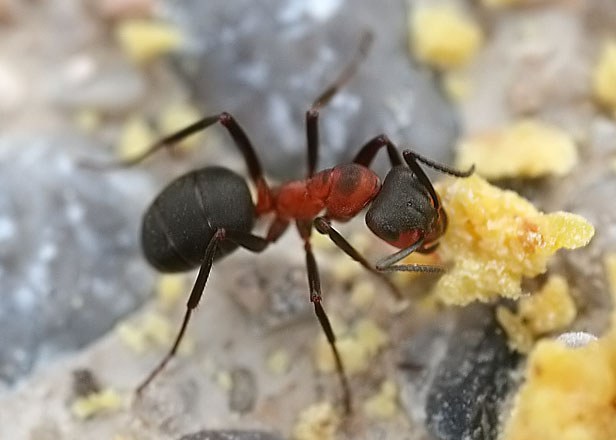
Red Wood Ant
Coniferous and mixed woodland, forest clearings and edges
Harvester Ant
Arid grasslands, deserts, and open sandy areas
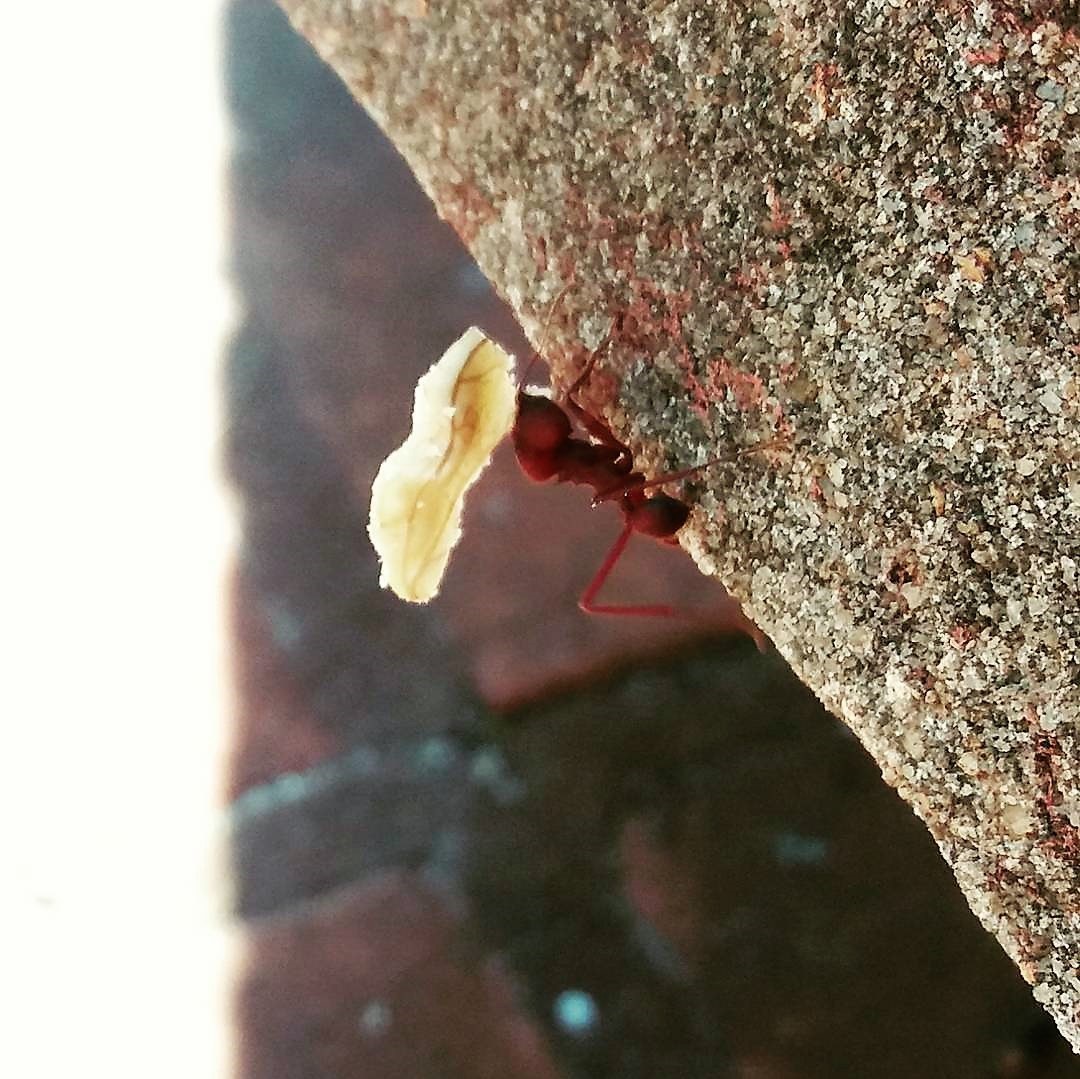
Leafcutter Ant
Tropical and subtropical forests, farmland edges
Little Black Ant
Lawns, gardens, rotting wood, and occasionally indoors