
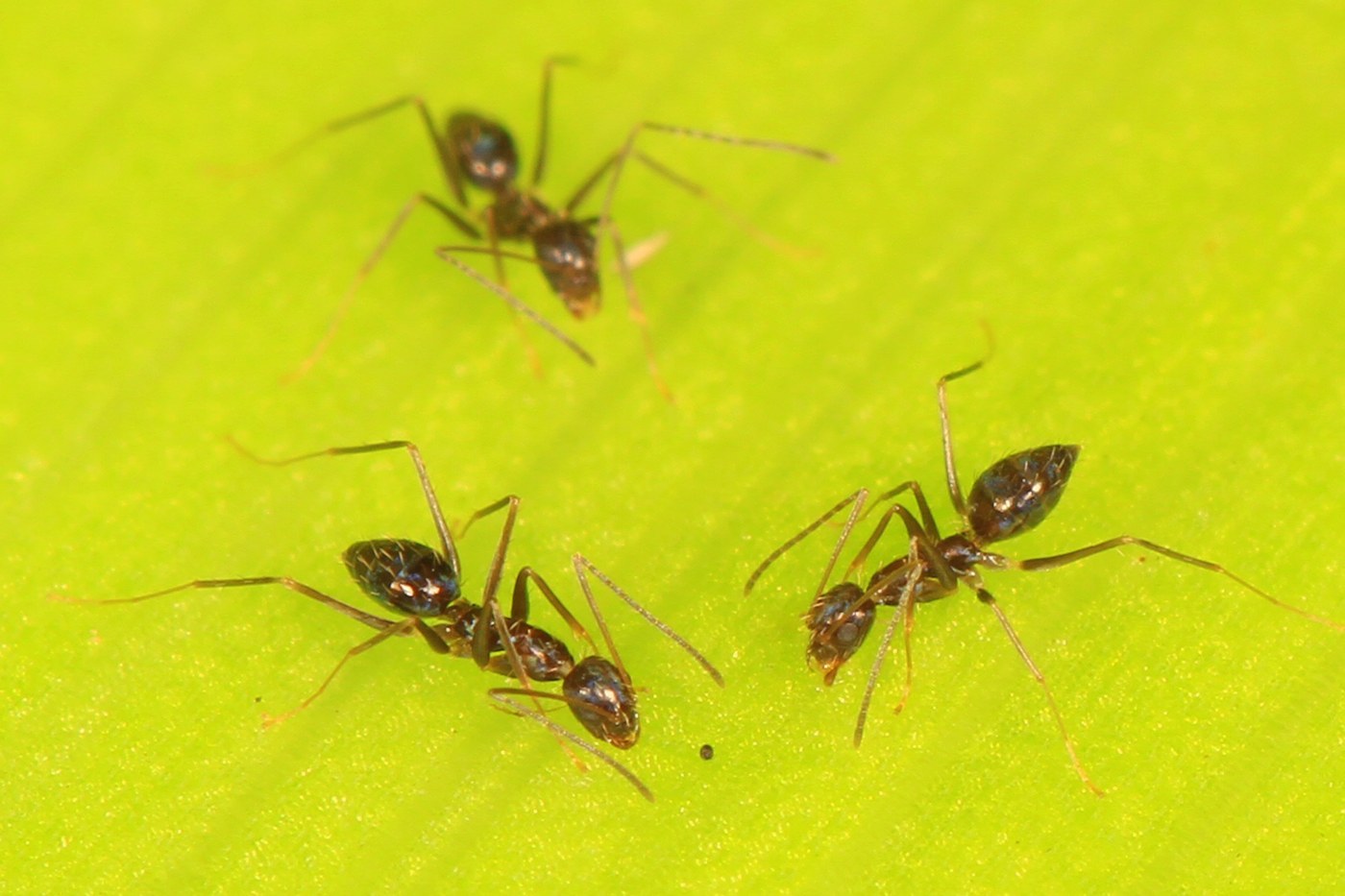
Crazy Ant
Paratrechina longicornis
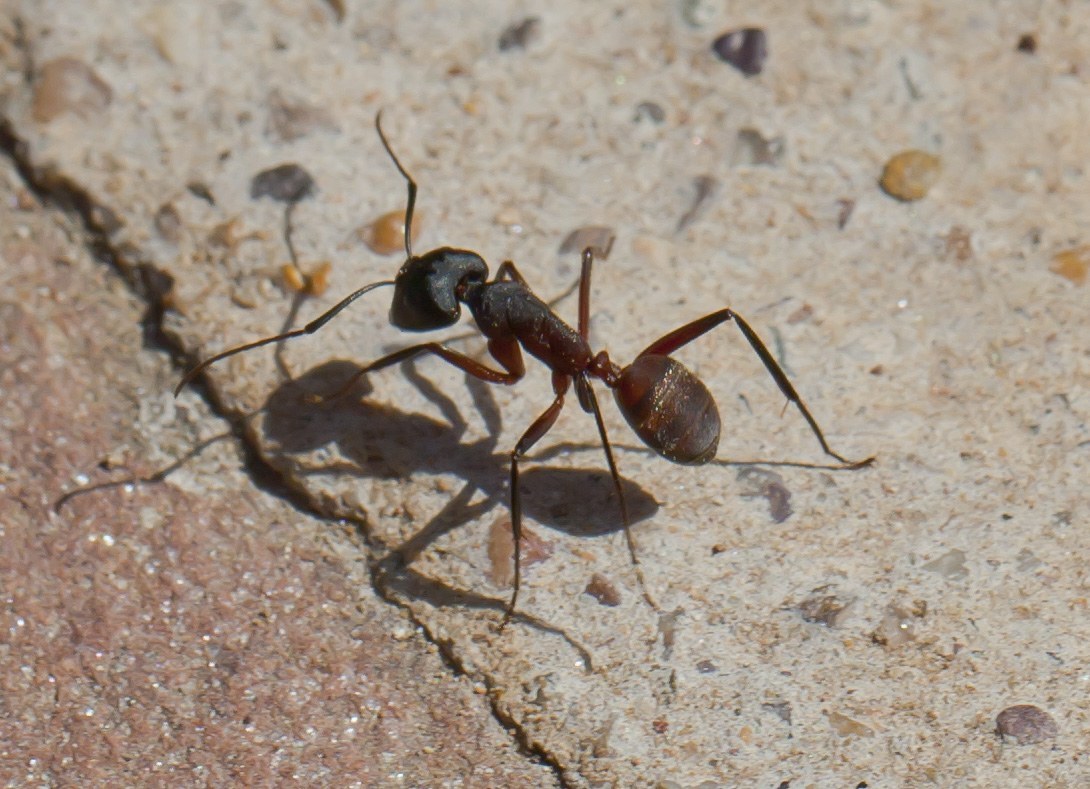
A fast-moving, long-legged ant instantly recognizable by its erratic, non-stop scurrying in every direction rather than the orderly trails followed by most other ants.
- Size
- Workers about 2.3-3 mm long
- Habitat
- Disturbed soils, urban areas, and greenhouses in tropical and subtropical regions
- Danger
- Nuisance pest
Spotted a bug like this?
Identify any bug or insect from a photo, free.
Overview
The crazy ant, most often referring to the longhorn crazy ant, is a small, dark ant of uncertain original origin, likely somewhere in Africa or Asia, that has since spread to tropical and subtropical regions worldwide through global trade and transport. Its exceptionally long legs and antennae, combined with an unmistakable, seemingly random running pattern, give the species its common name.
Unlike the deliberate, straight-line foraging trails of many other ants, crazy ants move in quick, erratic bursts, frequently changing direction without any obvious pattern, which makes them easy to distinguish from other small household and garden ants at a glance.
A related species, the tawny crazy ant (Nylanderia fulva), native to South America, has become notorious in parts of the southeastern United States for forming extremely dense populations that can displace other ant species, including introduced fire ants, from invaded areas, though it is a distinct species from the longhorn crazy ant.
How to Identify
- Small workers, about 2.3-3 mm long
- Dark brown to black body with a faint bluish-gray sheen
- Exceptionally long legs and antennae relative to body size, a key identification feature
- No stinger; defends by spraying formic acid
- Distinctive erratic, non-linear running pattern rather than following straight foraging trails
- The related tawny crazy ant is somewhat larger and reddish-brown, forming extremely dense outdoor populations
Habitat & Range
Crazy ants are found throughout tropical and subtropical regions worldwide, including much of the southern United States, and are common in disturbed urban environments, greenhouses, gardens, and around building foundations. Colonies nest in a wide variety of sites, including soil, leaf litter, mulch, potted plants, and wall voids, showing little preference for any single nest type.
Behavior & Diet
These ants are omnivorous scavengers, feeding on a broad range of foods including other insects, sweets, and greasy substances. Their defining behavioral trait is their rapid, erratic movement pattern, darting in seemingly random directions rather than following the organized scent trails typical of most ant species. Colonies are polygynous and spread readily through budding, allowing populations to expand quickly, particularly around human structures and transported goods and plants.
Life Cycle
Crazy ants develop through complete metamorphosis, passing through egg, larva, pupa, and adult stages. Colonies contain multiple queens and reproduce largely through budding rather than dramatic winged mating swarms, allowing rapid, continuous population growth in warm, humid climates where brood production can continue for much of the year.
Frequently asked questions
Why is it called a crazy ant?
It moves in quick, erratic bursts and constantly changes direction rather than following the straight scent trails typical of most other ants.
How do I tell a crazy ant from other small ants?
Look for unusually long legs and antennae relative to its body size, combined with its characteristic fast, unpredictable running pattern.
Is the crazy ant the same as the tawny crazy ant?
No, they are related but distinct species; the tawny crazy ant is a separate, reddish-brown species native to South America known for forming very dense populations.
Do crazy ants sting?
No, they lack a stinger and instead rely on biting and spraying formic acid for defense.
Crazy Ant guides
In-depth guides for identifying, understanding, and living alongside Crazy Ant.
Other bugs you may enjoy
Argentine Ant
Disturbed urban soil, gardens, and building perimeters
Ant
Gardens, lawns, woodlands, sidewalks, and buildings worldwide
Weaver Ant
Canopy of tropical forests, orchards, and mangroves
Sugar Ant
Gardens, woodlands, and urban areas; nests in soil, timber, or tree hollows
Trap-Jaw Ant
Tropical and subtropical forests, leaf litter, sandy coastal soils
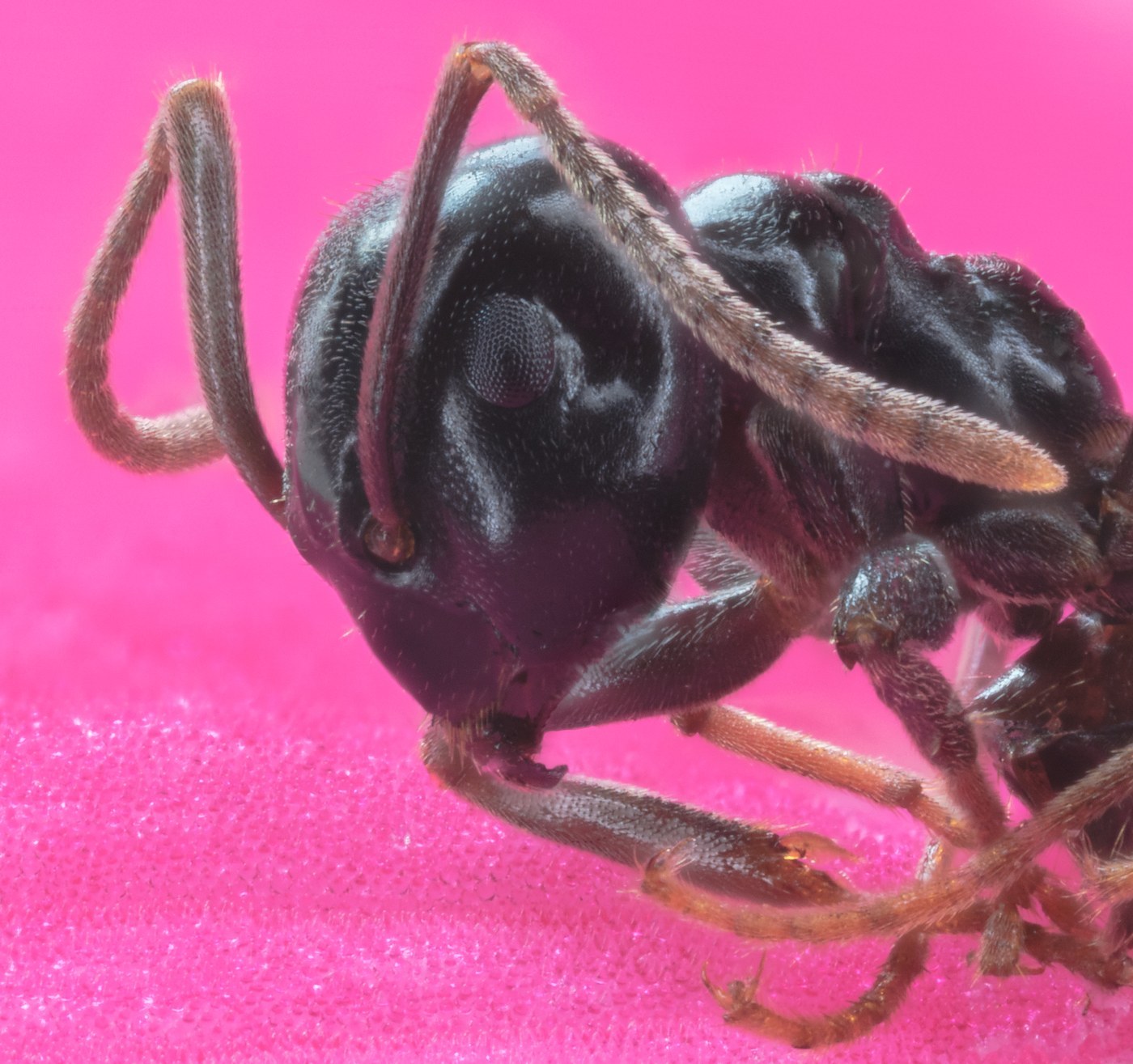
Pharaoh Ant
Warm, humid indoor voids such as wall cavities and heating ducts
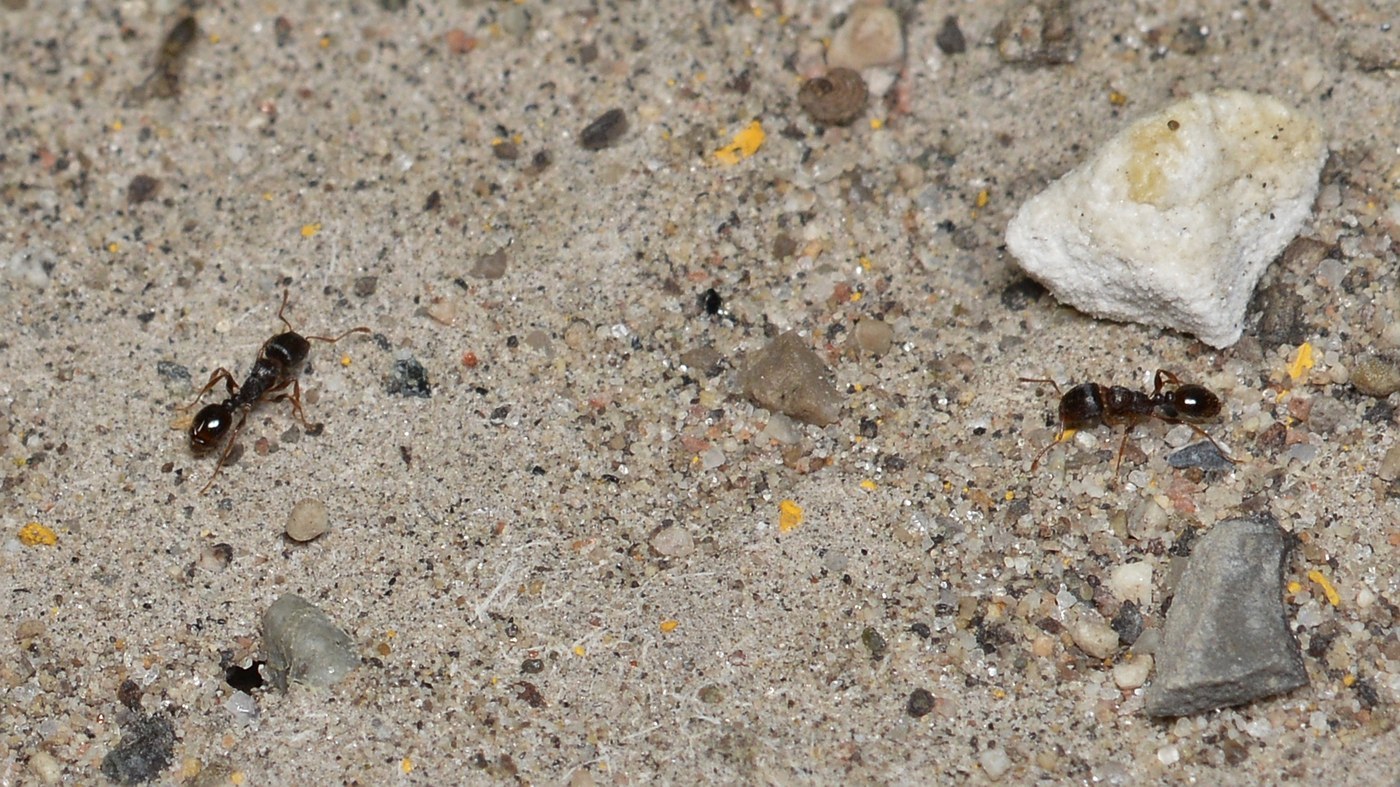
Pavement Ant
Cracks in sidewalks, driveways, and building foundations
Odorous House Ant
Soil, mulch, wall voids, and areas near moisture indoors and out
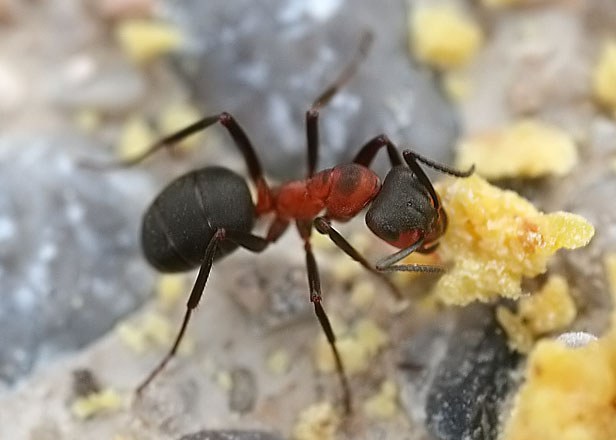
Red Wood Ant
Coniferous and mixed woodland, forest clearings and edges
Harvester Ant
Arid grasslands, deserts, and open sandy areas
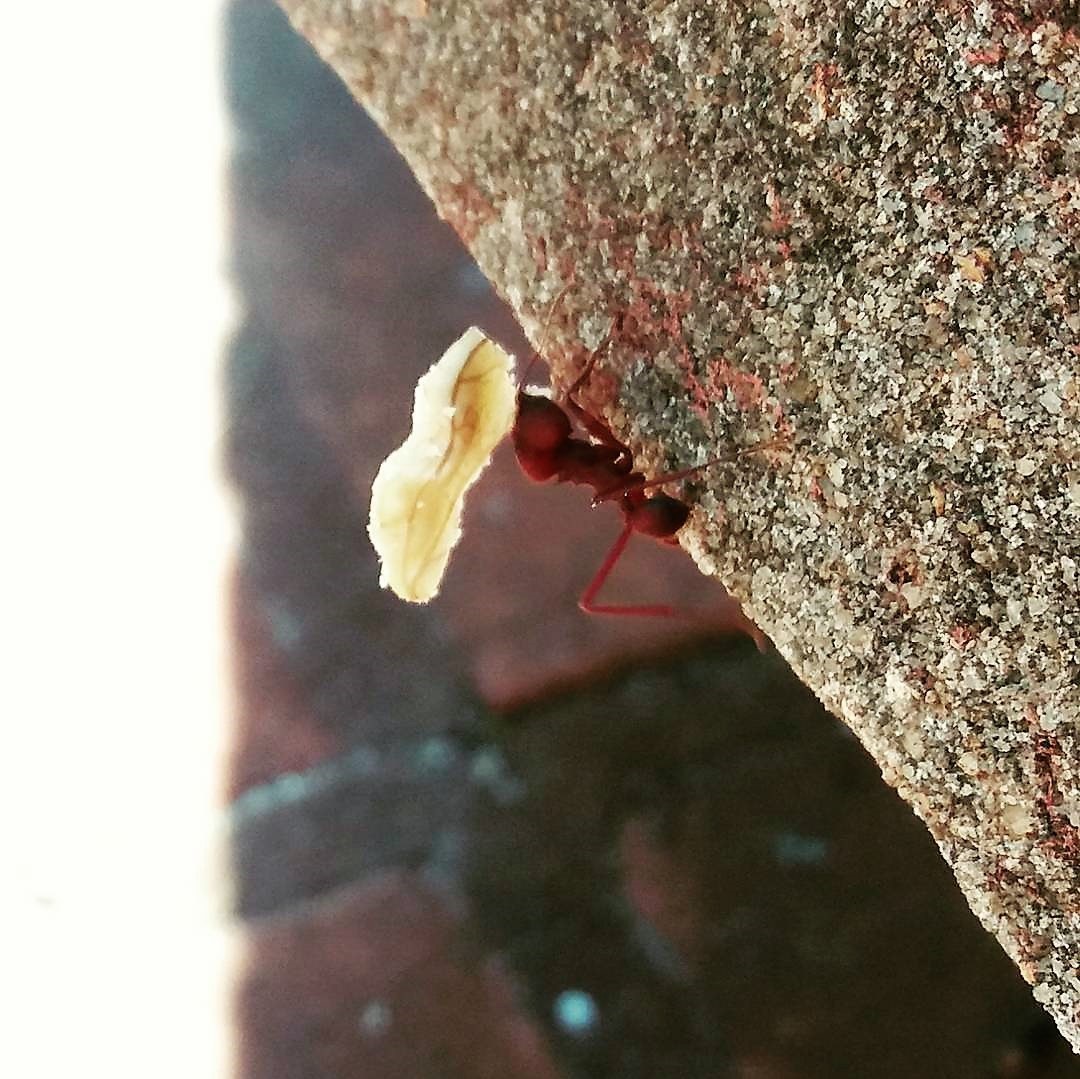
Leafcutter Ant
Tropical and subtropical forests, farmland edges
Little Black Ant
Lawns, gardens, rotting wood, and occasionally indoors