
House Ant
Tapinoma sessile
A small, dark brown to black ant that forages in loose trails along countertops and baseboards and releases a distinctive rotten-coconut smell when crushed.
- Size
- Workers 2.4–3.2 mm long
- Habitat
- Gardens, forests, and buildings across North America
- Danger
- Nuisance pest
Spotted a bug like this?
Identify any bug or insect from a photo, free.
Overview
The term "house ant" is commonly applied to small ants that regularly forage indoors in search of food and moisture, and in much of North America this role is filled especially often by the odorous house ant. This species is a highly adaptable, native ant found across a wide range of natural habitats, from forests and grasslands to gardens, that also readily moves into and around buildings when conditions favor it.
Colonies are known for their flexible nesting habits and their tendency to relocate quickly in response to disturbance or changing conditions, often establishing new satellite nests nearby. This adaptability, combined with a broad diet, allows the species to persist successfully in both natural areas and human-altered environments.
Ecologically, these ants are generalist scavengers and predators, feeding on a mix of sugary substances, insect prey, and other organic matter, and they interact with a variety of other insects, including tending honeydew-producing aphids in gardens and landscapes.
How to Identify
- Workers are small, roughly 2.4–3.2 mm long, uniformly dark brown to black
- Single-segmented waist (petiole) that is often hidden from above by the abdomen, a helpful identification trait
- When crushed, releases a distinctive smell often compared to rotten coconut
- Colonies can be very large with multiple queens and satellite nests
- Forms visible foraging trails, often along countertops, baseboards, or outdoor pathways, especially after rain
- Similar in size to some other small household ants, but the coconut-like odor when crushed is a distinguishing trait
Habitat & Range
This ant is found throughout much of North America, in a wide variety of habitats including forests, fields, gardens, and urban and suburban areas. Colonies nest in a range of locations such as under rocks, logs, mulch, leaf litter, and within wall voids or other sheltered spots in and around buildings. Foraging activity often increases indoors during periods of heavy rain or drought, when ants seek stable food, moisture, or shelter conditions.
Behavior & Diet
These ants forage in loose, sometimes erratic trails, following each other using chemical scent trails to locate food sources. Their diet is broad, including sugary substances such as nectar and honeydew produced by aphids and other sap-feeding insects, as well as proteins from insect prey and various household food scraps. Colonies are notable for being highly adaptable, frequently splitting into multiple interconnected nests and relocating readily in response to disturbance, moisture changes, or food availability. In gardens, their habit of tending honeydew-producing insects links them into broader plant-insect relationships within the ecosystem.
Life Cycle
Colonies are founded by one or more queens, and the ants that follow develop through complete metamorphosis, with eggs hatching into legless larvae that are fed and tended by worker ants. Larvae pass through several instars before spinning around themselves or forming a naked pupal stage, depending on the species, eventually emerging as adult workers. A single colony can contain multiple reproductive queens and thousands of workers, allowing rapid colony growth and the establishment of satellite nests. Reproductive winged males and females are produced periodically and leave the nest to mate and found new colonies, with colony activity generally peaking during the warmer months of the year.
Frequently asked questions
Why is it sometimes called the odorous house ant?
It releases a smell often described as similar to rotten coconut when its body is crushed.
What do these ants eat?
They have a broad diet including sugary substances like nectar and honeydew, insect prey, and various organic food scraps.
Why do house ants sometimes appear indoors after rain?
Heavy rain can flood outdoor nests, prompting ants to move indoors temporarily in search of dry shelter and stable food sources.
How can I recognize this ant's waist?
It has a single-segmented waist that is often hidden from above by the ant's abdomen, a helpful trait for identification.
House Ant guides
In-depth guides for identifying, understanding, and living alongside House Ant.
Other bugs you may enjoy
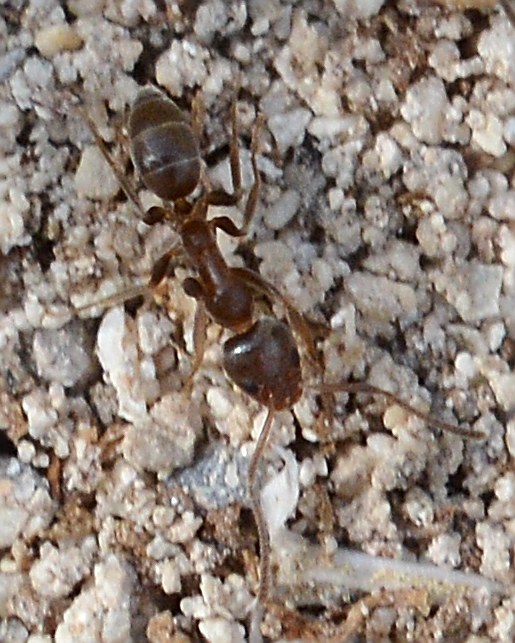
Argentine Ant
Disturbed urban soil, gardens, and building perimeters
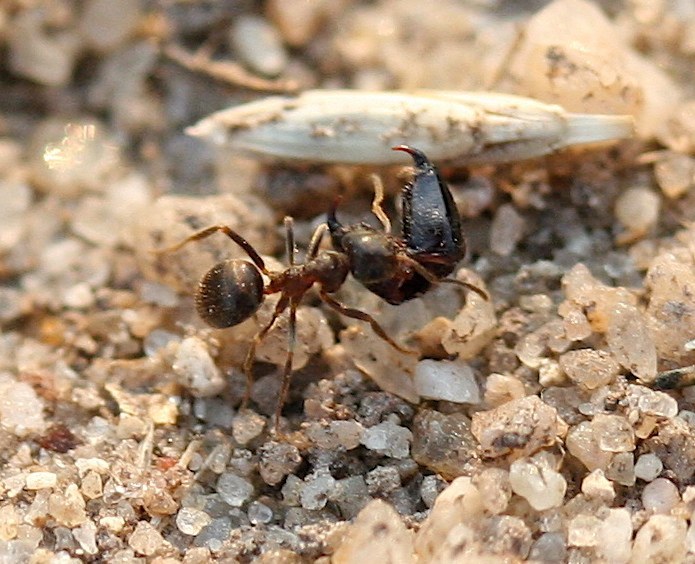
Ant
Gardens, lawns, woodlands, sidewalks, and buildings worldwide
Weaver Ant
Canopy of tropical forests, orchards, and mangroves
Sugar Ant
Gardens, woodlands, and urban areas; nests in soil, timber, or tree hollows
Trap-Jaw Ant
Tropical and subtropical forests, leaf litter, sandy coastal soils
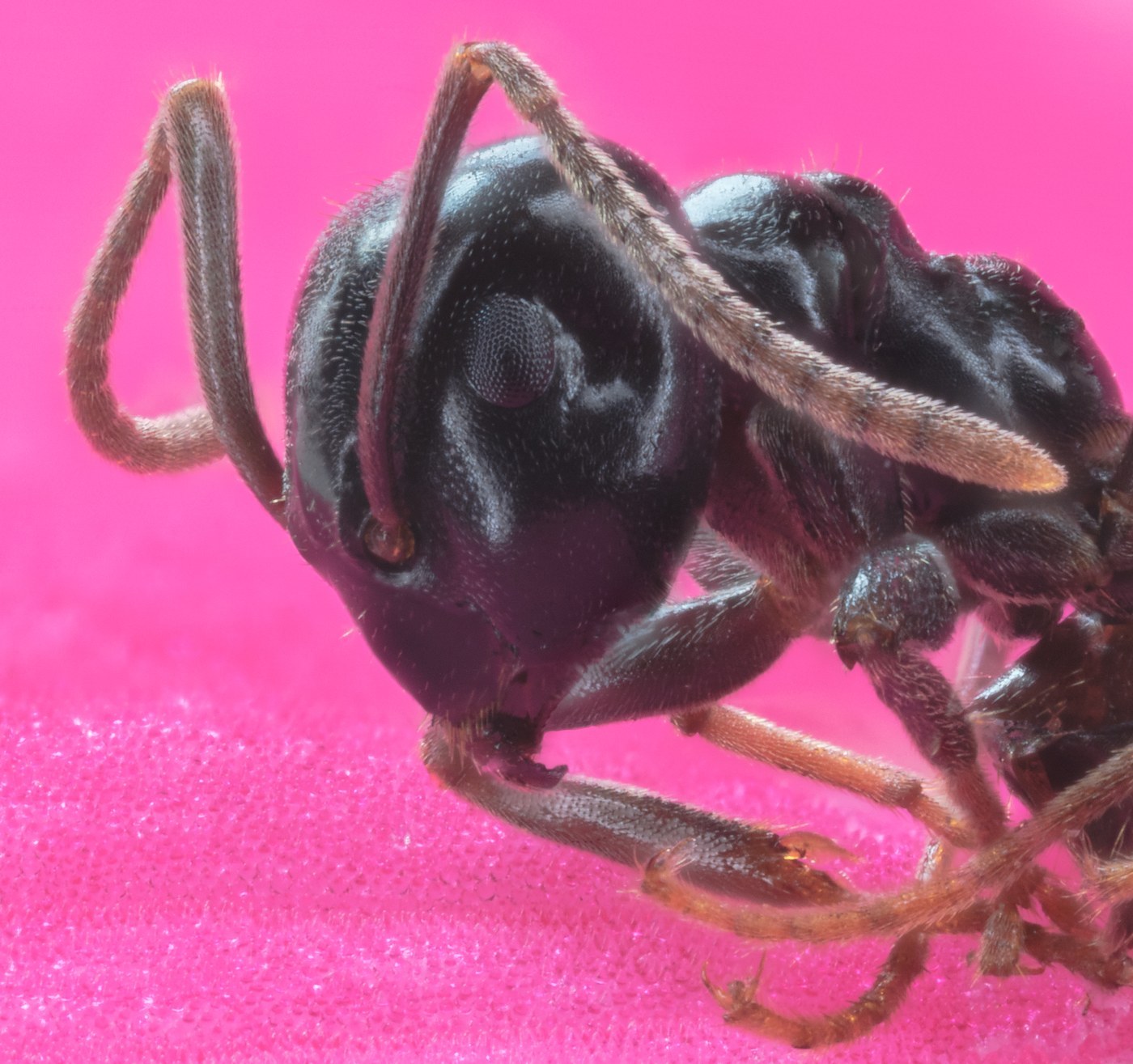
Pharaoh Ant
Warm, humid indoor voids such as wall cavities and heating ducts
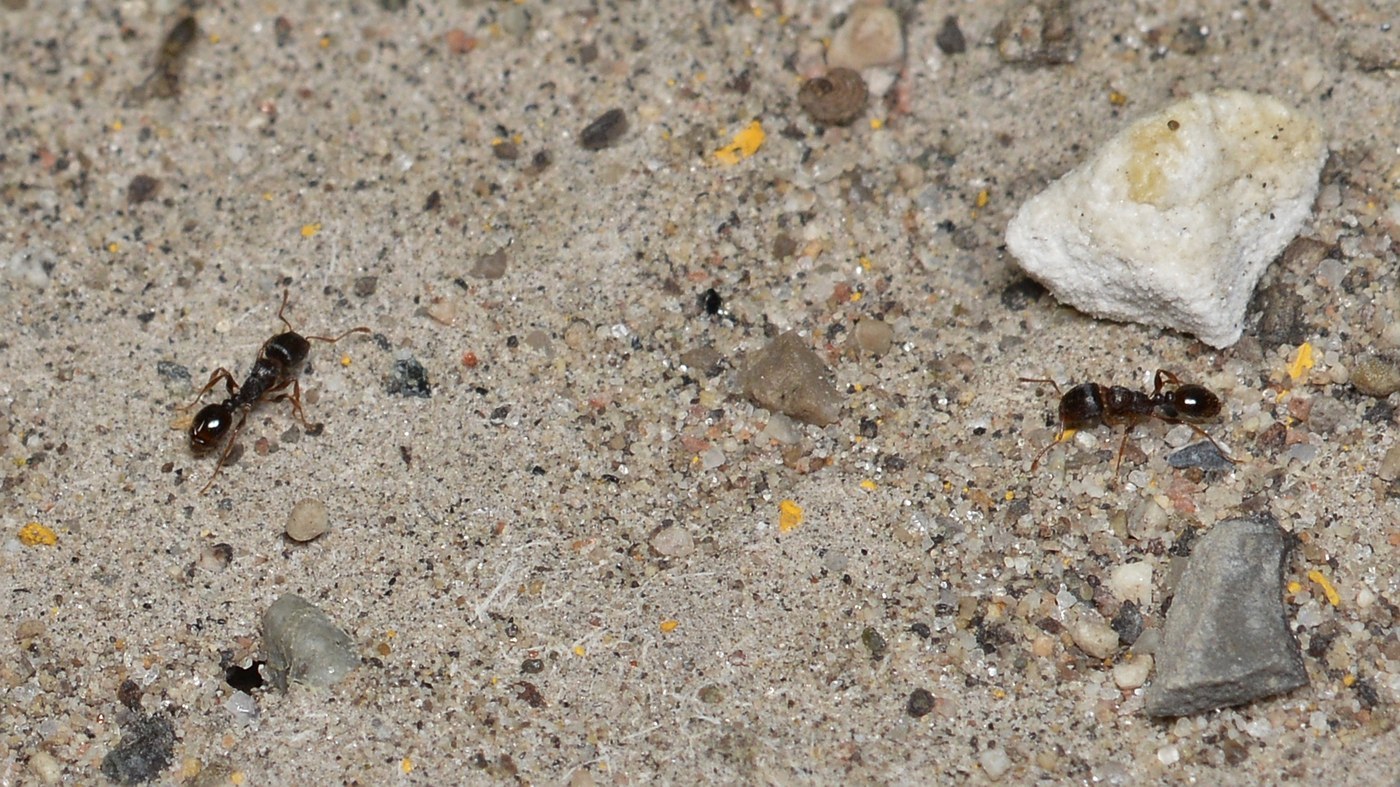
Pavement Ant
Cracks in sidewalks, driveways, and building foundations
Odorous House Ant
Soil, mulch, wall voids, and areas near moisture indoors and out
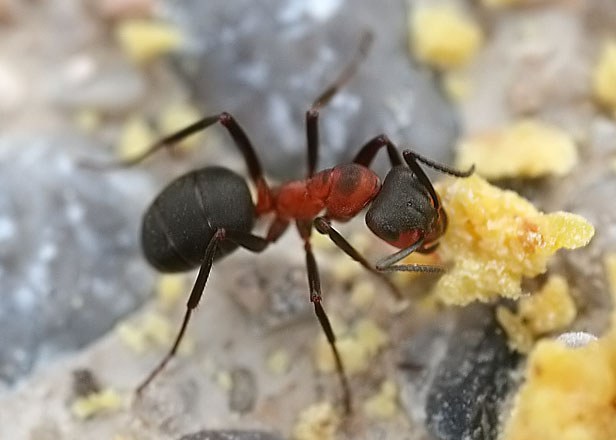
Red Wood Ant
Coniferous and mixed woodland, forest clearings and edges
Harvester Ant
Arid grasslands, deserts, and open sandy areas
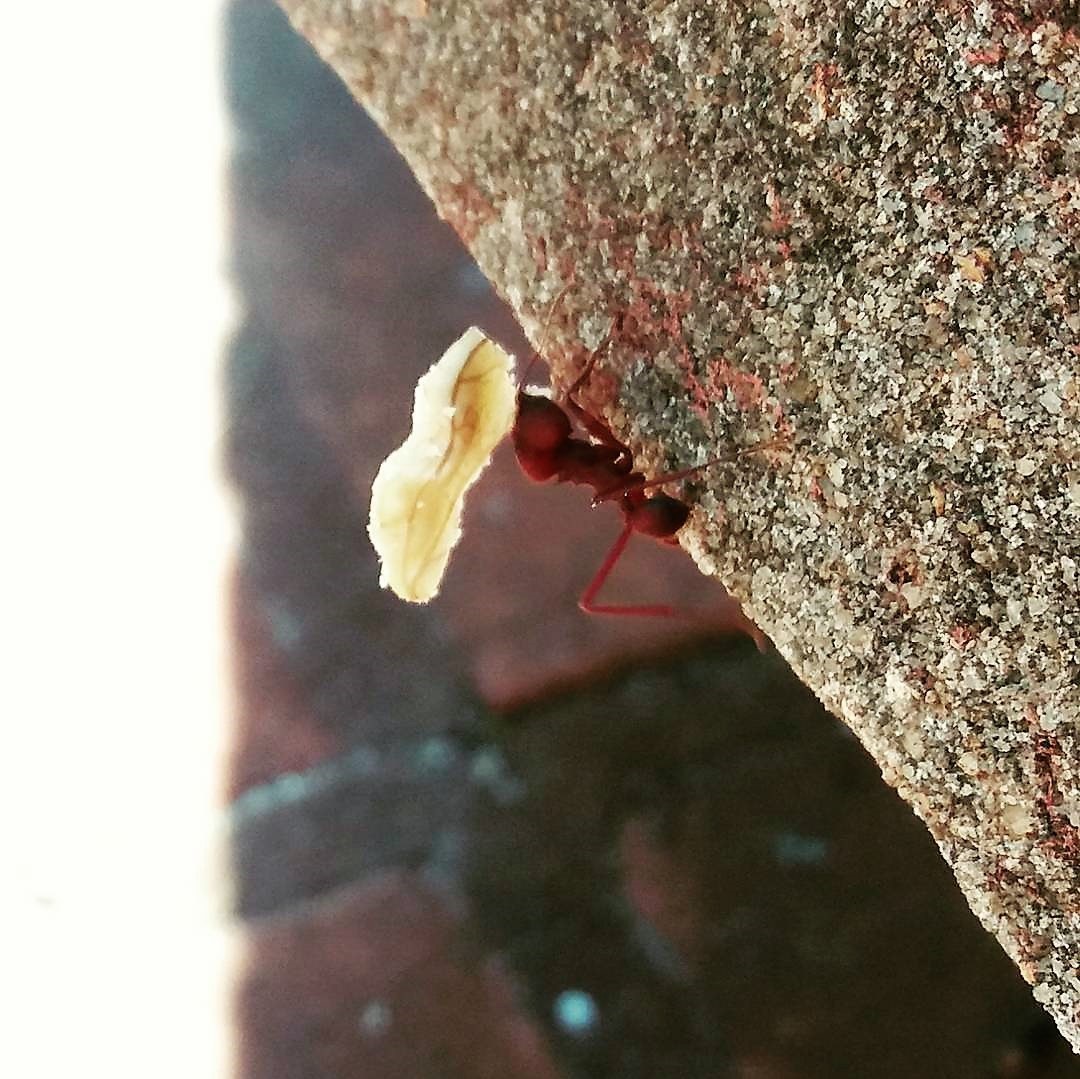
Leafcutter Ant
Tropical and subtropical forests, farmland edges
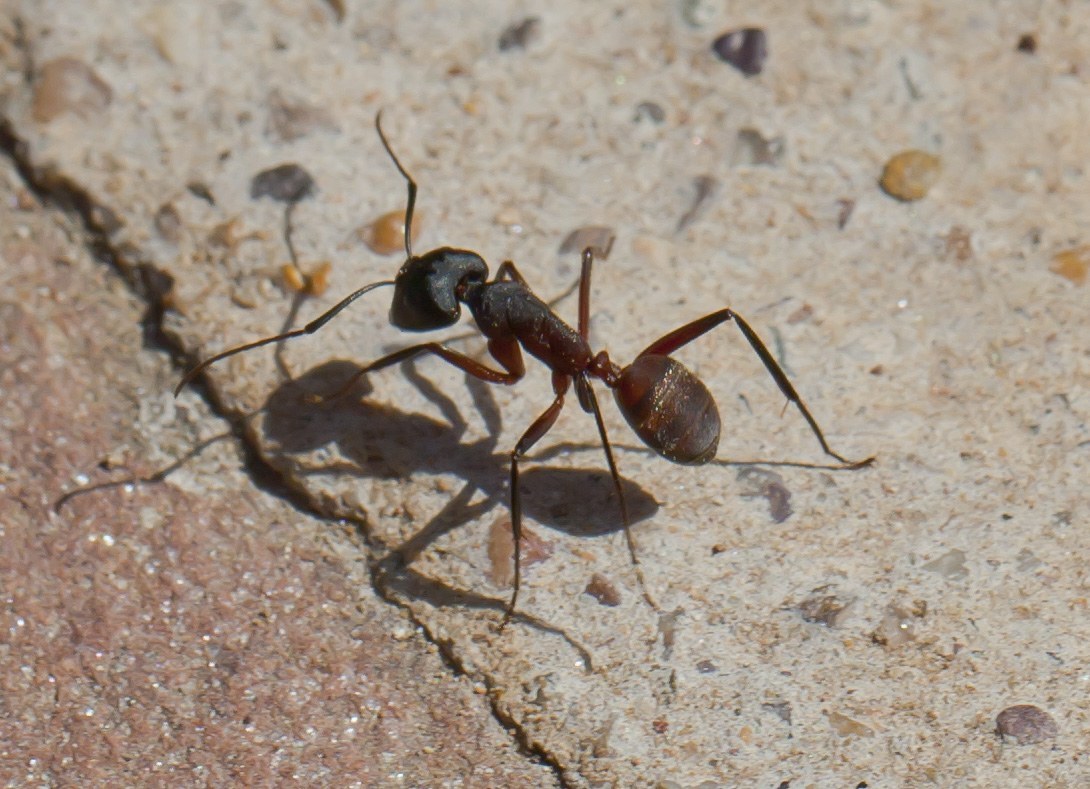
Little Black Ant
Lawns, gardens, rotting wood, and occasionally indoors