
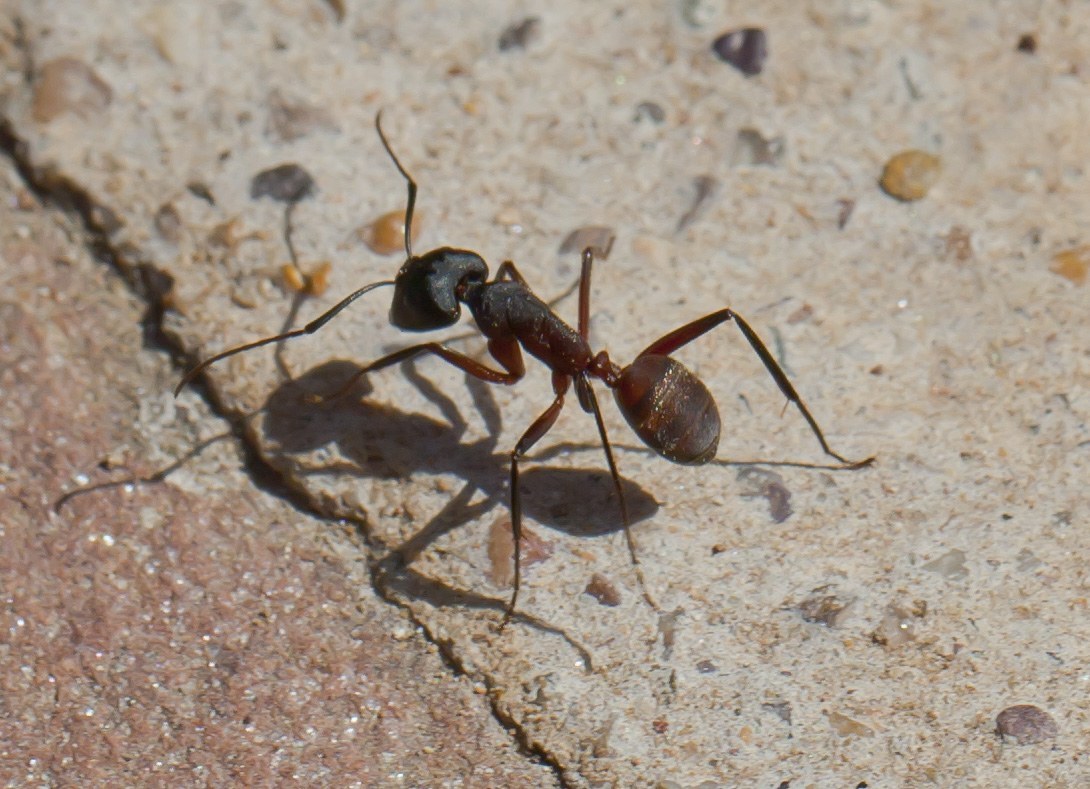
Little Black Ant
Monomorium minimum
A tiny, shiny jet-black ant that forms long, wandering foraging trails across lawns, patios, and kitchen counters in search of sweets and protein.
- Size
- Workers about 1.5-2 mm long
- Habitat
- Lawns, gardens, rotting wood, and occasionally indoors
- Danger
- Nuisance pest
Spotted a bug like this?
Identify any bug or insect from a photo, free.
Overview
The little black ant is a small, native North American species commonly encountered in gardens, lawns, and occasionally inside homes. Despite its diminutive size, it is one of the more frequently noticed backyard ants due to its glossy black color and habit of forming long, visible foraging trails.
Colonies nest in a variety of locations, including open soil, under stones or logs, within rotting wood, and in the mortar of walls or pavement, and they can be polygynous, containing multiple egg-laying queens that allow colonies to grow quite large over time.
While primarily an outdoor species, little black ants sometimes forage indoors, particularly following rain or during periods of temperature extremes, when they seek shelter and food inside structures.
How to Identify
- Very small workers, about 1.5-2 mm long
- Uniformly shiny, jet-black to dark brown body
- Two small nodes on the petiole
- Monomorphic workers, meaning all are roughly the same size
- Forms long, meandering foraging trails, sometimes far from the nest
- Distinguished from odorous house ants by its glossy black color and lack of a strong odor when crushed
Habitat & Range
Little black ants are found throughout much of the United States and southern Canada, inhabiting lawns, gardens, woodland edges, and urban landscaping. Nests are commonly built in open or exposed soil, under rocks, logs, or debris, within decaying wood, or in cracks in pavement and masonry.
Behavior & Diet
This species is omnivorous, feeding on a wide variety of foods including other insects, seeds, and sugary substances, and it readily tends aphids and other honeydew-producing insects. Colonies are typically polygynous, with multiple queens contributing to a shared, expanding population, and workers forage in extended trails that can range considerably from the nest.
Life Cycle
Little black ants undergo complete metamorphosis through egg, larva, pupa, and adult stages. Because colonies often contain multiple queens, brood production can be extensive, supporting large populations. Winged reproductive ants are produced in warmer months and take part in mating flights to establish new colonies, though the species may also expand existing colonies through nest budding.
Frequently asked questions
How can I identify a little black ant?
Look for a very small, uniformly glossy black ant with two nodes on its waist, typically seen forming long foraging trails across open ground.
Do little black ants sting?
They possess a small stinger and may use it in defense.
What do little black ants eat?
They are omnivorous, feeding on other insects, seeds, and sugary foods, and they commonly tend aphids for honeydew.
Where do little black ants build nests?
They nest in open soil, under rocks and logs, within decaying wood, or in cracks in pavement and masonry.
Little Black Ant guides
In-depth guides for identifying, understanding, and living alongside Little Black Ant.
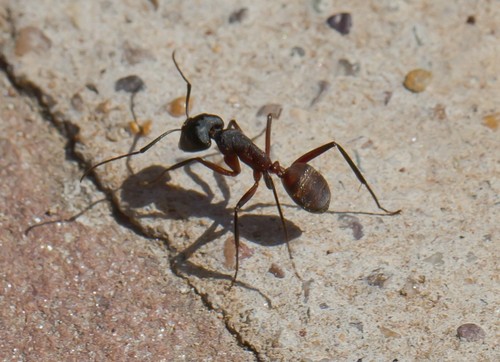
Little Black Ant identified by the community
Real finds identified with Bug Identifier.

Other bugs you may enjoy
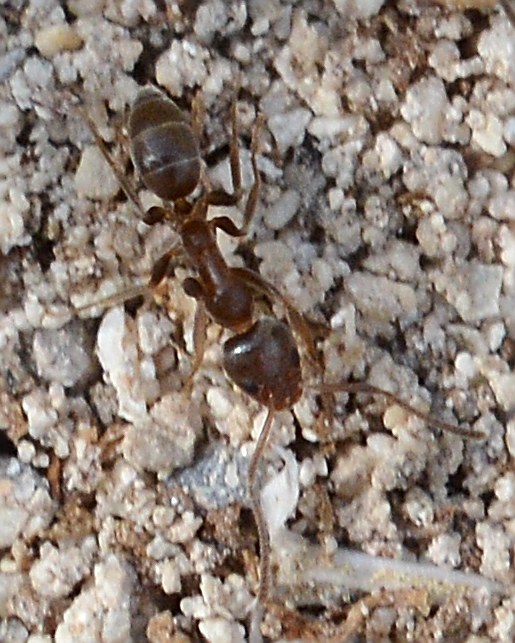
Argentine Ant
Disturbed urban soil, gardens, and building perimeters
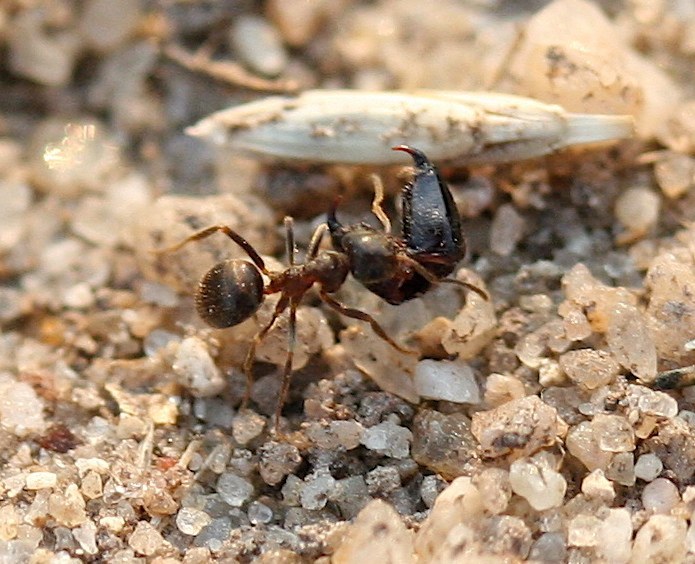
Ant
Gardens, lawns, woodlands, sidewalks, and buildings worldwide
Weaver Ant
Canopy of tropical forests, orchards, and mangroves
Sugar Ant
Gardens, woodlands, and urban areas; nests in soil, timber, or tree hollows
Trap-Jaw Ant
Tropical and subtropical forests, leaf litter, sandy coastal soils
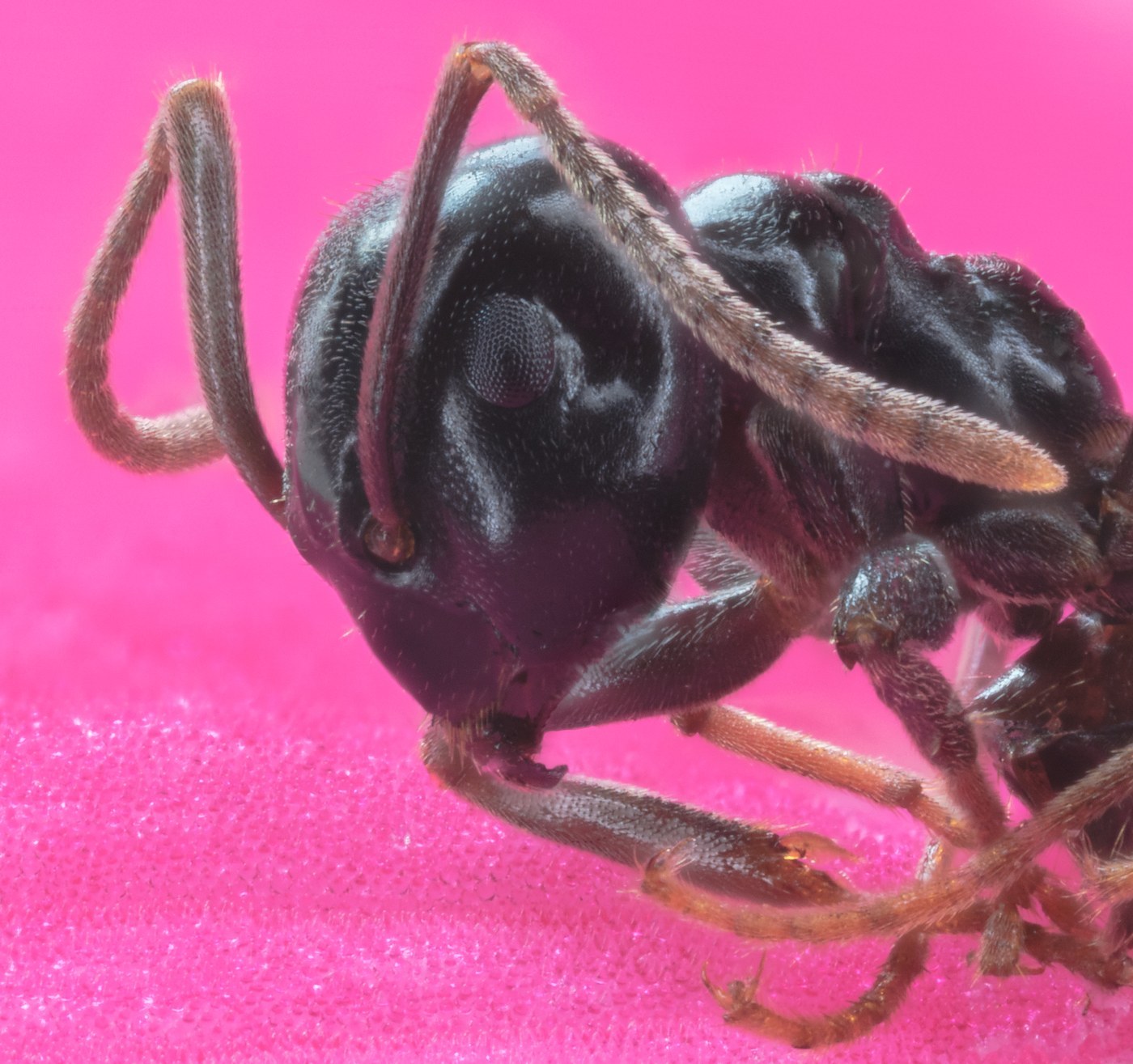
Pharaoh Ant
Warm, humid indoor voids such as wall cavities and heating ducts
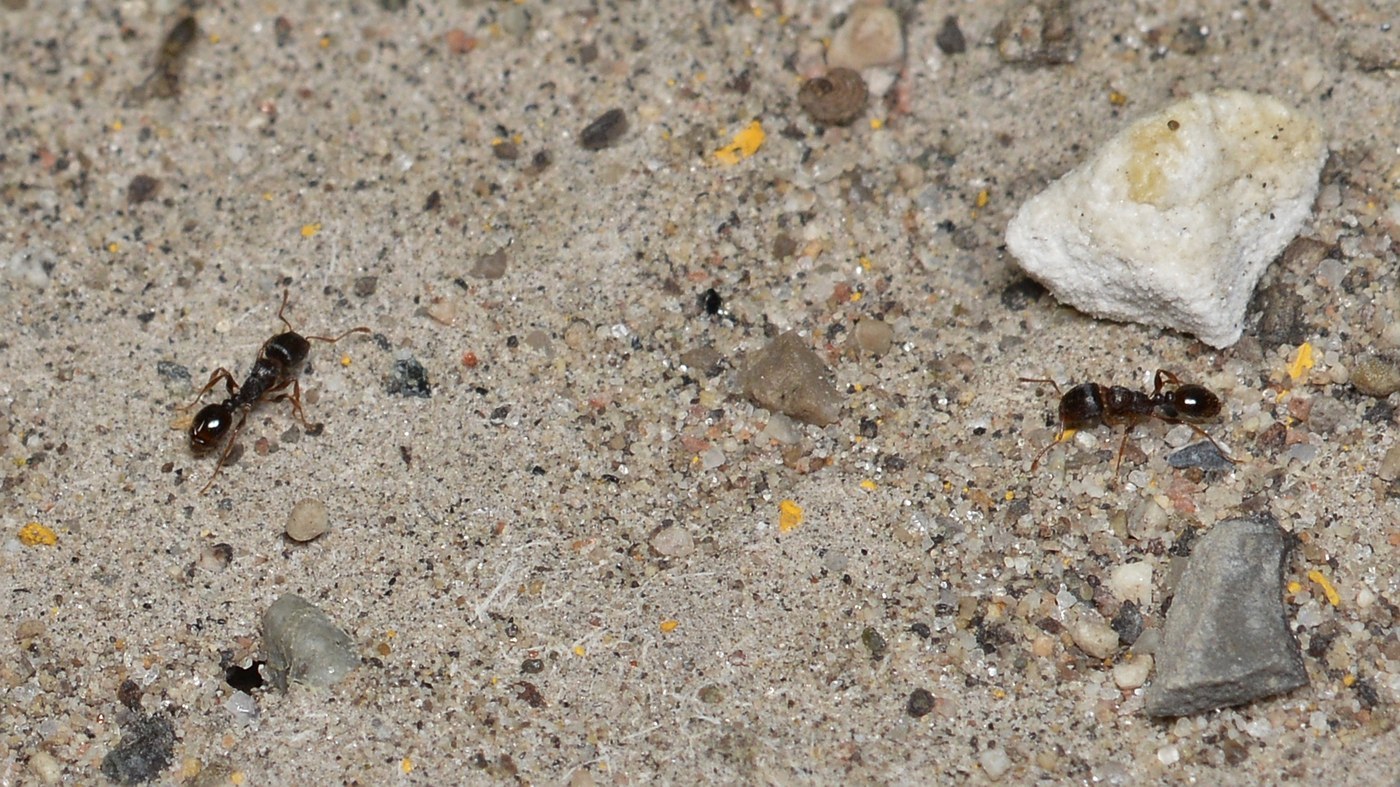
Pavement Ant
Cracks in sidewalks, driveways, and building foundations
Odorous House Ant
Soil, mulch, wall voids, and areas near moisture indoors and out
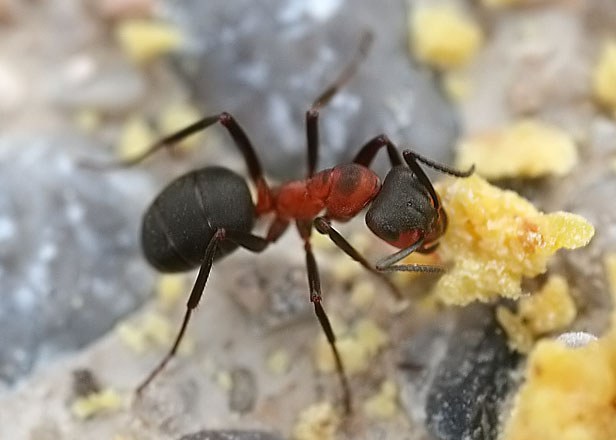
Red Wood Ant
Coniferous and mixed woodland, forest clearings and edges
Harvester Ant
Arid grasslands, deserts, and open sandy areas
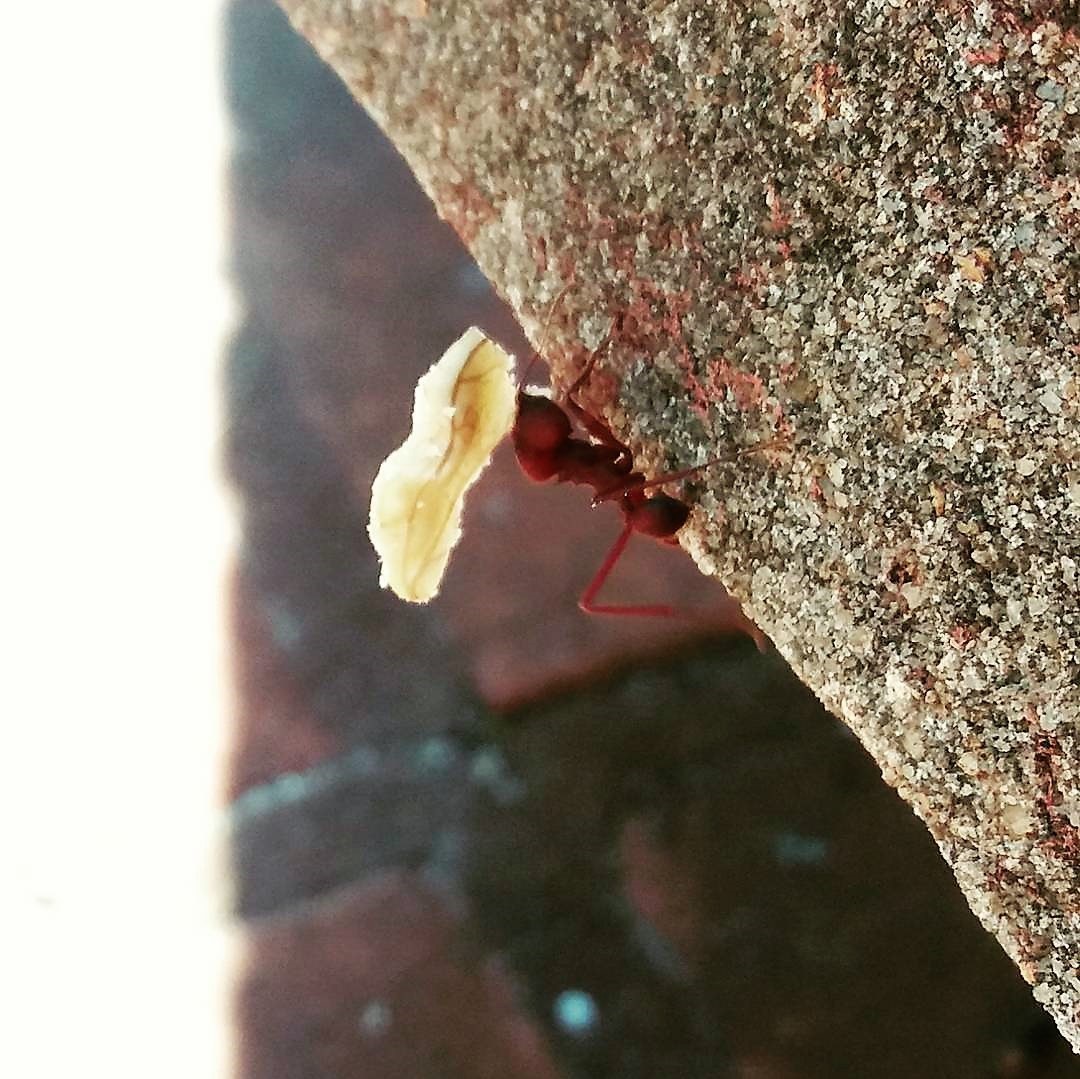
Leafcutter Ant
Tropical and subtropical forests, farmland edges
Field Ant
Open fields, meadows, lawns, and woodland edges