
Biting Midge
Culicoides spp.
A minuscule, gray-winged fly that gathers in dense swarms near wetlands and can slip through window screens unnoticed.
- Size
- 1-3 mm (about 0.04-0.1 in) long
- Habitat
- Moist soil, marshes, and wetland margins across a broad range of climates
- Danger
- Bites
Spotted a bug like this?
Identify any bug or insect from a photo, free.
Overview
Biting midges make up a large family of tiny flies found across nearly every continent, with a wide diversity of species adapted to habitats ranging from coastal salt marshes to inland wetlands and even tree holes. Although each individual is barely large enough to see without close inspection, biting midges often occur in dense local populations that make their presence noticeable despite their size.
Unlike mosquitoes, which develop in standing water, most biting midge larvae live in consistently moist mud, decaying plant matter, or waterlogged soil at the margins of aquatic habitats. This preference for damp substrate rather than open water shapes where midge populations concentrate, often along the edges of ponds, streams, marshes, and livestock areas.
Biting midges are weak fliers that are easily grounded by wind, so their activity is concentrated during calm periods, particularly around dawn, dusk, and overcast days.
How to Identify
- Tiny body, generally under 3 mm, often mistaken for a speck or gnat
- Wings frequently show a mottled or spotted pattern visible under magnification
- Compact, hunched posture with wings folded flat over the abdomen at rest
- Females possess piercing mouthparts for blood-feeding, while males have feathery antennae
- Distinguished from mosquitoes by their much smaller size and shorter, less needle-like proboscis
Habitat & Range
Biting midges occur worldwide, with species adapted to coastal marshes, freshwater wetlands, forest edges, and even livestock pastures where moist manure or mud accumulates. Larval development occurs in saturated soil, mud, or decomposing organic matter rather than in open standing water.
Adults are most active in calm, humid conditions, especially near dawn and dusk, and populations tend to be highest close to their damp larval habitats.
Behavior & Diet
Females take blood meals from a range of vertebrate hosts to support egg development, while males rely on nectar and other plant sugars. Their weak flight keeps most activity close to the ground and near larval habitat, and swarms can form in sheltered, calm areas.
Larvae live in the moist substrate where they hatch, feeding as predators or scavengers on smaller organisms and organic debris. Both immature and adult midges are an important food source for other insects, spiders, and small insectivorous animals in wetland food webs.
Life Cycle
Eggs are laid in batches on moist soil, mud, or decaying vegetation close to water. Larvae emerge within days and develop through four instars in the damp substrate over a period of several weeks, depending on temperature and moisture levels.
Pupation occurs in the same moist habitat, and adults emerge after a brief pupal stage. Several generations can be produced during the warmer months in suitable climates, and in cooler regions midges commonly overwinter as larvae in protected, moist soil.
Frequently asked questions
What is the difference between a biting midge and a no-see-um?
They are essentially the same insects; no-see-um is simply a common nickname for the tiny biting midges in the genus Culicoides.
Where do biting midges breed?
Most develop in moist soil, mud, or decaying organic matter at the edges of wetlands, marshes, and other damp habitats rather than in open water.
Why do biting midges seem to disappear on windy days?
They are very weak fliers and are easily grounded by even a light breeze, so activity is concentrated during calm conditions.
How can I recognize a biting midge under magnification?
Look for a tiny body under 3 millimeters with mottled or spotted wings and a hunched resting posture, distinct from the slender build of a mosquito.
Biting Midge guides
In-depth guides for identifying, understanding, and living alongside Biting Midge.
Biting Midge identified by the community
Real finds identified with Bug Identifier.
Other bugs you may enjoy
Aphid Midge
Gardens, greenhouses, and crops with aphids
Yellow Fever Mosquito
Urban and peri-urban areas near small artificial water containers in tropical and subtropical regions worldwide
Root Maggot
Garden and field soil around the roots of cole crops and other vegetables
Anopheles Mosquito
Clean, still or slow-moving freshwater habitats such as marshes, ponds, and rice paddies
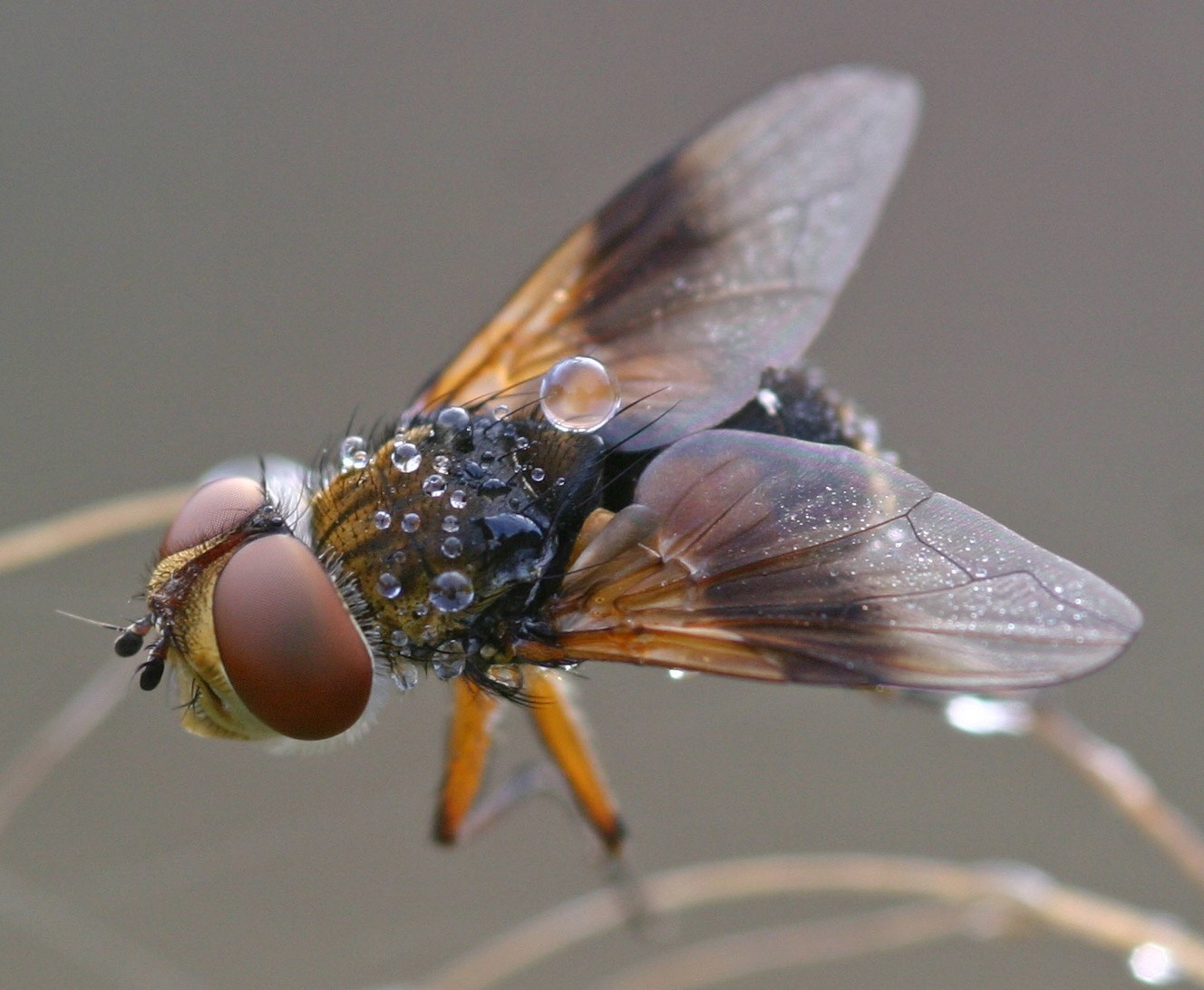
Tachinid Fly
Gardens, meadows, and woodlands wherever host caterpillars and other insects occur
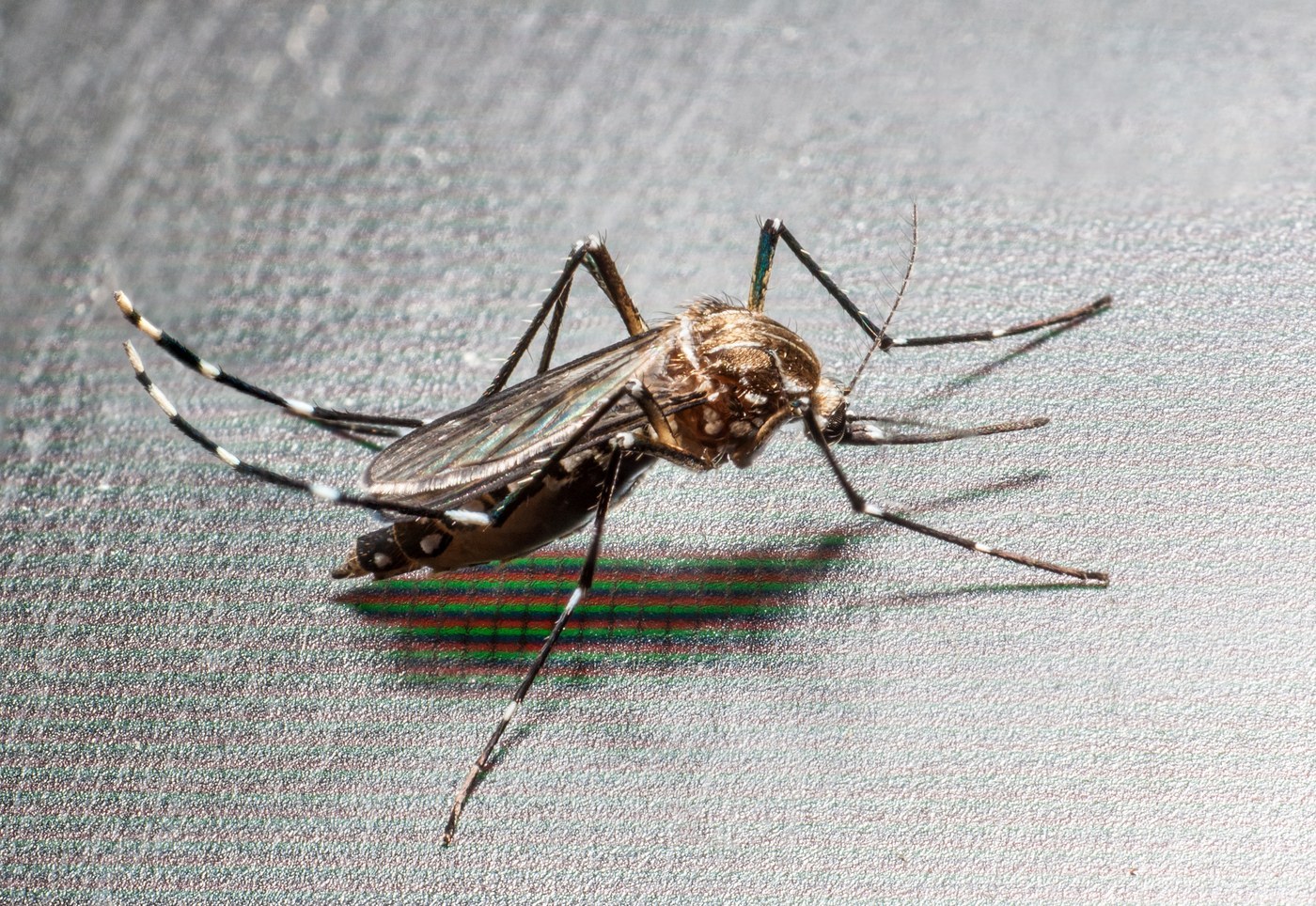
Asian Tiger Mosquito
Shaded urban and suburban areas near small water-holding containers, tires, and tree holes; native to Southeast Asia, now widespread
Tsetse Fly
Wooded savanna, riverine thickets, and forest edges across sub-Saharan Africa
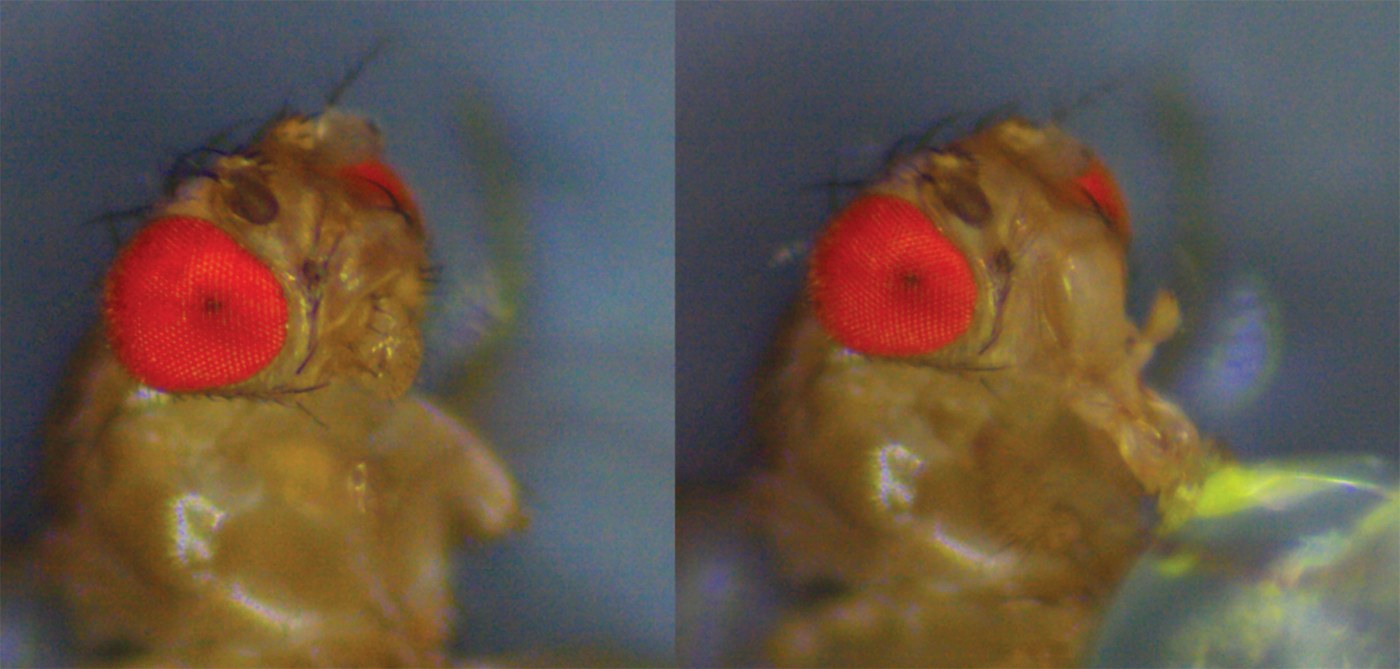
Vinegar Fly
Around overripe fruit, compost, and fermenting materials worldwide
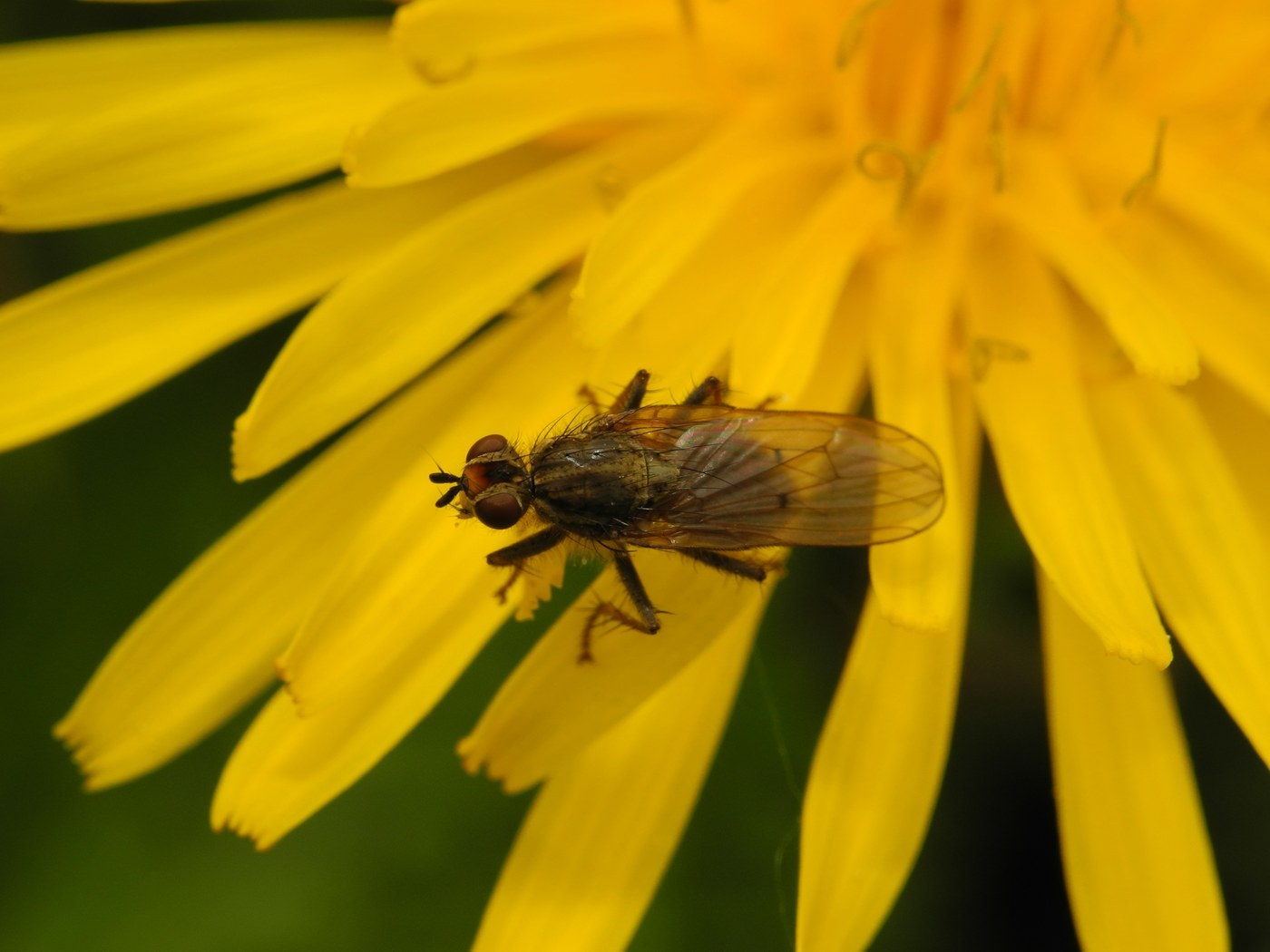
Yellow Dung Fly
Pastures and fields with fresh cattle dung
Screwworm Fly
Warm, humid lowlands of the Americas, especially near livestock and wildlife wounds
Soldier Fly
Wetland margins, decaying organic matter, and vegetation near water
Punkie
near marshes, mudflats, ponds, and other standing water