
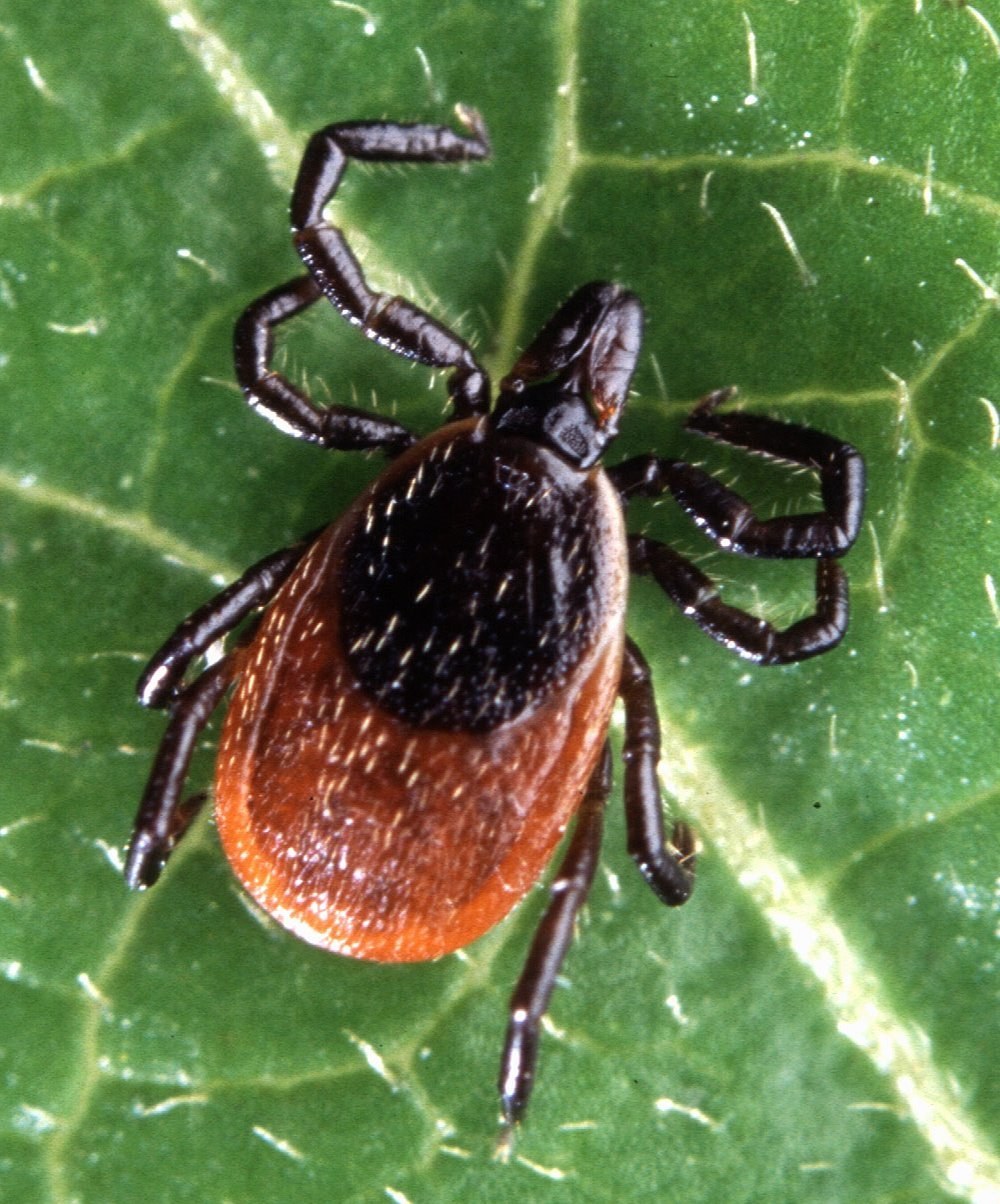
Blacklegged Tick
Ixodes scapularis
A tiny, teardrop-shaped tick with dark legs and a reddish-brown abdomen that lurks in leaf litter along woodland trails.
- Size
- 2-3 mm unfed; up to 10 mm engorged
- Habitat
- Deciduous woodlands, leaf litter, and shrubby edges
- Danger
- Bites
Spotted a bug like this?
Identify any bug or insect from a photo, free.
Overview
The blacklegged tick, widely known as the deer tick, is a small hard tick found throughout the eastern and upper midwestern United States. It is far smaller than the American dog tick and lacks any ornate markings, appearing as a plain, glossy, teardrop-shaped arachnid with distinctly dark legs contrasting against its reddish-brown to orange body.
As a three-host tick, it relies on different hosts at each life stage, with larvae and nymphs commonly feeding on white-footed mice and other small mammals, and adults often found on deer, though they will also attach to a wide range of birds and mammals. Its small size, particularly at the nymph stage, makes it easy to overlook on skin or clothing.
This species is active across an unusually wide temperature range, with adults sometimes questing on mild winter days when other ticks are dormant, making it one of the more persistently active ticks in its range.
How to Identify
- Small, teardrop-shaped body with a plain reddish-brown to orange abdomen and noticeably dark, almost black legs.
- No ornate pattern on the scutum, unlike the American dog tick; males have a solid dark brown to black shield covering most of the body.
- Adult females measure about 3-4 mm unfed, swelling to roughly 10 mm when engorged; nymphs are poppy-seed sized at under 2 mm.
- Eight legs as nymphs and adults; six legs at the larval stage.
- Lookalikes include other Ixodes species, distinguished mainly by range and subtle mouthpart structure.
Habitat & Range
Blacklegged ticks favor humid, shaded environments such as deciduous and mixed woodlands, leaf litter, and the brushy transition zones between forest and open field. They are widespread across the eastern United States from the upper Midwest to New England and south along the Atlantic coast. Nymphs are most active in late spring through summer, while adults quest primarily in fall and again in early spring, sometimes even during winter thaws.
Behavior & Diet
This tick is a generalist parasite, feeding on a broad range of hosts including small rodents, birds, deer, and other mammals depending on life stage. Like other hard ticks, it quests by climbing onto low vegetation or leaf litter and extending its legs to grasp a passing host, relying on scent, heat, and carbon dioxide cues rather than vision. Ecologically, it plays a role in regulating small mammal and deer populations indirectly through its position in the food web and is preyed upon by birds and some invertebrates.
Life Cycle
After a blood meal, females lay a single large batch of eggs on the ground and then die. Eggs hatch into six-legged larvae that feed once on a small host, typically a mouse, before molting into nymphs. Nymphs feed on a wider range of hosts and molt into adults, which seek a larger host for a final meal and to mate. The complete life cycle generally spans about two years, with the tick overwintering in leaf litter between active feeding periods.
Frequently asked questions
What does a blacklegged tick look like?
It is a small, teardrop-shaped tick with a plain reddish-brown body and distinctly dark legs, lacking the ornate markings of some other tick species.
When are blacklegged ticks most active?
Nymphs are most active in late spring and summer, while adults quest in fall, early spring, and sometimes even during mild winter days.
What habitats do blacklegged ticks prefer?
They favor humid, shaded deciduous woodlands, leaf litter, and brushy edges between forest and open areas.
What hosts do blacklegged ticks feed on?
Larvae and nymphs commonly feed on small mammals like white-footed mice, while adults are often found on deer, though all stages will attach to a wide range of birds and mammals.
Blacklegged Tick guides
In-depth guides for identifying, understanding, and living alongside Blacklegged Tick.
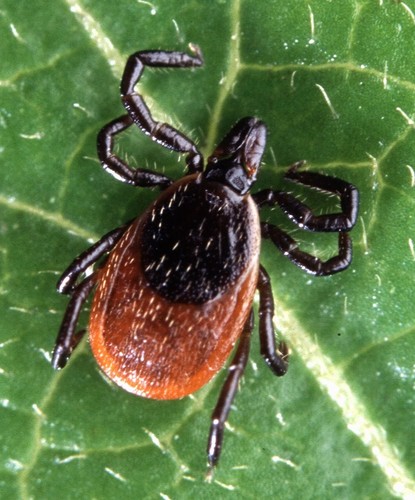
Blacklegged Tick identified by the community
Real finds identified with Bug Identifier.
Other bugs you may enjoy
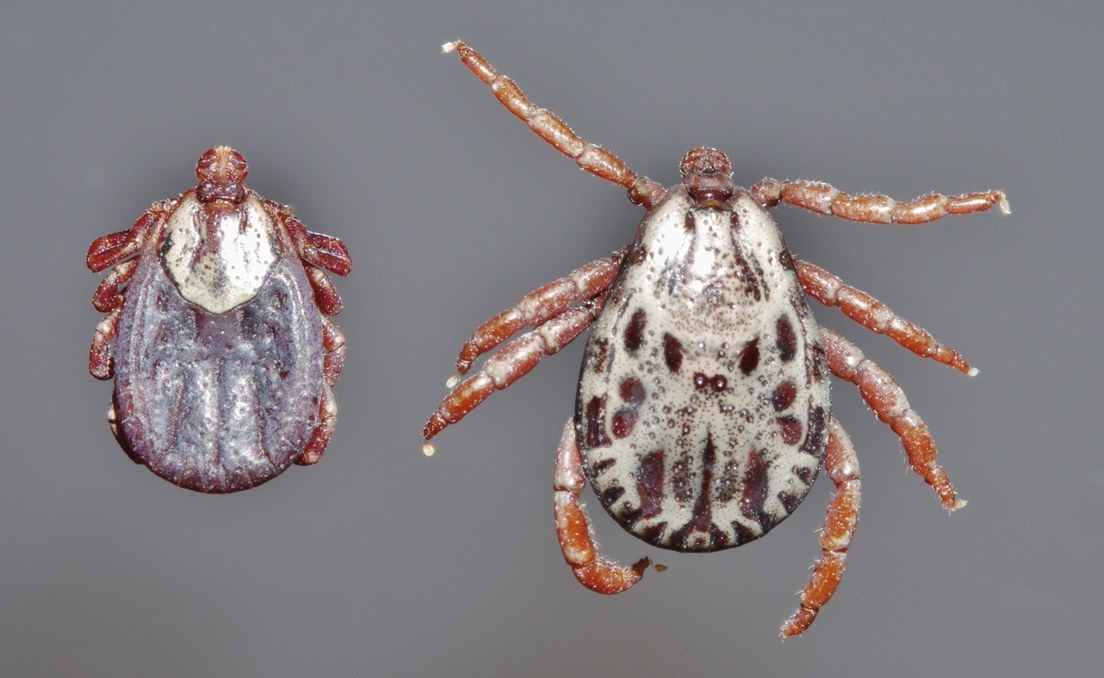
Wood Tick
Grassland, shrub-steppe, and open woodland of western North America
Yellow Scorpion
Arid scrubland, rocky slopes, and desert margins
Whip Spider
Tropical caves, rainforest leaf litter, and under bark
Water Mite
Ponds, lakes, streams, and other freshwater bodies
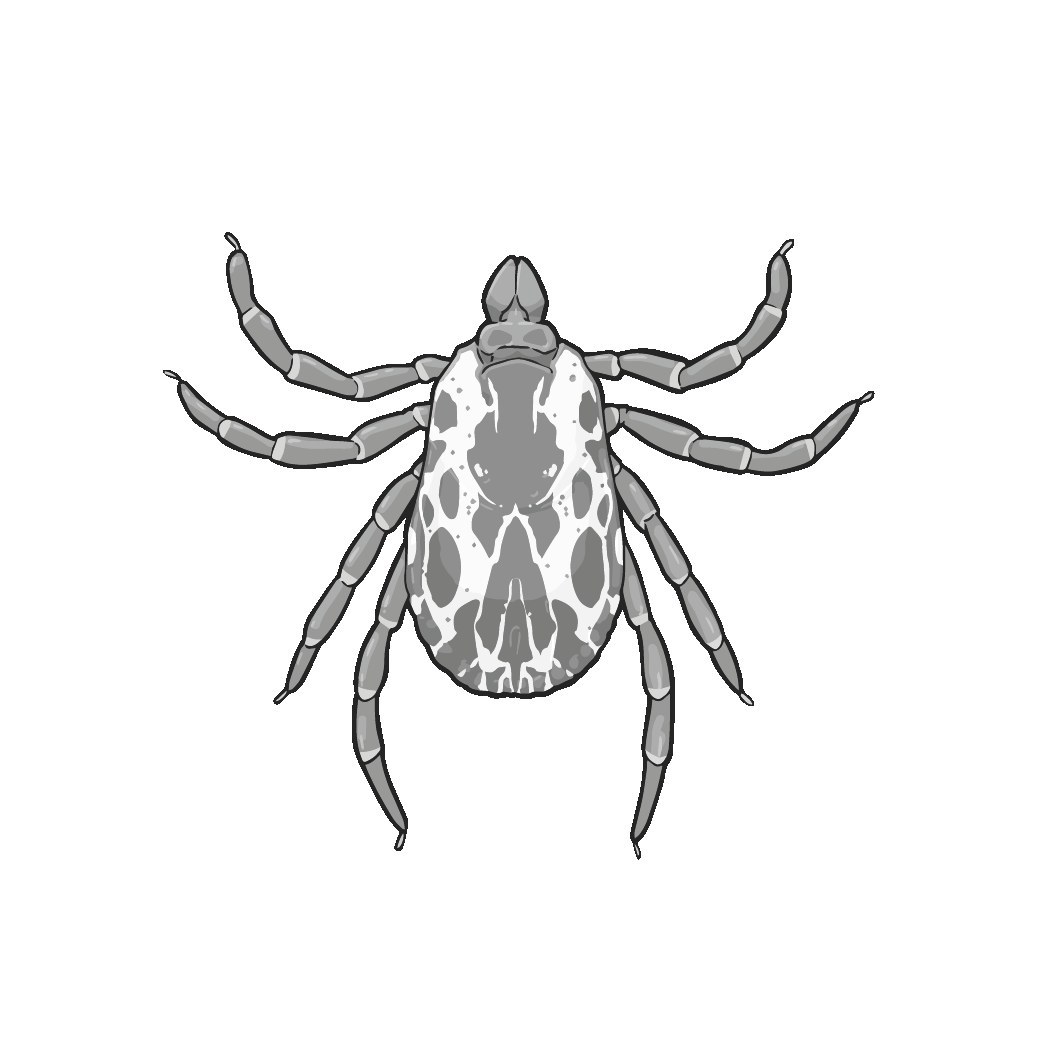
American Dog Tick
Grassy fields, trails, and low vegetation near woodlands
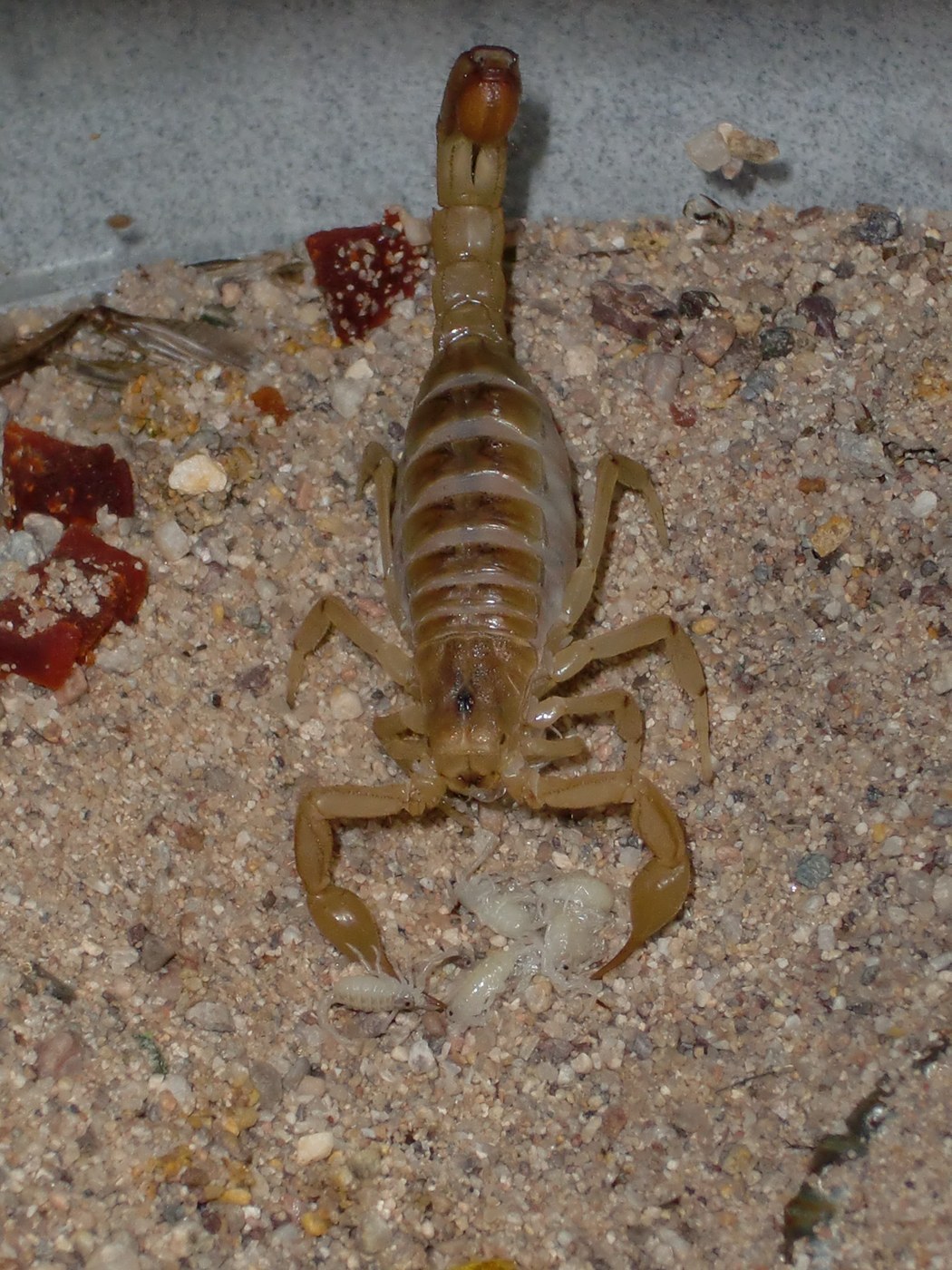
Arizona Bark Scorpion
Rocky desert terrain, tree bark, and structures in the Southwest
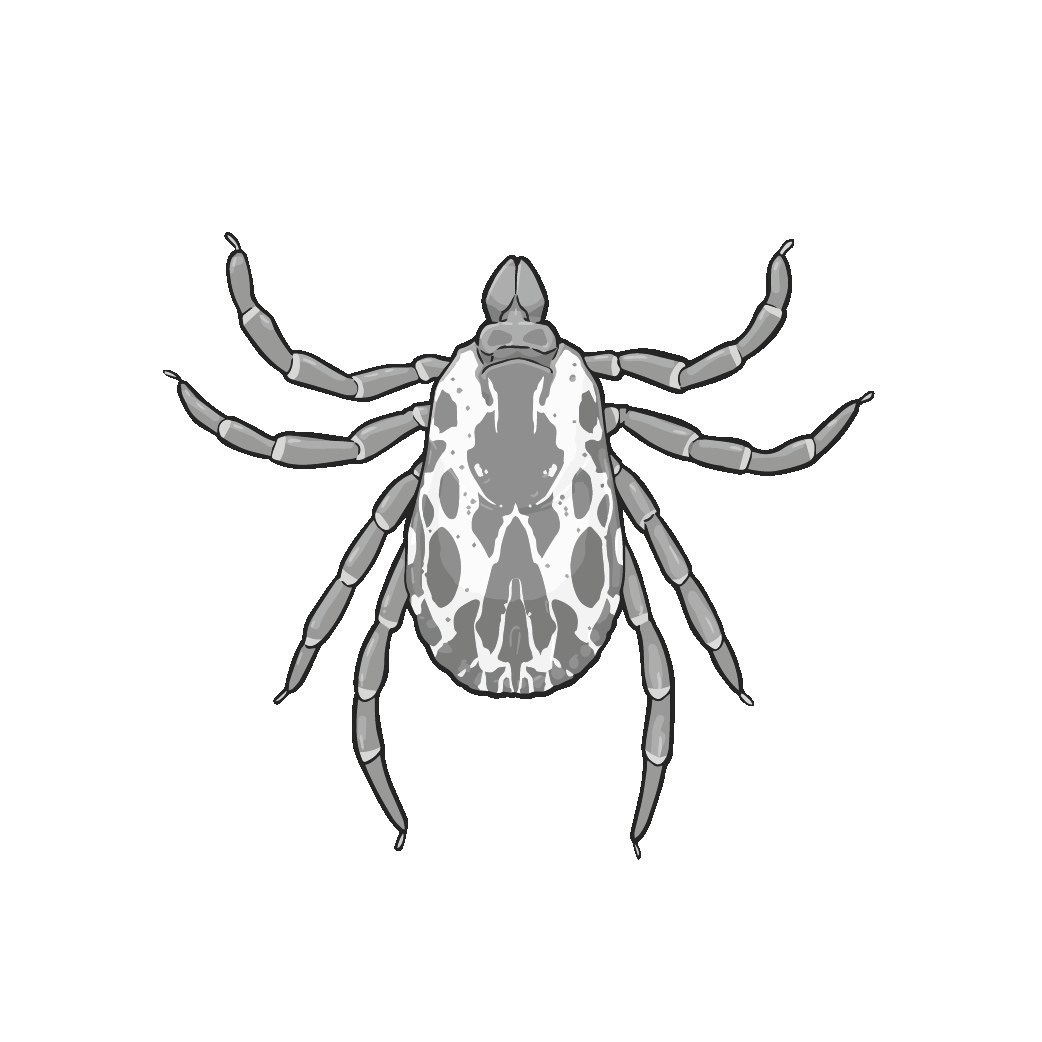
Tick
Tall grass, brush, woodland edges, and animal trails
Soil Mite
Soil, leaf litter, moss, and decaying organic matter worldwide
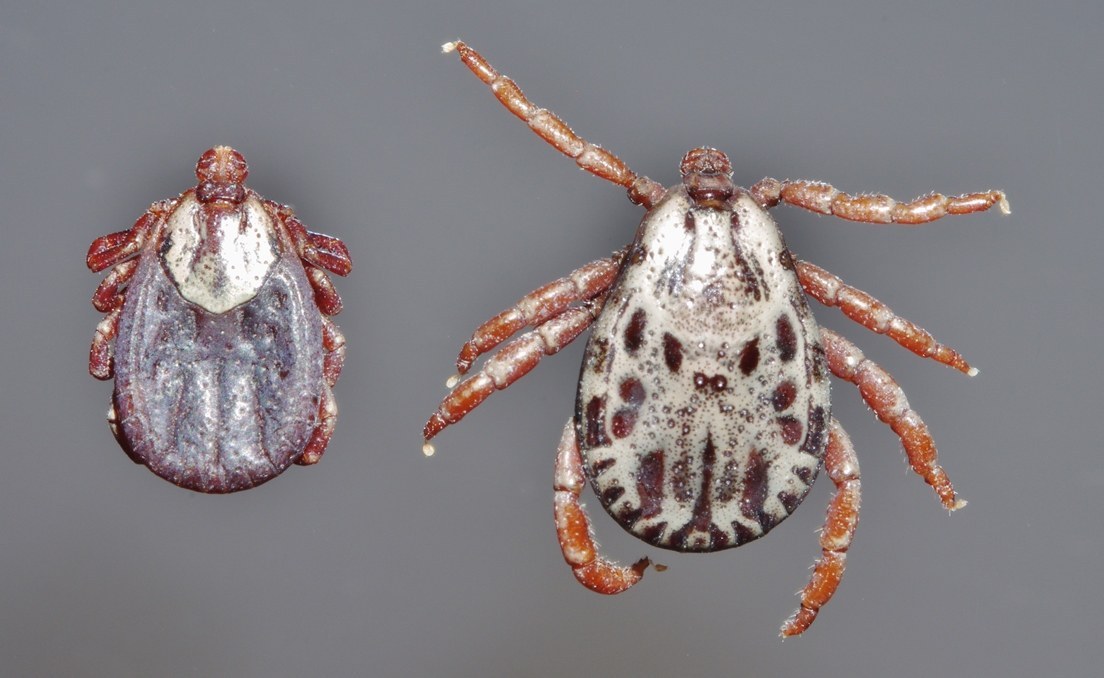
Rocky Mountain Wood Tick
Sagebrush shrublands, grasslands, and montane forest edges
Two-Spotted Spider Mite
Undersides of leaves on garden plants, crops, and houseplants
Spider Mite
Undersides of leaves on garden plants, houseplants, and field and orchard crops worldwide
Whip Scorpion
Tropical and subtropical caves, tree bark, and rock crevices worldwide