
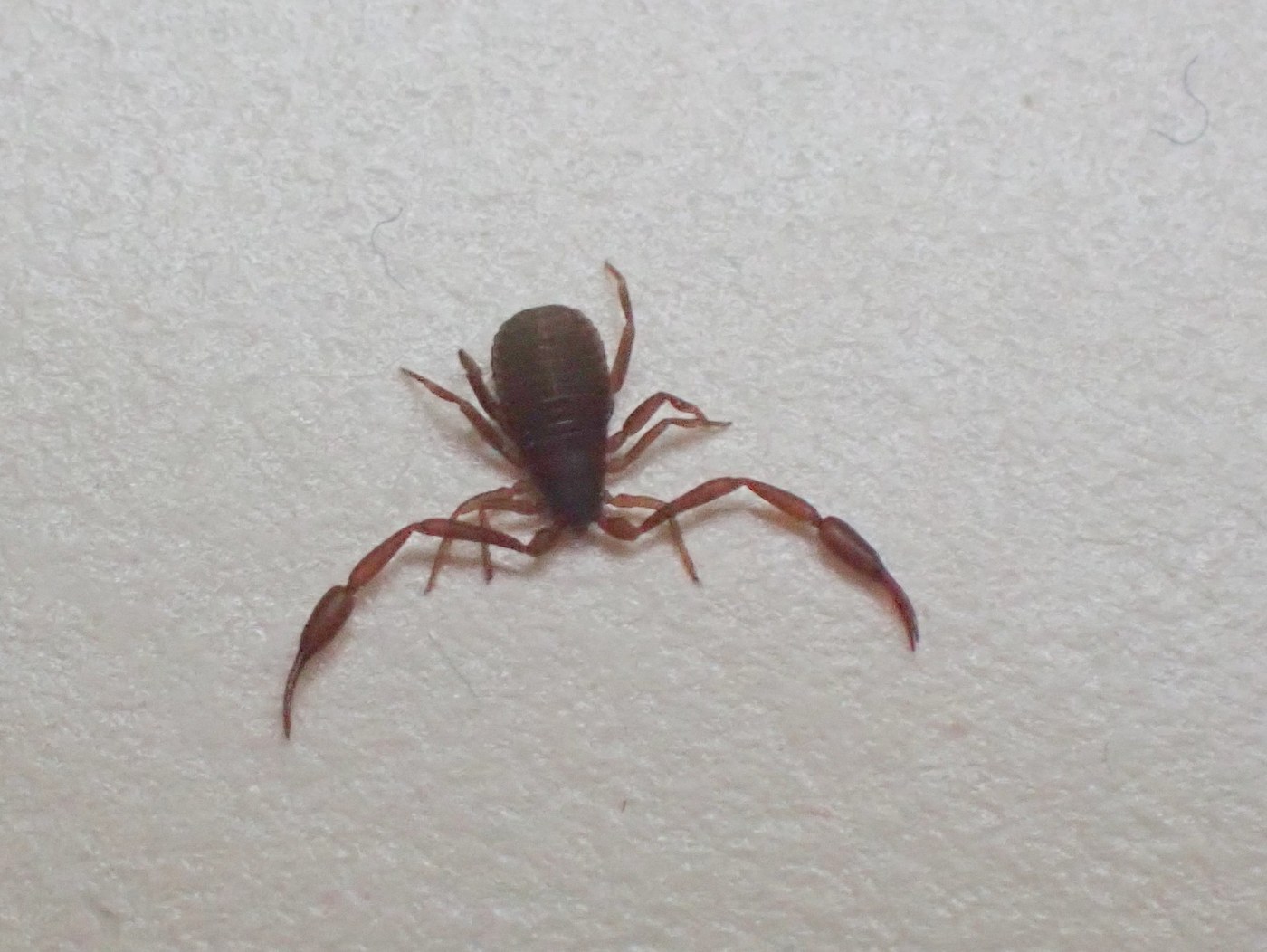
Book Scorpion
Chelifer cancroides
A tiny, flattened arachnid that looks like a scorpion in miniature, minus the tail, scuttling sideways through old paper and dusty corners while hunting even smaller pests.
- Size
- 2-4.5 mm long
- Habitat
- Old books, stored grain, bird nests, and human dwellings
- Danger
- Harmless
Spotted a bug like this?
Identify any bug or insect from a photo, free.
Overview
The book scorpion is a pseudoscorpion, a distinct order of arachnids that resembles true scorpions in having a pair of large, pincer-like pedipalps but lacks the elongated tail and stinger of real scorpions. This particular species, Chelifer cancroides, is among the most widely distributed pseudoscorpions in the world, having spread across much of the globe through association with human structures and stored goods.
Despite its scorpion-like appearance, the book scorpion is a harmless predator of tiny arthropods. It is most famous for lurking in old books, paper archives, and stored grain, where it hunts booklice, mites, and other tiny arthropods that damage paper and food stores, making it a welcome if rarely noticed presence in libraries and pantries.
How to Identify
- Flattened, pear-shaped body typically brown to dark reddish-brown
- Large, prominent pincer-like pedipalps relative to overall body size
- No tail or stinger, unlike true scorpions
- Extremely small, usually only 2-4.5 mm long, easy to overlook
- Eight legs plus the pair of pincers, moves sideways or backward when startled
- Distinguished from mites and ticks by its clearly segmented, scorpion-like pincers
Habitat & Range
Found worldwide in association with human environments, including old books, paper archives, stored grain, herbariums, and beehives, as well as bird and mammal nests in the wild. It thrives wherever there is organic debris and small prey to hunt, favoring dark, undisturbed spaces with stable humidity.
Behavior & Diet
Book scorpions are active predators of extremely small arthropods such as booklice, dust mites, and other tiny pests found in paper, grain, and nest material, grasping prey with their pincers and injecting venom from glands within the pedipalps. They move in short, quick bursts, often sideways, and are capable of a peculiar means of dispersal called phoresy, in which they hitch a ride by grasping onto the legs of flies or other larger insects to travel between locations. Their presence in stored books or grain coincides with the small paper- and grain-damaging arthropods they hunt.
Life Cycle
Females carry fertilized eggs in a brood sac attached to the underside of their abdomen until they hatch, and the emerging young, called protonymphs, continue to be tended near the mother for a period. Pseudoscorpions pass through several nymphal stages, each separated by a molt, before reaching adulthood, a process that can take several months to over a year depending on conditions. Adults may live for one to several years, remaining active year-round in stable indoor environments or entering periods of inactivity in colder outdoor habitats.
Frequently asked questions
Is a book scorpion a true scorpion?
No, it is a pseudoscorpion, a separate arachnid order that has pincers like a scorpion but no tail or stinger.
Why is it called a book scorpion?
It is commonly found in old books and paper archives, where it hunts booklice and other tiny paper-damaging arthropods.
Does the book scorpion damage books?
No, it does not damage paper itself; instead it preys on the small arthropods found among stored paper and grain.
How do book scorpions travel between locations?
They sometimes hitch rides on larger flying insects by clinging to their legs, a behavior known as phoresy.
Book Scorpion guides
In-depth guides for identifying, understanding, and living alongside Book Scorpion.
Other bugs you may enjoy
Wood Tick
Grassland, shrub-steppe, and open woodland of western North America
Yellow Scorpion
Arid scrubland, rocky slopes, and desert margins
Whip Spider
Tropical caves, rainforest leaf litter, and under bark
Water Mite
Ponds, lakes, streams, and other freshwater bodies
American Dog Tick
Grassy fields, trails, and low vegetation near woodlands
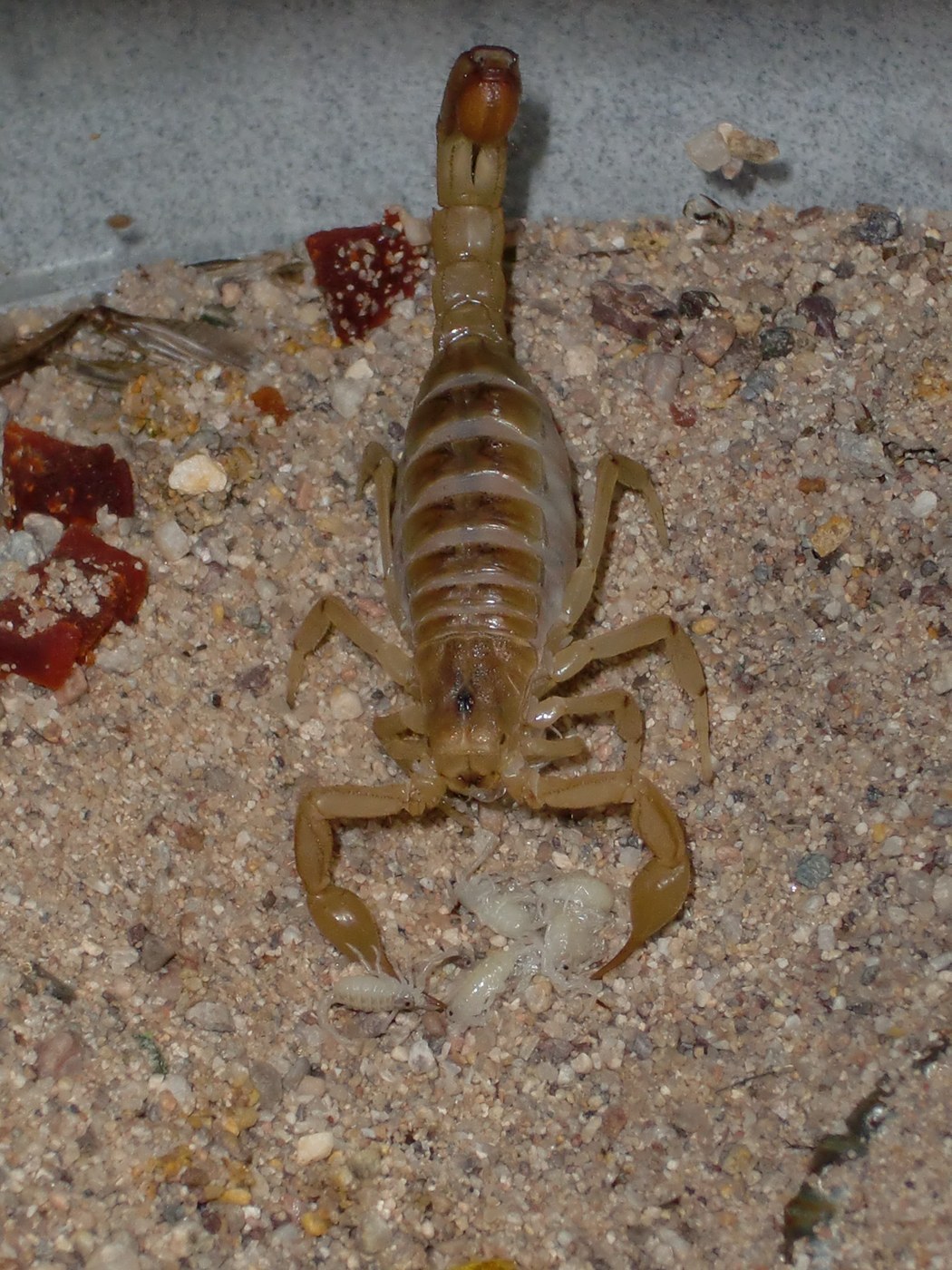
Arizona Bark Scorpion
Rocky desert terrain, tree bark, and structures in the Southwest
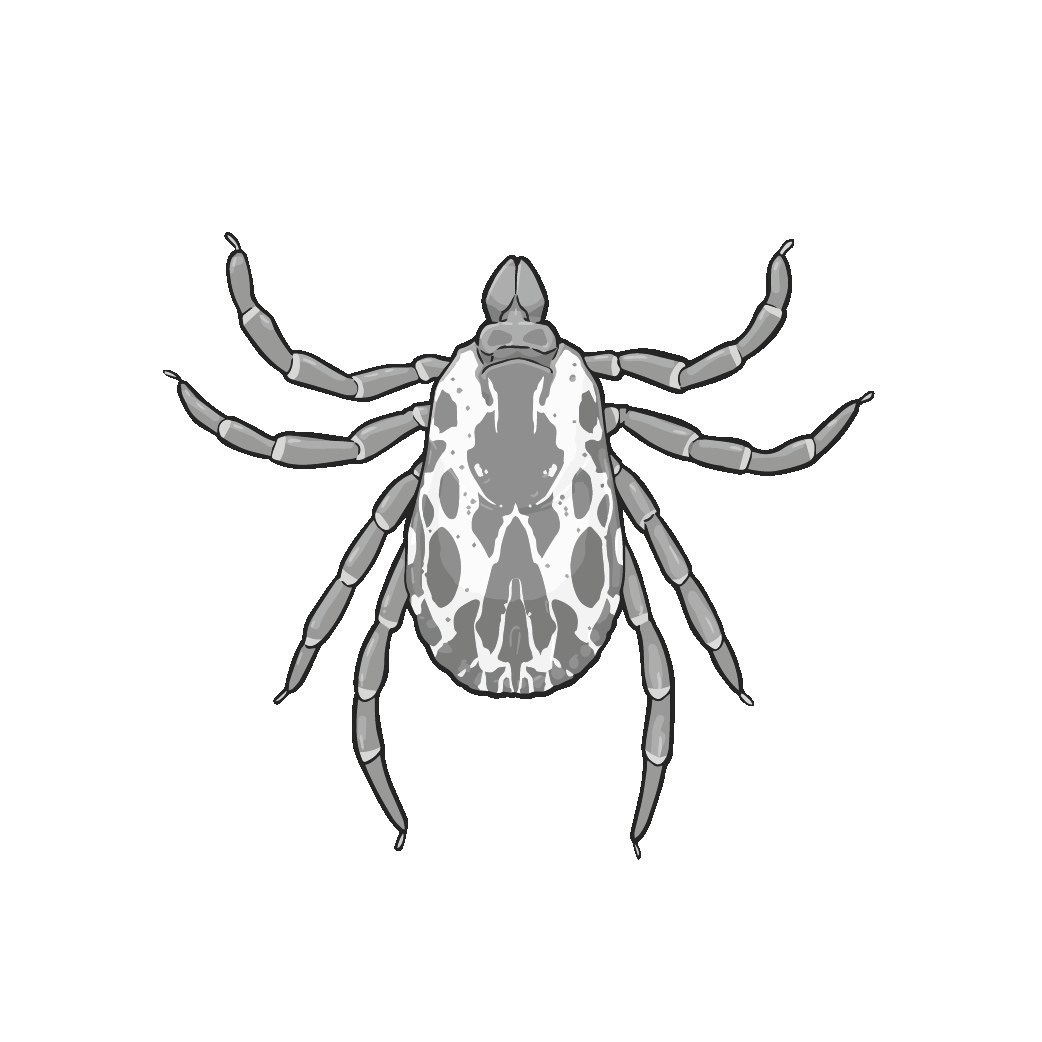
Tick
Tall grass, brush, woodland edges, and animal trails
Soil Mite
Soil, leaf litter, moss, and decaying organic matter worldwide
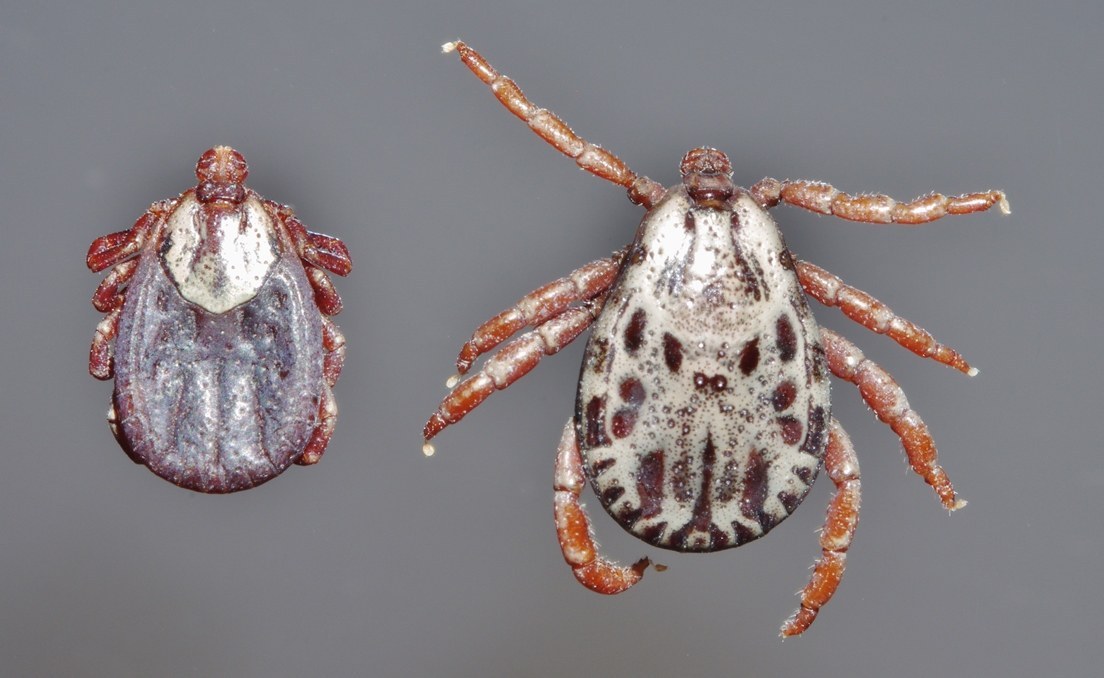
Rocky Mountain Wood Tick
Sagebrush shrublands, grasslands, and montane forest edges
Two-Spotted Spider Mite
Undersides of leaves on garden plants, crops, and houseplants
Spider Mite
Undersides of leaves on garden plants, houseplants, and field and orchard crops worldwide
Whip Scorpion
Tropical and subtropical caves, tree bark, and rock crevices worldwide