
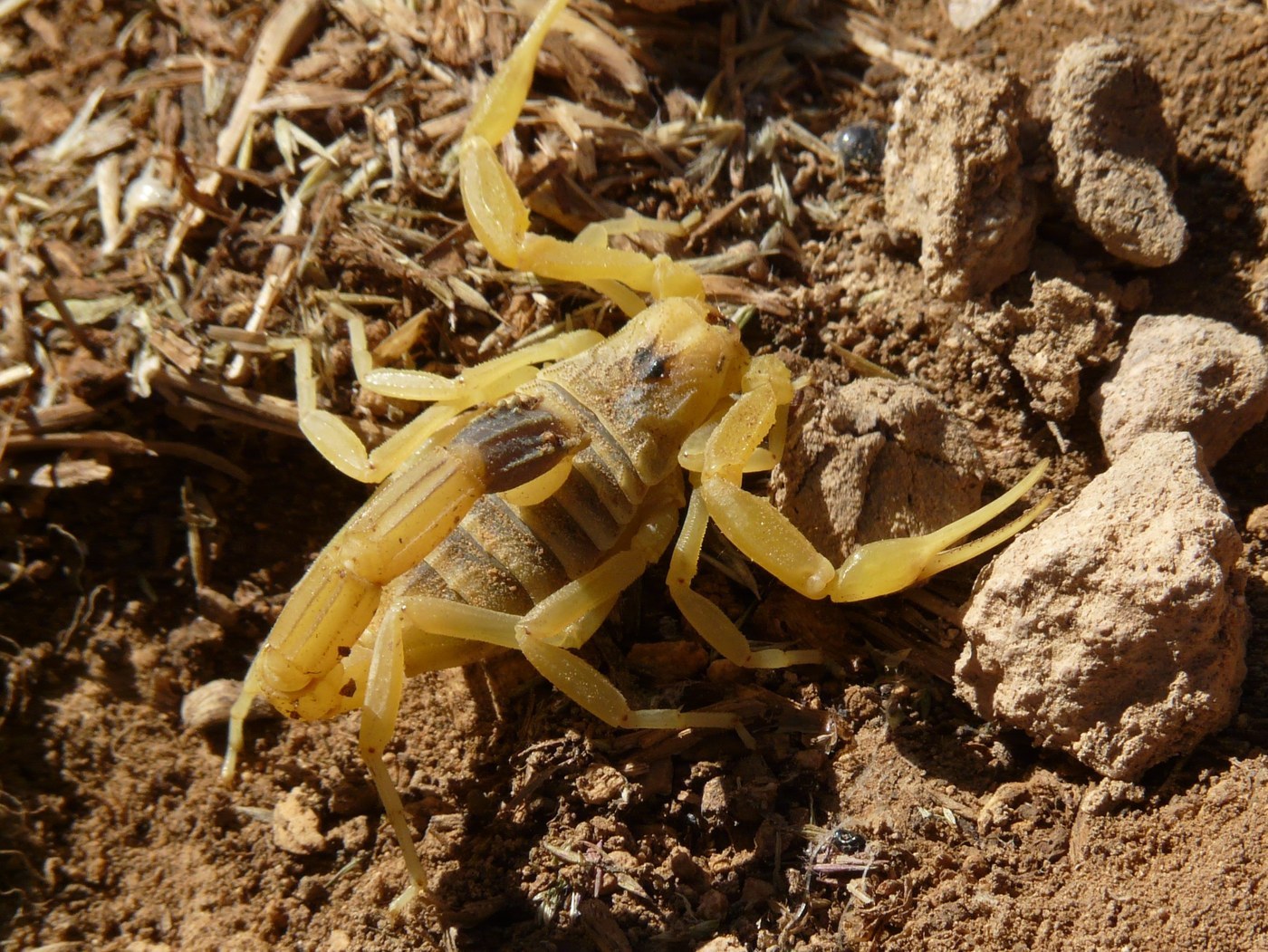
Deathstalker Scorpion
Leiurus quinquestriatus
A slender, pale yellow scorpion of Middle Eastern and North African deserts, famed for its striking coloration and status as one of the most studied scorpions in scientific research.
- Size
- 5.8-8.9 cm (2.3-3.5 in)
- Habitat
- Arid deserts and dry scrubland of North Africa and the Middle East
- Danger
- Stings
Spotted a bug like this?
Identify any bug or insect from a photo, free.
Overview
The deathstalker scorpion is a medium-sized, straw-yellow scorpion native to the deserts and dry regions of North Africa and the Middle East. It is one of the most recognizable and widely studied scorpion species in the world, in part because its distinctive coloration and slender build make it easy to identify against the pale desert substrate it inhabits.
Unlike many heavy-bodied scorpions that rely on strong pincers, the deathstalker has comparatively slender, thin pedipalps and a thicker tail, a body plan typical of scorpions that depend more heavily on their sting to subdue prey. This species is nocturnal and spends daylight hours sheltering from the intense desert sun.
Deathstalker venom has attracted significant scientific interest for its complex mixture of compounds, and components derived from it have been studied in various fields of biochemical research, contributing to the species' scientific notability beyond its natural desert habitat.
How to Identify
- Slender body typically 6-9 cm long, colored pale yellow to yellowish-tan, sometimes with faint darker markings
- Thin, elongated pedipalps (pincers) relative to a thicker, more robust tail, the opposite proportion of heavy-clawed scorpion species
- Five longitudinal ridges often visible on the top of the abdomen, giving rise to the species name "quinquestriatus" (five-striped)
- Smooth, glossy exoskeleton with minimal hair covering compared to hairy desert scorpion species
- Tail segments are bulbous, ending in a curved, prominent stinger
- Fluoresces blue-green under ultraviolet light, a trait shared by most scorpions
Habitat & Range
The deathstalker is native to arid and semi-arid habitats across North Africa and the Middle East, including countries such as Egypt, Libya, Israel, Jordan, Saudi Arabia, and parts of the Arabian Peninsula. It favors rocky and sandy desert terrain, dry scrubland, and areas with sparse vegetation.
It shelters during the day under rocks, in burrows, or beneath other surface debris to avoid extreme heat and desiccation, becoming active at night when temperatures fall. Its pale coloration provides camouflage against the light-colored sand and stone typical of its range.
Behavior & Diet
This species is a nocturnal ambush and active hunter, feeding on a variety of small invertebrates including insects, spiders, and other arthropods encountered while foraging at night. Its slender pincers are less suited to crushing prey than those of heavier-bodied scorpions, so it relies more on its sting to quickly immobilize what it catches.
Deathstalkers are solitary and territorial outside of mating encounters, and like other scorpions they play a role in desert food webs both as predators of smaller arthropods and as prey for larger animals such as certain birds, reptiles, and mammals adapted to desert life.
Life Cycle
As with all scorpions, the deathstalker is viviparous, with females giving birth to live young after an internal gestation period. Newly born scorpions are pale and soft, riding on the mother's back for protection until they undergo their first molt and are able to fend for themselves.
Juveniles disperse and grow through repeated molts over roughly one to two years before reaching adulthood. Adult deathstalkers can live for several years in the wild, continuing to molt periodically as they grow.
Frequently asked questions
Why is it called the deathstalker scorpion?
The common name reflects its fearsome reputation among scorpions, though the name itself is more about cultural notoriety than an official taxonomic designation.
How can you identify a deathstalker scorpion?
Look for its pale yellow, glossy body, slender pincers compared to a thicker tail, and five ridged lines running along the top of its abdomen.
What does the deathstalker scorpion eat?
It preys on small desert arthropods such as insects and spiders, using its sting to quickly subdue prey that its slender pincers cannot easily crush.
Where in the world is this scorpion found?
It occurs across arid regions of North Africa and the Middle East, including Egypt, Israel, and parts of the Arabian Peninsula, in rocky and sandy desert habitats.
Deathstalker Scorpion guides
In-depth guides for identifying, understanding, and living alongside Deathstalker Scorpion.
Other bugs you may enjoy
Wood Tick
Grassland, shrub-steppe, and open woodland of western North America
Yellow Scorpion
Arid scrubland, rocky slopes, and desert margins
Whip Spider
Tropical caves, rainforest leaf litter, and under bark
Water Mite
Ponds, lakes, streams, and other freshwater bodies
American Dog Tick
Grassy fields, trails, and low vegetation near woodlands
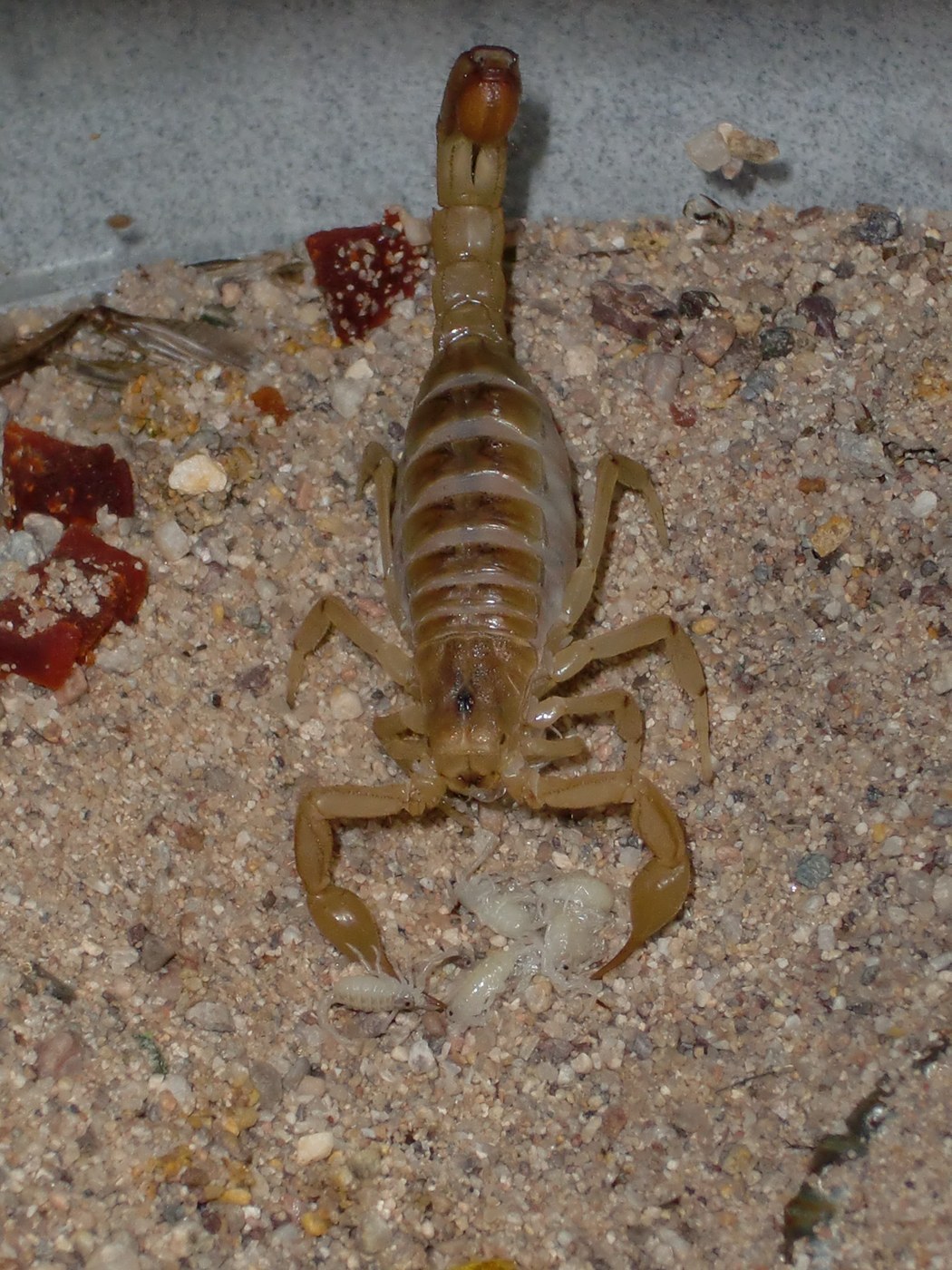
Arizona Bark Scorpion
Rocky desert terrain, tree bark, and structures in the Southwest
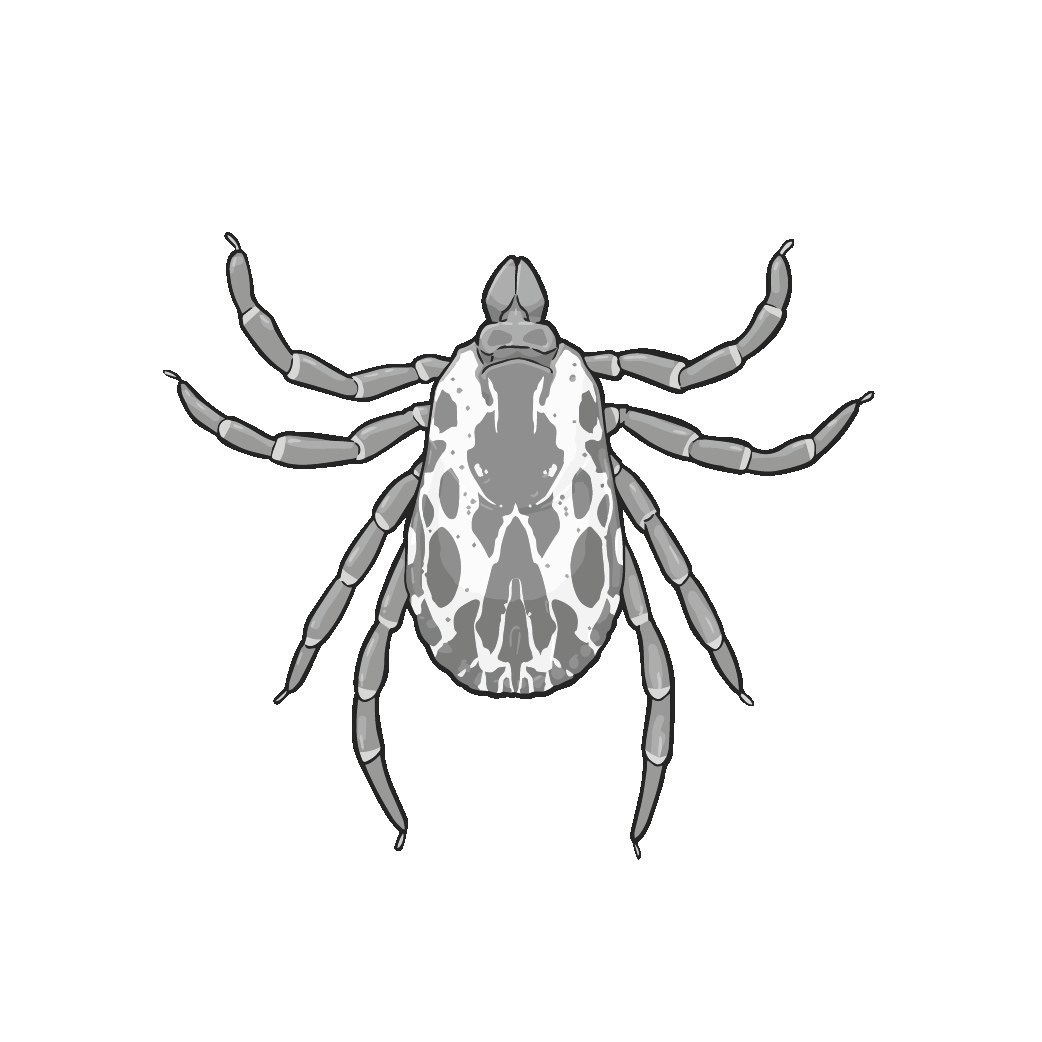
Tick
Tall grass, brush, woodland edges, and animal trails
Soil Mite
Soil, leaf litter, moss, and decaying organic matter worldwide
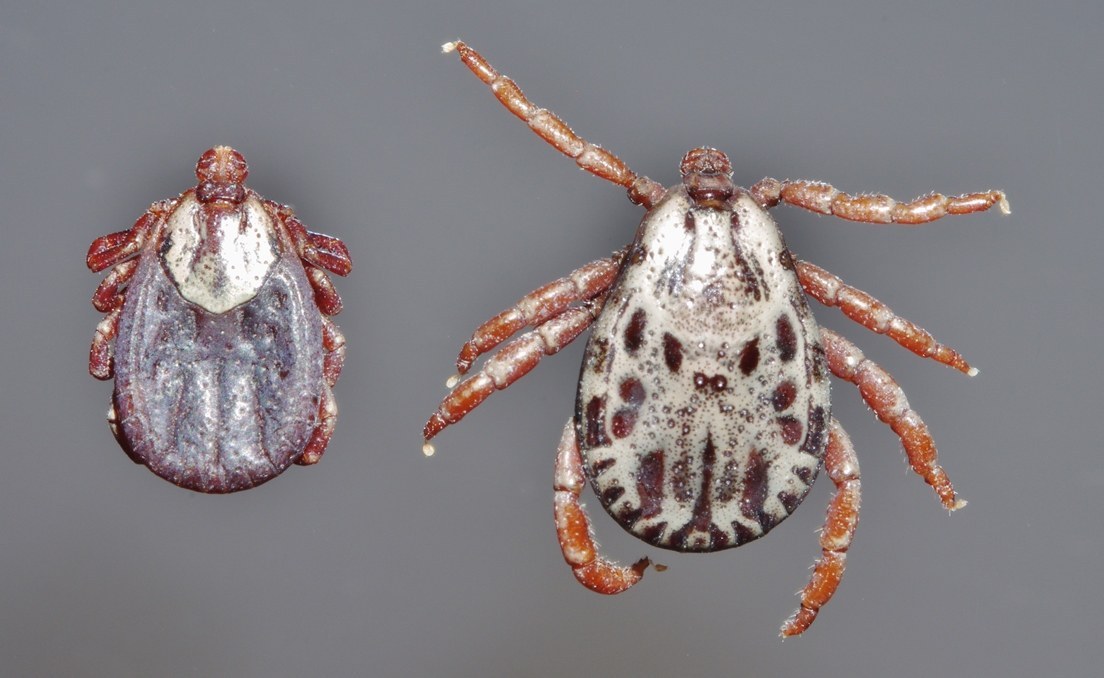
Rocky Mountain Wood Tick
Sagebrush shrublands, grasslands, and montane forest edges
Two-Spotted Spider Mite
Undersides of leaves on garden plants, crops, and houseplants
Spider Mite
Undersides of leaves on garden plants, houseplants, and field and orchard crops worldwide
Whip Scorpion
Tropical and subtropical caves, tree bark, and rock crevices worldwide