
Emperor Scorpion
Pandinus imperator
A massive, glossy black scorpion with heavy, oversized pincers built for crushing prey rather than stinging it, the emperor scorpion is one of the biggest and most recognizable scorpions on Earth. It digs deep burrows in rainforest soil and is unusual among scorpions for tolerating close family groups.
- Size
- 15–20 cm (6–8 in) long, one of the largest scorpion species
- Habitat
- Humid tropical rainforest and savanna of West and Central Africa
- Danger
- Stings
Spotted a bug like this?
Identify any bug or insect from a photo, free.
Overview
The emperor scorpion is native to the rainforests and adjoining savanna of West and Central Africa, including Ghana, Togo, Benin, Nigeria, and the Congo basin. It is among the largest scorpion species in the world by mass and overall length, and its size and dramatic appearance have made it one of the best-known scorpions globally.
Unlike many scorpions that rely primarily on venom to subdue prey, the emperor scorpion's oversized, heavily armored pedipalps (pincers) do most of the work, crushing and holding insects while the shorter, thicker tail is reserved mainly for defense.
How to Identify
- Large, robust body up to 20 cm long, among the heaviest of all scorpion species
- Uniform glossy black to dark brownish-purple coloration, sometimes with a faint sheen
- Disproportionately large, heavily ridged pincers (pedipalps) compared to a relatively short, thick tail
- Sturdy, spined legs adapted for digging
- Rows of comb-like sensory organs (pectines) visible on the underside of the abdomen
- Fluoresces pale blue-green under ultraviolet light, a trait shared with most scorpion species
Habitat & Range
Emperor scorpions inhabit humid tropical rainforest, forest edge, and savanna woodland across West and Central Africa. They dig and maintain burrows in moist soil, often near stream banks, rotting logs, or termite mounds, retreating underground during the day where humidity stays high.
Behavior & Diet
This species is nocturnal, emerging after dark to hunt insects and other small arthropods, which it captures and crushes with its large pincers. It is a burrowing animal, excavating tunnels that can extend a meter or more, and it is one of the few scorpion species known to tolerate living in small family groups within the same burrow system. As a predator, it plays a role in regulating populations of the insects and other invertebrates it feeds on within the rainforest floor ecosystem.
Life Cycle
Like all scorpions, the emperor scorpion is viviparous, giving birth to live young rather than laying eggs. After birth, the pale, soft-bodied young (scorplings) climb onto their mother's back, where they remain protected until their first molt. Juveniles molt several times over one to two years as they grow toward adulthood, and adults can live for several years, among the longer lifespans recorded for scorpions.
Frequently asked questions
Why are the emperor scorpion's pincers so much bigger than its tail?
Its large pedipalps are adapted for physically crushing and holding prey, so it relies less on its tail and venom than many smaller, thinner-clawed scorpion species do.
Where do emperor scorpions live in the wild?
They are native to humid rainforest and savanna habitats across West and Central Africa, where they dig burrows in moist soil.
Do emperor scorpions glow under blacklight?
Yes, like nearly all scorpions their exoskeleton fluoresces a pale blue-green color under ultraviolet light.
What do emperor scorpions eat?
They are nocturnal predators of insects and other small arthropods, which they capture and crush with their large pincers.
Emperor Scorpion guides
In-depth guides for identifying, understanding, and living alongside Emperor Scorpion.
Other bugs you may enjoy
Wood Tick
Grassland, shrub-steppe, and open woodland of western North America
Yellow Scorpion
Arid scrubland, rocky slopes, and desert margins
Whip Spider
Tropical caves, rainforest leaf litter, and under bark
Water Mite
Ponds, lakes, streams, and other freshwater bodies
American Dog Tick
Grassy fields, trails, and low vegetation near woodlands
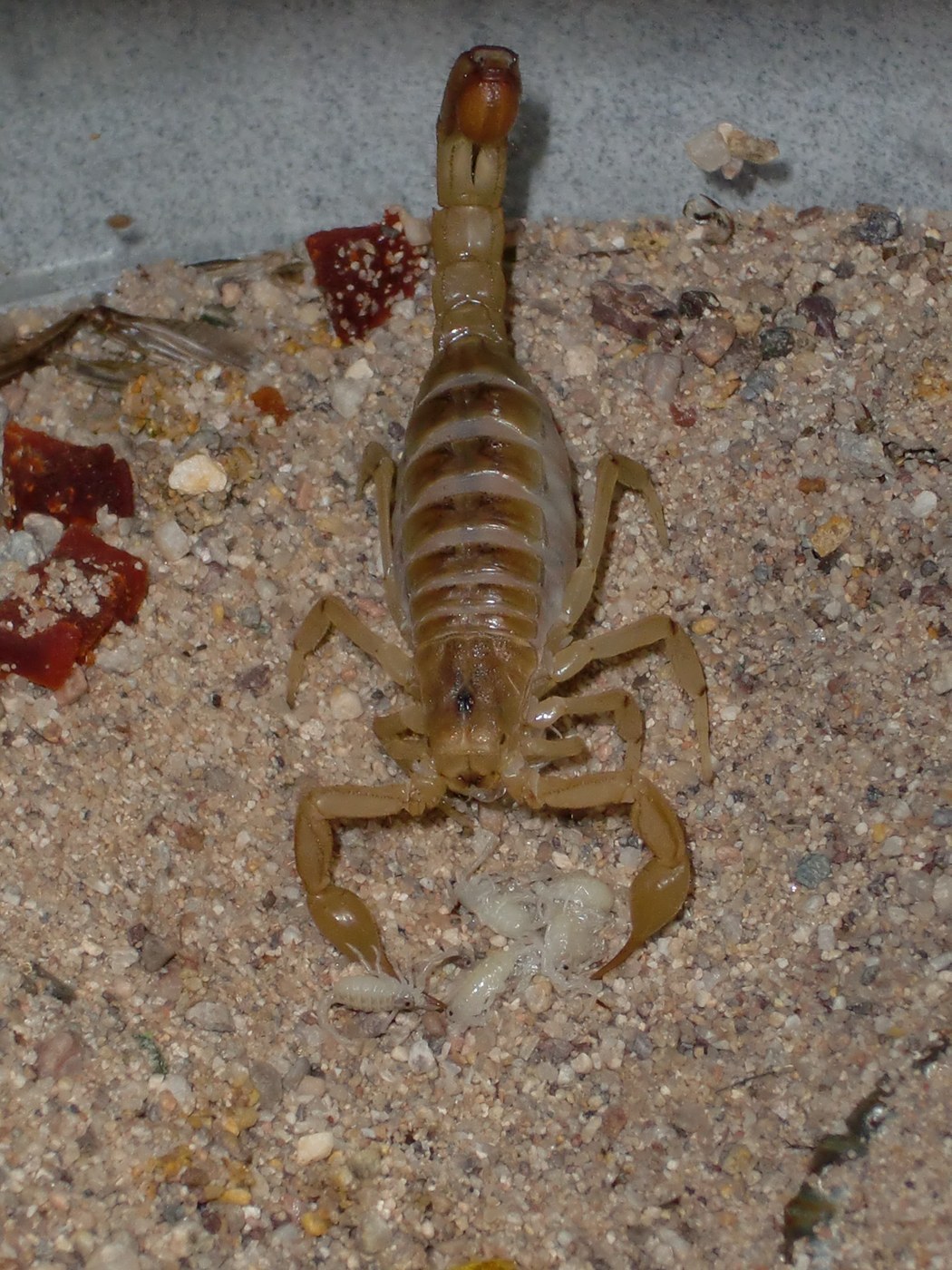
Arizona Bark Scorpion
Rocky desert terrain, tree bark, and structures in the Southwest
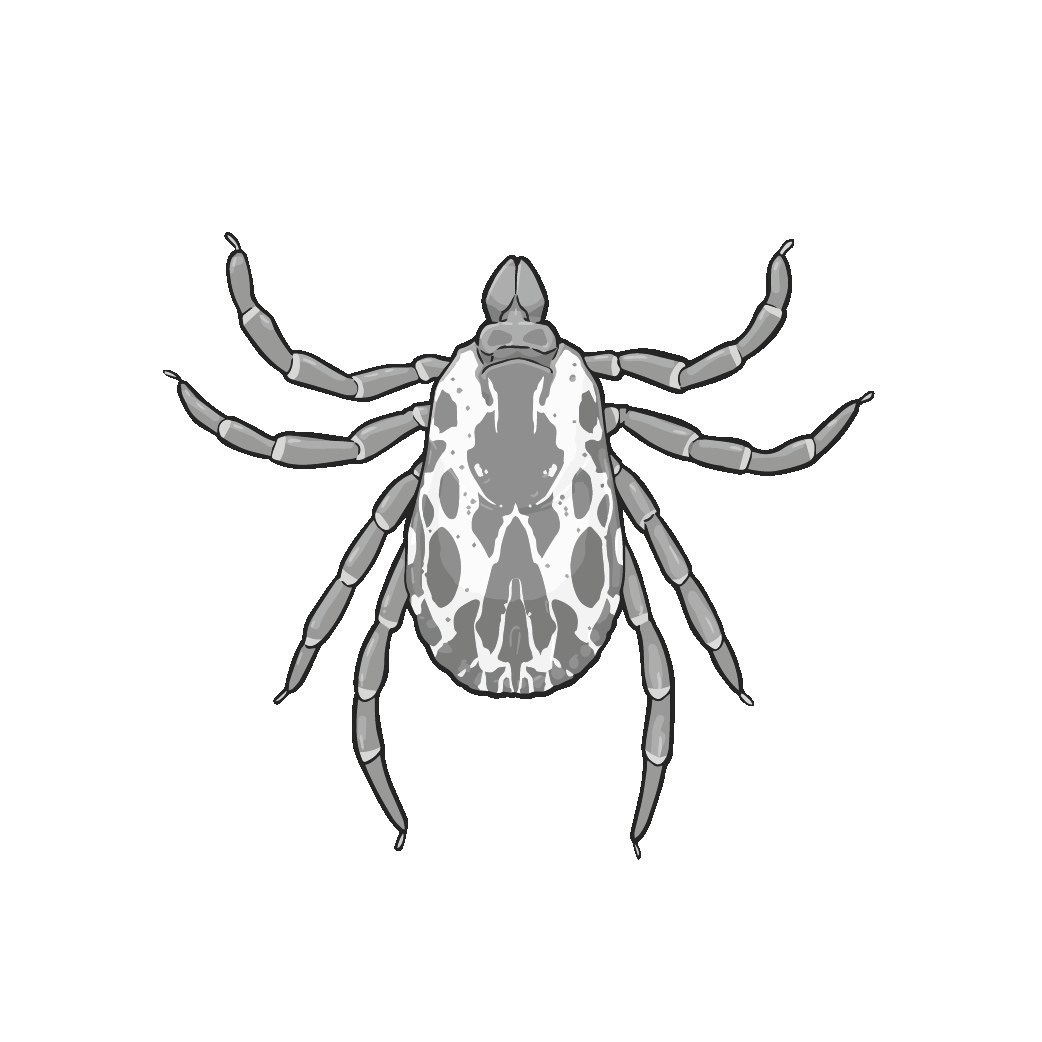
Tick
Tall grass, brush, woodland edges, and animal trails
Soil Mite
Soil, leaf litter, moss, and decaying organic matter worldwide
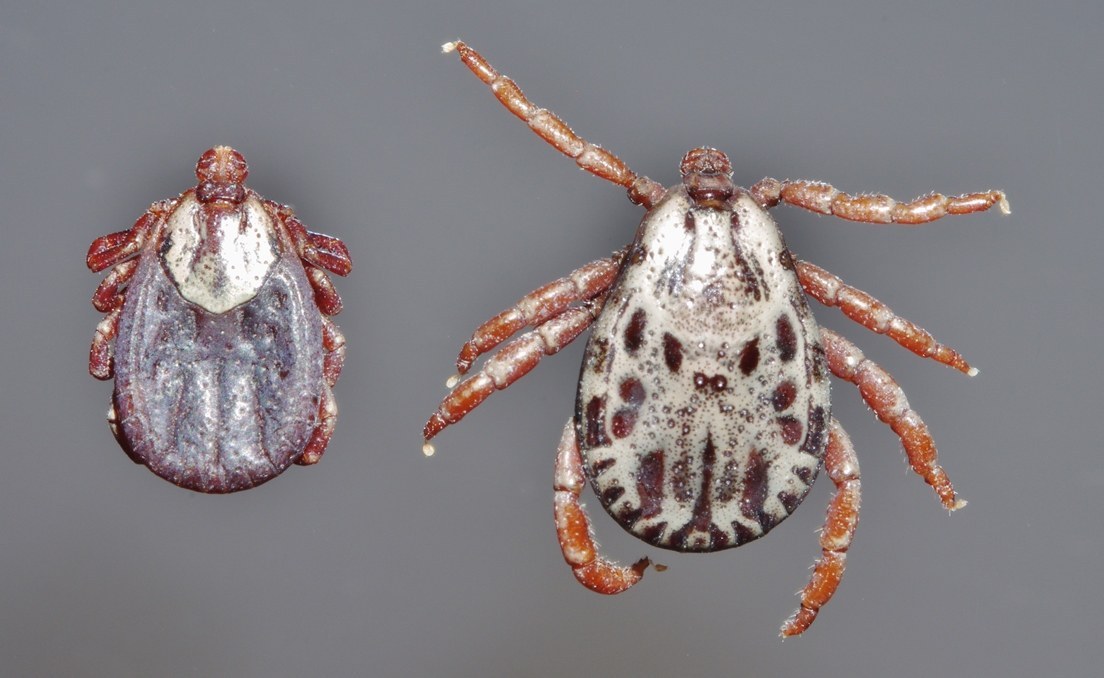
Rocky Mountain Wood Tick
Sagebrush shrublands, grasslands, and montane forest edges
Two-Spotted Spider Mite
Undersides of leaves on garden plants, crops, and houseplants
Spider Mite
Undersides of leaves on garden plants, houseplants, and field and orchard crops worldwide
Whip Scorpion
Tropical and subtropical caves, tree bark, and rock crevices worldwide