
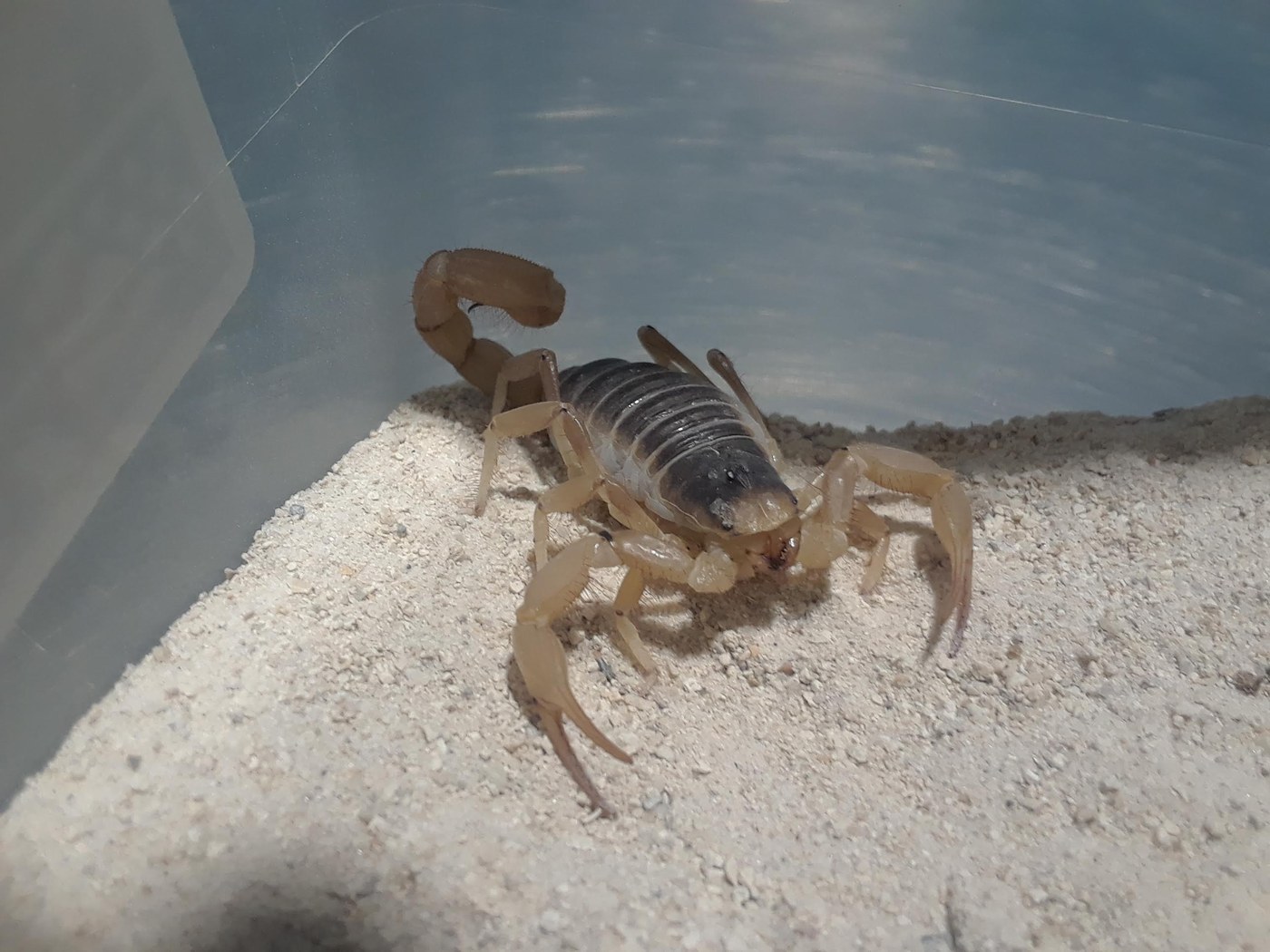
Giant Desert Hairy Scorpion
Hadrurus arizonensis
The largest scorpion in North America, a robust golden-brown giant covered in fine bristles that digs deep burrows in the desert sand and hunts after dark.
- Size
- 12-14 cm (up to 5.5 in), North America's largest scorpion
- Habitat
- Arid deserts and sandy or rocky washes of the southwestern United States and northern Mexico
- Danger
- Stings
Spotted a bug like this?
Identify any bug or insect from a photo, free.
Overview
The giant desert hairy scorpion is the largest scorpion species found in North America, a heavily built arachnid instantly recognizable by its size and the fine hair-like setae covering its legs and body. It inhabits some of the harshest desert environments in the American Southwest, where it survives extreme heat and aridity by remaining hidden in burrows during the day.
Despite its imposing size and intimidating pincers, this species relies primarily on its strong claws to subdue prey rather than its sting, which is used mainly as a defensive last resort. Its bristled body surface is thought to help detect vibrations and air currents, aiding in prey and predator detection in the dark.
Giant desert hairy scorpions are important nocturnal predators within desert ecosystems, helping regulate populations of insects and other small arthropods across their arid range.
How to Identify
- Large, robust body reaching up to 14 cm, the biggest scorpion native to North America
- Body typically yellowish-tan to olive, with a darker greenish-black abdomen (tail segments)
- Covered in fine, pale hair-like setae, especially on the legs and pedipalps, giving it a bristly appearance
- Thick, muscular pincers (pedipalps) proportionally large compared to the relatively slender tail
- Under ultraviolet light, like most scorpions, it fluoresces a pale blue-green color
- Distinguished from bark scorpions by its much larger size and heavier build
Habitat & Range
This species is found throughout the Sonoran, Mojave, and Colorado deserts of California, Arizona, Nevada, Utah, and into northern Mexico. It favors sandy or gravelly soils in desert flats, washes, and rocky outcrops where it can excavate burrows.
It digs burrows up to a meter deep, which provide refuge from surface temperature extremes, and emerges primarily at night when temperatures drop and humidity rises slightly. Activity peaks during warm months, with scorpions retreating underground during the coldest winter periods.
Behavior & Diet
Giant desert hairy scorpions are solitary, nocturnal ambush predators that feed on a wide variety of desert arthropods, including insects, spiders, and even smaller scorpions, as well as occasional small lizards. They typically wait near their burrow entrance or actively forage on the surface after dark, using their sensitive setae to detect vibrations from prey.
Prey is seized and crushed with the powerful pincers, with the stinger reserved mainly for larger or more resistant prey and for defense against predators such as owls, bats, and other scorpions. As a keystone nocturnal predator, this species helps keep desert arthropod populations in balance.
Life Cycle
Like all scorpions, this species gives birth to live young rather than laying eggs, with females carrying developing embryos internally for several months to over a year depending on conditions. Newborn scorpions, pale and soft-bodied, climb onto the mother's back where they remain protected until their first molt.
Juveniles then disperse and begin independent life, growing through a series of molts over several years before reaching sexual maturity. Giant desert hairy scorpions are notably long-lived for arachnids, with some individuals surviving a decade or more in the wild.
Frequently asked questions
Is the giant desert hairy scorpion the largest scorpion in the United States?
Yes, it holds the title of the largest scorpion species native to North America, with adults reaching up to about 14 centimeters in length.
Why is its body covered in fine hairs?
The bristle-like setae covering its legs and body help it sense vibrations and air movement, which is useful for detecting prey and predators in the dark desert environment.
Does this scorpion use its sting often?
It relies mainly on its large, powerful pincers to catch and crush prey, using its sting mostly as a defensive response or against larger prey items.
Where does it hide during the day?
It spends daylight hours inside deep burrows it excavates in sandy or gravelly desert soil, emerging to hunt after dark when temperatures cool.
Giant Desert Hairy Scorpion guides
In-depth guides for identifying, understanding, and living alongside Giant Desert Hairy Scorpion.
Other bugs you may enjoy
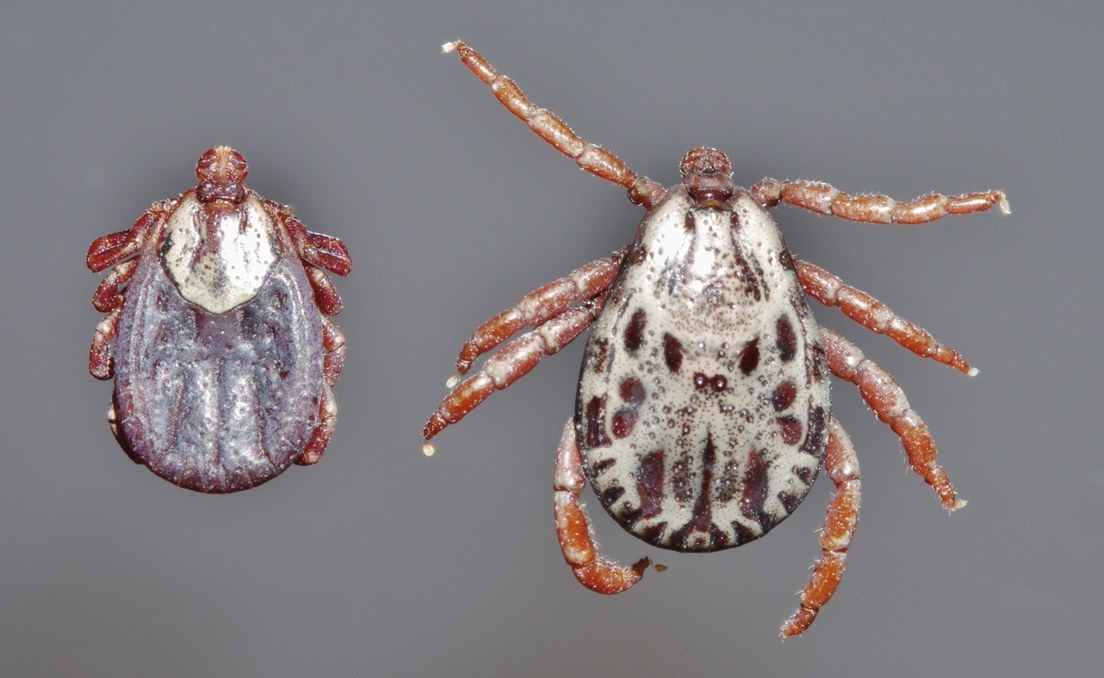
Wood Tick
Grassland, shrub-steppe, and open woodland of western North America
Yellow Scorpion
Arid scrubland, rocky slopes, and desert margins
Whip Spider
Tropical caves, rainforest leaf litter, and under bark
Water Mite
Ponds, lakes, streams, and other freshwater bodies
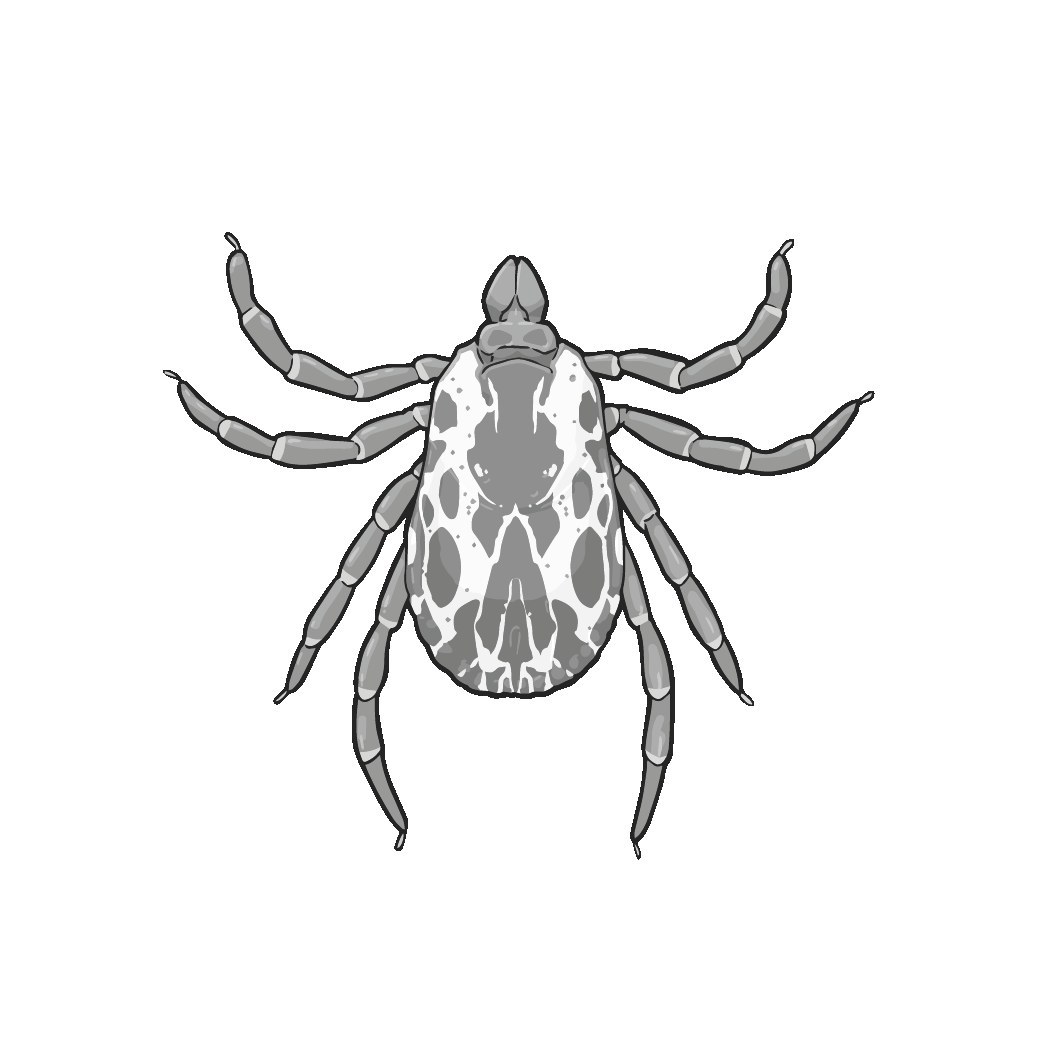
American Dog Tick
Grassy fields, trails, and low vegetation near woodlands
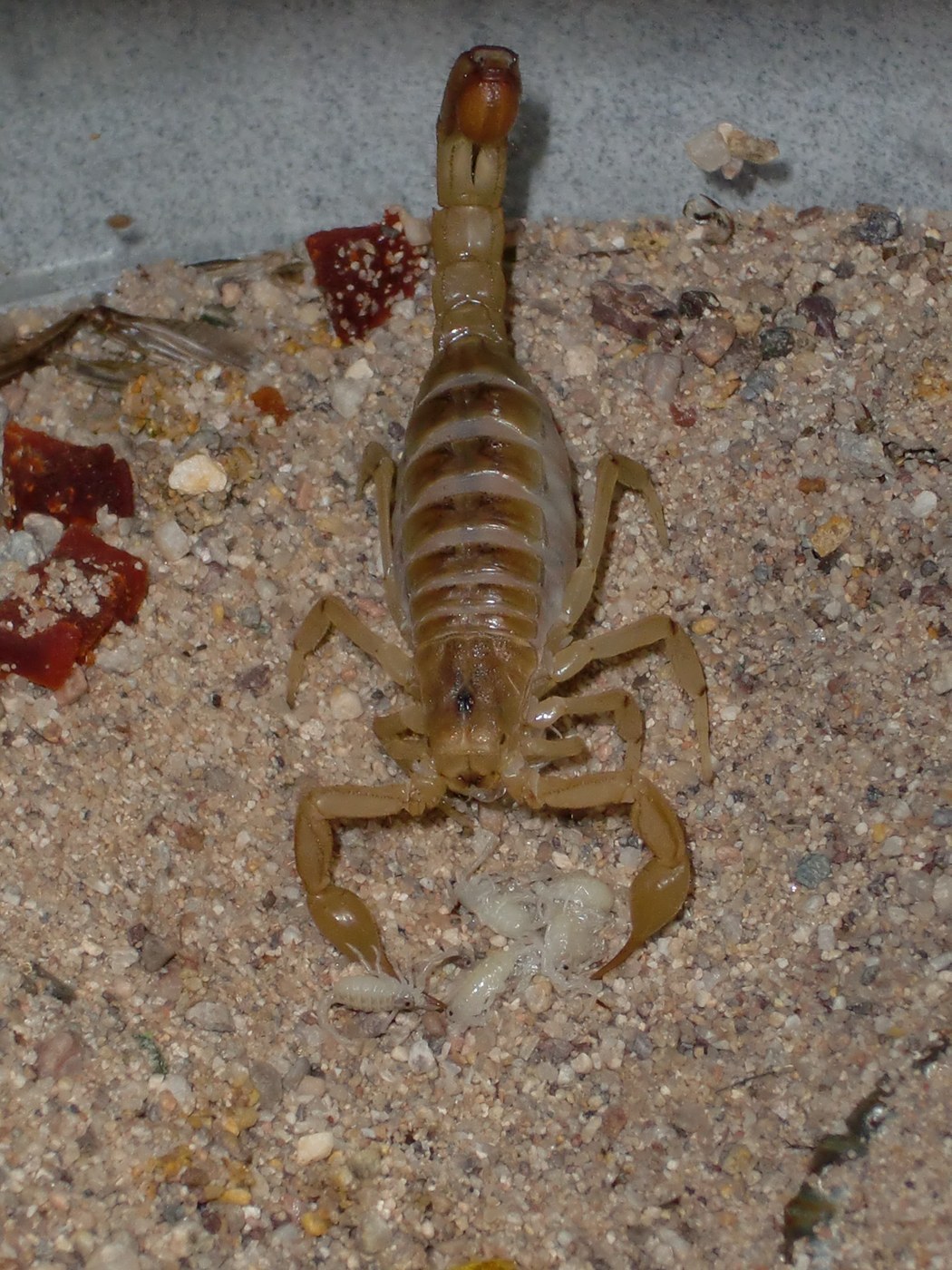
Arizona Bark Scorpion
Rocky desert terrain, tree bark, and structures in the Southwest
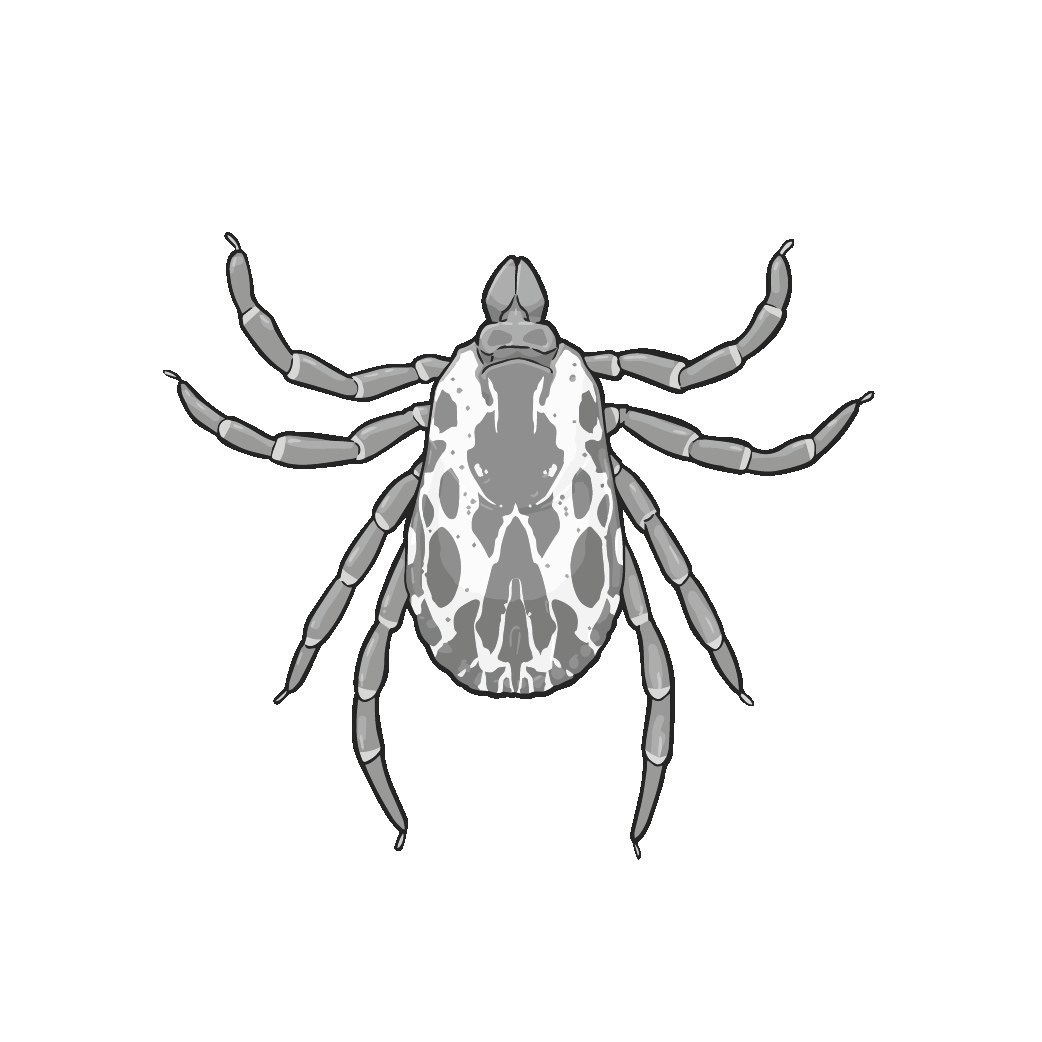
Tick
Tall grass, brush, woodland edges, and animal trails
Soil Mite
Soil, leaf litter, moss, and decaying organic matter worldwide
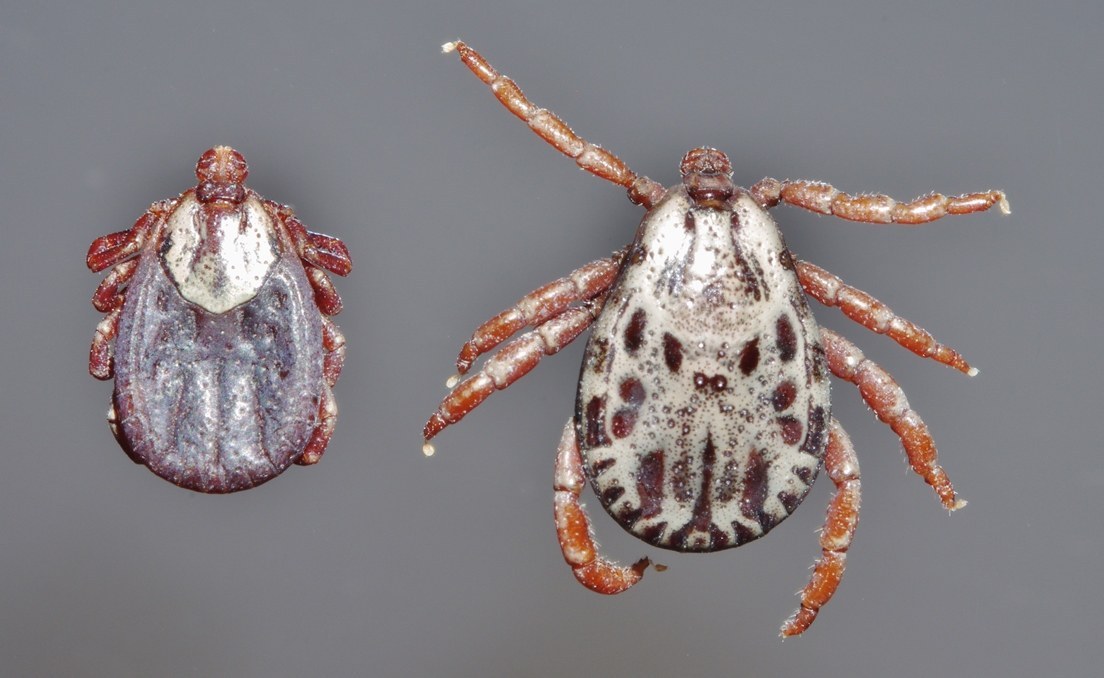
Rocky Mountain Wood Tick
Sagebrush shrublands, grasslands, and montane forest edges
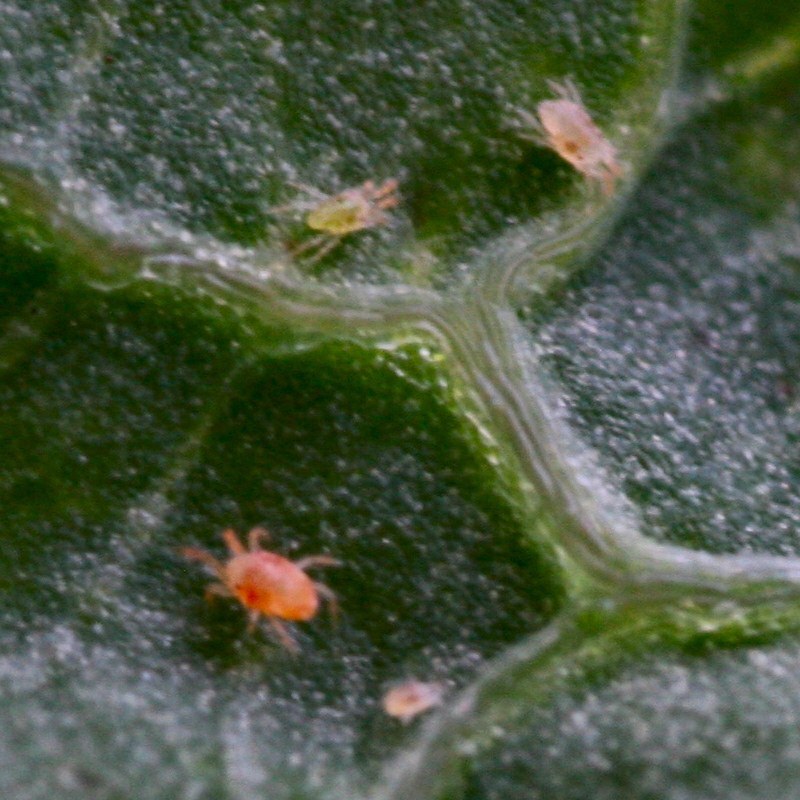
Two-Spotted Spider Mite
Undersides of leaves on garden plants, crops, and houseplants
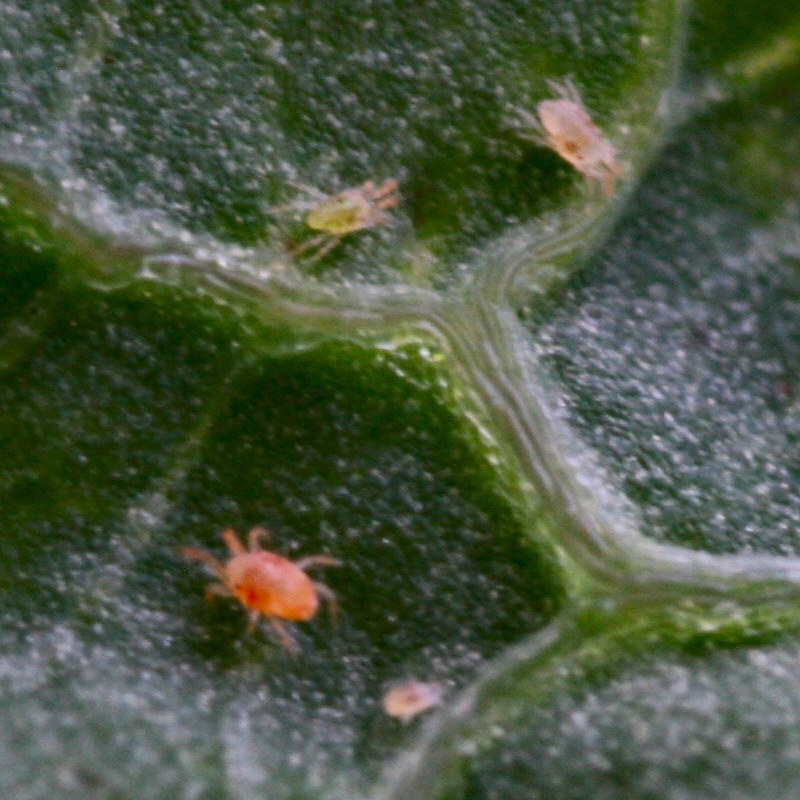
Spider Mite
Undersides of leaves on garden plants, houseplants, and field and orchard crops worldwide
Whip Scorpion
Tropical and subtropical caves, tree bark, and rock crevices worldwide