
Gnat
Culicoides spp.
A catch-all common name for a wide range of tiny, delicate flies, some no bigger than a grain of pepper, often seen hovering in small clouds near water, moist soil, or overripe produce.
- Size
- 1–5 mm
- Habitat
- Near standing water, moist soil, gardens, homes
- Danger
- Nuisance pest
Spotted a bug like this?
Identify any bug or insect from a photo, free.
Overview
"Gnat" is not a single scientific group but a broad, informal common name applied to many small, slender flies within the order Diptera, spanning several families including biting midges, black flies, fungus gnats, and eye gnats. What they share is a tiny body size, delicate build, and a tendency to appear in loose swarms, particularly near water, moist soil, or decaying organic matter.
Some gnats, such as biting midges (often called "no-see-ums"), have piercing mouthparts and feed on the blood of animals, while many others, including fungus gnats and most swarming gnats, feed only on nectar, plant fluids, fungi, or decaying organic material and do not bite at all. This mix of feeding strategies means the word "gnat" alone does not tell you whether a given insect bites, making close observation of the specific type important for accurate identification.
Despite their small size, gnats play meaningful ecological roles as decomposers, pollinators of certain small flowers, and as an abundant food source for spiders, dragonflies, birds, and bats.
How to Identify
- Very small, slender-bodied flies, generally under 5 mm, with a single pair of functional wings (a hallmark of true flies, order Diptera).
- Long, thin legs and thread-like antennae, often longer and more delicate in males.
- Coloring is typically dull gray, brown, or black, though some biting midges have subtly patterned wings visible under magnification.
- Behavior varies by type: some hover in loose mating swarms at dusk, while others land repeatedly on skin or hover near the face and eyes.
- Lookalikes among the many "gnat" types include fungus gnats (associated with damp soil and houseplants), fruit flies (rounder body, associated with ripe produce), and mosquitoes (larger, with a long piercing proboscis).
Habitat & Range
Gnats as a group are found worldwide, with different types favoring different microhabitats: biting midges and many swarming species breed near standing or slow-moving water, marshes, and damp soil, while other gnats are drawn to moist organic debris, compost, and overripe fruit. They are most active during warm, humid months, particularly at dawn and dusk, and can appear indoors when moisture-rich conditions such as damp potting soil or drains provide a breeding site.
Behavior & Diet
Feeding habits vary widely across the many insects grouped under "gnat": biting midges use piercing mouthparts to feed and can bite in search of a blood meal, while many other gnats feed on nectar, plant sap, fungi, or decaying organic matter and do not bite. Many species form loose aerial swarms, especially males, as part of mating behavior, often visible as a shifting cloud hovering over a lawn, doorway, or path at dusk. Ecologically, gnats and their larvae contribute to decomposition and nutrient cycling in damp soil and organic debris, and adults serve as an important food source for insectivorous birds, bats, and other predators.
Life Cycle
Eggs are typically laid in or near moist environments such as standing water, damp soil, or decaying organic matter, and the larvae that hatch are small, worm-like, and legless, feeding on organic material, algae, or fungi depending on the species. Larvae undergo complete metamorphosis, passing through several molts before forming a pupa, from which the winged adult eventually emerges. Development from egg to adult can be very rapid in warm, moist conditions, sometimes just one to two weeks, allowing multiple overlapping generations throughout the warmer months.
Frequently asked questions
Do all gnats bite?
No. "Gnat" is a broad common name covering many unrelated small flies; some, like certain biting midges, have piercing mouthparts, while many others, such as most fungus gnats, do not bite at all.
What is a 'no-see-um'?
It is a common nickname for tiny biting midges (Culicoides), so named because their extremely small size makes them hard to spot even when active.
How is a gnat different from a mosquito?
Gnats are generally smaller and lack the long, forward-pointing piercing proboscis characteristic of mosquitoes, though both belong to the order of true flies.
Where do gnats typically breed?
Depending on the type, near standing water, damp soil, moist organic debris, or overripe fruit, all of which provide the moisture their larvae require.
Gnat guides
In-depth guides for identifying, understanding, and living alongside Gnat.
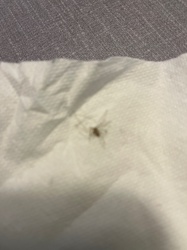
Gnat identified by the community
Real finds identified with Bug Identifier.

Other bugs you may enjoy
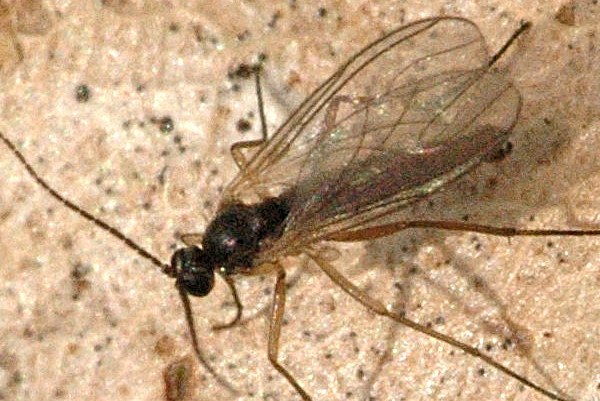
Aphid Midge
Gardens, greenhouses, and crops with aphids
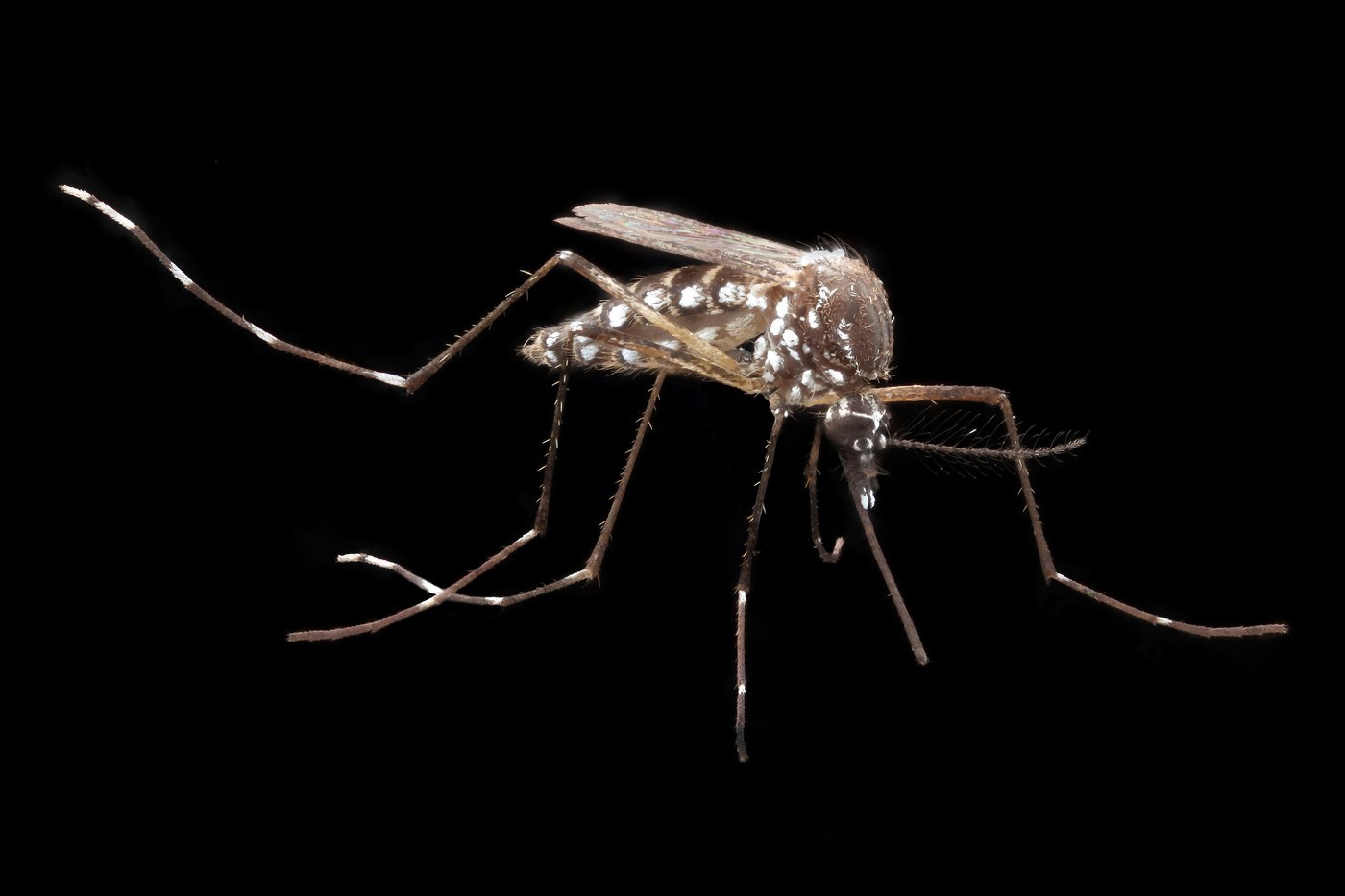
Yellow Fever Mosquito
Urban and peri-urban areas near small artificial water containers in tropical and subtropical regions worldwide
Root Maggot
Garden and field soil around the roots of cole crops and other vegetables
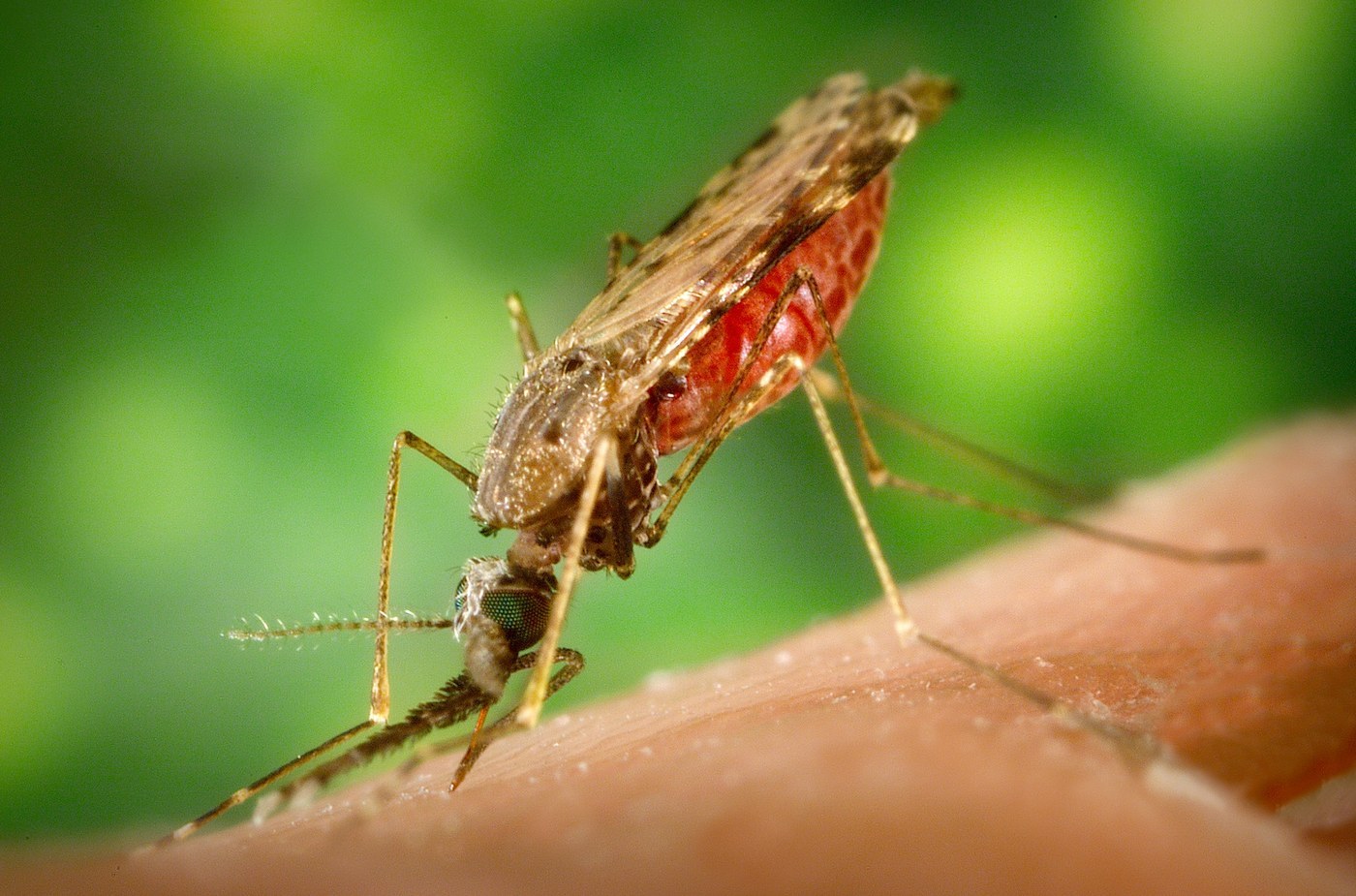
Anopheles Mosquito
Clean, still or slow-moving freshwater habitats such as marshes, ponds, and rice paddies
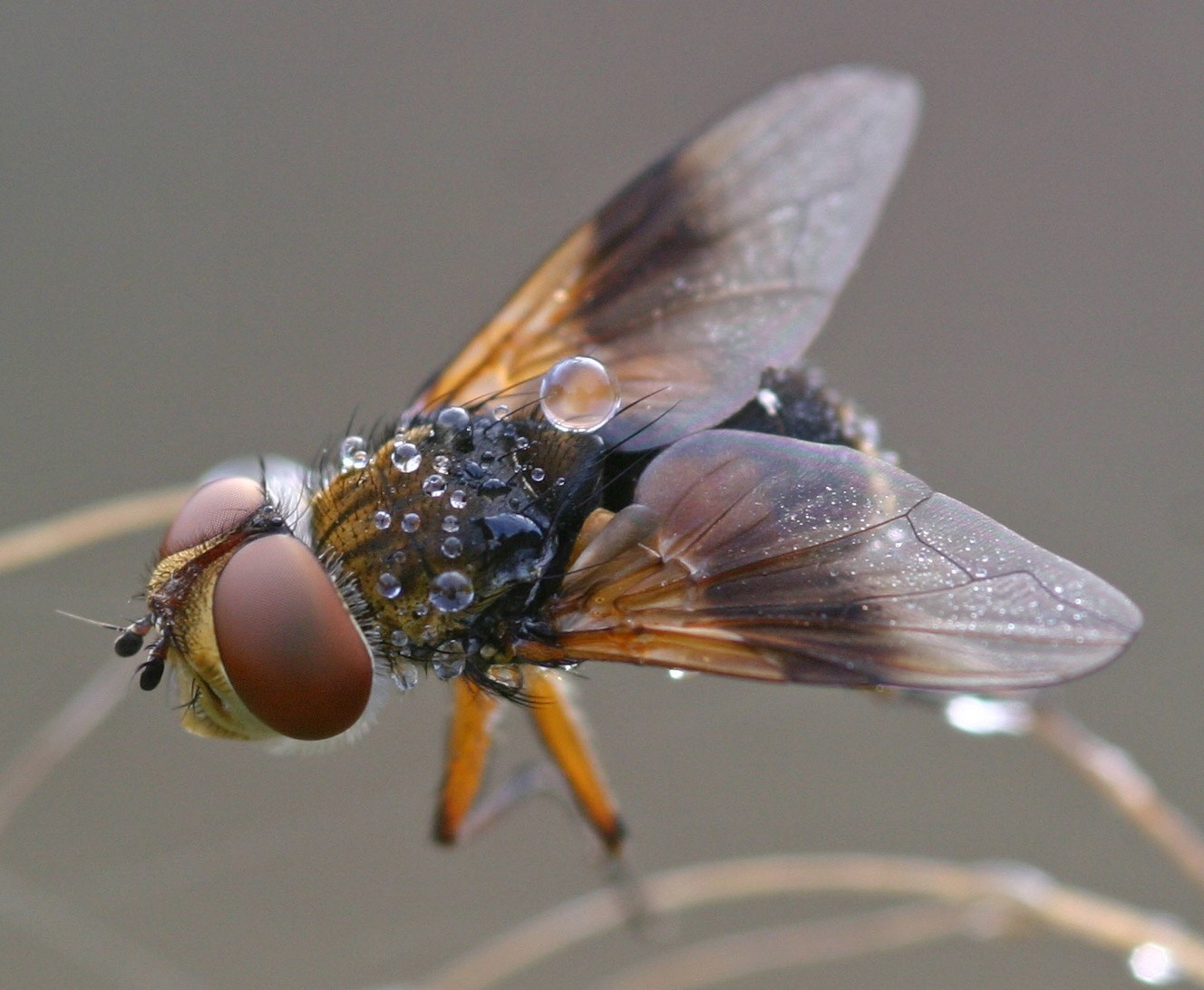
Tachinid Fly
Gardens, meadows, and woodlands wherever host caterpillars and other insects occur
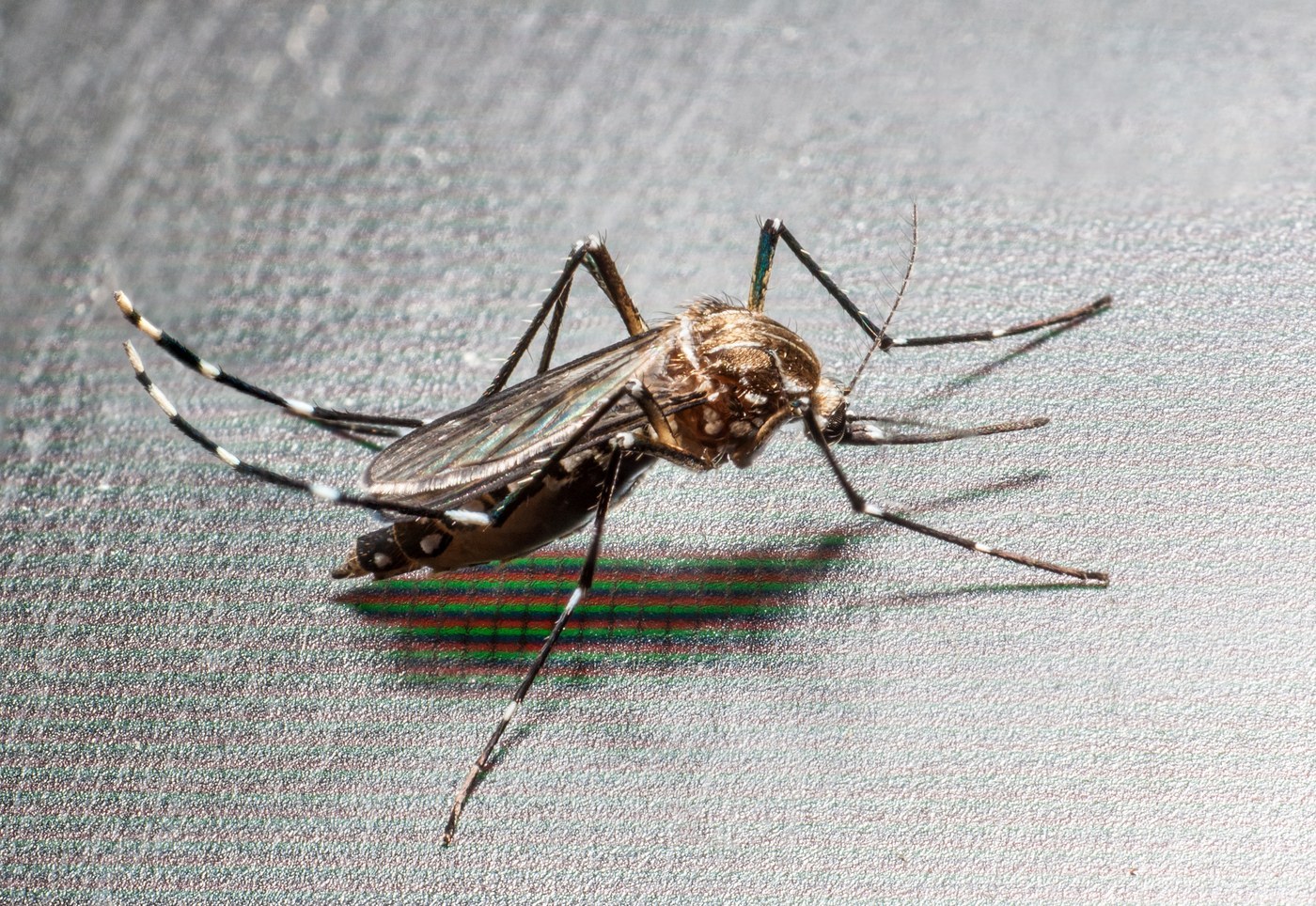
Asian Tiger Mosquito
Shaded urban and suburban areas near small water-holding containers, tires, and tree holes; native to Southeast Asia, now widespread
Tsetse Fly
Wooded savanna, riverine thickets, and forest edges across sub-Saharan Africa
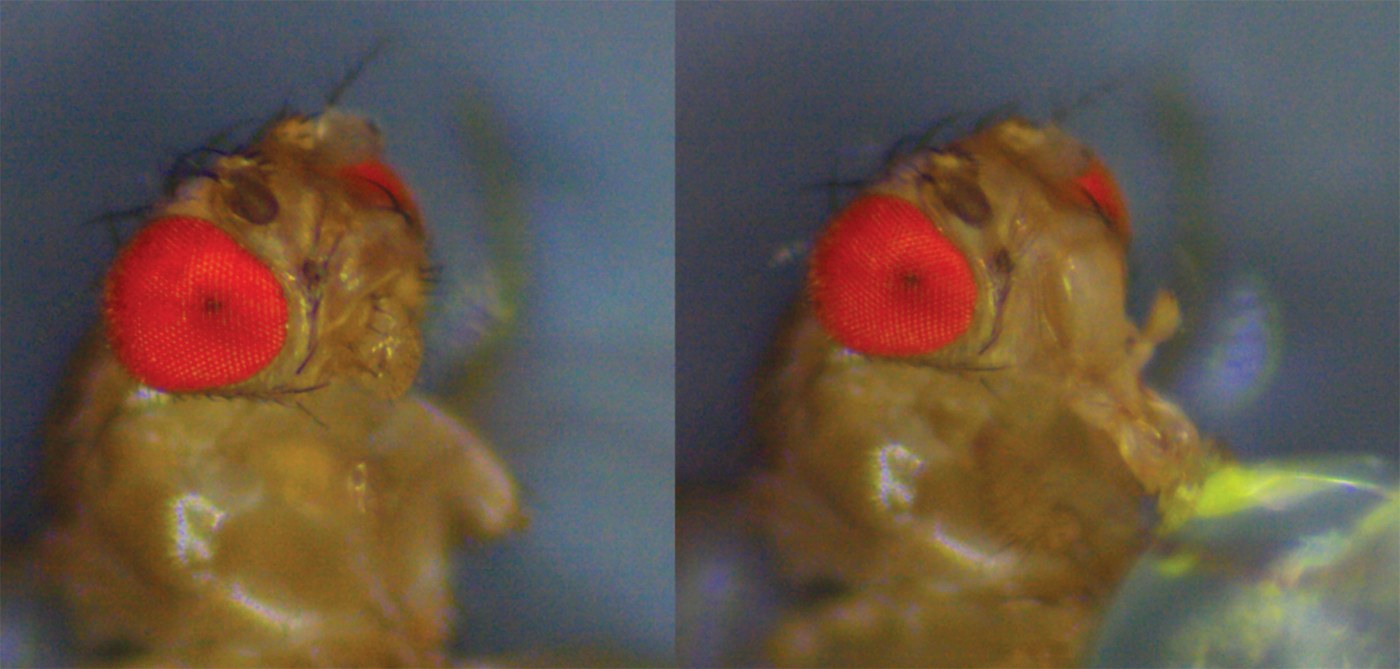
Vinegar Fly
Around overripe fruit, compost, and fermenting materials worldwide
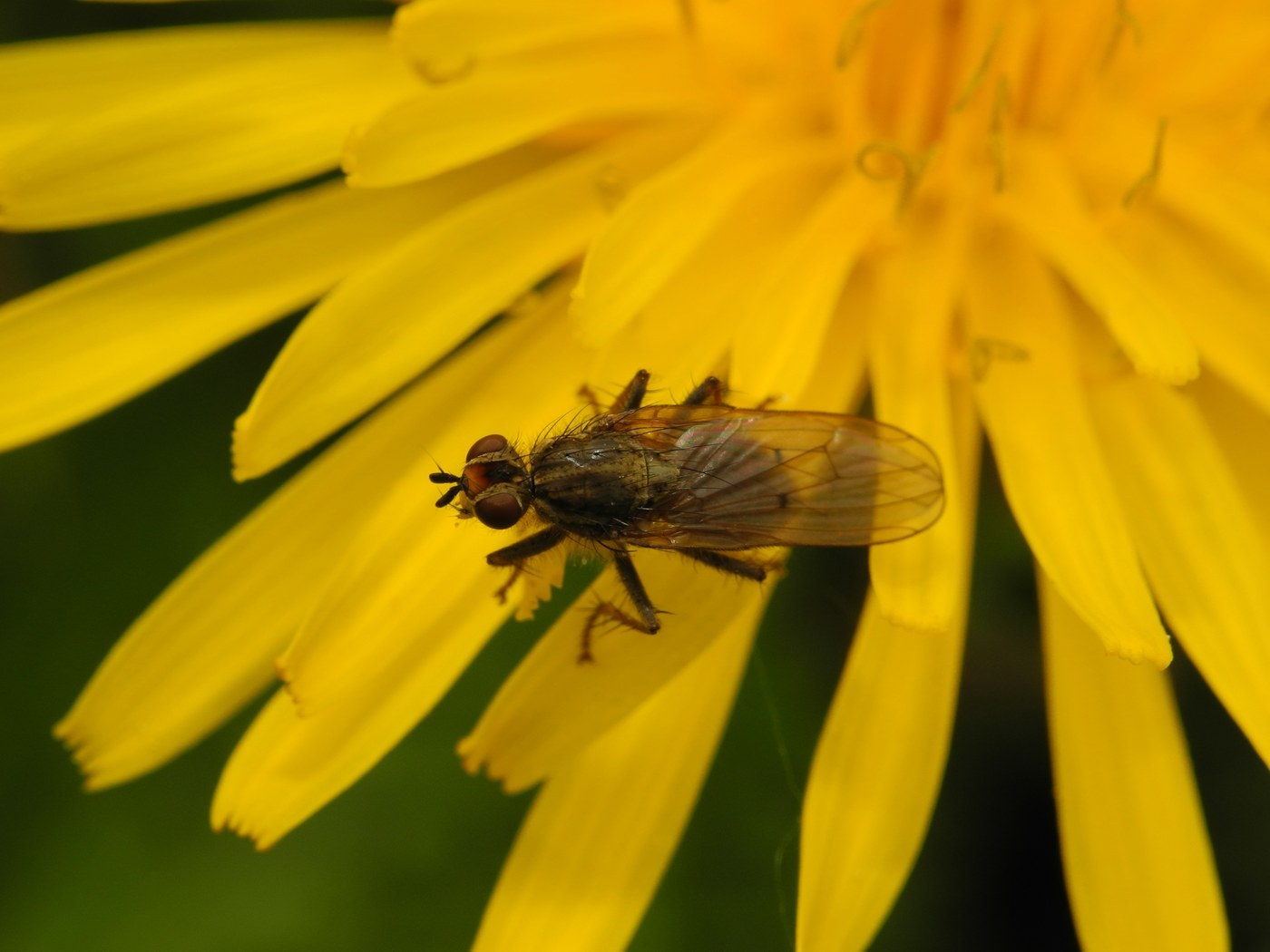
Yellow Dung Fly
Pastures and fields with fresh cattle dung
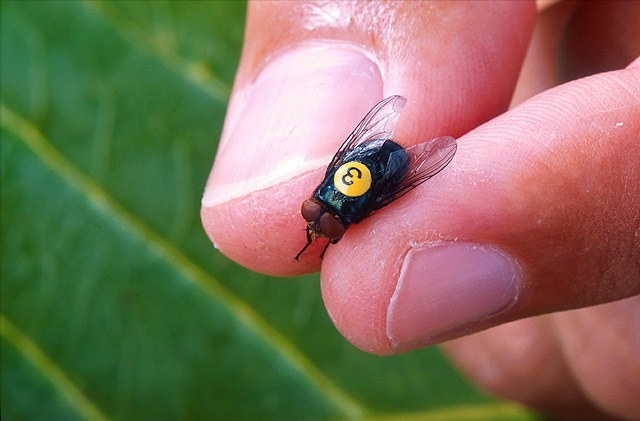
Screwworm Fly
Warm, humid lowlands of the Americas, especially near livestock and wildlife wounds
Soldier Fly
Wetland margins, decaying organic matter, and vegetation near water
Punkie
near marshes, mudflats, ponds, and other standing water