
Greenhead Fly
Tabanus nigrovittatus
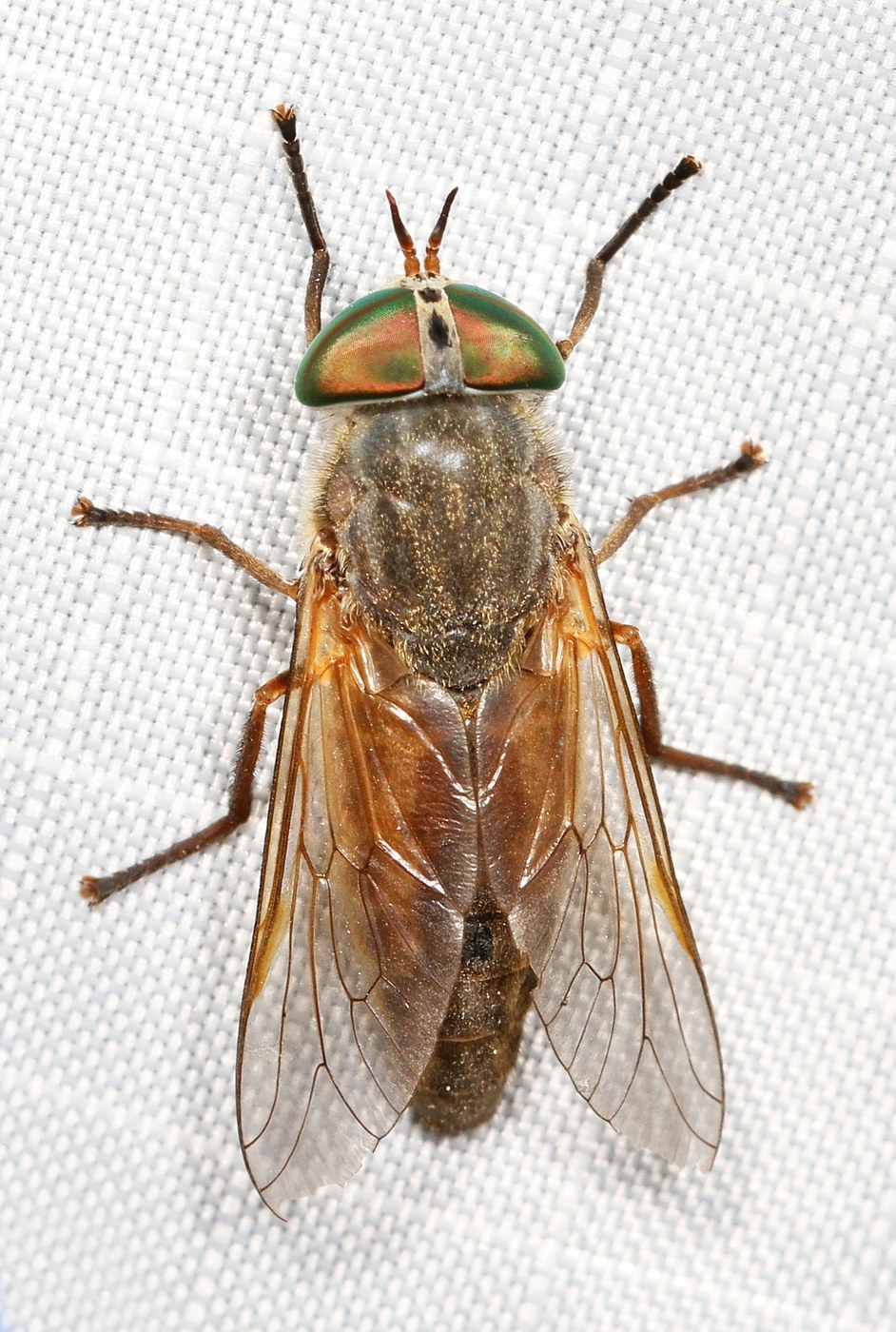
A stout, strikingly green-eyed horse fly that emerges from Atlantic salt marshes in midsummer swarms, where the females bite to feed on blood.
- Size
- 10–13 mm
- Habitat
- coastal salt marshes and nearby beaches
- Danger
- Bites
Spotted a bug like this?
Identify any bug or insect from a photo, free.
Overview
The greenhead fly is a species of horse fly in the genus Tabanus, named for its large, iridescent green compound eyes that stand out against a dark, robust body. It is best known along the Atlantic coast of North America, where dense populations emerge from salt marsh nursery grounds in mid to late summer and become a seasonal nuisance on nearby beaches and dunes.
Like other horse flies, only the females bite, feeding on the blood of a host to develop their eggs, while males restrict themselves to nectar and plant fluids. Greenheads are strong, fast fliers capable of covering long distances from marsh to beach in search of a blood meal.
Ecologically, greenhead larvae are voracious predators within the marsh mud, feeding on other invertebrates, and the adults in turn serve as prey for birds and dragonflies, making them one link in the coastal marsh food web despite their reputation as a summer pest.
How to Identify
- Stout, robust fly, 10–13 mm long, larger than a house fly
- Large, iridescent green to gold compound eyes, often patterned
- Dark gray to black body with a somewhat flattened abdomen
- Wings are clear to smoky, held flat over the back at rest
- Lookalikes: deer flies are smaller with patterned wings and a narrower body; other Tabanus species lack the vivid green eye coloring
Habitat & Range
Greenhead flies are tied closely to Atlantic coast salt marshes from the Canadian Maritimes down through the Gulf coast, where their larvae develop in marsh mud. Adults are most abundant from roughly late June through August, moving from the marshes onto adjacent beaches, dunes, and coastal towns, especially on warm, calm, sunny days.
Behavior & Diet
Female greenheads are persistent daytime fliers that use vision and heat cues to locate hosts, often approaching in a fast, direct flight and returning repeatedly if driven off. Males do not bite and instead feed on nectar and plant sap. Larvae live in the anaerobic mud of salt marshes, where they are active predators on smaller invertebrates including worms and insect larvae, making them a significant predatory presence within the marsh benthic community.
Life Cycle
Females lay egg masses on marsh vegetation just above the waterline, and larvae drop into the mud upon hatching. Larvae overwinter in the marsh substrate, feeding and growing through the cooler months before pupating in spring in slightly drier marsh soil. Adults emerge in a synchronized burst in early to midsummer, producing the dense, short-lived swarms characteristic of the species, with generally one generation completed per year.
Frequently asked questions
Why do only some greenhead flies bite?
Only females bite, needing a blood meal to develop their eggs, while males feed exclusively on nectar and plant fluids.
When are greenhead flies most active?
They are most numerous in mid to late summer, generally from late June through August, especially on warm, sunny, low-wind days.
Why are they called greenheads?
The name refers to their large, strikingly iridescent green compound eyes, a feature that makes them easy to distinguish from other horse flies.
Where do greenhead fly larvae live?
Larvae develop in the mud of coastal salt marshes, where they act as predators on other small invertebrates before pupating in spring.
Greenhead Fly guides
In-depth guides for identifying, understanding, and living alongside Greenhead Fly.
Other bugs you may enjoy
Aphid Midge
Gardens, greenhouses, and crops with aphids
Yellow Fever Mosquito
Urban and peri-urban areas near small artificial water containers in tropical and subtropical regions worldwide
Root Maggot
Garden and field soil around the roots of cole crops and other vegetables
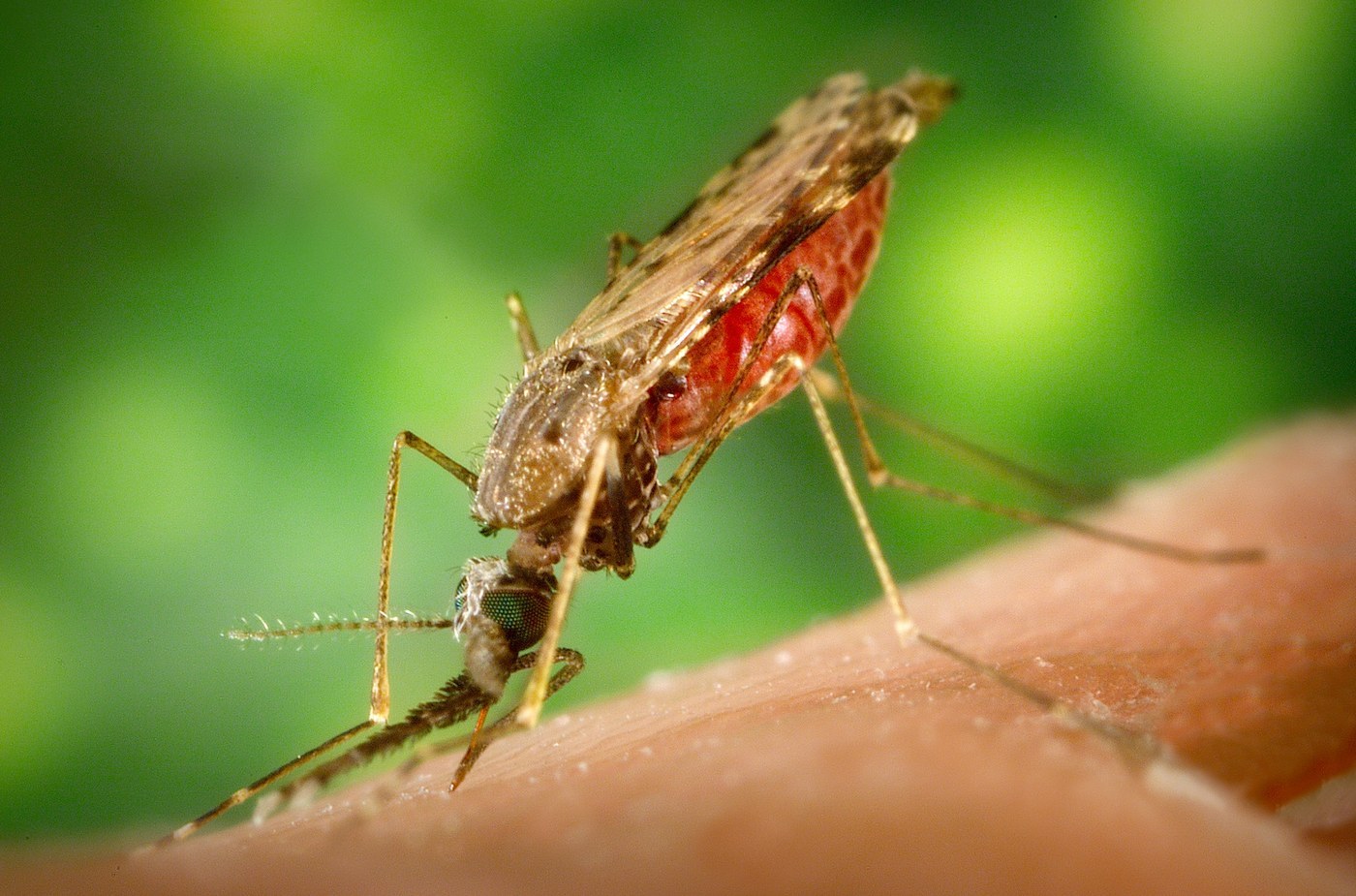
Anopheles Mosquito
Clean, still or slow-moving freshwater habitats such as marshes, ponds, and rice paddies
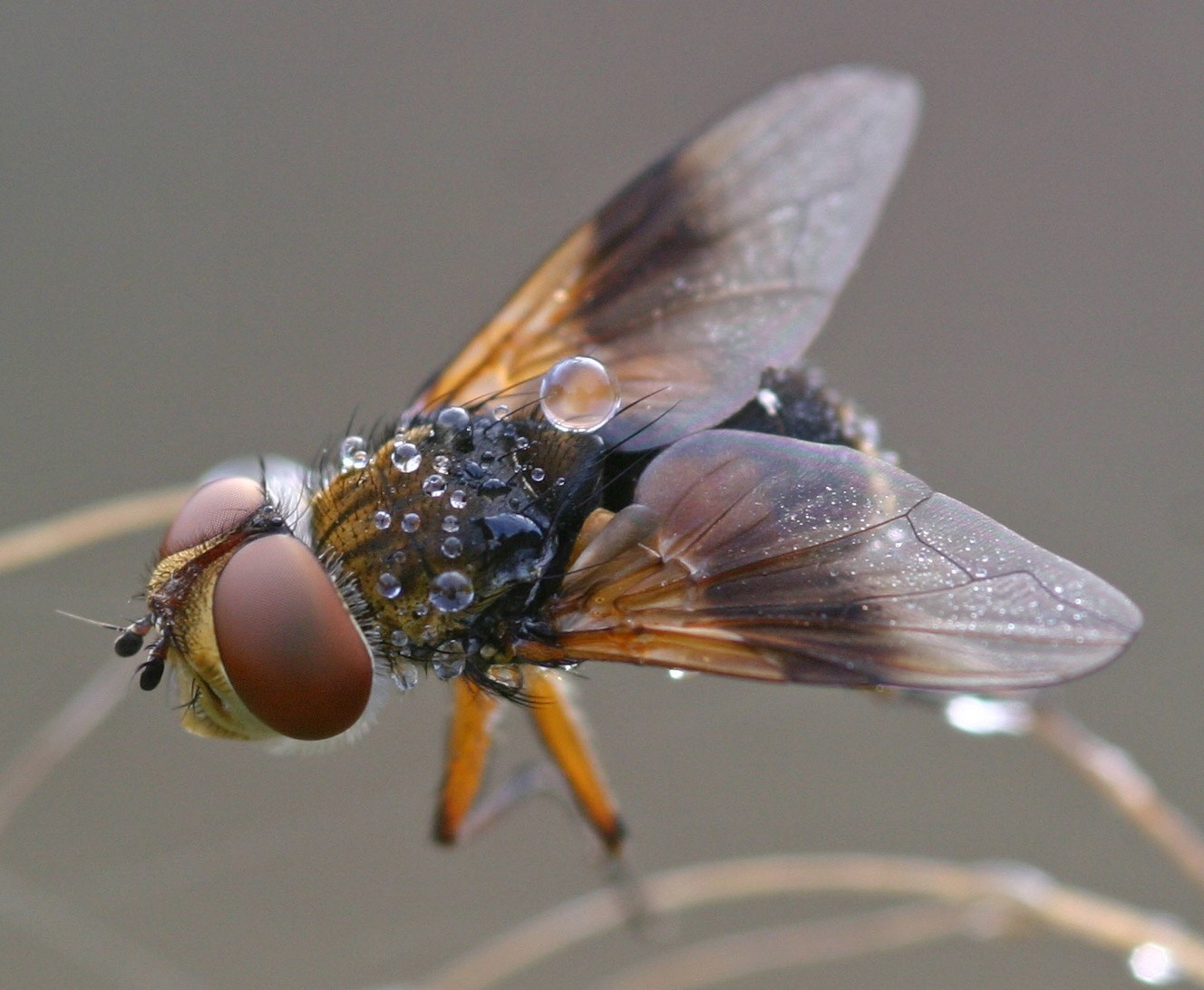
Tachinid Fly
Gardens, meadows, and woodlands wherever host caterpillars and other insects occur
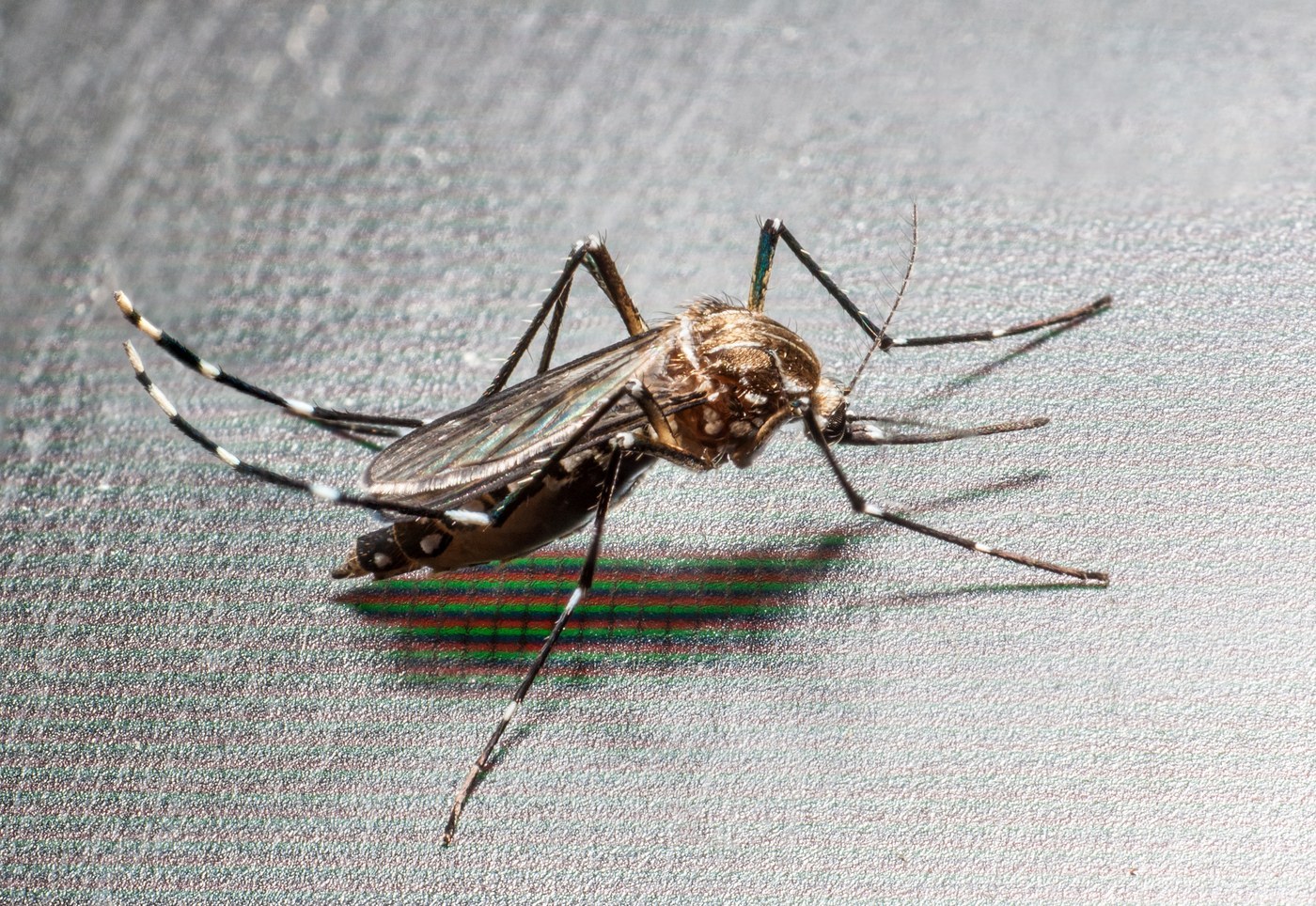
Asian Tiger Mosquito
Shaded urban and suburban areas near small water-holding containers, tires, and tree holes; native to Southeast Asia, now widespread
Tsetse Fly
Wooded savanna, riverine thickets, and forest edges across sub-Saharan Africa
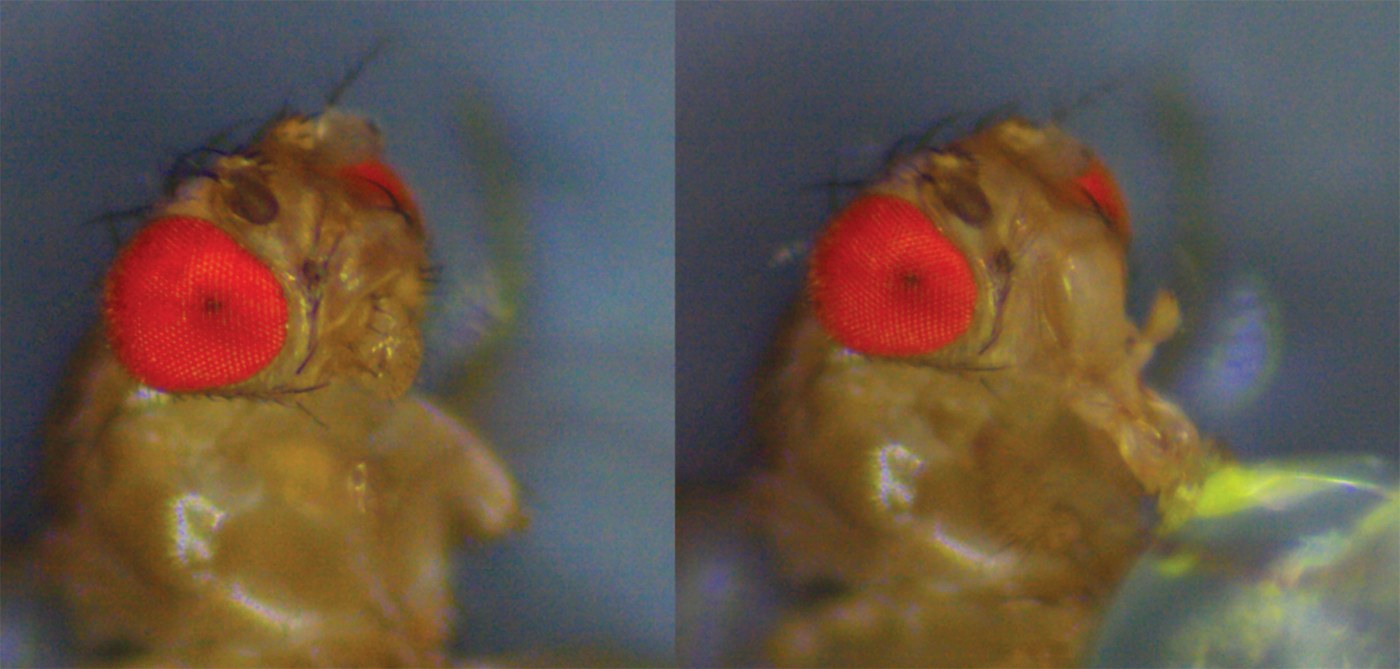
Vinegar Fly
Around overripe fruit, compost, and fermenting materials worldwide
Yellow Dung Fly
Pastures and fields with fresh cattle dung
Screwworm Fly
Warm, humid lowlands of the Americas, especially near livestock and wildlife wounds
Soldier Fly
Wetland margins, decaying organic matter, and vegetation near water
Punkie
near marshes, mudflats, ponds, and other standing water