
No-See-Um
Culicoides spp.
A speck-sized fly so tiny it seems to vanish from sight, yet capable of swarming exposed skin near beaches and marshes at dawn and dusk.
- Size
- 1-3 mm (about 0.04-0.1 in) long
- Habitat
- Sandy coastlines, marshes, and moist soil near still or slow-moving water
- Danger
- Bites
Spotted a bug like this?
Identify any bug or insect from a photo, free.
Overview
No-see-ums are among the smallest biting flies encountered by people, so minuscule that individuals are easily mistaken for floating specks of dust rather than living insects. Despite their size, they belong to the same family as biting midges and share their piercing, blood-feeding habits in females.
These insects are strongly tied to moist or saturated soils, especially in coastal marshes, mangrove edges, mudflats, and the margins of ponds and slow streams, where their larvae develop in damp substrate rather than open water. Their tiny size allows them to pass through standard window screening, which is part of why they can be so persistent a nuisance in coastal and wetland areas.
Activity peaks around dawn and dusk and on calm, humid, overcast days, since even a light breeze is often enough to ground these weak fliers.
How to Identify
- Extremely small body, often under 2 mm, appearing as a barely visible speck
- Grayish to brownish body with patterned, sometimes mottled wings under magnification
- Two wings held over the back at a slight angle when at rest
- Females have piercing mouthparts adapted for taking blood meals
- Nearly impossible to see clearly without magnification, distinguishing them from larger biting midges and mosquitoes
Habitat & Range
No-see-ums are widespread in coastal and wetland regions around the world, with particularly dense populations along sandy beaches, salt marshes, mangrove swamps, and mudflats. Larvae develop in consistently moist soil, sand, or decaying organic matter at the water's edge rather than in open water.
Adults are most active during calm, warm, humid conditions, especially around sunrise and sunset, and tend to disappear when winds pick up or temperatures drop.
Behavior & Diet
Females seek blood meals from a variety of hosts to develop their eggs, while males feed on nectar and plant fluids. Their small size and swarming behavior allow them to attack in numbers even though any single individual delivers only a tiny bite.
Larvae are predators or scavengers in the moist soil and decaying organic material where they develop, feeding on smaller organisms and detritus. Both larvae and adults form part of the food web in coastal and wetland ecosystems, serving as prey for larger insects, spiders, and insectivorous birds.
Life Cycle
Eggs are laid in small clusters on moist soil, mud, or decaying vegetation near the larval habitat. Larvae hatch within a few days and develop through four instars in the damp substrate, a process that can take several weeks depending on temperature and moisture.
Mature larvae pupate in the same moist habitat, and adults emerge after a short pupal period of a few days. Multiple generations can occur during warm months in favorable climates, with some populations overwintering as larvae in protected, moist soil until conditions improve.
Frequently asked questions
Why are no-see-ums so hard to spot?
They are extremely small, often under 2 millimeters long, which makes individuals look like tiny specks rather than recognizable insects.
Where do no-see-ums typically live?
They are most common along sandy coastlines, salt marshes, mangroves, and other areas with consistently moist soil near water.
Can no-see-ums pass through window screens?
Their tiny size allows many to pass through standard window screening, which is part of why they can be persistent near coastal and wetland homes.
When are no-see-ums most active?
They are typically most active during calm, humid conditions around dawn and dusk, and are less active in windy or cooler weather.
No-See-Um guides
In-depth guides for identifying, understanding, and living alongside No-See-Um.
No-See-Um identified by the community
Real finds identified with Bug Identifier.
Other bugs you may enjoy
Aphid Midge
Gardens, greenhouses, and crops with aphids
Yellow Fever Mosquito
Urban and peri-urban areas near small artificial water containers in tropical and subtropical regions worldwide
Root Maggot
Garden and field soil around the roots of cole crops and other vegetables
Anopheles Mosquito
Clean, still or slow-moving freshwater habitats such as marshes, ponds, and rice paddies
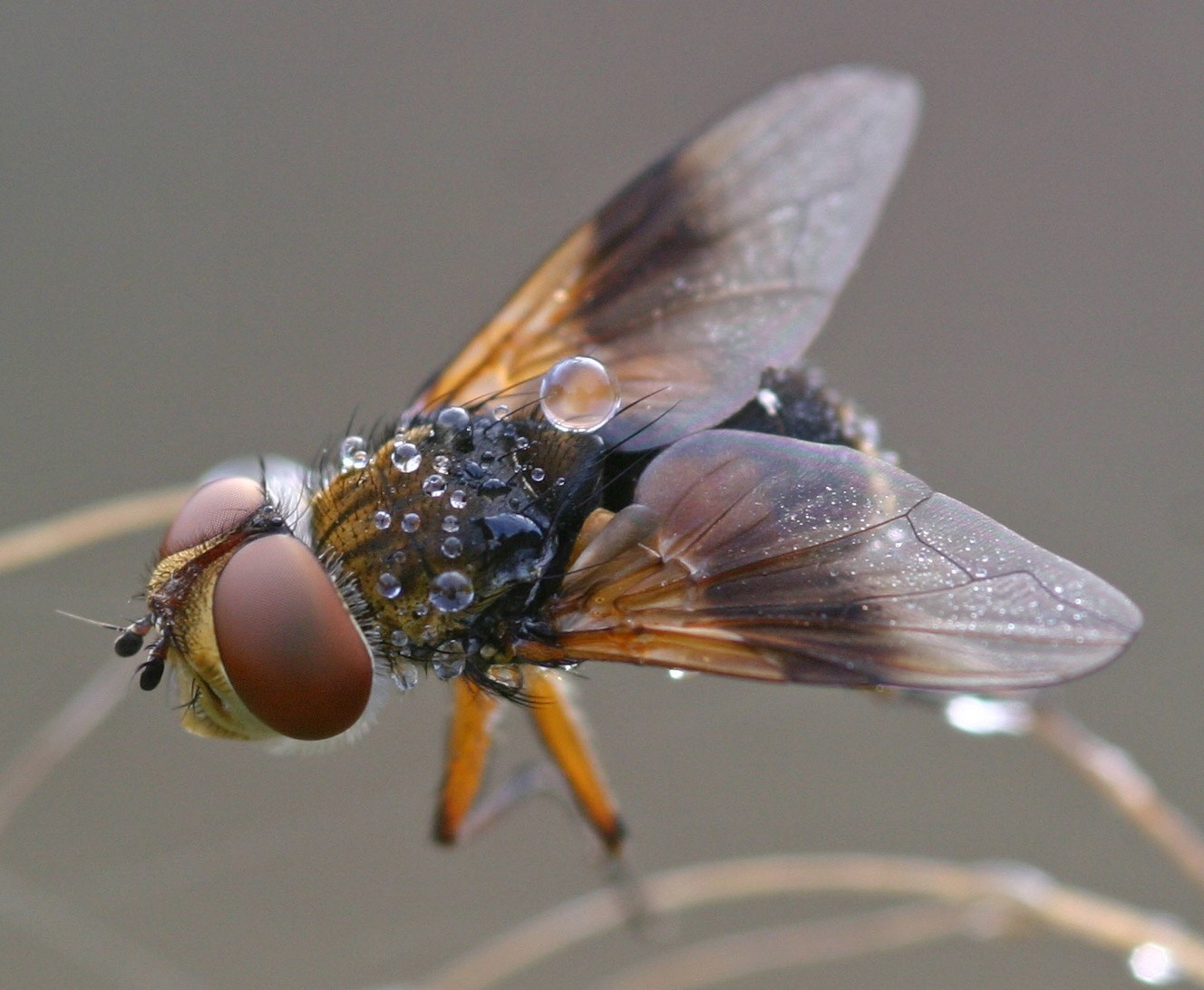
Tachinid Fly
Gardens, meadows, and woodlands wherever host caterpillars and other insects occur
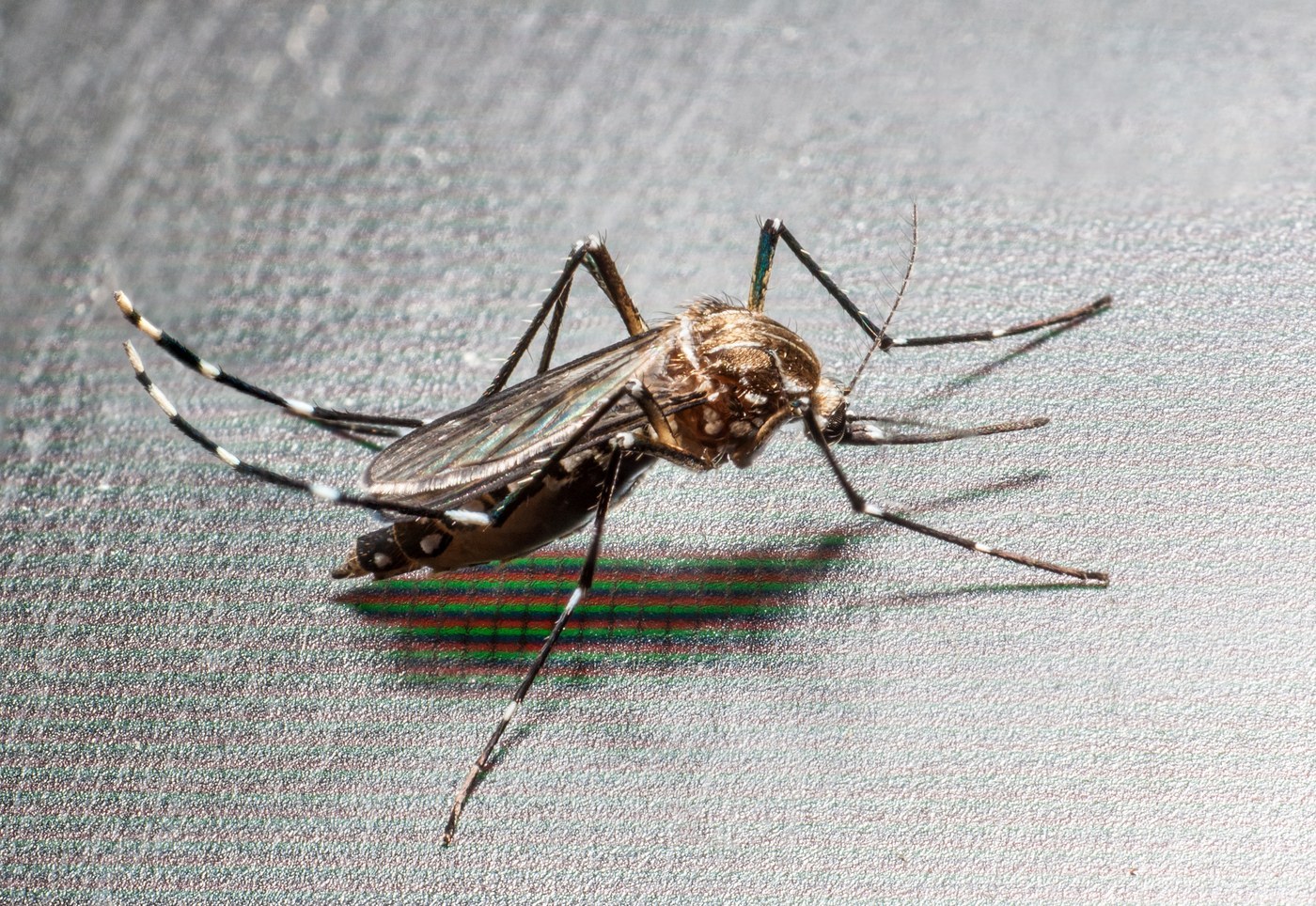
Asian Tiger Mosquito
Shaded urban and suburban areas near small water-holding containers, tires, and tree holes; native to Southeast Asia, now widespread
Tsetse Fly
Wooded savanna, riverine thickets, and forest edges across sub-Saharan Africa
Vinegar Fly
Around overripe fruit, compost, and fermenting materials worldwide
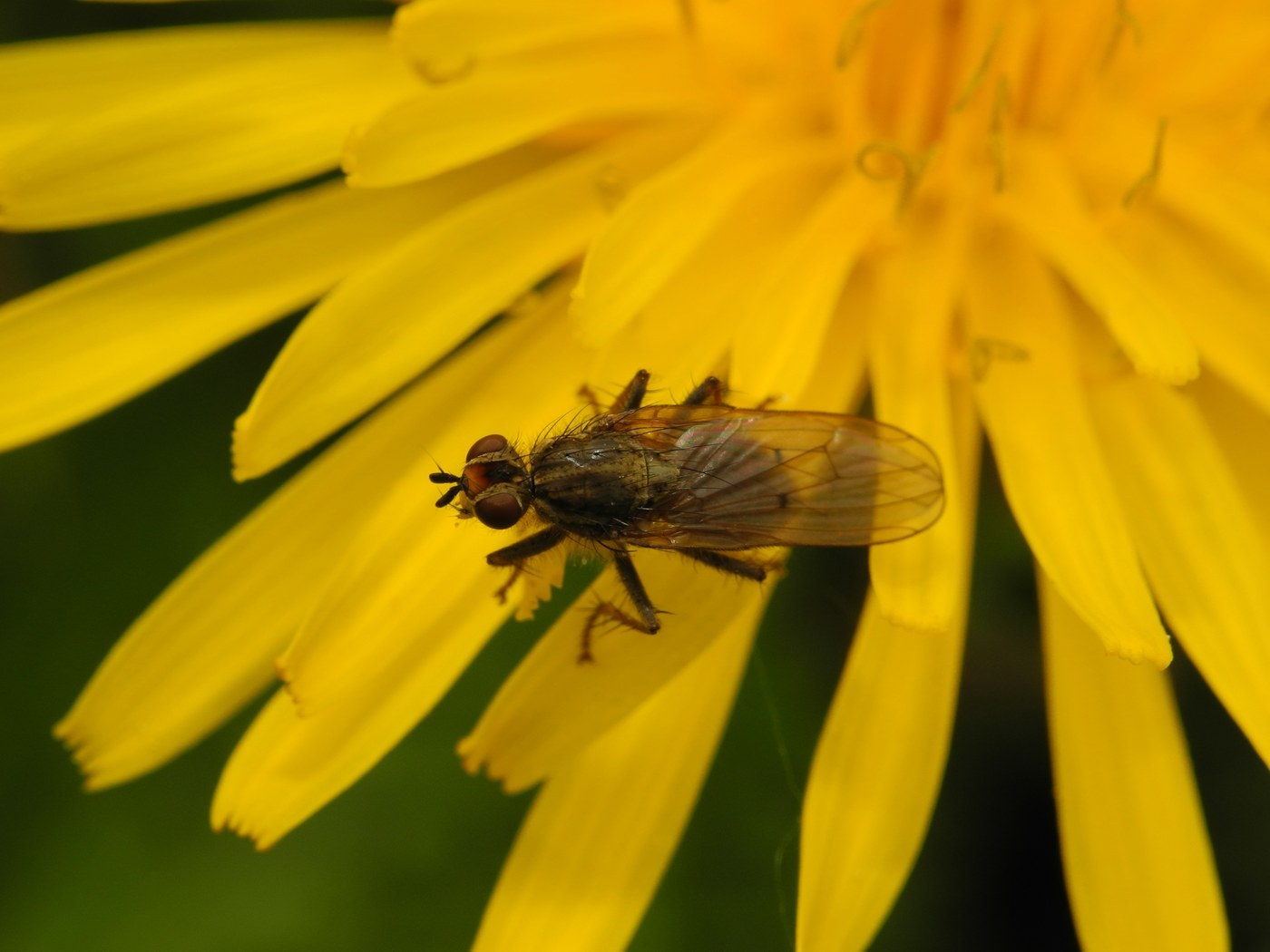
Yellow Dung Fly
Pastures and fields with fresh cattle dung
Screwworm Fly
Warm, humid lowlands of the Americas, especially near livestock and wildlife wounds
Soldier Fly
Wetland margins, decaying organic matter, and vegetation near water
Punkie
near marshes, mudflats, ponds, and other standing water