
Common House Mosquito
Culex pipiens
A slender, drab brown mosquito that emerges at dusk from catch basins and forgotten containers to fill neighborhoods with its familiar high-pitched whine.
- Size
- 4-7 mm (about 0.2-0.3 in) long
- Habitat
- Urban and suburban areas near stagnant, often organically rich water
- Danger
- Bites
Spotted a bug like this?
Identify any bug or insect from a photo, free.
Overview
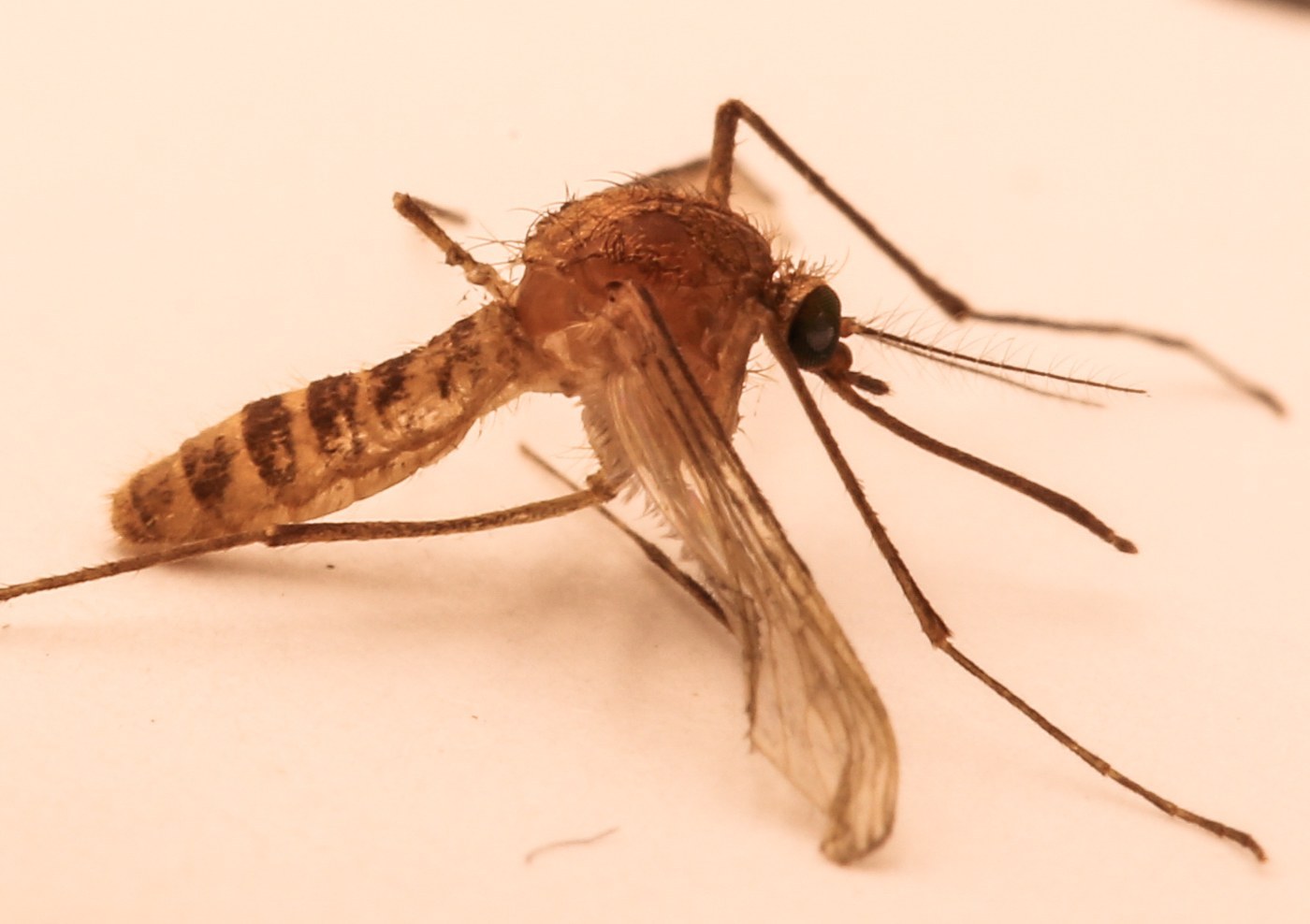
The common house mosquito is one of the most widespread mosquitoes in temperate regions, thriving wherever people leave standing water behind. It is a nondescript, uniformly brown insect without the bold stripes or spots seen on some other mosquito genera, which makes it easy to overlook until its whining flight gives it away at dusk.
This species is closely tied to human settlement, breeding readily in storm drains, gutters, birdbaths, discarded tires, and other artificial containers. Its tolerance for polluted or nutrient-rich water sets it apart from many mosquitoes that require cleaner habitats, allowing it to persist in dense urban environments year-round in warmer climates.
As a member of the genus Culex, it is active mainly from dusk through night, resting during the heat of the day in shaded, sheltered spots such as vegetation, culverts, or the undersides of structures.
How to Identify
- Slender body with uniform light to medium brown coloring and no strong contrasting bands
- Rounded, blunt-tipped abdomen (unlike the pointed abdomen of Aedes mosquitoes)
- Narrow, scaled wings held flat and folded over the back at rest
- Long, thin legs and a slender proboscis used for feeding
- Rests with its body roughly parallel to the surface it lands on
- Distinguished from Anopheles mosquitoes, which tilt their bodies upward at a steep angle when resting
Habitat & Range
Common house mosquitoes are found throughout temperate and subtropical regions worldwide, wherever standing water and human dwellings coexist. Breeding sites include clogged gutters, storm drains, catch basins, unused swimming pools, buckets, and other water-holding containers, especially those enriched with organic debris.
Adults are most active from late spring through early fall in temperate climates, with peak activity around dusk and into the night. They shelter by day in cool, humid, shaded locations such as tall grass, shrubs, crawl spaces, and culverts.
Behavior & Diet
Females require a blood meal from birds or mammals to develop their eggs and are most active at twilight and after dark, while males feed only on nectar and plant sap for energy. Adults are relatively weak fliers and tend to stay within a few hundred meters of their breeding site over their lifetime.
Larvae are aquatic filter feeders, straining algae, bacteria, and organic particles from the water column, and they play a role in nutrient cycling within small, still water bodies. Both larvae and adults serve as food for a range of predators, including fish, dragonfly nymphs, birds, and bats, making the species an important link in local food webs despite its small size.
Life Cycle
Females lay eggs in raft-like clusters that float on the surface of still water, with each raft containing up to a few hundred eggs. Eggs hatch within a day or two into aquatic larvae, commonly called wrigglers, which breathe through a siphon at the water's surface and molt through four larval stages over one to two weeks depending on temperature.
The final larval molt produces a comma-shaped, non-feeding pupa known as a tumbler, which also breathes at the surface but is far more mobile than the larva. After one to a few days, the pupal case splits and the adult mosquito emerges onto the water surface before flying off. Multiple generations occur each warm season, and in temperate climates mated females overwinter in sheltered, unheated structures such as basements, culverts, and storm drains, resuming activity in spring.
Frequently asked questions
How can I tell a common house mosquito from other mosquitoes?
It has a uniformly brown body without strong stripes, a rounded abdomen tip, and rests with its body held roughly parallel to the surface it lands on.
Where do common house mosquitoes lay their eggs?
Females lay floating egg rafts on the surface of still water, favoring containers, catch basins, and other water sources enriched with organic matter.
Do both sexes bite?
No, only females feed on blood to develop eggs; males feed exclusively on nectar and other plant sugars.
When are common house mosquitoes most active?
They are primarily active from dusk through the night, resting in shaded, humid spots during daylight hours.
Common House Mosquito guides
In-depth guides for identifying, understanding, and living alongside Common House Mosquito.
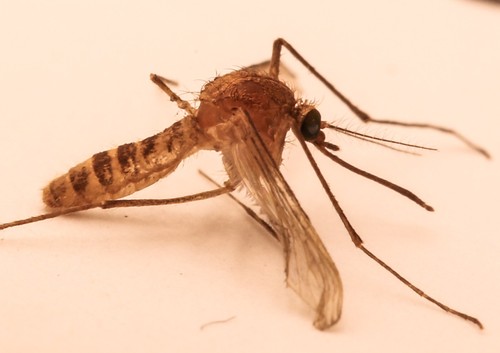
Common House Mosquito identified by the community
Real finds identified with Bug Identifier.
Other bugs you may enjoy
Aphid Midge
Gardens, greenhouses, and crops with aphids
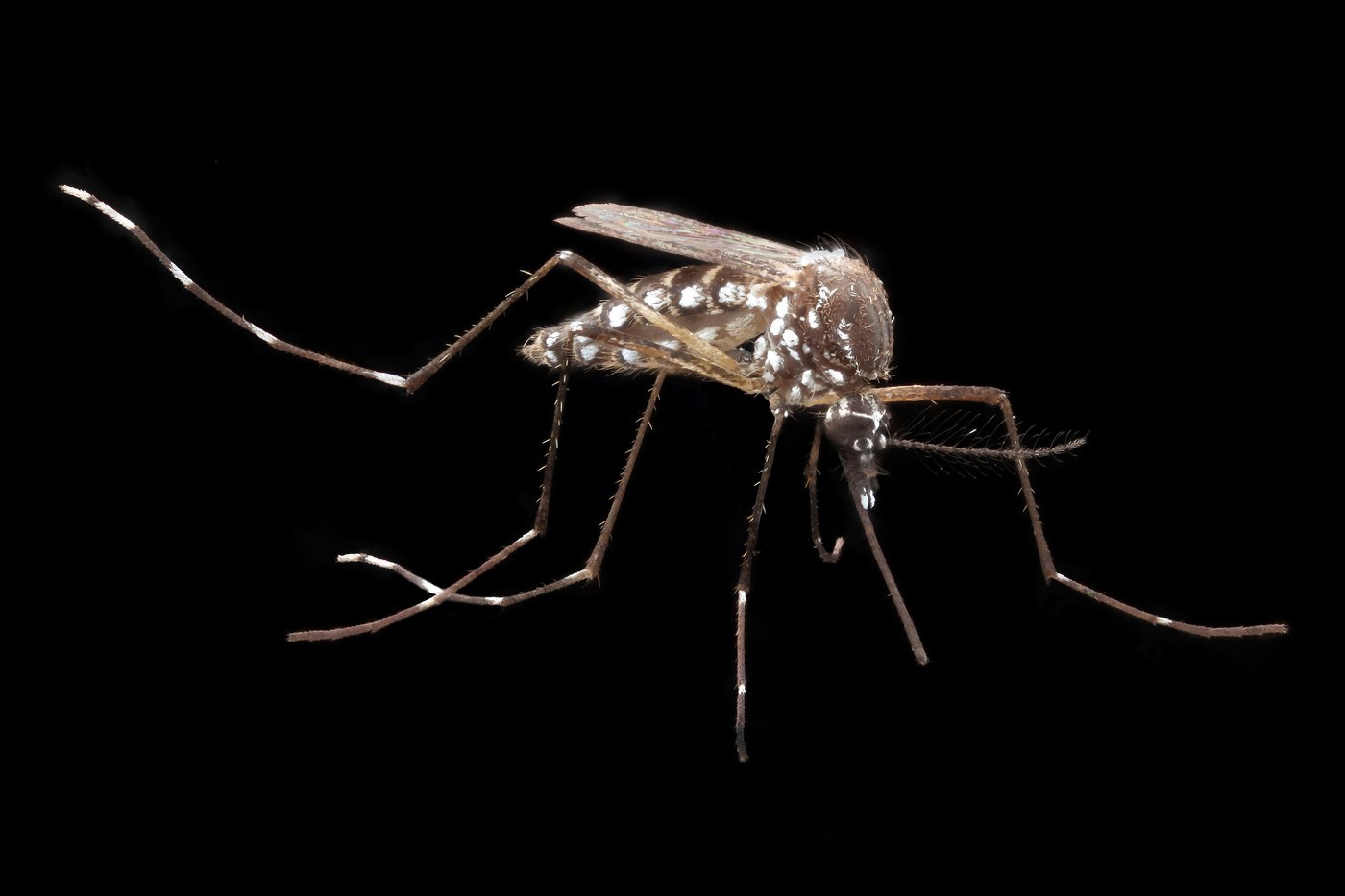
Yellow Fever Mosquito
Urban and peri-urban areas near small artificial water containers in tropical and subtropical regions worldwide
Root Maggot
Garden and field soil around the roots of cole crops and other vegetables
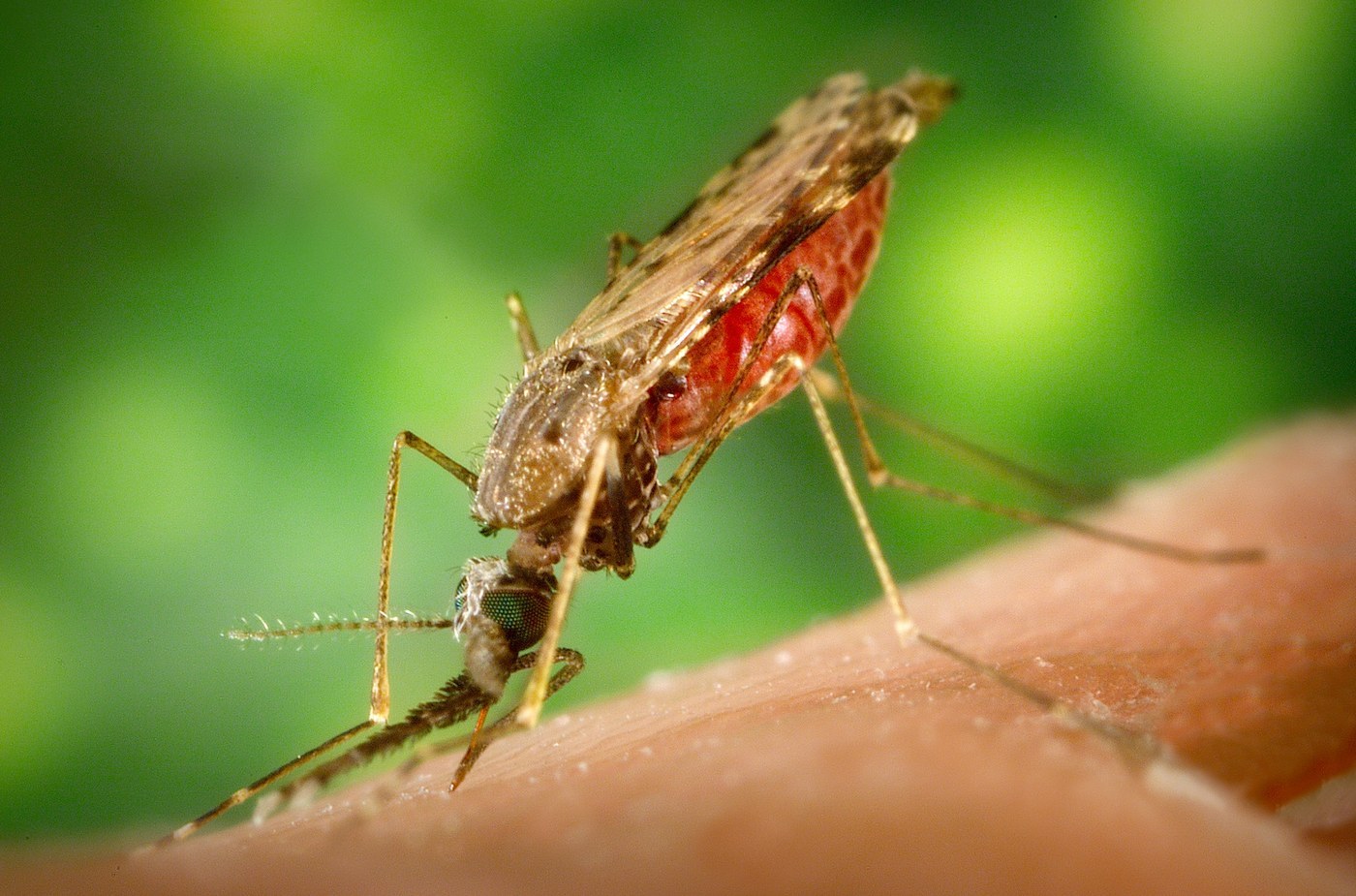
Anopheles Mosquito
Clean, still or slow-moving freshwater habitats such as marshes, ponds, and rice paddies
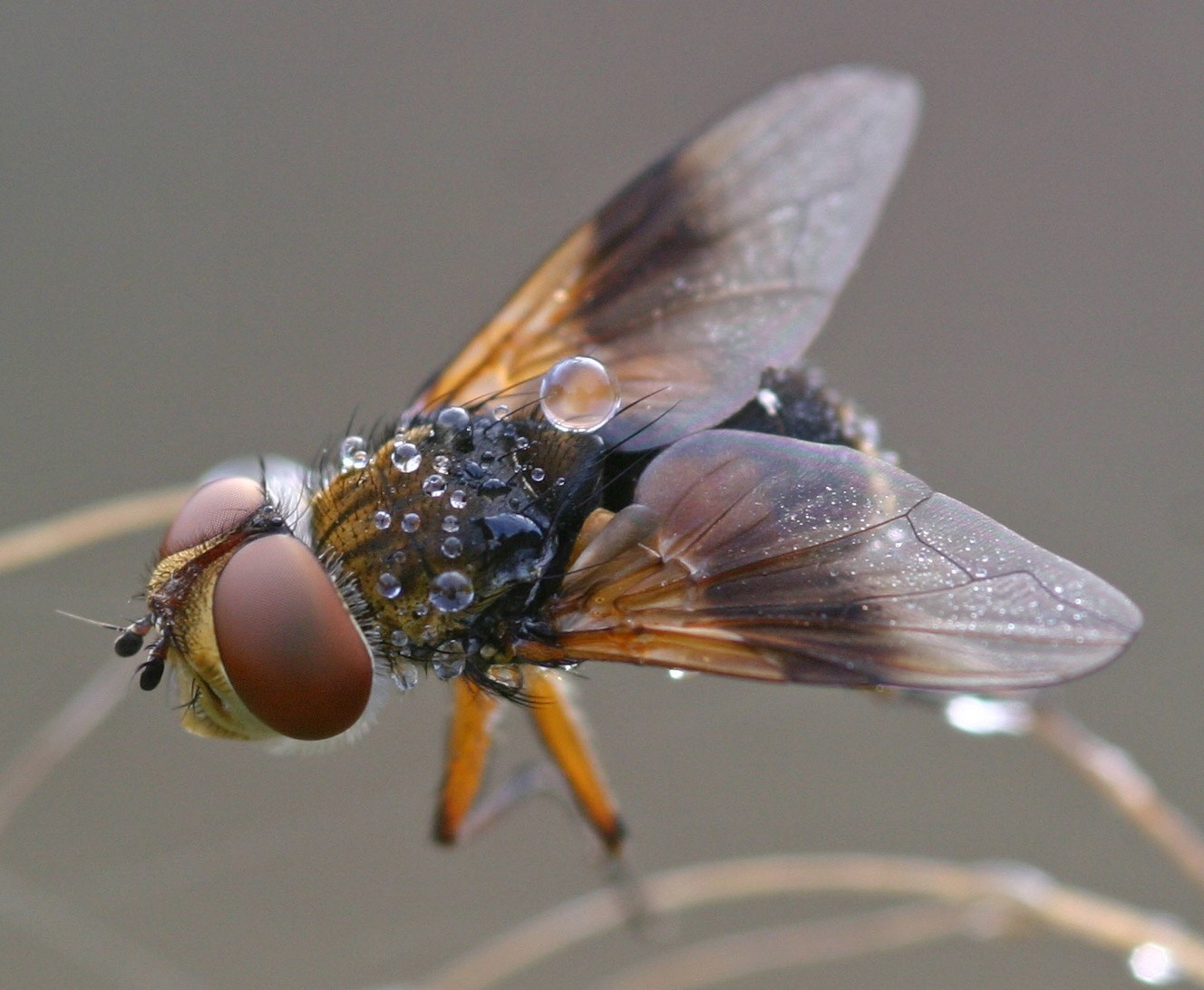
Tachinid Fly
Gardens, meadows, and woodlands wherever host caterpillars and other insects occur
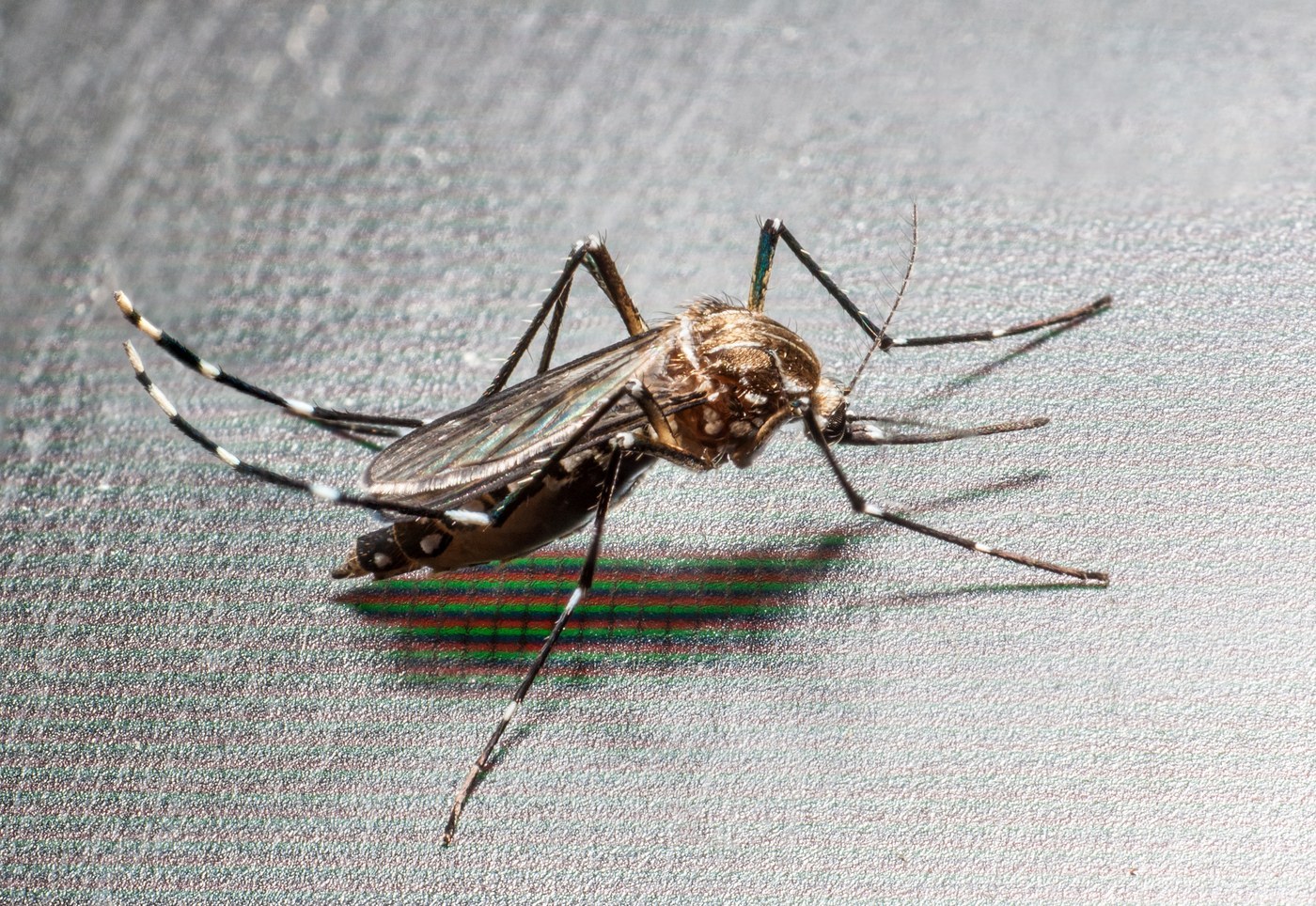
Asian Tiger Mosquito
Shaded urban and suburban areas near small water-holding containers, tires, and tree holes; native to Southeast Asia, now widespread
Tsetse Fly
Wooded savanna, riverine thickets, and forest edges across sub-Saharan Africa
Vinegar Fly
Around overripe fruit, compost, and fermenting materials worldwide
Yellow Dung Fly
Pastures and fields with fresh cattle dung
Screwworm Fly
Warm, humid lowlands of the Americas, especially near livestock and wildlife wounds
Soldier Fly
Wetland margins, decaying organic matter, and vegetation near water
Punkie
near marshes, mudflats, ponds, and other standing water